This story was written by Angels consultant Rohan Gouri with Dr Shameem.
A childhood dream
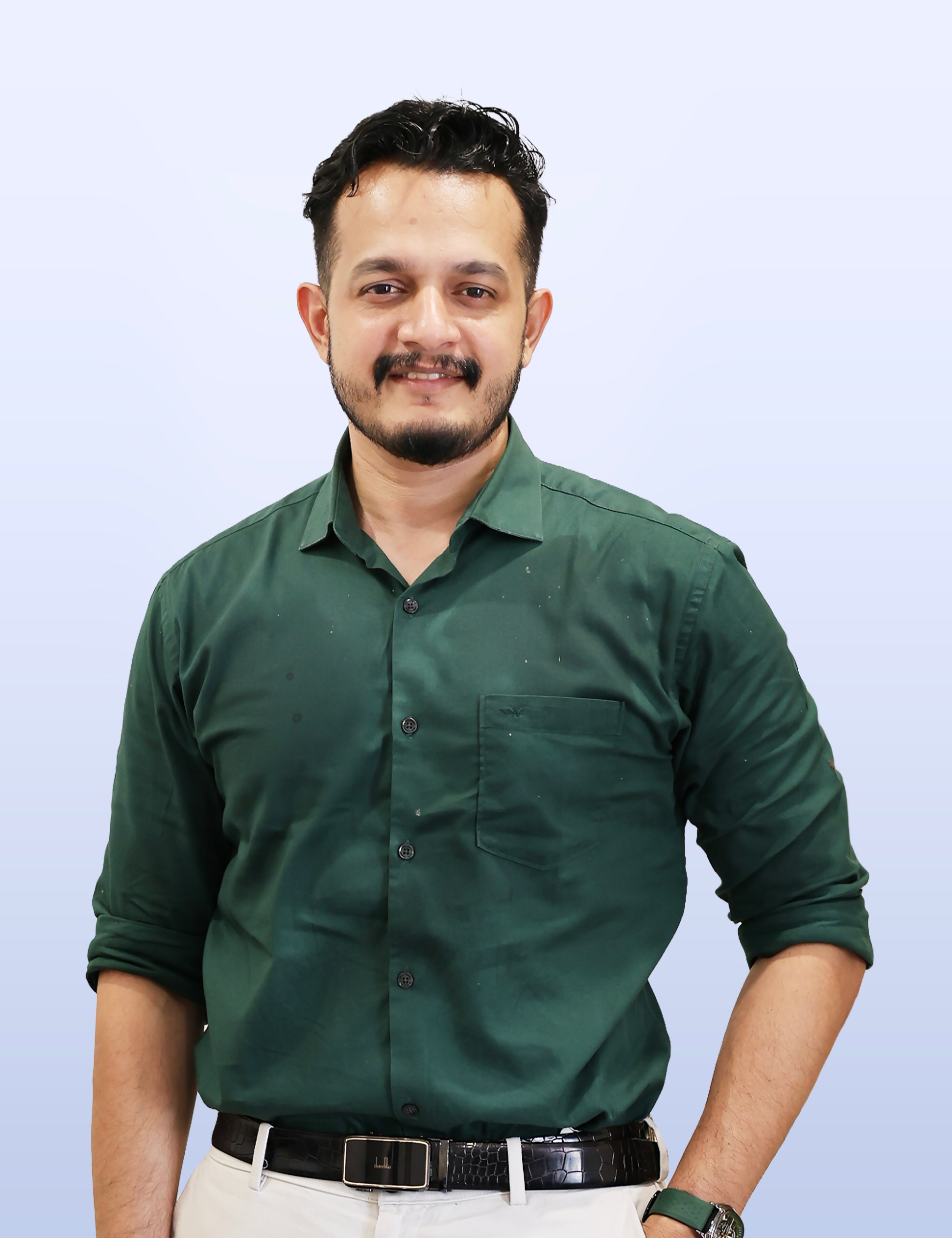
For Dr Mohammed Shameem Kattathadka, becoming a doctor was never just a career ambition.
It was a childhood dream born in a village in Kasaragod, shaped by the doctor who once relieved his suffering, and eventually transformed into a much larger mission: to change the healthcare system of the place he calls home.
Dr Mohammed Shameem grew up in Kattathadka, a small village in Kasaragod, Kerala. His family was largely dependent on relatives working in the Gulf, but his father, Abdul Kader, was determined that his children should receive the best education possible.
As a child, Shameem suffered from recurrent acute otitis media. When the ear pain became too much to bear, his mother would take him to a paediatrician, Dr Yatheeshan.
To young Shameem, Dr Yatheeshan was more than a doctor. He was his hero. The way he cared for him and relieved his pain left a lasting impression.
From that point on, Shameem knew he wanted to become a doctor. He didn’t know how many years medical school would take. He didn’t know what the journey would look like. He didn’t even know how to prepare for it. Among his 100 first cousins, he would be the first to pursue a professional course.
But he had an unwavering goal: “There was only one aim – to become a doctor. Nothing else.”
Why does Kasaragod have to look elsewhere?
During his MBBS studies in Mangalore, Shameem began noticing something that troubled him deeply. A large number of patients he encountered in Mangalore were coming from his own hometown, Kasaragod.
He kept asking himself: “Why are people from my hometown travelling all the way to Mangalore for treatment? Don’t we have good doctors and facilities back home?”
Every weekend, as he travelled back to Kasaragod, he would see ambulances travelling towards Mangalore. Sometimes there would be 10 to 15 of them on the road.
The sight stayed with him.
Shameem was deeply connected to Kasaragod. And slowly, the question became a personal mission: Why should people have to leave their hometown to receive quality healthcare?
After completing his MD in General Medicine, Shameem worked as a physician in Kasaragod while preparing for his DM in Neurology. During a dengue outbreak, he contacted the local blood bank to request platelet components for a patient. The response shocked him.
“Sir, we don't have a blood separation unit.”
For a district serving a population of around 1.5 million, the absence of such basic infrastructure was difficult for him to accept. He wanted to understand why.
Together with friends from the NGO Kasaragodinnoridam, he conducted a health survey to understand the challenges facing healthcare in the district. One of the biggest gaps they identified was a shortage of human resources. The findings were compiled into a health report and submitted to the then Health Minister, Smt. K. K. Shailaja.
For Shameem, the direction was now clear. He wanted to become a neurologist – not only for himself, but for Kasaragod.
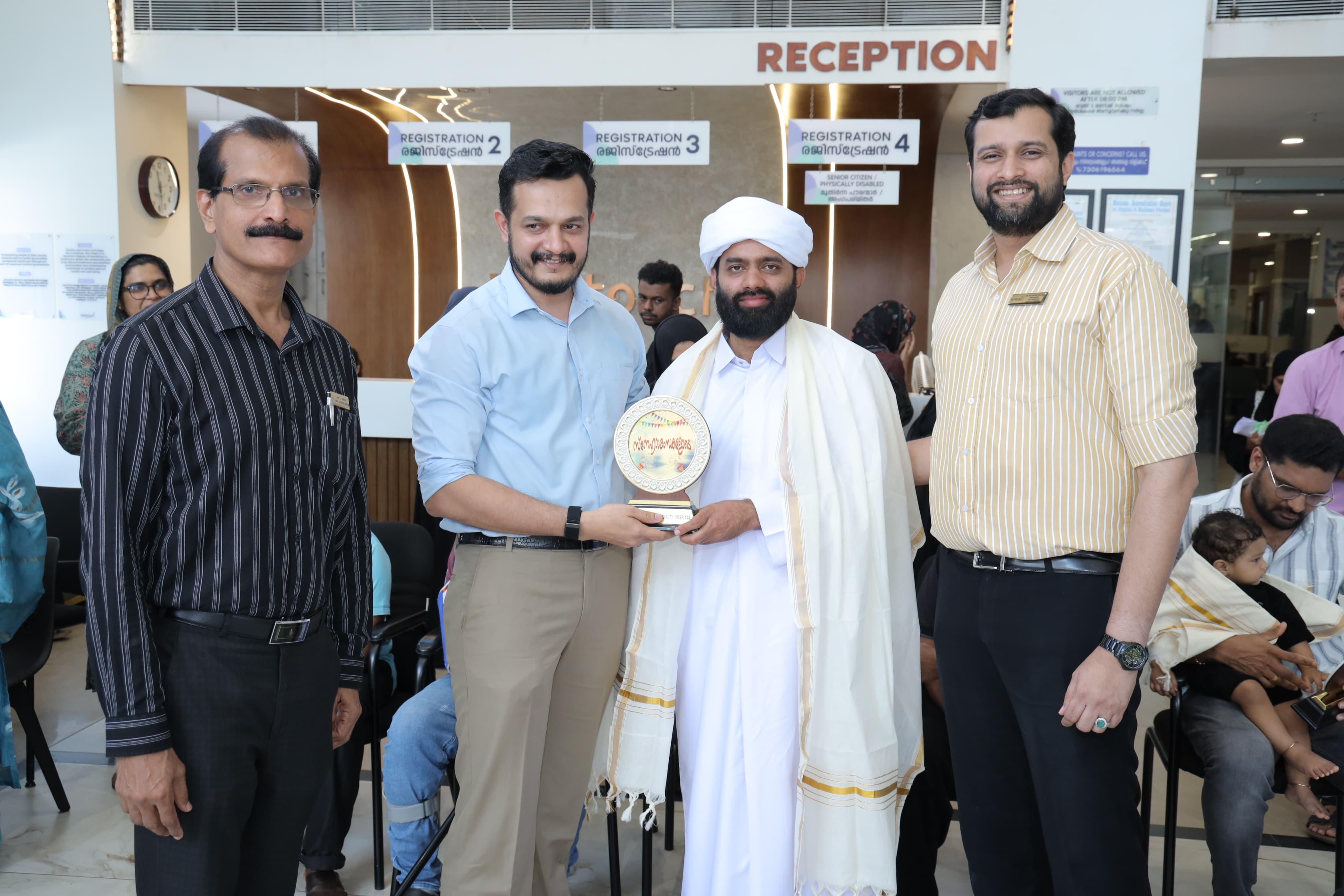
Coming home as a neurologist
After completing his DM in Neurology at Thiruvananthapuram, Shameem made a decision that could easily have taken him elsewhere.
He came home.
He joined a hospital in Kasaragod with a clear objective: to build neurological and stroke services in a district that had long depended on neighbouring cities for advanced care.
The need was enormous. Kasaragod did not have a dedicated stroke unit. Across the approximately 160-kilometre stretch between Kannur and Mangalore, there was no established stroke unit providingcomprehensive stroke care. For a disease where every minute matters, this meant that geography itself could become a barrier to survival and recovery.
Shameem wanted to change that.
Just nine days after Shameem joined Carewell Hospital, the team performed the district’s first intravenous thrombolysis for an acute ischemic stroke patient.
It was a small beginning, but a defining moment. That night, while the first thrombolysis was taking place, another dream began taking shape in Dr Shameem's mind. He knew that thrombolysis could save lives, but he also knew that advanced stroke care required access to endovascular treatment for eligible patients with large-vessel occlusion.
The dream was clear. But it would take four years for the dream to turn into reality.
After years of building the infrastructure, developing the team and strengthening the neuroscience services in the district, another historic milestone was achieved as the first mechanical thrombectomy was performed under the expertise of Dr Ariharan.
For Dr Shameem, this was much more than another procedure. It was the fulfilment of a dream that had begun on the night of the first thrombolysis. A dream that had remained in his mind for four long years had finally become a reality in Kasaragod.
Building a stroke-care network
The journey from intravenous thrombolysis to mechanical thrombectomy represented more than technological advancement. It represented the gradual transformation of what was possible for stroke patients in the district.
In 2022, the stroke-care journey gathered momentum.
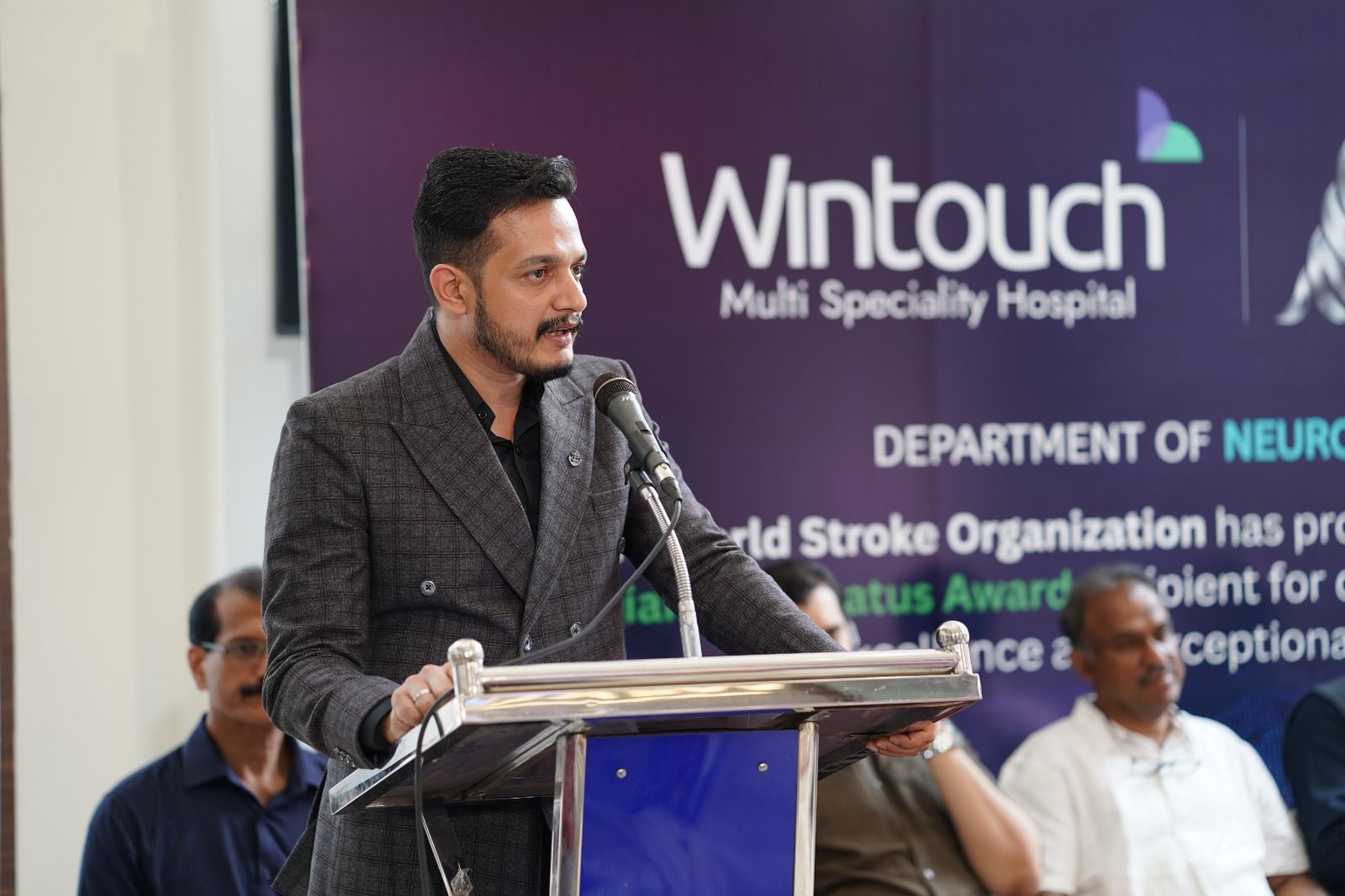
As patient numbers increased and beds became scarce, Shameem helped establish another stroke-ready centre at Wintouch Hospital, alongside the services at Carewell Hospital.
Today, Kasaragod has two stroke-ready centres working towards the same goal: ensuring that patients do not have to leave their district to receive timely, evidence-based stroke care. Since 2022, the teams have treated around 1,000 ischemic stroke patients with thrombolysis and are now managing approximately 250 stroke patients every month.
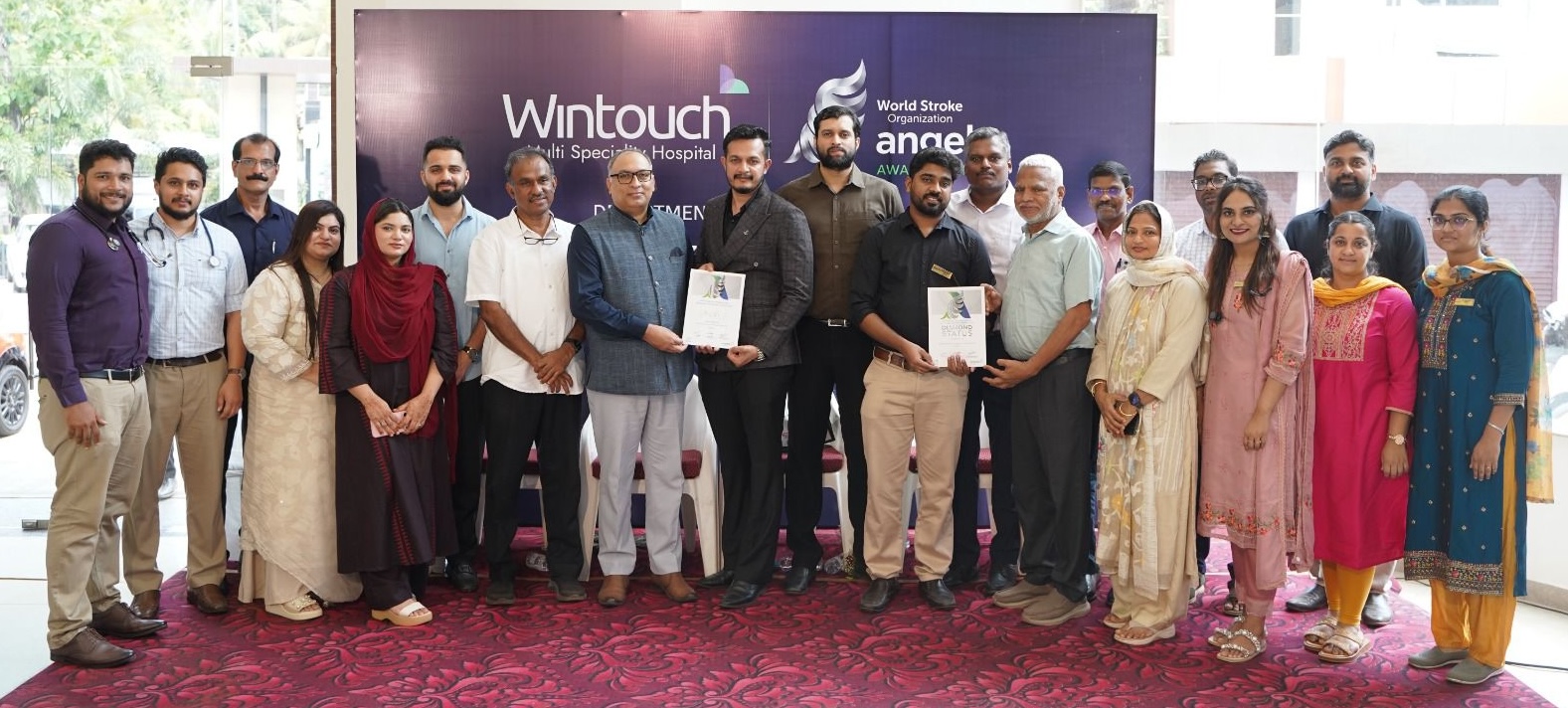
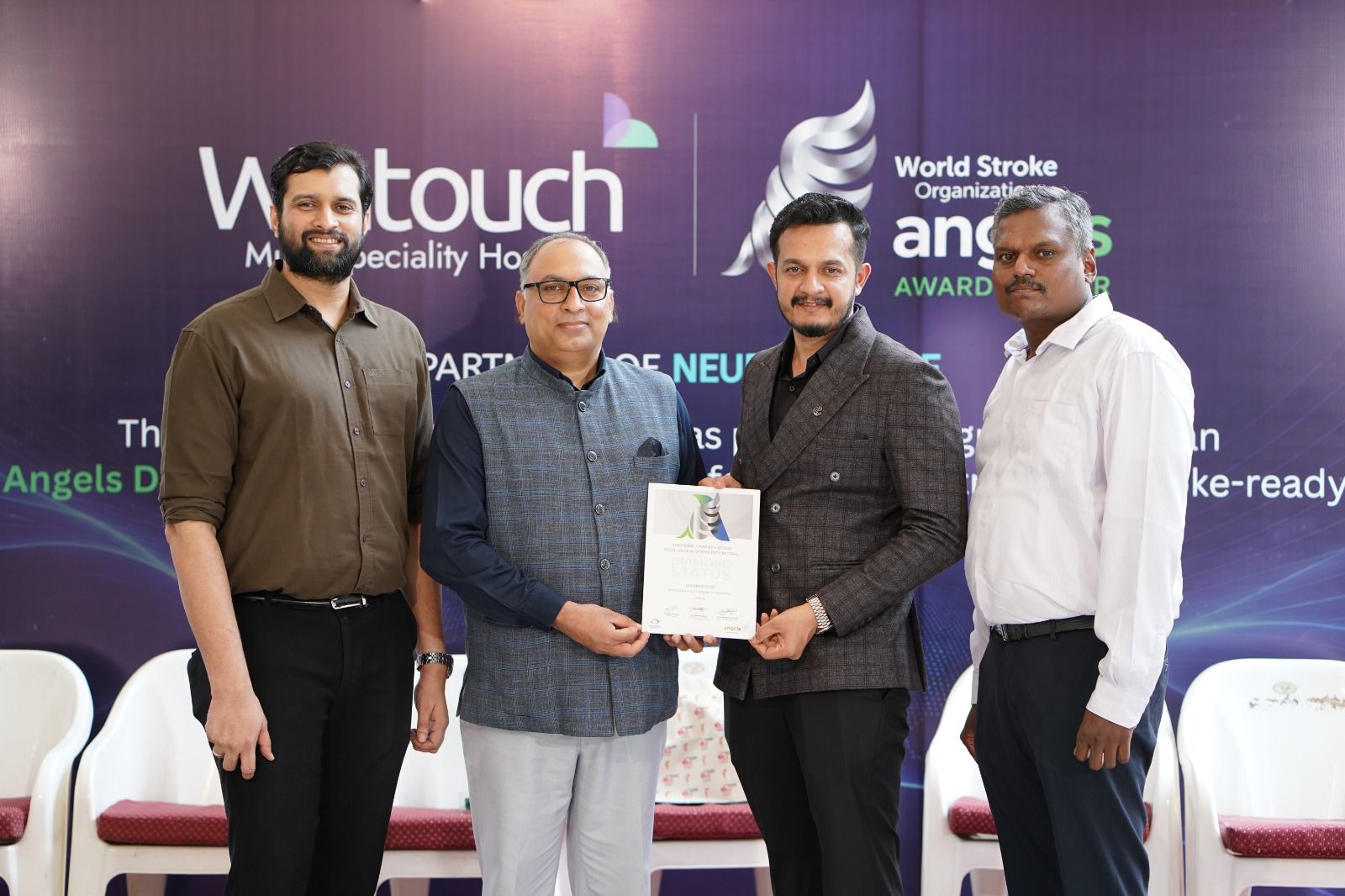
The transformation has extended beyond stroke care. At Wintouch Hospital, Dr Shameem now serves as Medical Director and Board Member. The hospital has achieved WSO Angels Diamond status four times, reflecting the team’s commitment to quality stroke care.
The neuroscience services have also expanded to include neurosurgery, trauma care and interventional neurology. More than 250 brain surgeries have been performed, with the first such surgery in the district taking place in 2024.
The vision is no longer limited to treating stroke. Epilepsy, vertigo, movement disorders and other neurological conditions are now becoming part of a growing neuroscience ecosystem. Specialised clinics have been established for epilepsy, vertigo and Botox therapy.
And the ambitions continue. The team hopes to perform the district’s first Deep Brain Stimulation procedure for Parkinsonism and establish the first epilepsy surgery programme in Kasaragod within the next five years.
What began with a boy from Kattathadka who simply wanted to become a doctor has evolved into a much larger ambition: to ensure that people from Kasaragod can access advanced neurological care without having to leave their hometown. The goal is to build a comprehensive neuroscience service — bringing together stroke, neurosurgery, interventional neurology, epilepsy, movement disorders, sleep medicine, vertigo and other neurological subspecialities.
It is an ambitious vision. But Shameem has already seen what happens when a seemingly impossible idea is pursued with the right team.
The message behind his journey is simple. A district's healthcare system does not have to remain defined by what it lacks. It can be transformed by people who refuse to accept that it cannot change.
From a village in Kattathadka to the forefront of neurological care in Kasaragod, Dr Mohammed Shameem Kattathadka is helping prove that change can begin with a single person, a determined team, and a decision to come home.
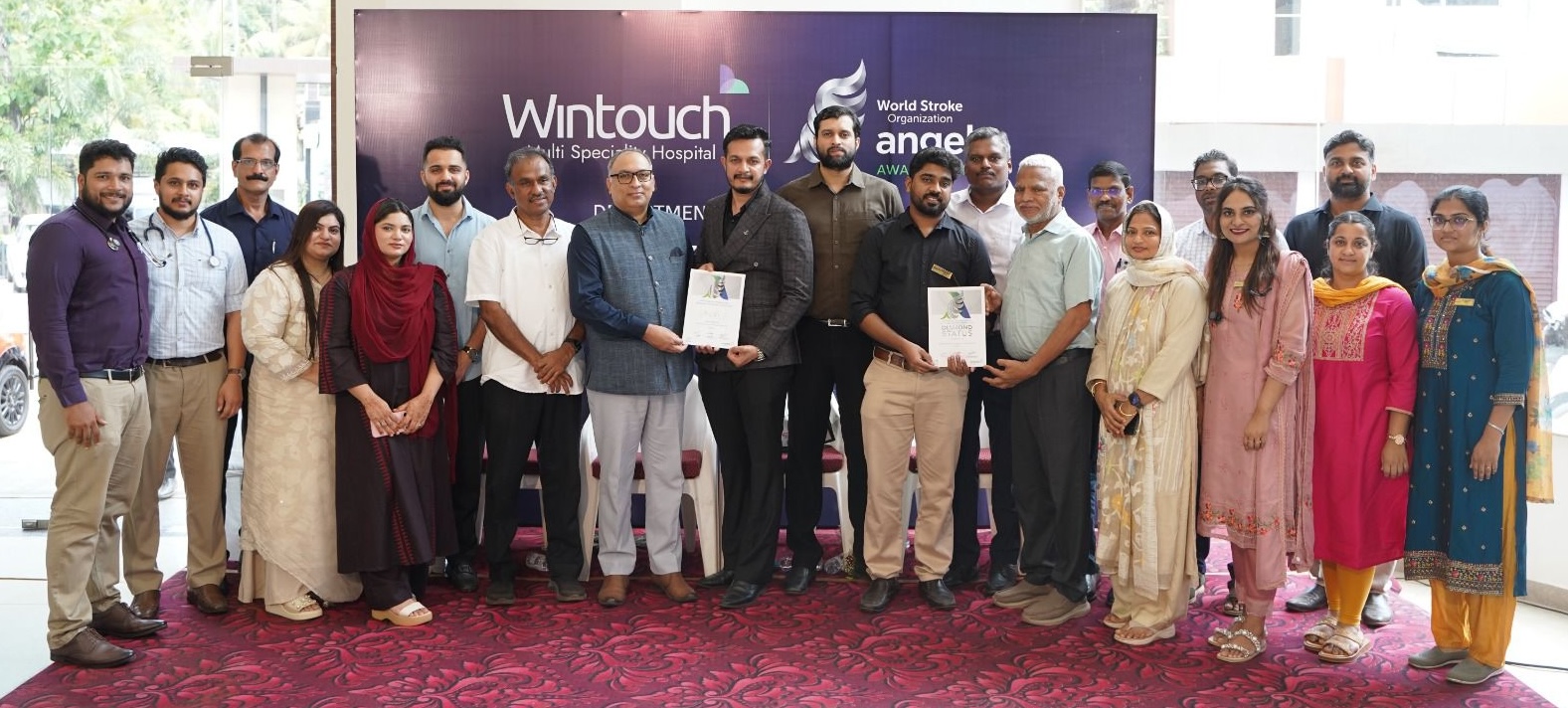
IT TAKES A TEAM For Shameem, healthcare transformation is not the work of one doctor. It is the work of a team. He repeatedly points to the team behind the transformation. The journey has been built by neurologists, physicians, neurosurgeons, interventional specialists, epileptologists, cardiologists, medical officers, emergency and ICU teams, physiotherapists, laboratory and radiology technicians, support staff, management and communications teams. His team includes: Dr Hareesh M.V, Dr Athira T.K, Dr Deepak S, Dr Pavan P.S, Dr Mayur Kamath V, Dr Faisal, Dr Muzammil, Dr Mohammed, Dr Aparna Nassim, Dr Ariharan – Interventional Radiology, Dr Thushar V.P. – Epileptologist, Dr Chithranjan, Dr Sabari, Dr Divyashree, Dr Ambareesh, Dr Faris, Dr Amith, Dr Nabeel, Dr Abnaz, Dr Muhsina, Dr K.V. Patil and his cardiology team, Dr Adarsh Herale, Dr Vasudha Mulky, occupational therapists, speech therapists, and dietitians. The physician team includes Dr Danish, Dr Jayadev Kangila and Dr Sunadara, while Dr Haleena Thabassum contributes as a Medical Officer. Behind the clinical team is another group that helps make the work possible – including Shamna, Jubair, Manasa and Uqbil Hadhi from the PR team, along with the emergency and ICU staff, physiotherapists Hareesh and Fayas, attendants, laboratory technicians, radiology technicians and the wider hospital support teams. And there is one group without whom none of this would have meaning: the patients who trust them.


