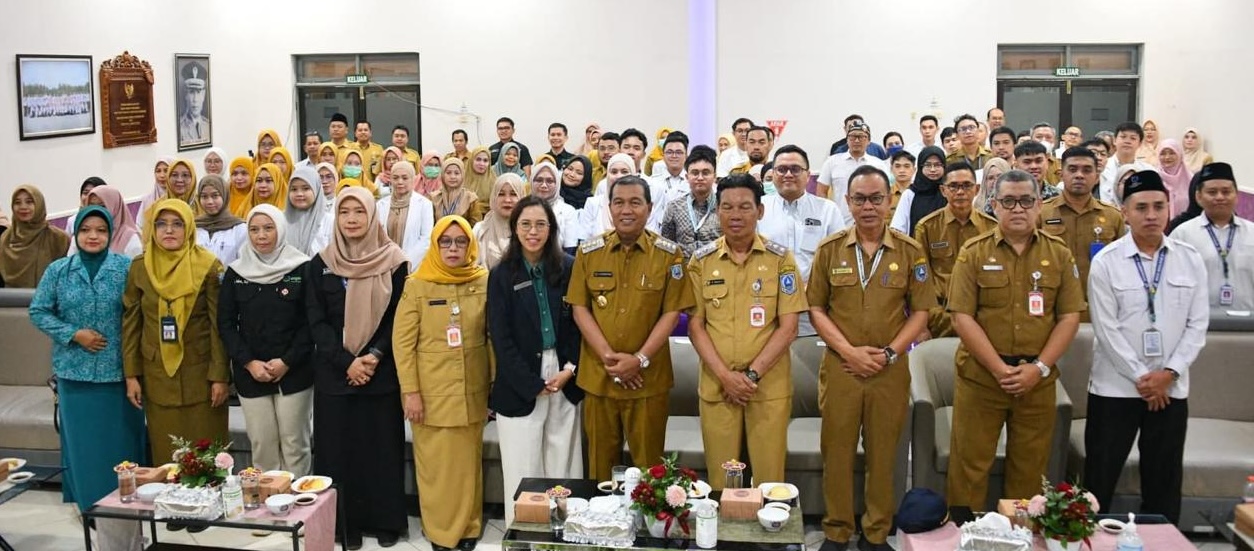
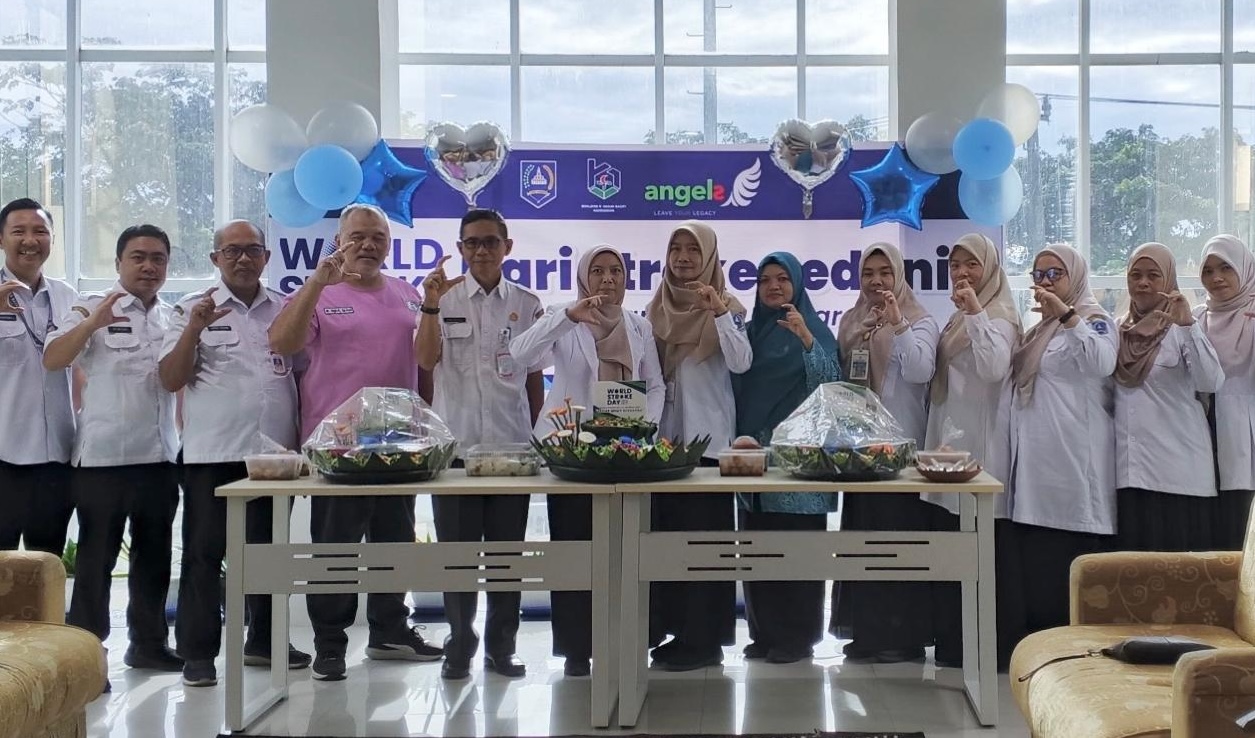
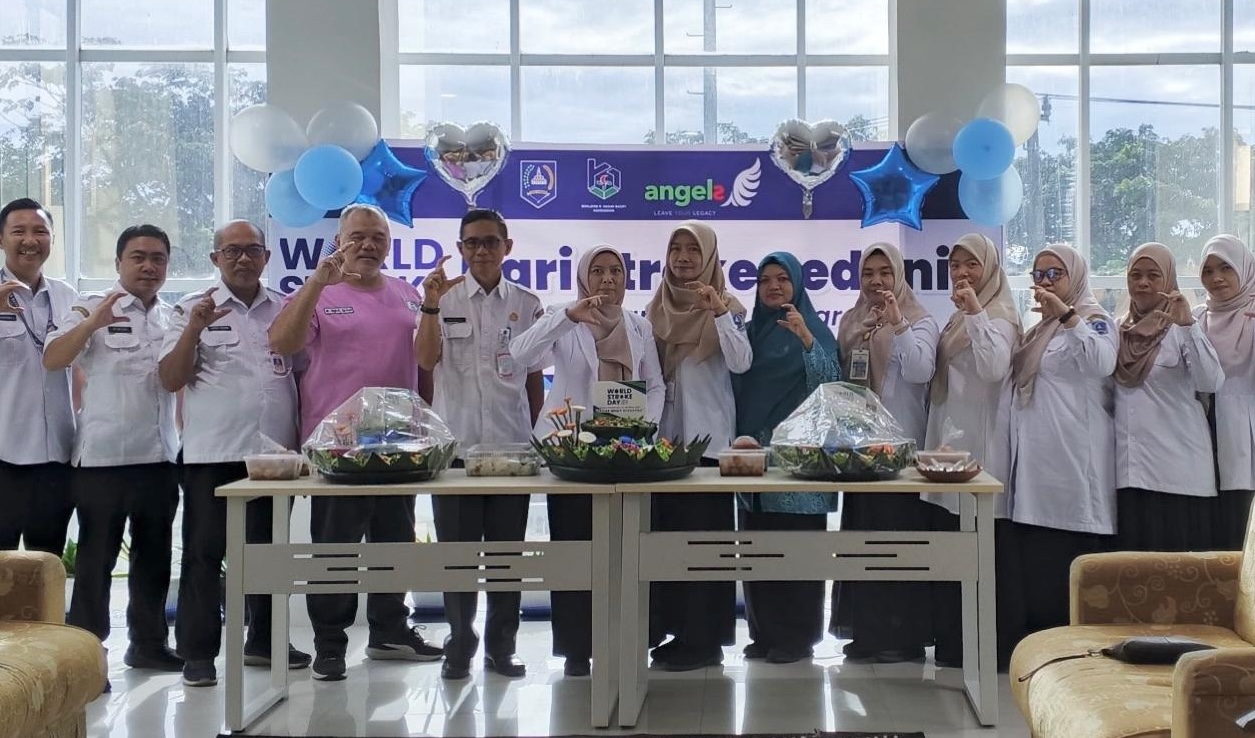
At last November’s National World Stroke Day in Kupang in Nusa Tenggara Timur, RSUD Brigjend Hasan Basry was among a handful of hospitals singled out to receive the unaugural Perdosni Award for excellence in stroke care. This recognition of dedication and teamwork followed the hospital’s three consecutive WSO Angels Diamond awards achieved during 2025. They would go on to earn a fourth diamond in quarter one of 2026.
National and international honours for stroke care is a remarkable achievement for a hospital located a long distance from the Indonesian capital Jakarta, and lightyears away from the hustle and bustle of big city life.
RSUD Brigjend Hasan Basry is the main referral hospital in Hulu Sungai Selatan Regency, a predominantly rural area whose population relies on agriculture, local trade and small enterprises. From Jakarta, it takes two two-hour flights to reach the capital, Kandangan city, and if you don’t want to fly, prepare yourself for a 36-hour journey by road and ferry.
Its remote location makes RSUD Brigjend Hasan Basry vitally important to the welfare of Hulu Sungai Selatan’s people.
Mortality and disability as a result of stroke are higher here compared to the rest of Indonesia. Stroke risk is heightened by sociocultural elements including smoking (especially among men) and a preference for dried fish that is very high in natrium, and fatty foods like coconut milk delicacies. In addition, public stroke awareness is low, which means the regional general hospital plays a vital role in building a comprehensive stroke care management system, not only for acute treatment, but also in the fields of prevention and rehabilitation.
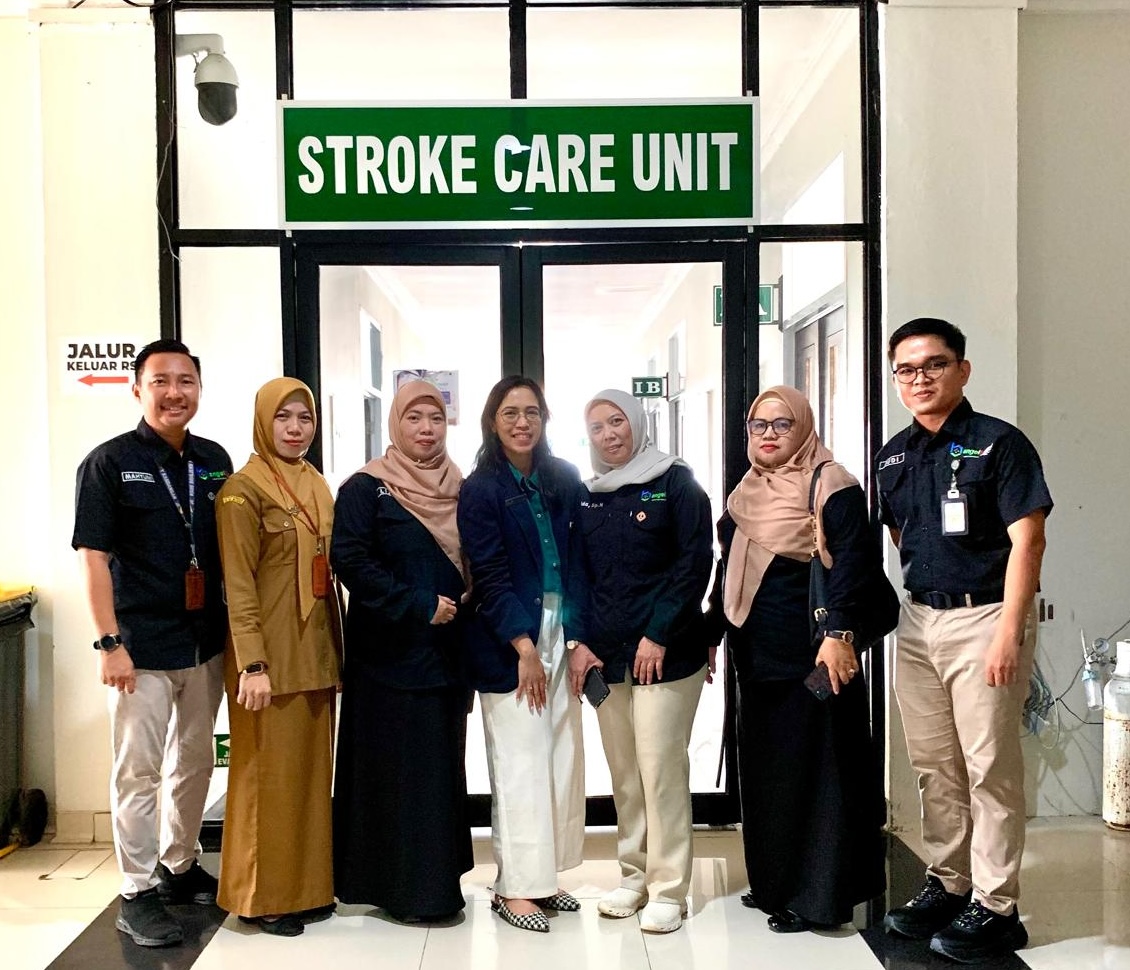
When neurologist Dr Rustina Idawarti, Sp.S – or Dr Ida to her patients and colleagues – arrived at RSUD Brigjend Hasan Basry after graduating in 2016, she found a stroke service badly in need of optimization. There was so much to improve, she says.
Previously a general practitioner in a community health center (Puskesmas) in Banjarmasin city in Banjar regency, and later in Kandangan city, she specialized in neurology at Universitas Diponegoro, a top public research university in Semarang in Central Java.
She says, “My interest in medicine starts from my desire to create real impact in the society. From the start of my studies I realized that one becomes a doctor not only to cure diseases, but also to bring hope and improve someone else’s quality of life.
“While I was studying neurology, I saw firsthand how stroke can turn someone’s life around. In a matter of minutes, someone productive can lose their ability to walk or speak. On the other hand, neurology has the potential to create a huge impact in someone’s life as with the right system and care, disability or death can be prevented.”
Dr Ida now had the opportunity to improve outcomes for stroke patients at her hospital and, with the support of hospital management, she began to build the stroke service at RSUD Brigjend Hasan Basry.
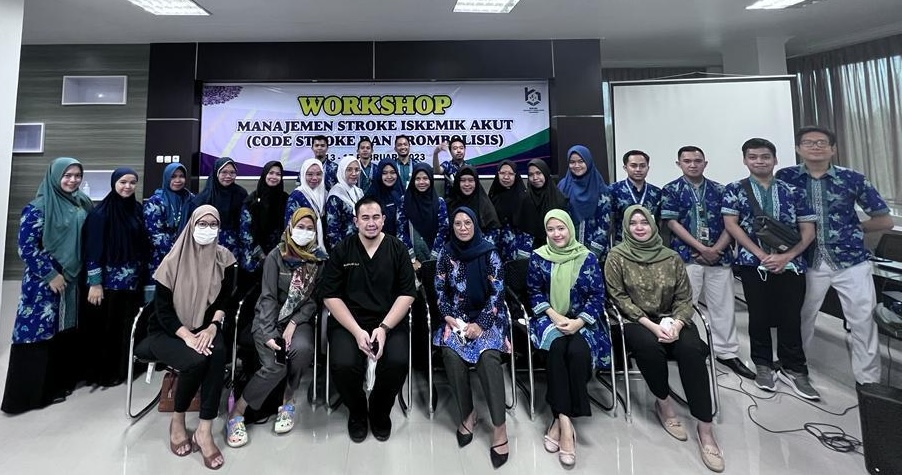
It started with seeking permission from management to make a “stroke corner” where stroke patients admitted to the emergency department could receive priority care. It continued with a capacity-building plan that involved stroke education for hospital staff. Through workshops, in-hospital training and simulation, Dr Ida built a team to deal with acute stroke emergencies. Her efforts got a boost when the Angels Initiative came into the picture and offered motivation and support. Angels consultant Dr Sisca assisted with protocols, optimized work flow, current state analysis, and quality monitoring via the stroke care quality improvement registry, RES-Q.
Reaching international standards was their goal throughout, and in quarter two of 2025 that dream came true for the stroke team at RSUD Brigjend Hasan Basry when they won their first WSO Angels diamond award.
Dr Ida identifies five factors that determined their success – commitment from management and the medical team, adhering to international standards, improving competence of human resources, providing fast and integrated care, and continuous monitoring and evaluation.
“As a doctor, I believe our responsibility does not stop at the providing therapy,” Dr Ida says. “We have the responsibility to make sure that the stroke care system can provide fast access and high-quality treatment for all citizens.”
Future goals for the stroke team at RSUD Brigjend Hasan Basry include broadening stroke care access so they can reach the broader community. “Other important things are strengthening our pre-hospital system, increasing public awareness, and advancing our care to be more comprehensive, from prevention to rehabilitation,” Dr Ida says.
Her biggest motivation comes from patients, she says. “Every time I see a patient with severe disability because of a treatment delay, I ask myself how this condition could have been prevented. This question is a huge push for myself to keep fixing the system.”