
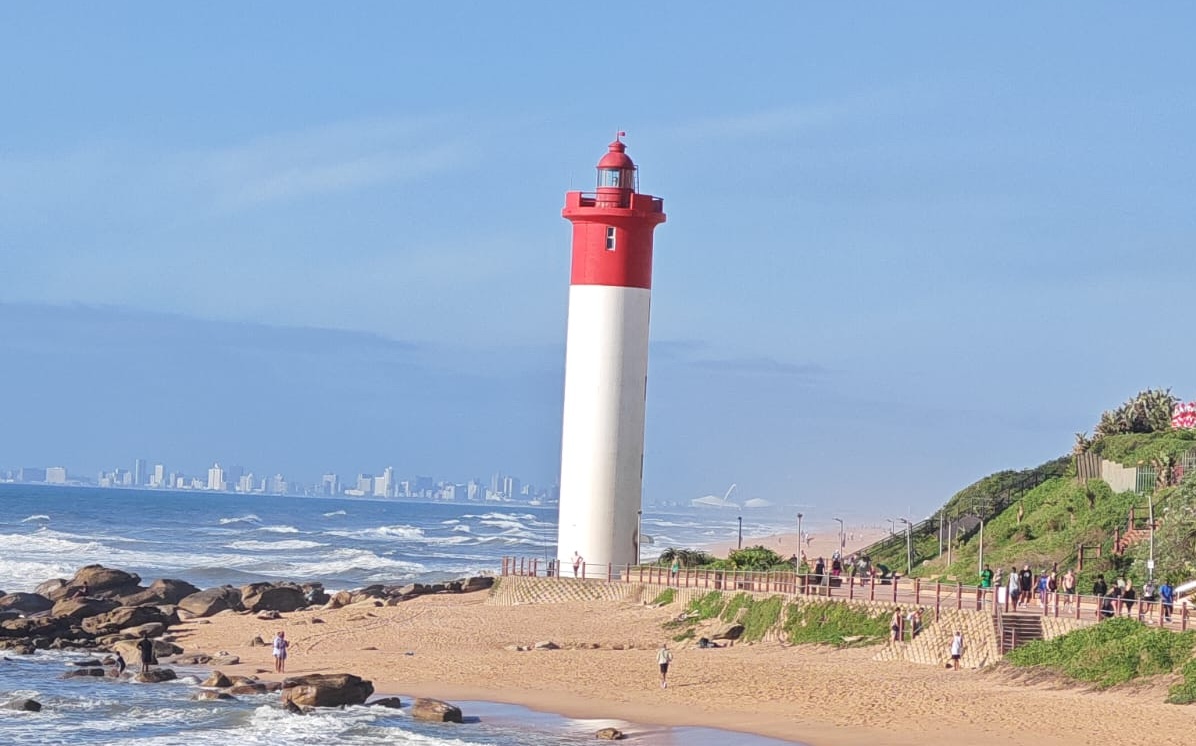
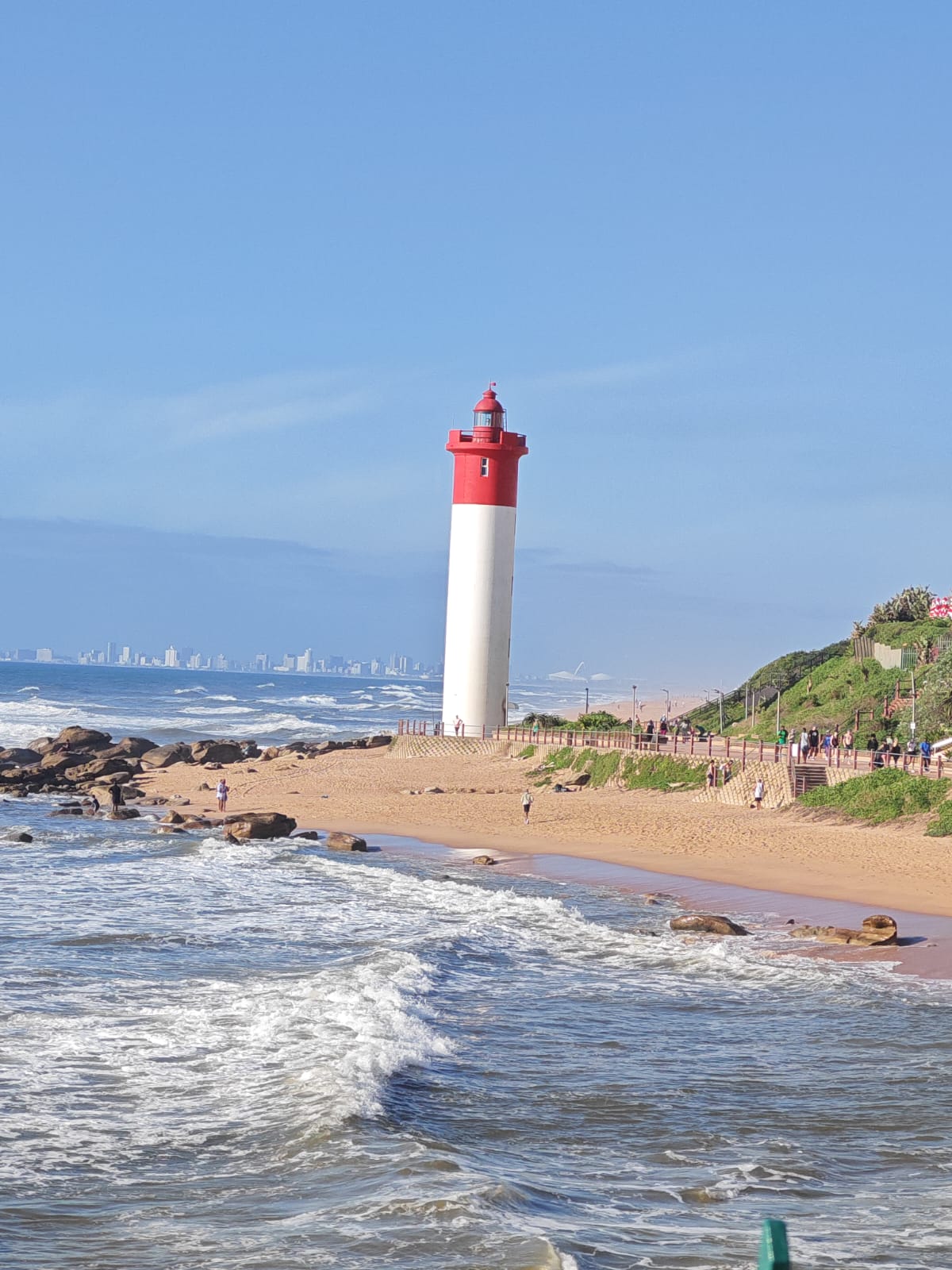
The morning sun rose over Umhlanga, casting its golden light across the Indian Ocean. Along the coastline, waves rolled towards the shore as runners and walkers gathered for another Saturday parkrun. But this Saturday was different. Two days earlier, the world had commemorated World Stroke Day. Today, my colleagues from Netcare Umhlanga Hospital had gathered to celebrate stroke survivors, raise awareness about recognising stroke symptoms and share a message that is profoundly simple, yet extraordinarily important: Time is brain.
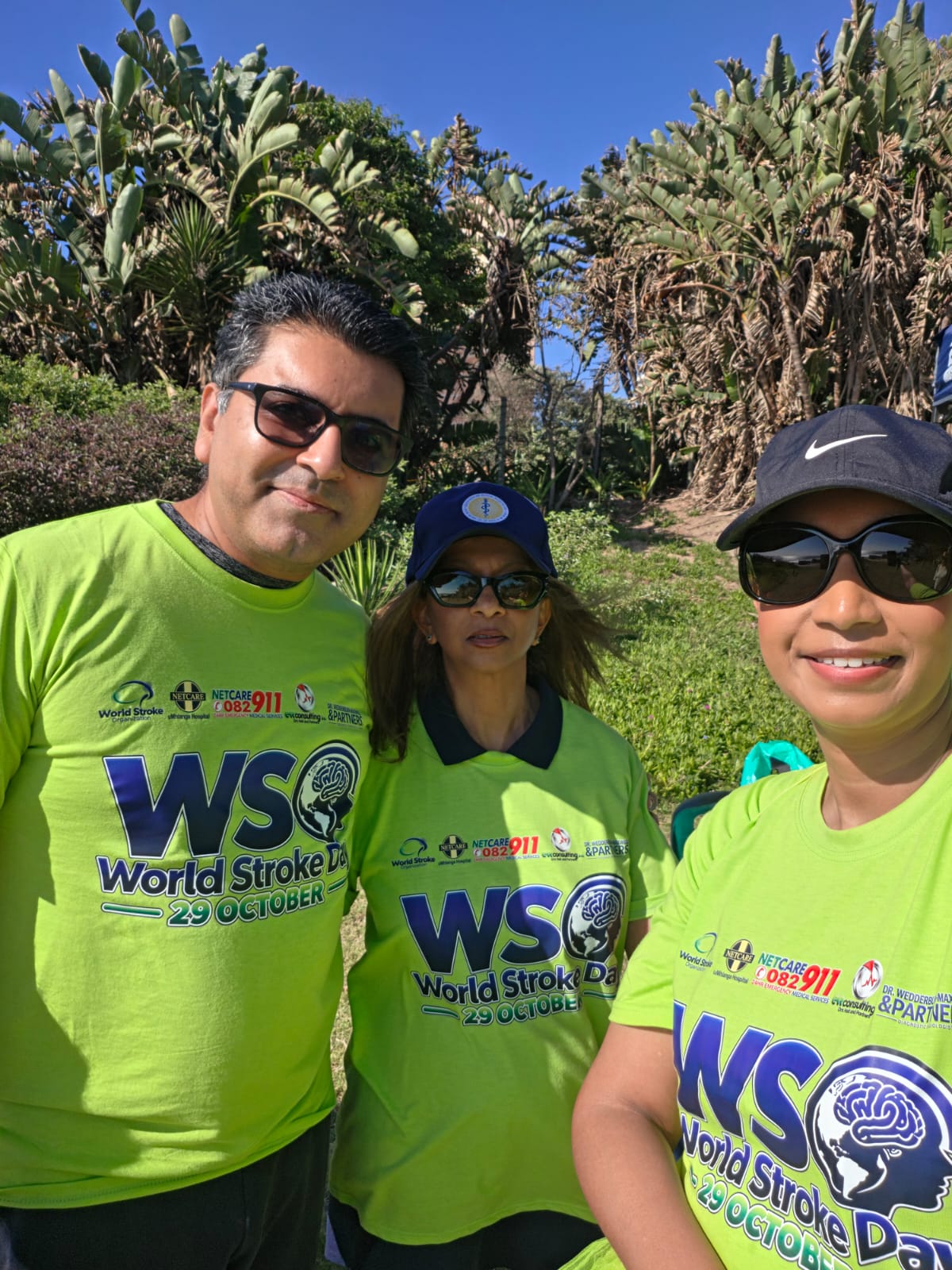
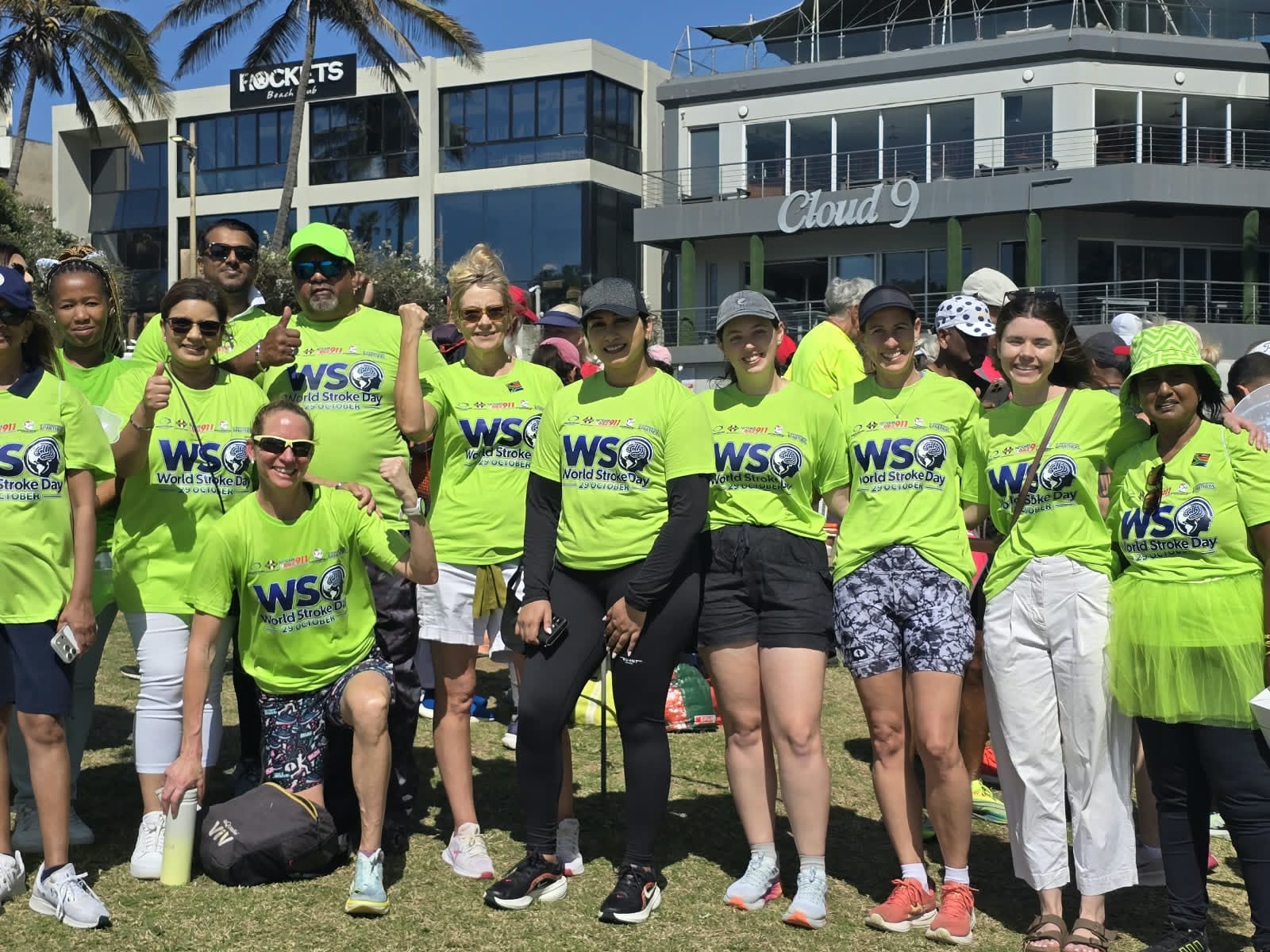
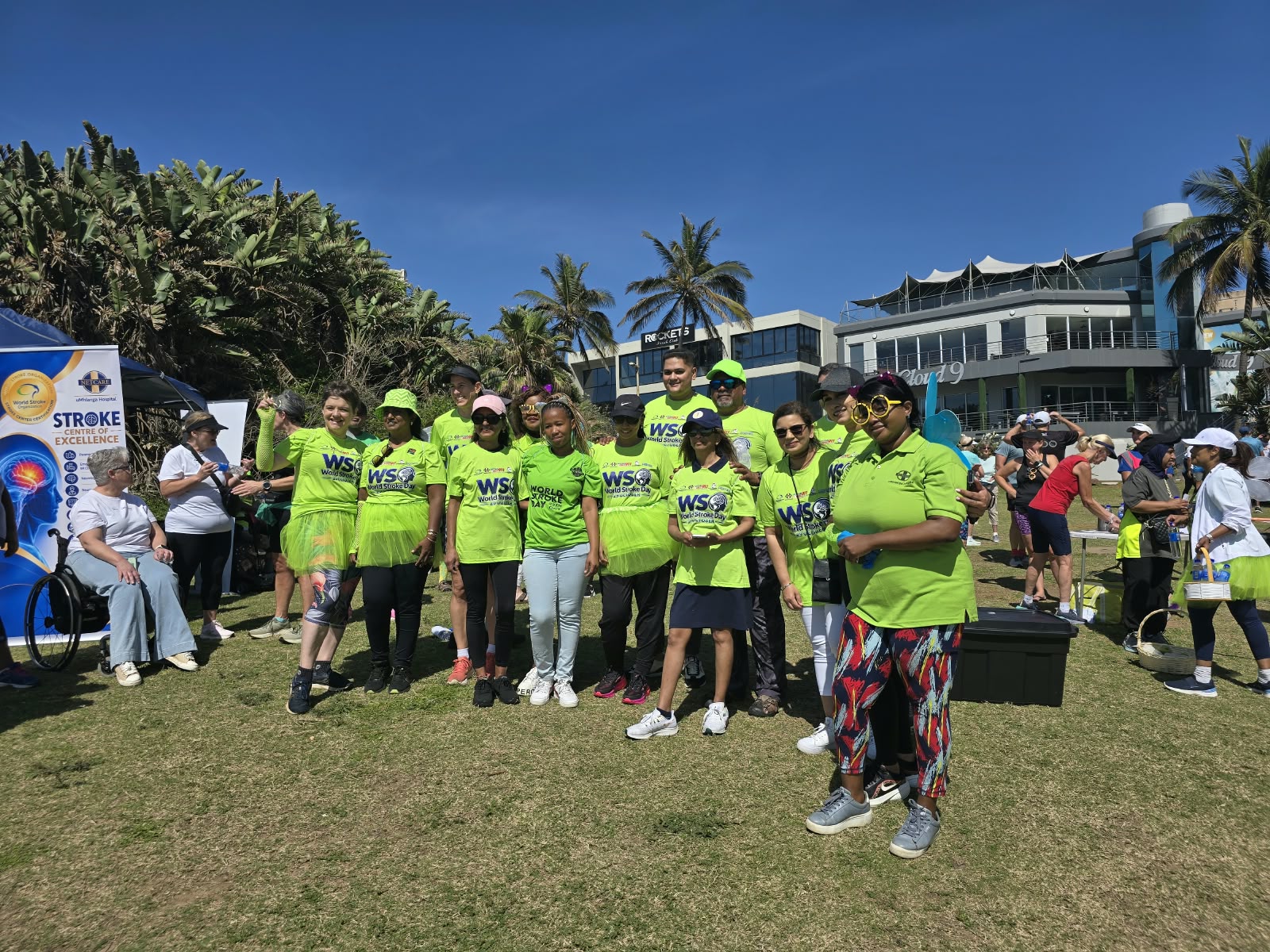
Dressed in our specially branded World Stroke Day T-shirts, we were united by a cause extending far beyond the hospital walls. It was my first hospital parkrun. I stood among my colleagues, posing for photographs and capturing a few moments on video as the group gathered for the morning’s event. There was laughter, anticipation and that unmistakable energy of people coming together for something meaningful.
And then my phone rang. It was the casualty department. A patient required an urgent neurological assessment. The starting horn sounded. The runners surged forward. And I began running in the opposite direction. Not towards the course, but towards my vehicle. My heart pounded as adrenaline replaced anticipation. Behind me, my colleagues were setting off to raise awareness about stroke. Ahead of me, at Netcare Umhlanga Hospital, I was about to confront the very reason that awareness matters.
Two journeys had begun at almost precisely the same moment. One measured in kilometres. The other, in minutes. And in acute stroke care, minutes can mean everything.
The Other Starting Line
Within five minutes, I arrived at the hospital. The World Stroke Day T-shirt came off. My scrubs went on. The T-shirt had carried the message. The scrubs would carry the responsibility.
My pace quickened as I approached the Accident and Emergency Unit. “Morning,” greeted the security officer. Such an ordinary word on such an extraordinary morning.
Inside, a team was already prepared to act. The casualty medical officer was in attendance. The nurses were ready. A laboratory technician stood by, and point-of-care investigations had already been performed. I began my assessment immediately. Blood investigations followed, and urgent MRI imaging was requested. Within approximately five minutes, the patient was being transferred towards the scanner.
From bed to stretcher, through the corridors and into the imaging room, the team moved with remarkable coordination. Their expressions reflected urgency, focus and dedication, but never panic. Every movement had purpose. Preserve brain. Salvage function. Protect the possibility of recovery.
There was something almost artistic about the sequence. Each person knew their role. Each action complemented the next. What appeared effortless was, in reality, the product of preparation, repetition and disciplined practice. The beauty of a well-rehearsed performance is that the audience seldom sees the years of preparation behind it. And perhaps nowhere is that more important than in acute stroke care.
The Quiet Art of Readiness
The MRI scanner came to life. Imaging began. Then came the findings. Fortunately, the MRI did not demonstrate an acute stroke. There was relief, but the clinical journey was not over. Could this have been a seizure, a stroke mimic or another neurological condition? The investigation continued. Yet the absence of an acute stroke did not diminish the significance of what had unfolded.
We respond with urgency precisely because certainty has not yet been established. It reminded me why stroke-care accreditation matters. Accreditation is not merely a title or a certificate displayed on a wall. Its significance lies in the systems, standards and practices that support effective clinical care. It is revealed in the preparedness of the casualty officer, the anticipation of a nurse, the readiness of laboratory personnel and the coordination of an emergency imaging pathway. Above all, it is revealed when individual expertise becomes collective capability. Excellence is rarely created in the moment of crisis. It is revealed there.
As I began my journey back towards the beachfront, a familiar neurological concept came to mind: the reflex arc. A stimulus activates an established neural pathway, producing an organised response. The circuitry does not need to be assembled when the stimulus arrives. It is already there.
The telephone call had been our stimulus. What followed was the activation of a clinical pathway developed through years of training, repetition and refinement. Of course, clinical judgement is not an involuntary reflex. It demands conscious thought, reasoning and decision-making. Yet the analogy was striking. Nature gives us reflexes. Through dedication and deliberate practice, we cultivate readiness until an appropriate response becomes almost second nature.
Two Worlds, One Morning
As I approached the Umhlanga beachfront, the scenery changed. The Indian Ocean shimmered beneath the morning sun, its surface scattering countless reflections of light. Waves broke along the shoreline. People walked, children played, and conversations mingled with the familiar sounds of the beachfront. There was movement everywhere. A vibrant, almost beautiful randomness. And what a contrast to the world I had just left behind. Inside the hospital, controlled urgency. Outside, the beautiful randomness of life.
Within the emergency unit, every movement had been directed towards a defined objective. Along the beachfront, countless independent movements unfolded without any apparent central direction. Yet each possessed their own rhythm.
Watching the waves, I reflected on the invisible forces beneath their seemingly spontaneous movement. What appeared random on the surface was governed by an intricate natural order. Inside the hospital, too, an underlying order had guided what might otherwise have appeared to be a sudden flurry of activity. A clinical pathway. A coordinated team. A shared purpose. Inside, we had created order to respond to uncertainty. Outside, uncertainty seemed to possess an order of its own.
Perhaps excellence is not about eliminating uncertainty, but developing the knowledge, discipline and composure to respond when it arrives. We cannot predict every emergency or control every outcome. But we can prepare. And when the moment arrives, we can respond.
The Finish Line I Never Crossed
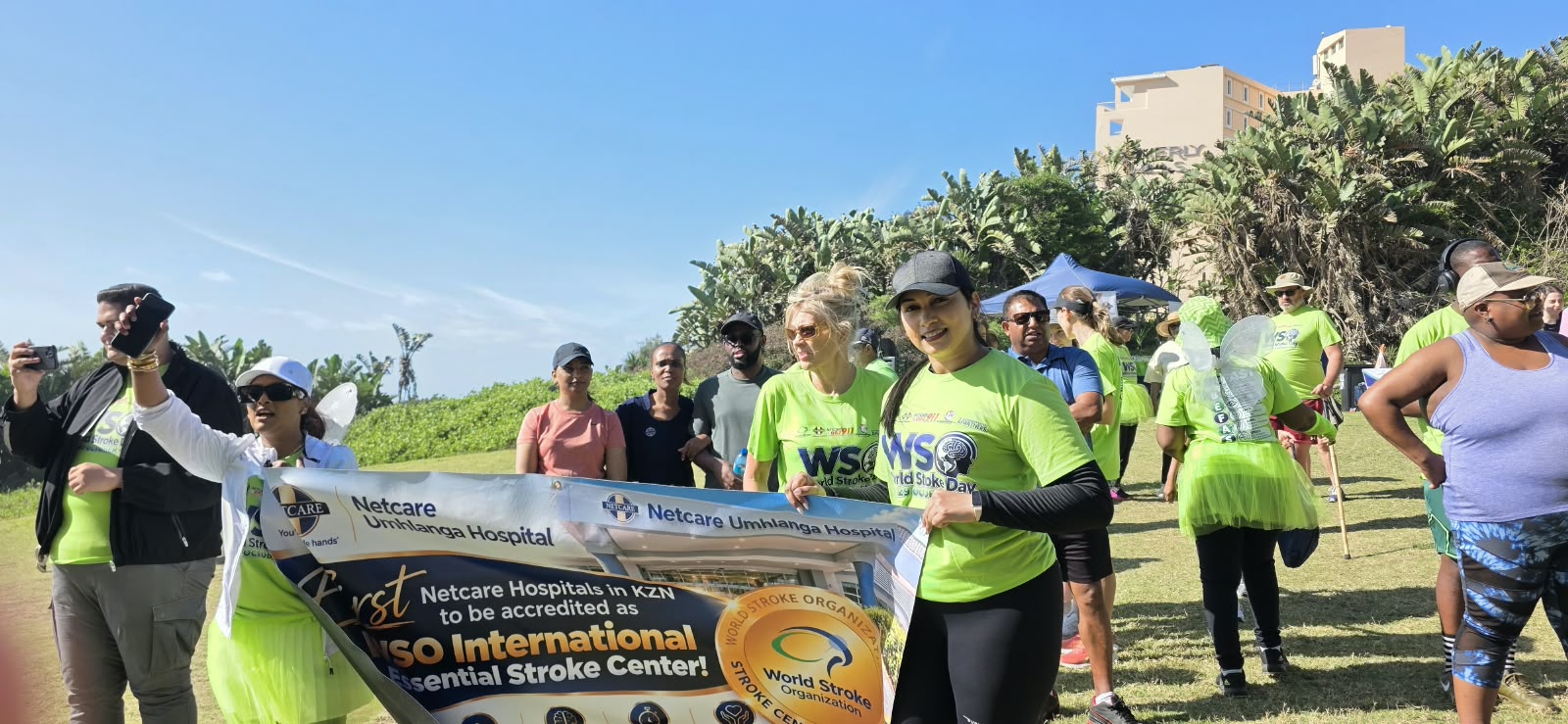
Eventually, I reached the parkrun venue. But alas, the event had concluded. The runners had finished their course, the walkers had completed their journey, and the excitement of the morning was settling into the familiar rhythm of an ordinary Saturday.
It was there I met Dr Patty Francis who had devoted years to helping establish and develop our stroke service. “Well, the event is over,” she remarked. And indeed, it was. But for me, the day had somehow only just begun.
Together, we slowly made our way uphill towards our vehicles, returning to the familiar demands of everyday life. The urgency had passed. The crowds had dispersed. The work continued. I had missed the run. I had missed the finish. But as I reflected on the morning, disappointment gave way to appreciation. For the colleagues who had given their Saturday morning. For those who walked, those who ran and those who participated simply by being present. Because this was never really about completing five kilometres. It was about celebrating stroke survivors and recognising journeys far more demanding than any morning run. It was about helping communities recognise stroke symptoms and understand why seeking emergency care without delay matters. And it was about acknowledging that stroke awareness is not the responsibility of healthcare professionals alone. It is a collective endeavour. Every individual has a role. Every contribution matters. The runner raising awareness, the nurse preparing for an emergency, the casualty officer responding to a patient, the laboratory technician standing ready. Different contributions, but one shared commitment.
As we returned to our vehicles, I thought about the extraordinary irony of the morning. We had gathered to run for a cause. Some had completed their journey along the beautiful Umhlanga coastline. Others had found themselves travelling in an entirely different direction. Yet we had all been moving towards the same purpose. I had missed the parkrun. But I had not missed what we were running for.


