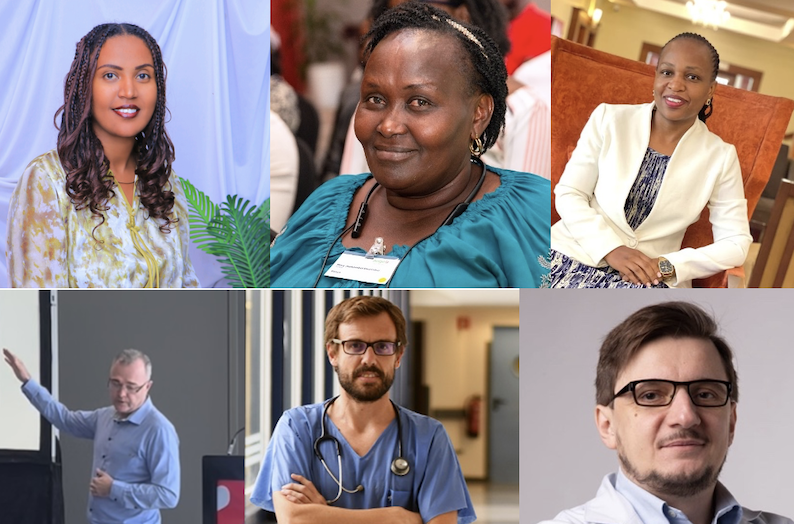
Dr Eskedar Seleshie Demessie
Internal Medicine Specialist
Feleghiwot Comprehensive Specialized Hospital
Bahirdar, Ethiopia
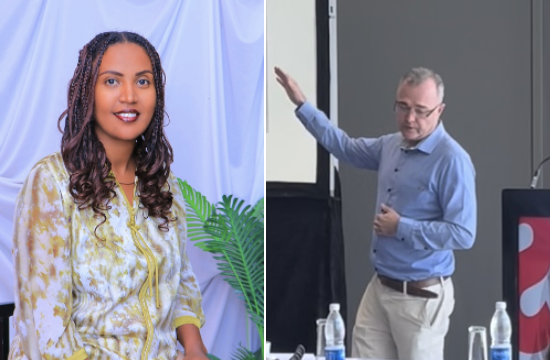
Her mentor: Dr De Vries Basson, Physician (Internal Medicine), Mediclinic Durbanville, South Africa, and Head of Internal Medicine at Karl Bremer Hospital.
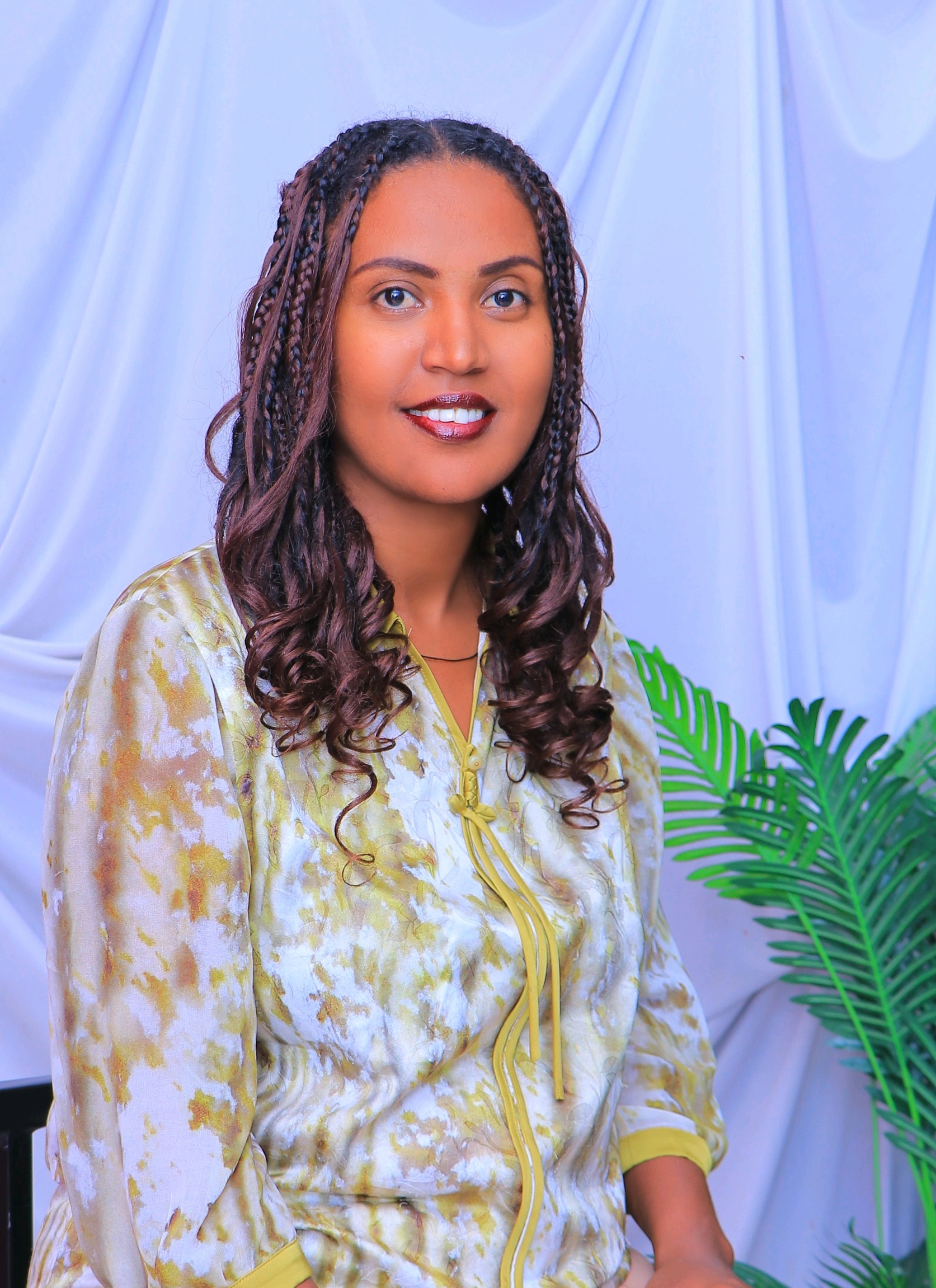
Eskedar’s story: “I think differently about leadership and change”
I was born and raised in Ethiopia. My mother is a teacher and my late father was a history and geography teacher, who later became a lawyer and a talented songwriter. My family deeply valued education, service and community engagement. As children, my late father would regularly challenge us to learn world maps, countries, capitals and flags, inspiring us to develop a global outlook from an early age.
Beyond his professional work, he was actively involved in community development and public health initiatives. He started leading and supporting HIV/AIDS awareness and prevention campaigns in the early 2000s. He also published a magazine focused on HIV care and authored a small educational book that addressed treatment adherence, encouraging people to take their medication while maintaining their spiritual practices. In high school, I served as an editor for the magazine and helped translate articles from English into Amharic, making information more accessible to local communities
Through these initiatives, I was exposed to health care sector from an early age.
I chose medicine because I was able to witness firsthand the profound impact that illness has on individuals and families, as well as the significant shortage of physicians in my community. I obtained my medical degree from Mekelle University, and completed my post graduate degree in Internal Medicine at Bahirdar University.
I now serve as senior internal medicine physician at Felegehiwot Comprehensive Specialized Hospital in Bahirdar. Alongside my clinical role, I serve as department head of internal medicine and lead stroke pathway development and stroke care quality improvement initiatives, participate in clinical research and mentor junior colleagues.
Stroke is the leading cause of mortality in my hospital. Many stroke patients don’t get evidence-based care because of system challenges and resource limitations. I realized that by preparing a designated area it was possible to provide a more organized and evidence-based care that would ultimately improve stroke care, and potentionally save more lives and reduce disability than individual clinical decision alone.
I heard about the Angels mentoring program while I was attending the 5th African Stroke Organization Conference in 2025.
My mentor is an excellent person , who had been in a similar situation about 10 year earlier in his hospital, and therefore understands our realities. From the beginning he was fully committed to making this work. We had weekly meetings and frequent discussions whenever challenges arose. Together we were able to decide on the direction that would make us successful and explore what this initiative could become.
We reviewed the need at our hospital and agreed on goals that were practical and measurable. We prioritized establishing a dedicated stroke corner as the foundation for a future comprehensive stroke unit by implementing evidence based stroke protocols, introducing NIHSS as a routine assessment tool, reducing preventable complications such as aspiration pneumonia and venous thromboembolism, developing clinical dataset and strengthening multidisciplinary collaboration.
While we have now successfully established a functional dedicated 12 bed stroke unit, introduced standardized protocols for acute and post-acute stroke management, and conducted coaching for professionals working in the unit, our work has just started. Over the coming months we aim to continue making the unit functional, expand staff training, introduce intravenous thrombolysis, and continue building the system essential for comprehensive stroke care.
Ultimately our vision is to establish one of Ethiopia’s leading comprehensive stroke center capable of delivering internationally benchmarked stroke care.
My mentor’s greatest contribution was helping me think differently about leadership and change. Rather than focusing on limitations, he encouraged me to identify opportunities, stay focused, prioritize achievable goals, identify small wins, and build from there.
His practical experience in developing stroke services, combined with his constant encouragement and feedback, strengthened my confidence and emphasized the importance of teamwork, resilience and measuring progress as we go forward.
The program has expanded my international professional network, increased my confidence to lead institutional changes, and helped my long-term vision of helping establish a comprehensive stroke center in Ethiopia, while contributing to the broader stroke revolution across Africa.
Mary Jepkemboi Kwambai
Clinical Nurse Educator in the Emergency Department
Moi Teaching and Referral Hospital
Eldoret, Kenya
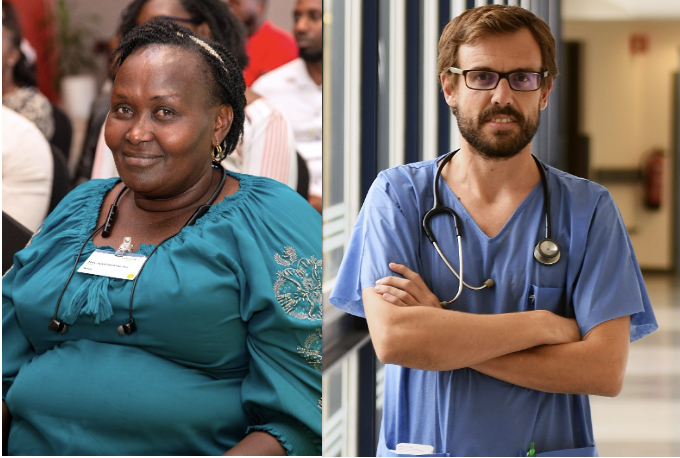
Her mentor: Dr Francisco Moniche, Head of the Neurology Department at Virgen del Rocio University Hospital and the Biomedicine Institute of Seville (IBiS) in Spain.
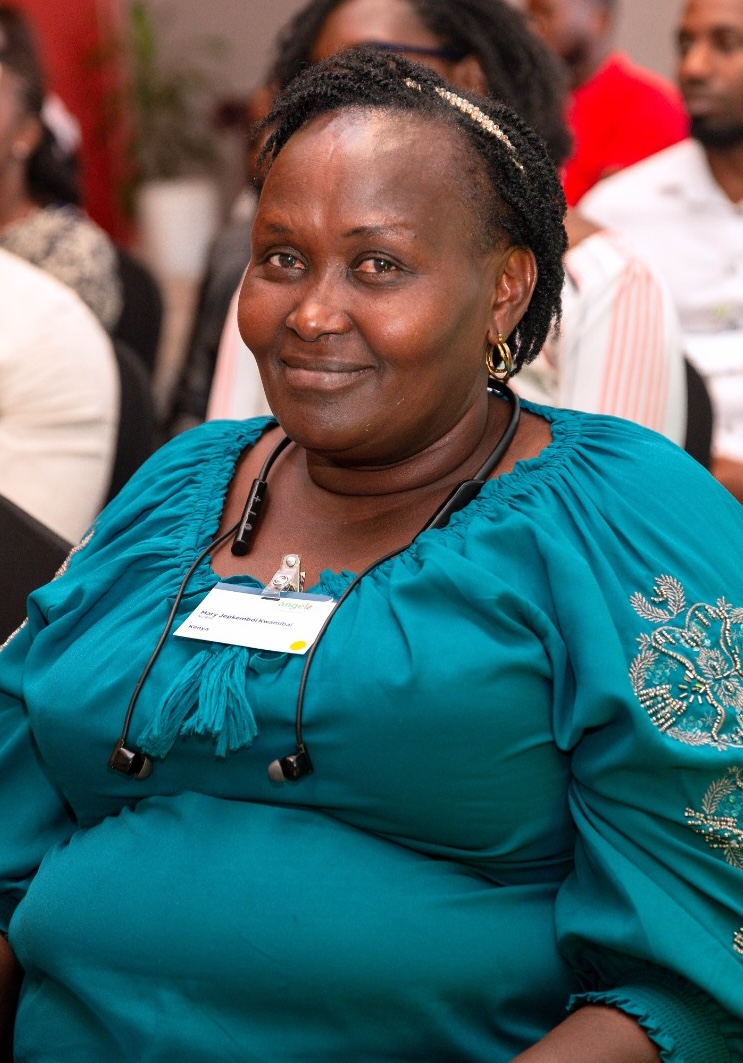
Mary’s story: “We share a passion for saving lives”
My journey began in Kaptilol, a remote village in the Kaptarakwa area of Elgeyo Marakwet County, Kenya. Raised by hardworking farmer parents, my upbringing was anchored in a strict Christian faith and profound generosity. In a place where material wealth was scarce, my parents taught me that true abundance is measured by what you give away.
I completed my secondary education St. Agatha Mokwo Girls High School in 1994 and in 1999 graduated from Kenya Medical Training College as a Kenya Registered Community Health Nurse.
For the next ten years, I worked on the frontlines of healthcare in various departments, managed scarce resources, comforted grieving families, and led clinical teams with deep determination. After 10 years of service I went back to college. I earned a Bachelor of Science in Nursing and a Master’s degree in Maternal and Neonatal Health from the Moi University College of Health Sciences, Kenya.
My clinical career is defined by over two decades of dedicated service at Moi Teaching and Referral Hospital (MTRH). For the past ten years, I have anchored the high-stakes environment of the Emergency Department as a Clinical Nurse Educator, managing and teaching critical care protocols for medical, surgical, and gynecological emergencies.
My special interest in stroke care stems directly from my roots in Kaptilol village and my decade of experience in the MTRH Emergency Department. As a young girl, I always had a deep desire to care for the vulnerable, often helping the elderly in my community. When I became an Emergency Clinical Nurse Educator, I saw firsthand how devastating a stroke can be to elderly patients and their families. Witnessing the immediate, life-changing impact that rapid triage and the FAST protocol can have on a patient’s survival and recovery sparked my passion.
My goal is to ensure that no matter how remote a patient’s background is, they receive immediate, high-quality, and time-sensitive care the moment they reach the hospital
I first learned about the stroke mentorship program through the Angels Initiative website and during the 2025 Angels Day in Kenya. I was prompted to apply by the urgent need to bridge the gap between advanced stroke guidelines and frontline emergency nursing.
Our very first physical meeting was a landmark moment, held in Nairobi Pullman hotel, in February 2026. Prior to this, my mentor and I had already laid a solid foundation using Zoom meetings and email exchanges to align our vision and share our core mentorship objectives. However, meeting face-to-face truly solidified our bond as a team.
My mentor, Dr. Francisco Moniche, showed absolutely no hesitation in working closely with me as a nurse. Despite our different countries, cultures, and clinical roles, we shared an immediate, mutual passion for saving lives. Together, we analyzed the specific operational needs of MTRH and mapped out precise, realistic objectives that focused on using the FAST protocol to optimize emergency triage to reduce door-to-needle times, and the FeSS protocol which drastically reduces post-stroke complications and mortality.
Beyond clinical training, Dr Moniche and I prioritized public awareness strategies, designing approaches to educate the community surrounding Uasin Gishu counties.
Initially, I was a bit nervous about the cross-cultural and multi-disciplinary dynamics. I wondered how a doctor from Spain would relate to a nurse working in Kenya, and whether our different healthcare systems would create gaps in communication or strategy.
Dr Moniche helped me navigate operational hurdles, completely transforming my perspective on change management. Whenever I felt overwhelmed by institutional resistance, he reminded me that systemic change is an iterative process that requires patience, data, and steady leadership.
He taught me to view barriers not as dead ends, but as data points to refine our strategy. Instead of demanding immediate perfection, Dr Moniche showed me how to break down complex protocols into smaller, digestible training modules for my staff.
Beyond the clinical protocols and medical sciences, this mentorship program served as a profound master class in personal and professional growth. It completely reshaped my understanding of global collaboration, operational discipline, and human connection.
Dr Dorice Lucas Shangali
Physician and coordinator of stroke care activities
Bugando Medical Centre,
Mwanza, Tanzania.
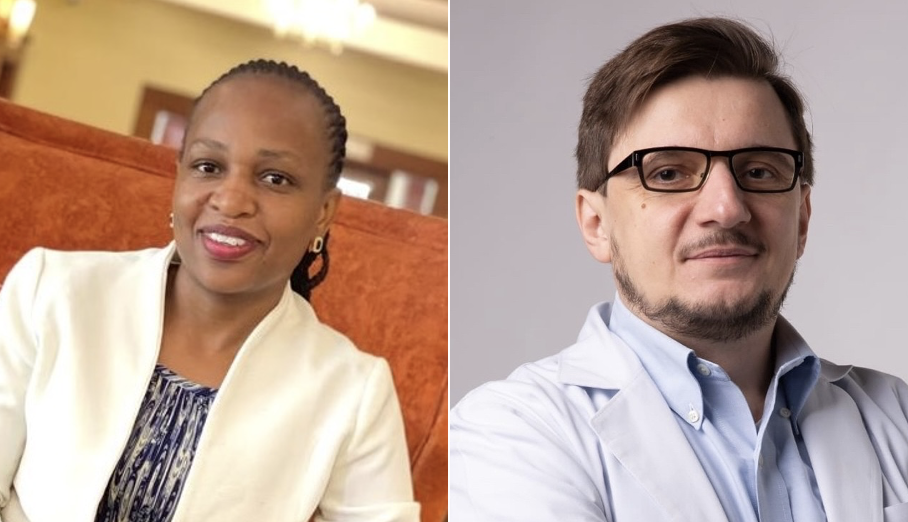
Her mentor: Dr Dmytro Lebedynets, Ukrainian neurologist, head of the Stroke Center at Feofania Hospital in Kyiv, associate professor at Kharkiv National University, and founder of the Ukrainian Stroke Medicine Society.
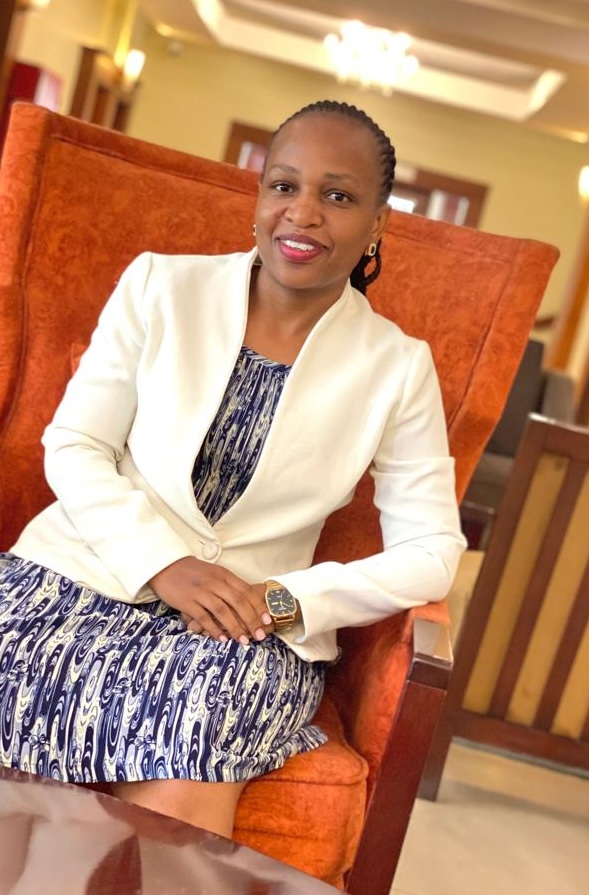
Dorice’s story: “My mentor’s support quickly built my confidence”
I was born in Rombo District, Kilimanjaro Region, Tanzania, and raised in a supportive and disciplined family. My parents placed a strong emphasis on education, hard work, and compassion for others. Growing up in such an environment encouraged me to pursue my academic goals with determination. I completed my primary and secondary education at Kilimanjaro Region in Tanzania.
My motivation to study medicine came from a personal family experience. My sister frequently suffered from illnesses throughout her childhood, and watching her struggle I realised how much skilled healthcare professionals can change people's lives. I wanted to become someone who could help patients suffering from illnesses, especially those with limited access to quality healthcare. I earned my Doctor of Medicine degree from Kilimanjaro Christian Medical College in Tanzania.
Since 2024, I have worked as a physician and coordinator of stroke care activities in the neurology unit (which falls under the internal medicine department) at Bugando Medical Centre in Mwanza.
My interest in stroke developed through my clinical practice, where I witnessed the devastating impact stroke has on patients, families, and communities. I recognised that many stroke-related disabilities could be prevented or reduced through timely diagnosis, evidence-based treatment, and effective rehabilitation. This motivated me to improve my knowledge and contribute to better stroke care.
I first learned about this mentorship programme through my academic role model, Dr. Sarah Matuja, who is currently a stroke care project lead in Tanzania. I also came across information about the programme on the Angels Initiative website. I was motivated to participate because our hospital received a donation of thrombolytic medications for the treatment of acute ischaemic stroke. Despite having these life-saving medications available, many eligible patients arrive too late from home or are referred late from other hospitals, limiting their use. I wanted guidance and mentorship on implementing evidence-based acute stroke care, optimising the appropriate use of these valuable and expensive medications, and improving access to timely treatment for more patients in our community.
I expected to gain advanced clinical knowledge, practical guidance on stroke management, research skills, leadership experience, and professional networking opportunities with experts in stroke medicine.
My first meeting with my mentor was welcoming and encouraging. Dr Lebedynets created an open environment where I felt comfortable discussing my goals and learning needs. He was supportive, approachable, and genuinely interested in helping me develop professionally.
Together, we identified my strengths and areas that required improvement. We established realistic and measurable goals focused on enhancing my clinical knowledge of stroke, improving patient management, strengthening research skills, and expanding my professional development.
Initially, I was concerned about whether I would meet the expectations of the programme and effectively balance my clinical responsibilities with the mentorship activities. However, my mentor’s support quickly built my confidence.
We communicated regularly through online meetings using platforms such as Zoom or Microsoft Teams, email, and WhatsApp. We also met physically once during Angels Day in Nairobi, Kenya, in February 2026. Each online meeting lasted approximately 30 minutes to one hour, allowing enough time for meaningful discussion and feedback.
The mentorship significantly improved my confidence in stroke diagnosis and management. It strengthened my clinical decision-making, broadened my understanding of evidence-based stroke care, and inspired me to become more involved in stroke education and quality improvement initiatives.
I believe my mentor gained greater insight into the challenges of providing stroke care in resource-limited settings. Through our discussions, he also learned about the realities of healthcare delivery in Tanzania and the innovative approaches clinicians use to overcome limited resources.
Beyond clinical knowledge, I learned the importance of leadership, effective communication, teamwork, professional networking, lifelong learning, resilience, and maintaining a patient-centred approach to healthcare.


