What happens when healthcare professionals across disciplines come together with one shared purpose: improving outcomes for stroke patients?
Over four days in Eldoret, we saw the answer in action.
From 10 - 13 August, the Angels Initiative partnered with Moi Teaching and Referral Hospital (MTRH), Eldoret Hospital, the Kenya Association of Physicians (Eldoret Branch), and the Kenya Stroke Society to host Kenya’s first regional multidisciplinary stroke management training.
Across two cohorts, 130 healthcare professionals came together to strengthen the full stroke pathway — from symptom recognition and emergency response to imaging, treatment, quality monitoring, rehabilitation, and recovery.
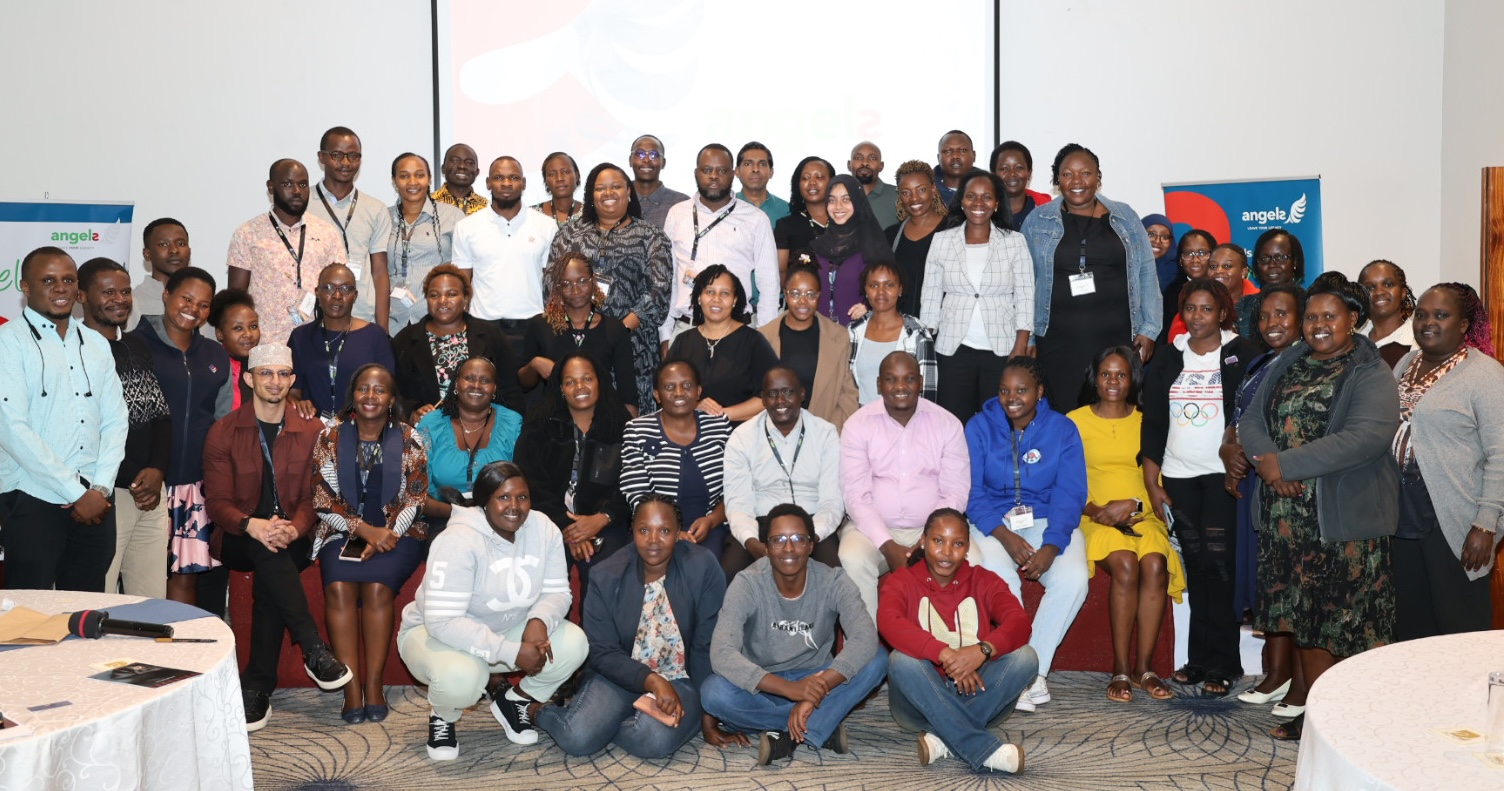
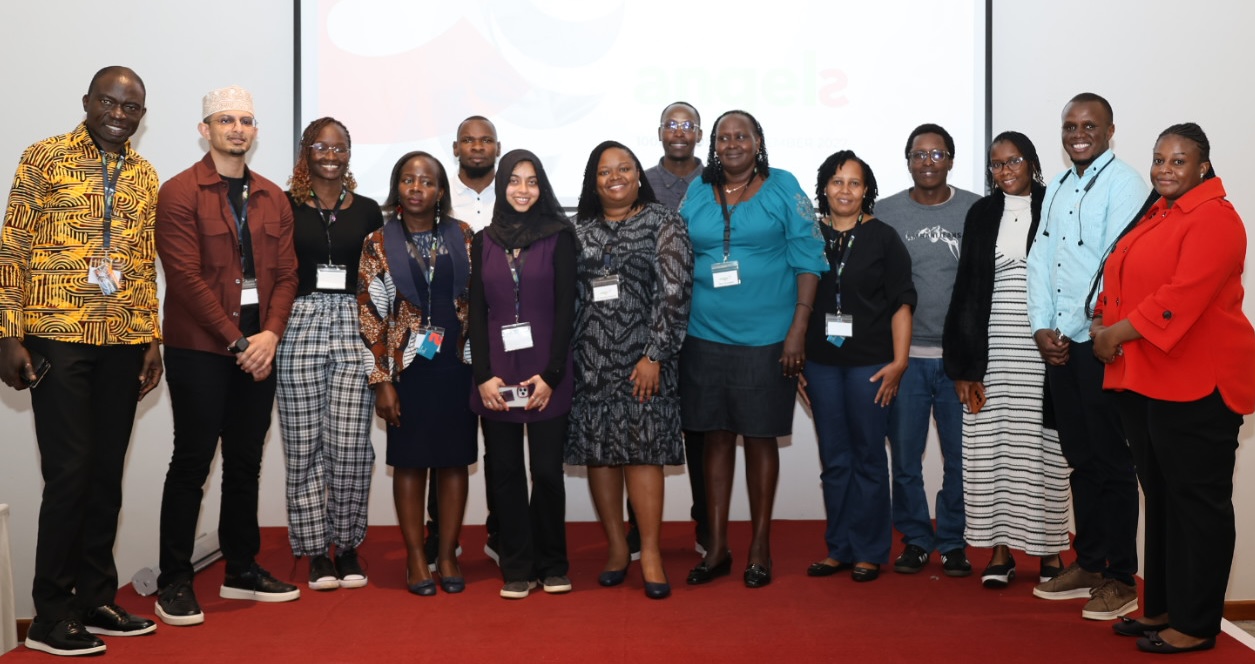
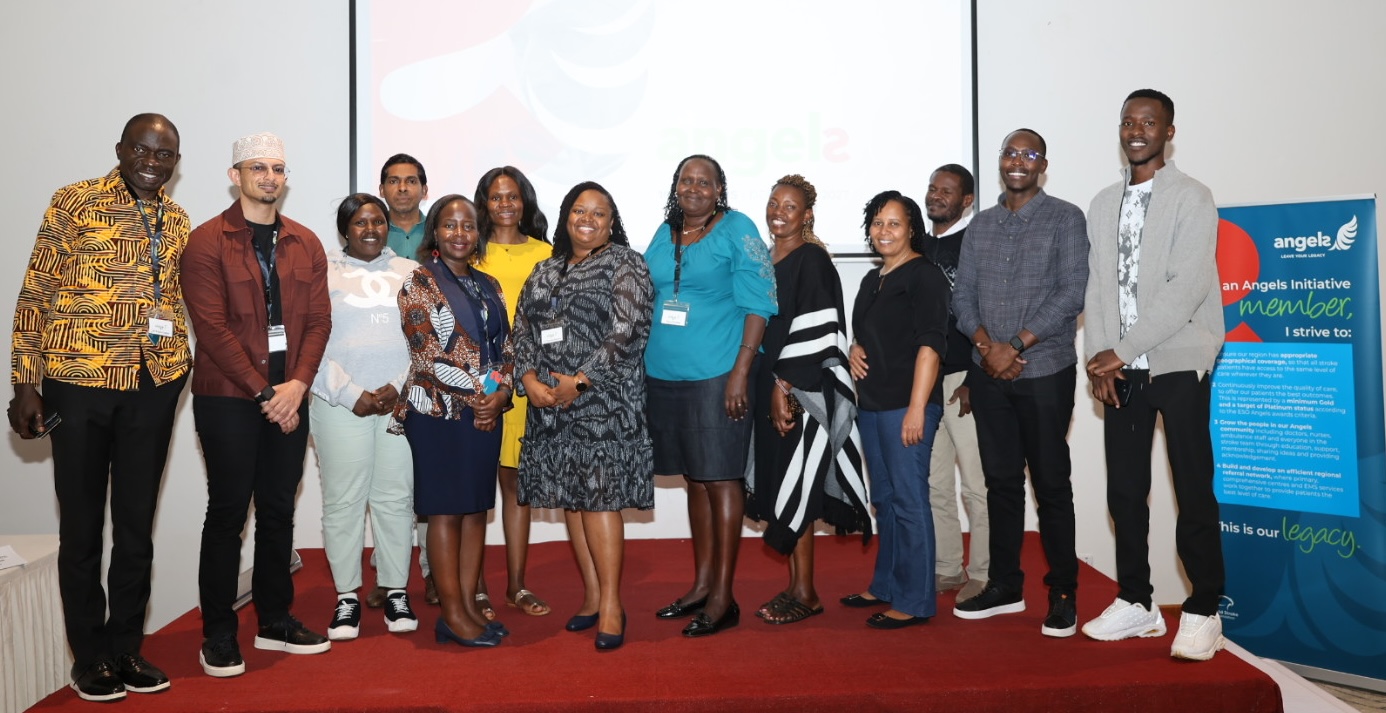
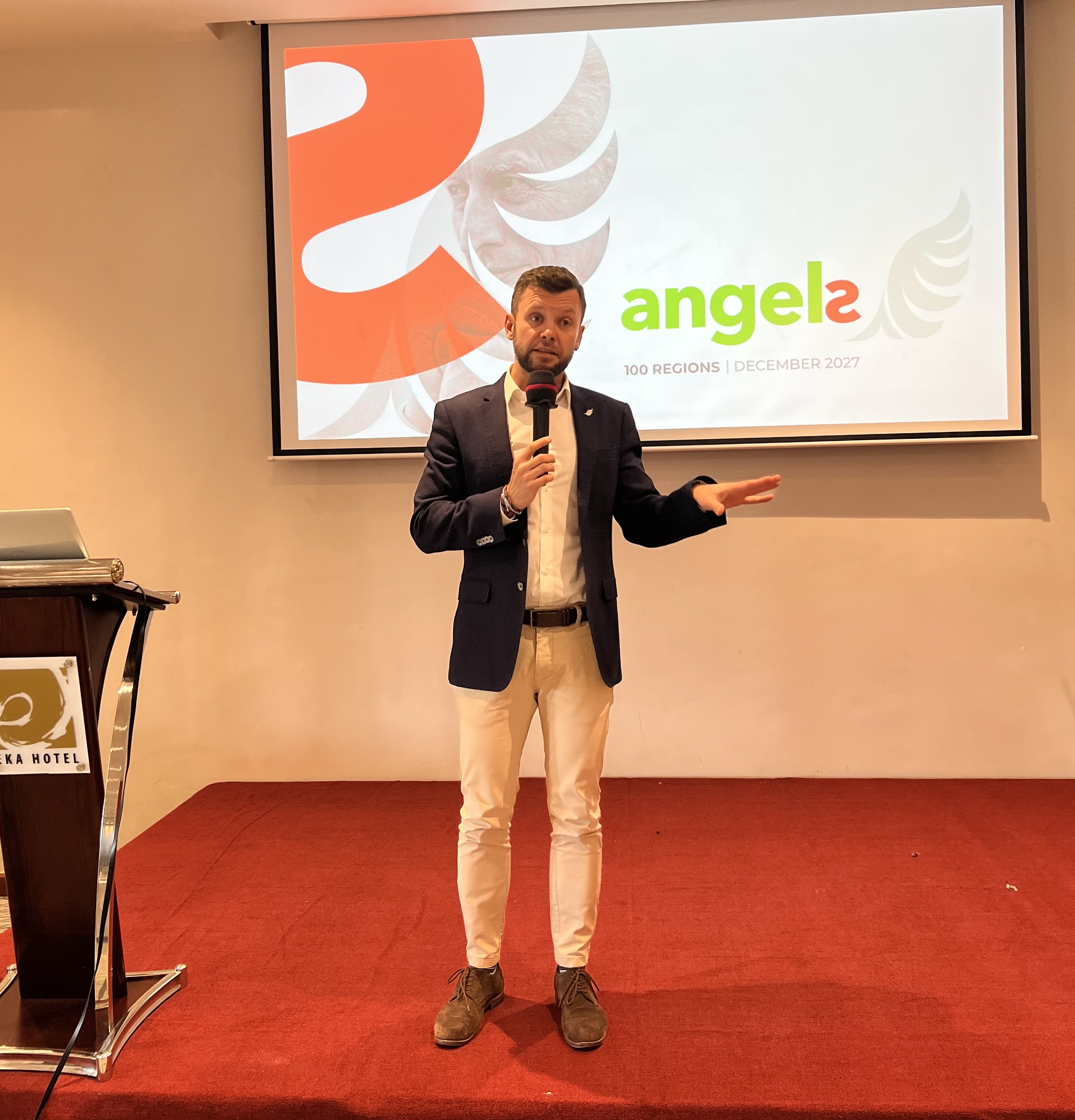
The training was opened by Dr. Andrew Wandera, Director of Clinical Services at MTRH, and Dr. Simiyu Tabu, Head of the Emergency Department at MTRH. We were also honoured to welcome Mateusz Stolarczyk, Angels Director of Integrated Systems & Strategic Partnerships, whose presence reinforced the momentum behind integrated stroke systems of care across Africa.
Led by Kenya Angels Consultant Dr Maureen Waweru, the programme was built around one powerful idea: stroke care is a team sport.
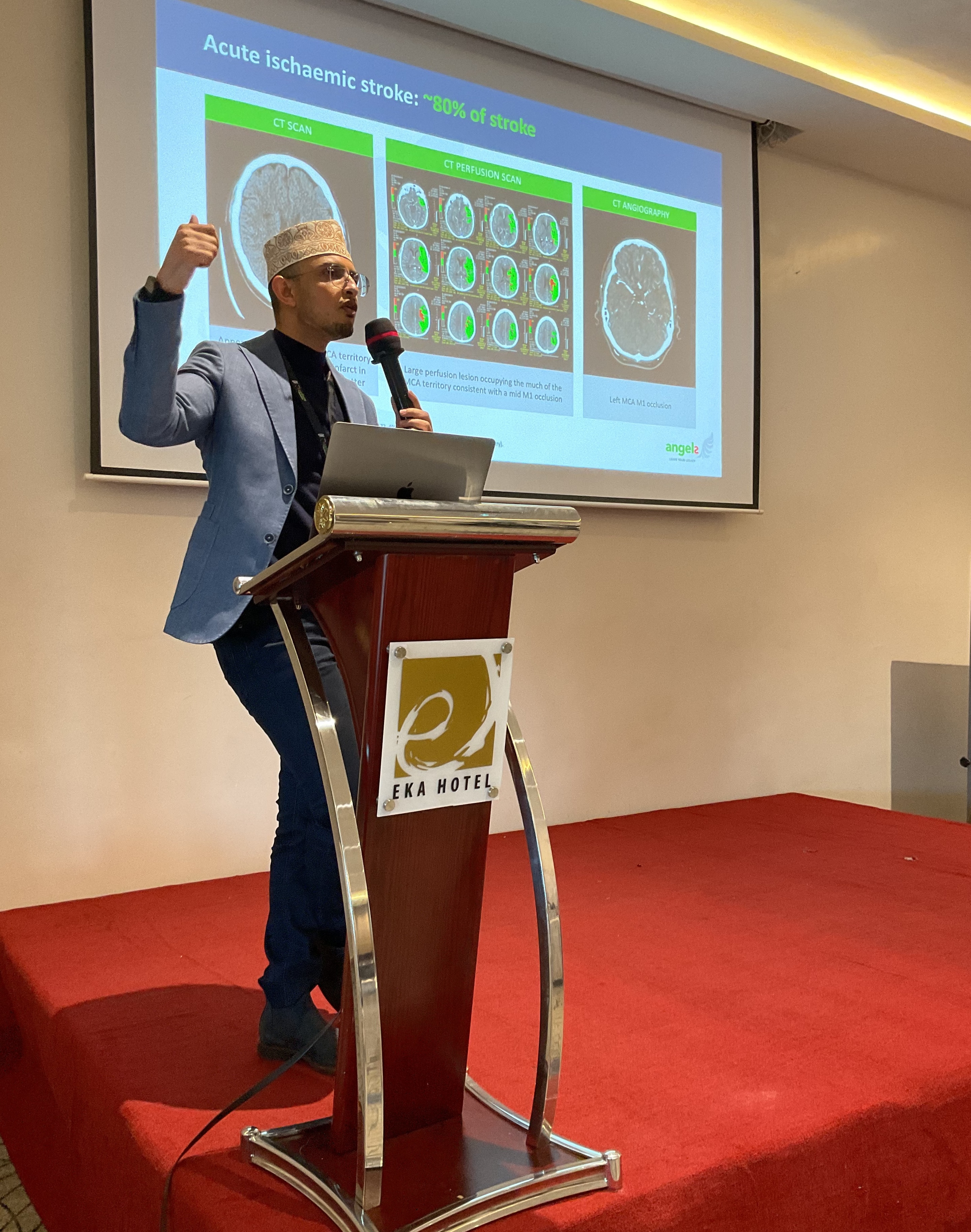
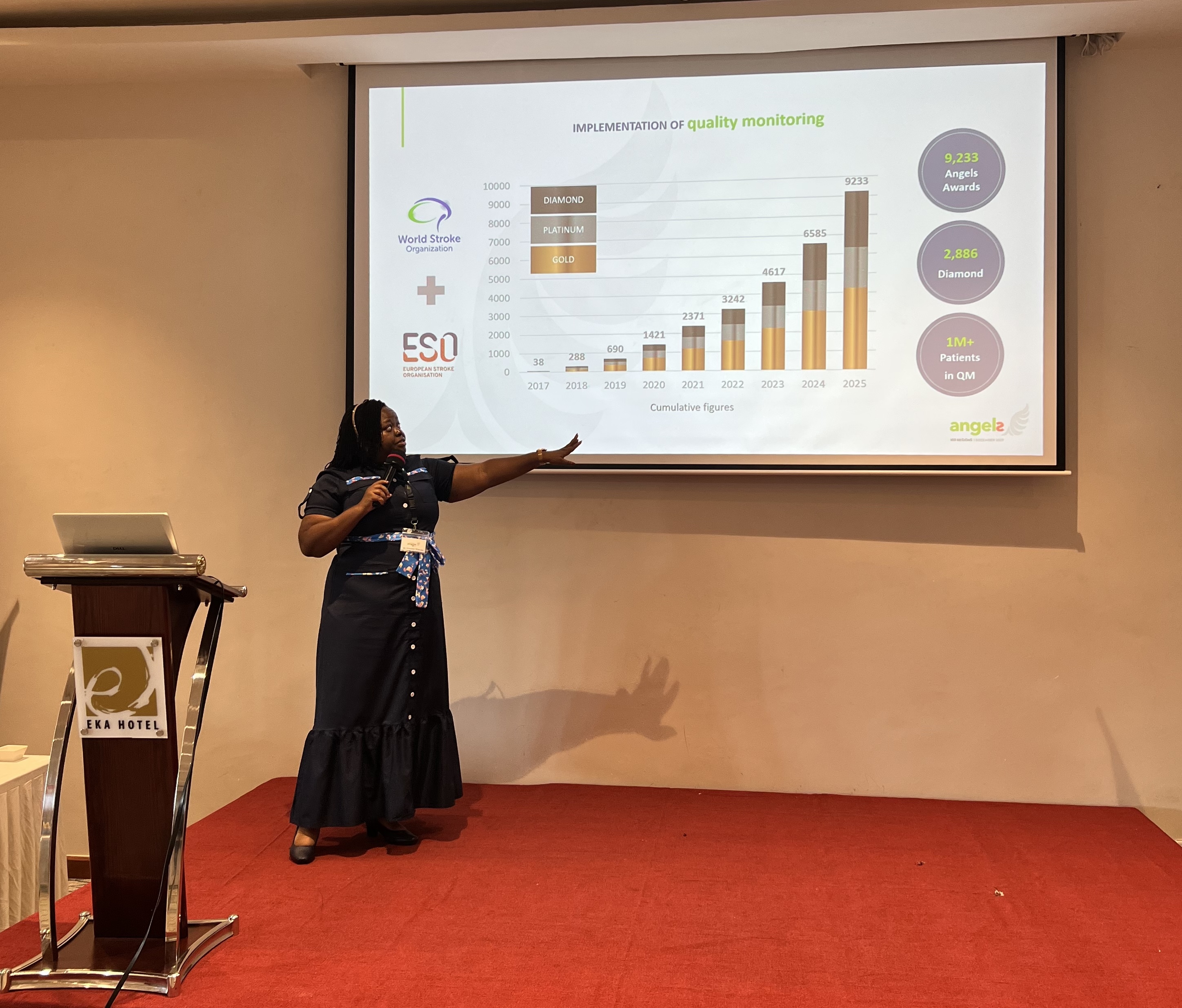
Every minute matters when a patient is having a stroke. Success depends not on one individual but on an entire system working together seamlessly. That is why participants explored every step of the stroke pathway, from emergency response and pre-notification to imaging, hyperacute treatment, quality monitoring, post-acute care, and rehabilitation planning.
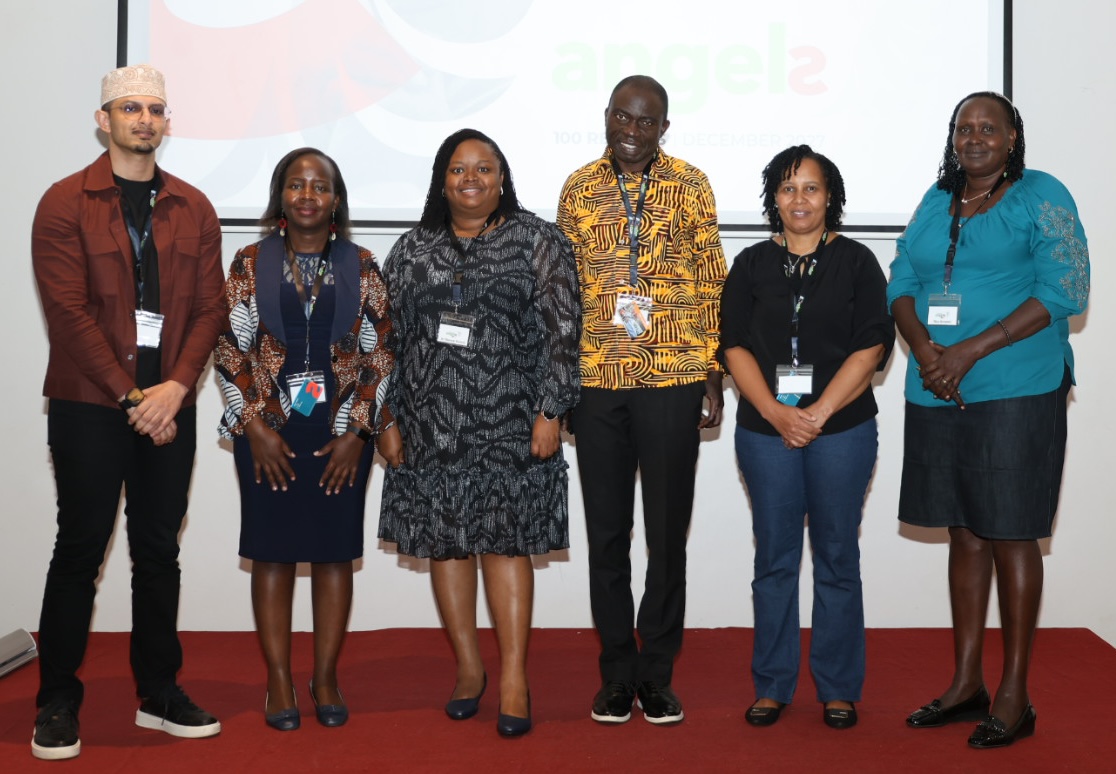
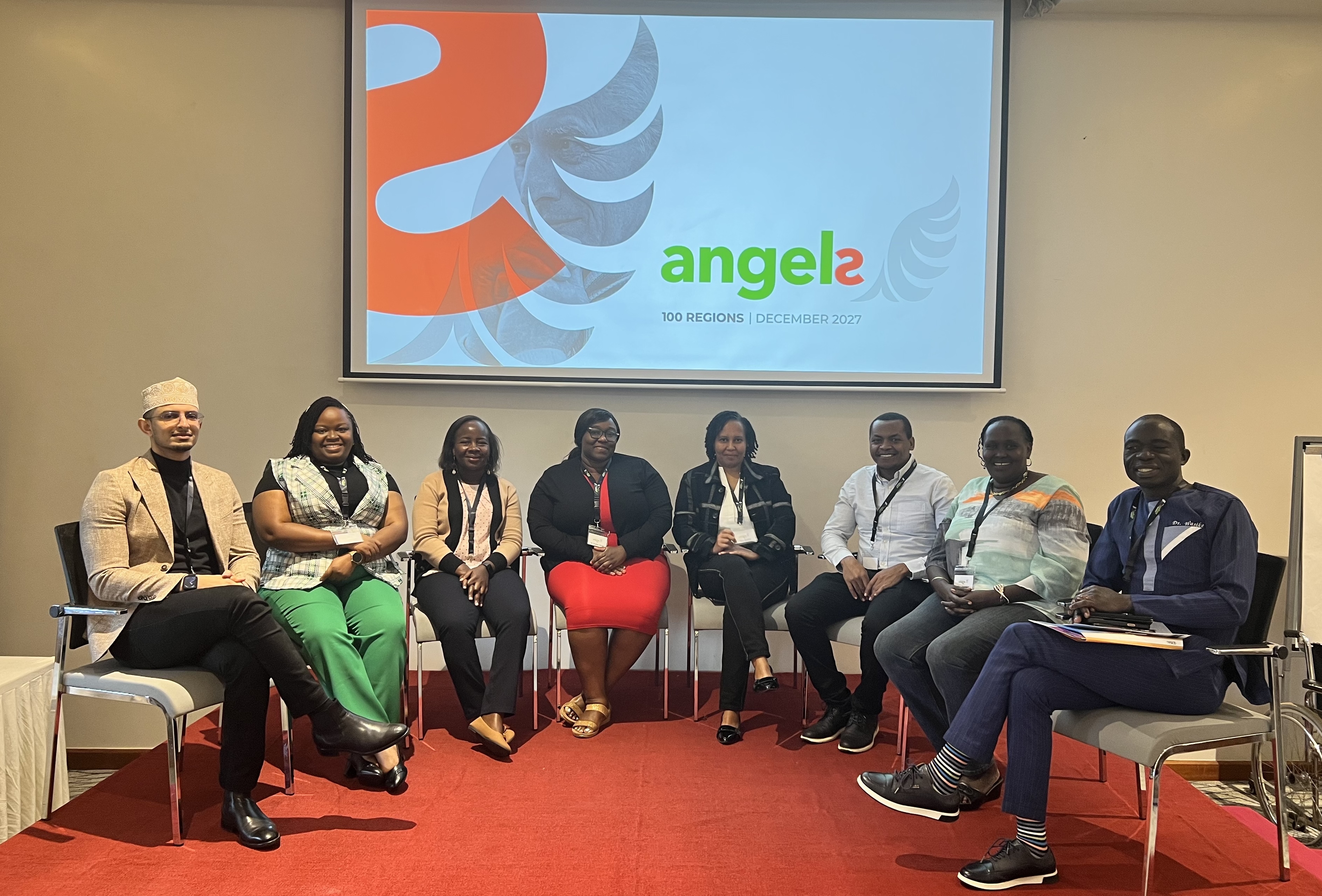
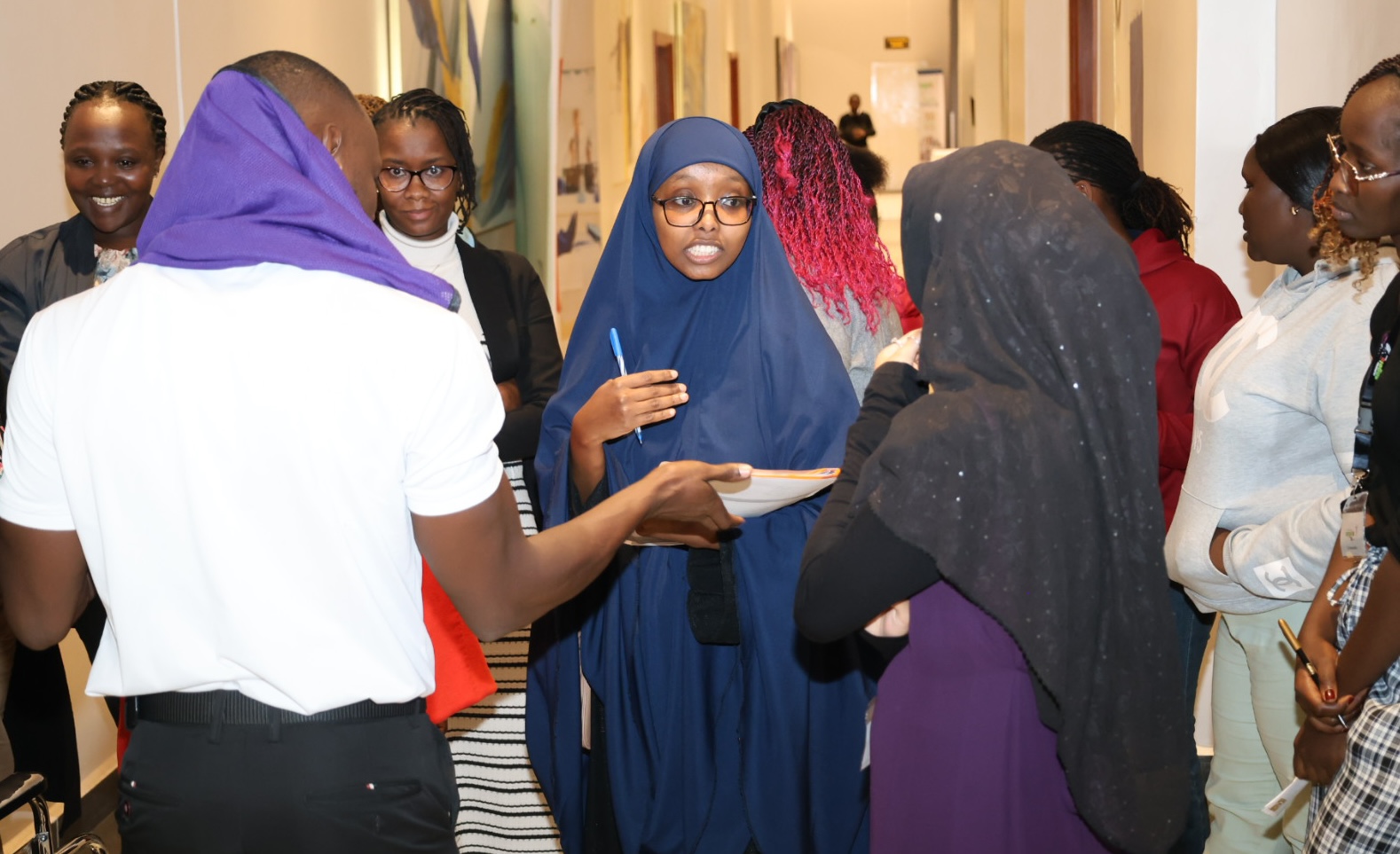
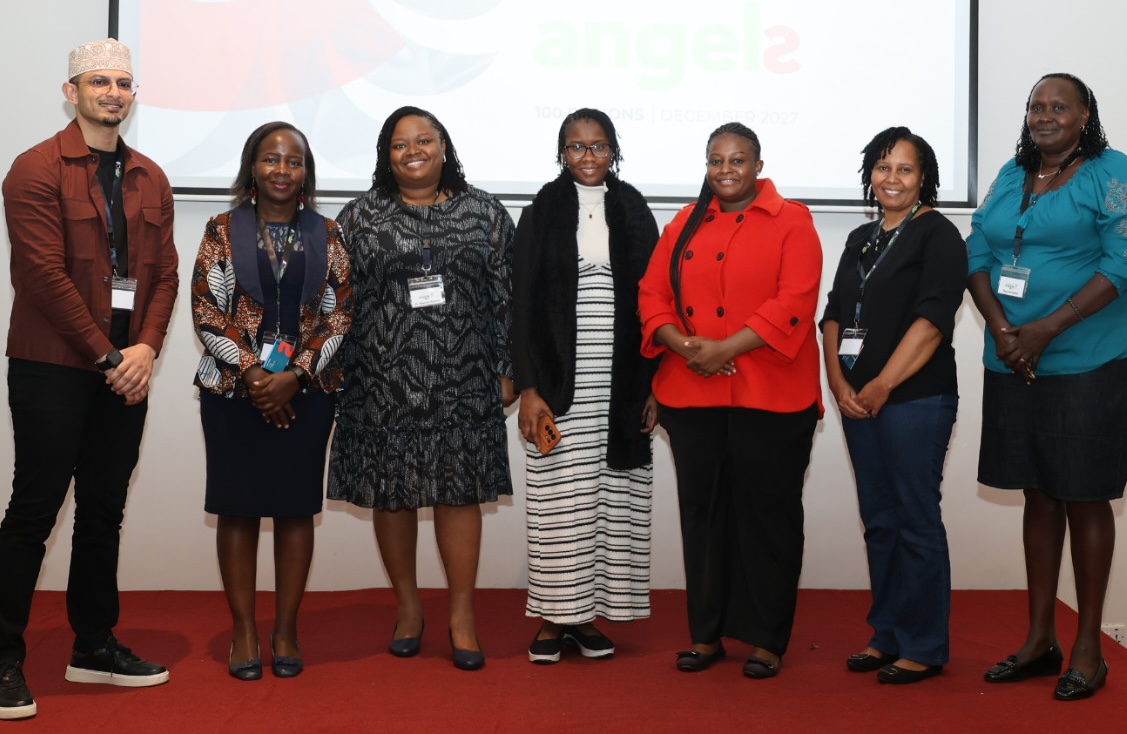
An interdisciplinary faculty including Dr. Daisy Korir, Dr. Jamil Said, Dr. Geoffrey Wasike, Dr. Peter Waweru, Dr. Matilda Wendo, Dr. Boen, Mary Kwambai, Mary Kemboi, and Dr. Maureen Waweru, shared practical insights from the frontline of stroke care.
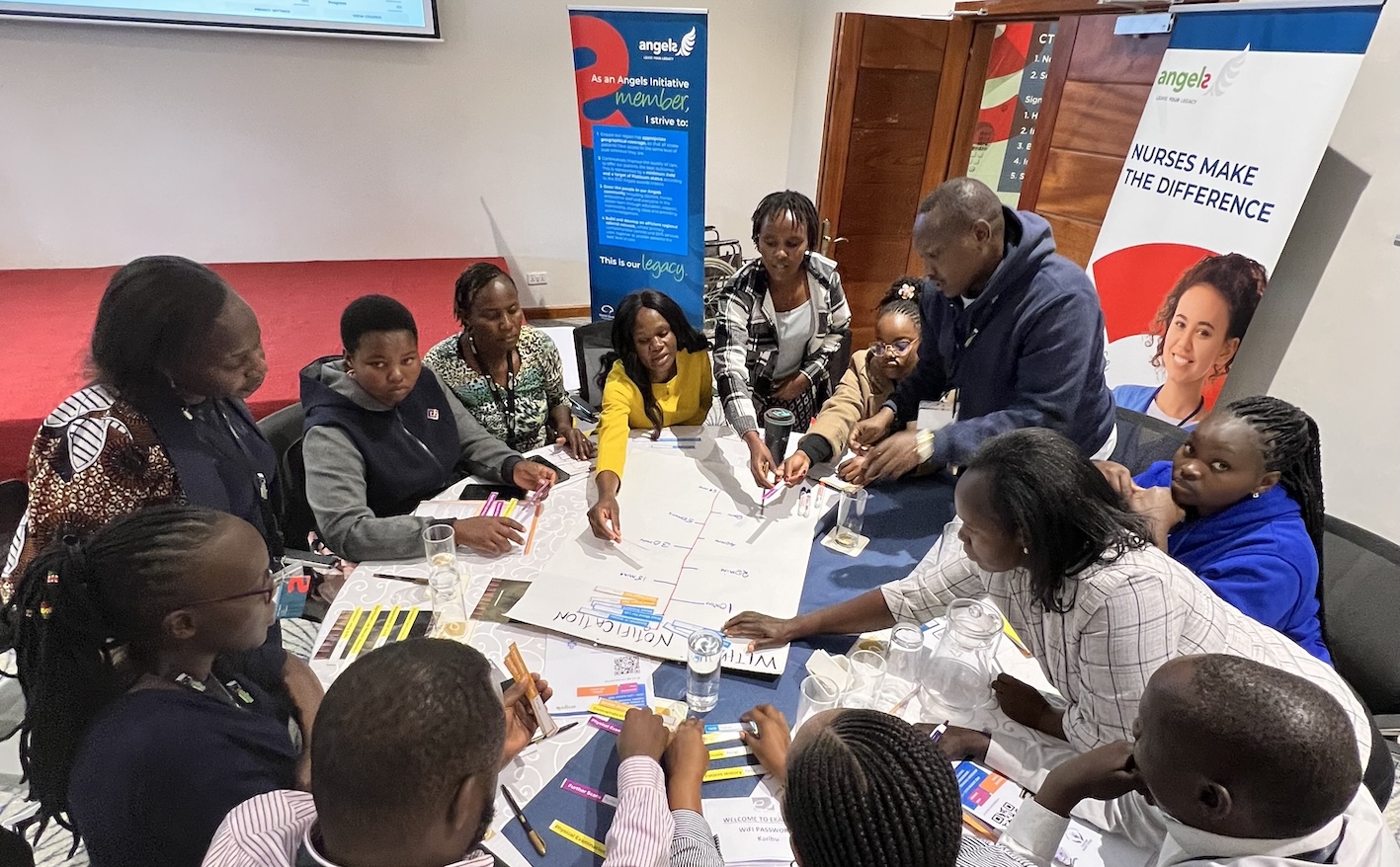
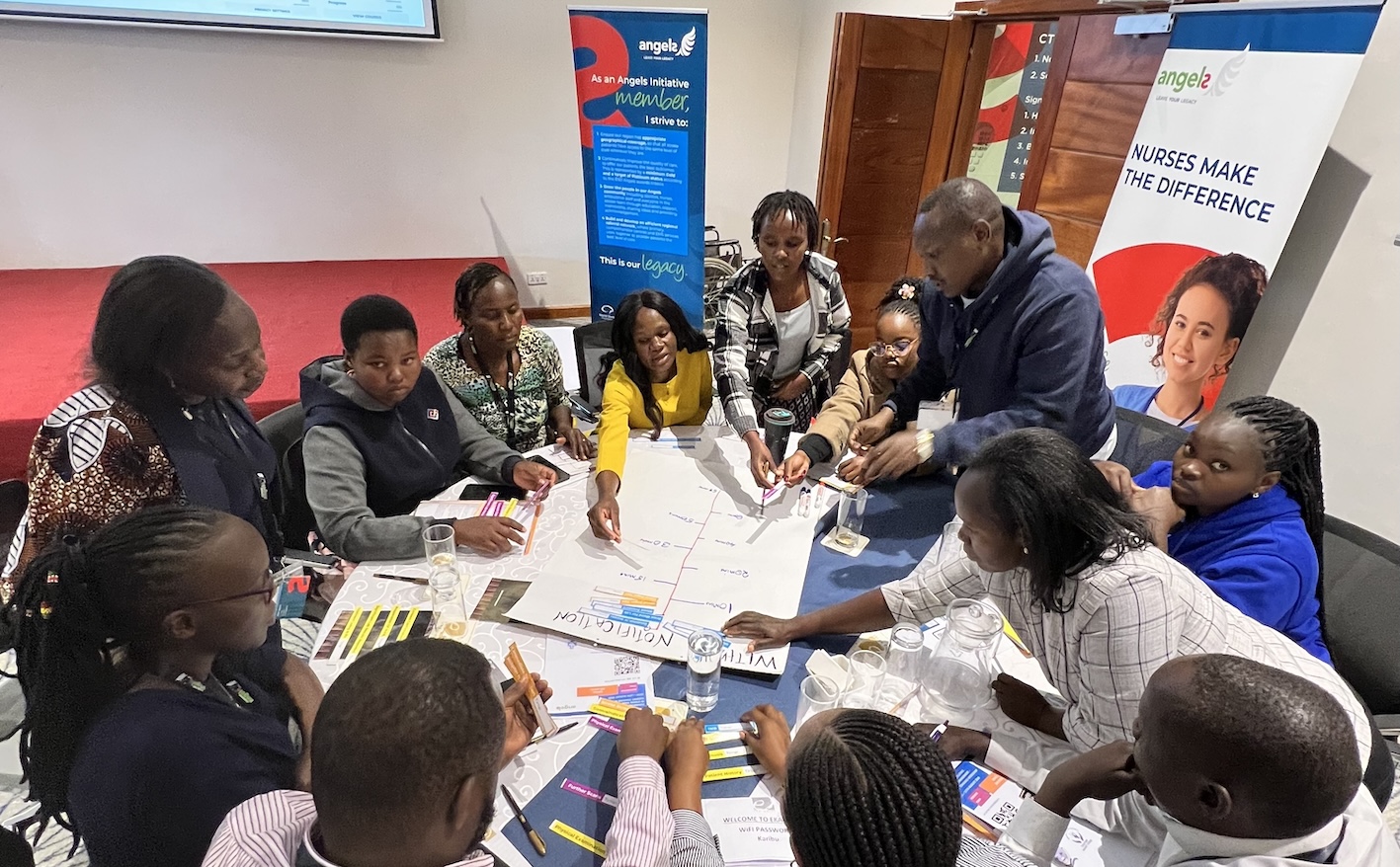
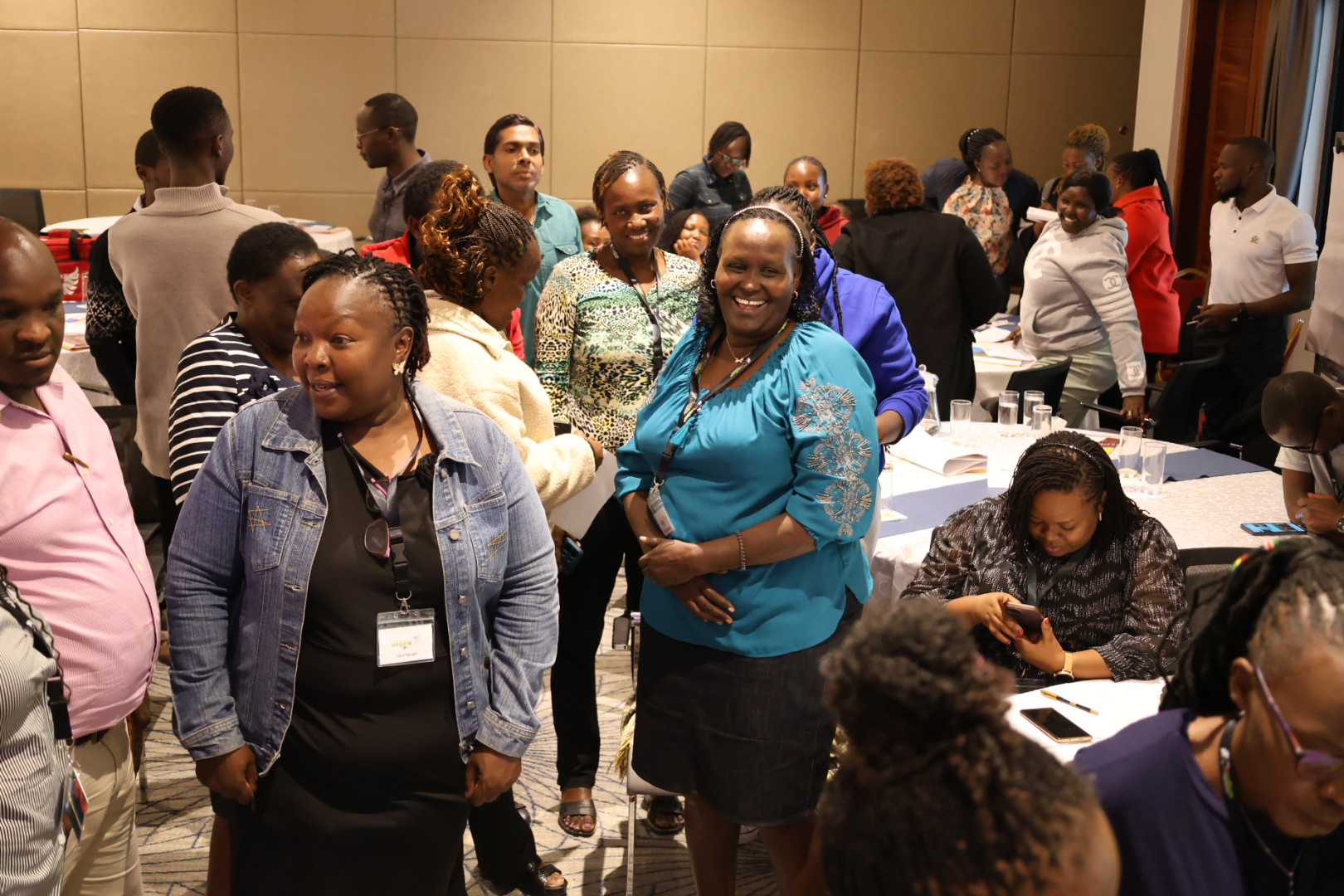
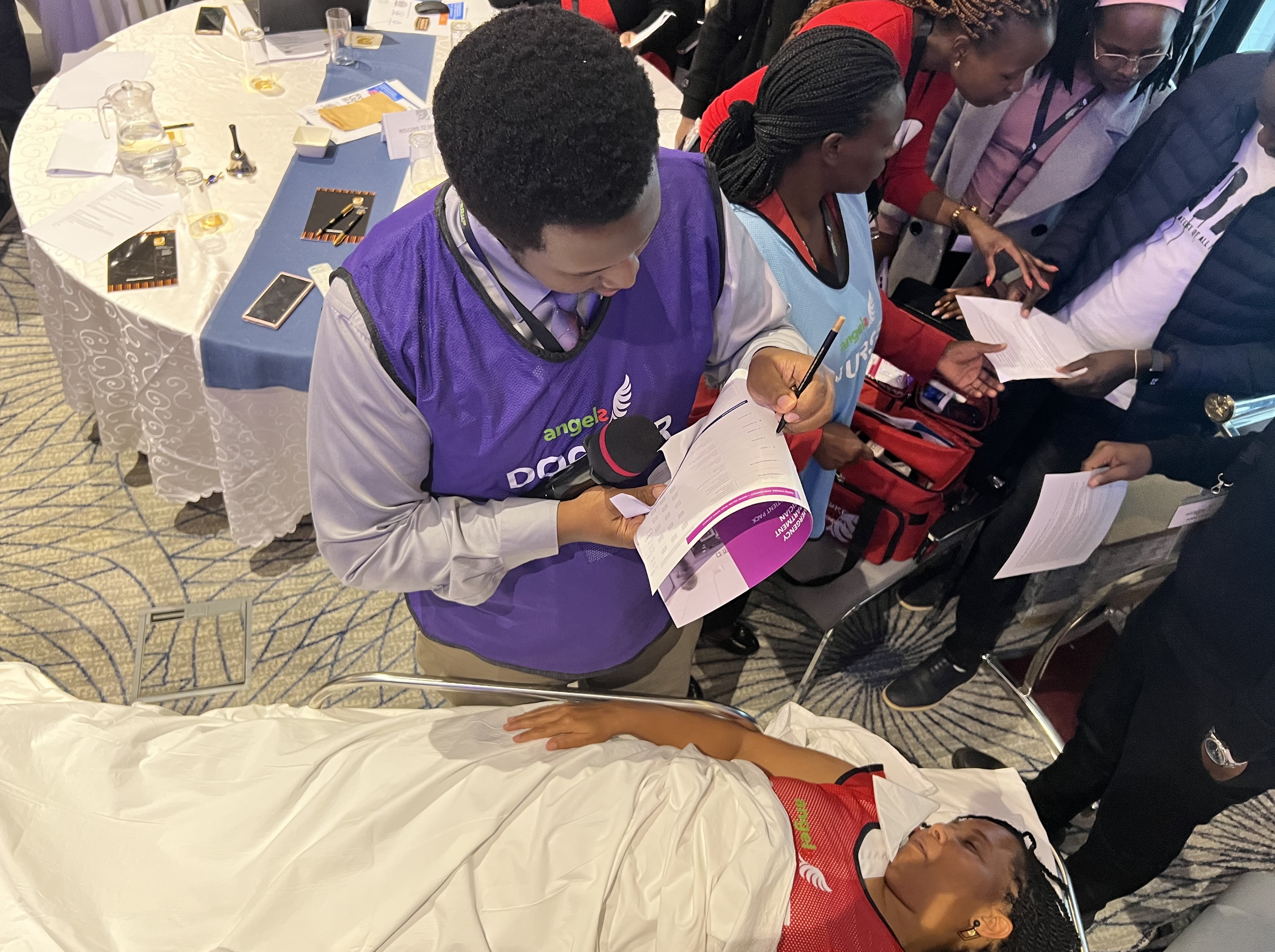
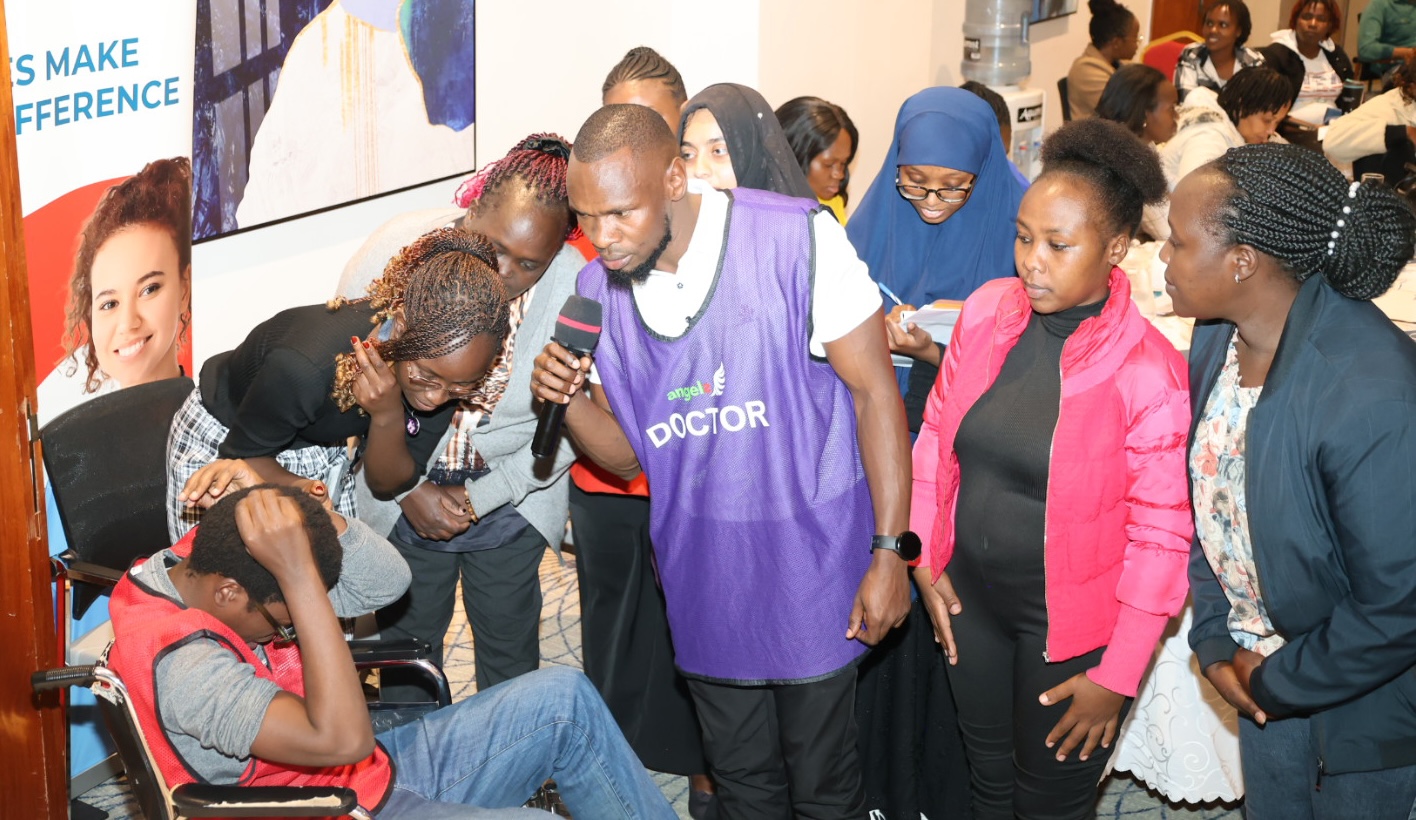
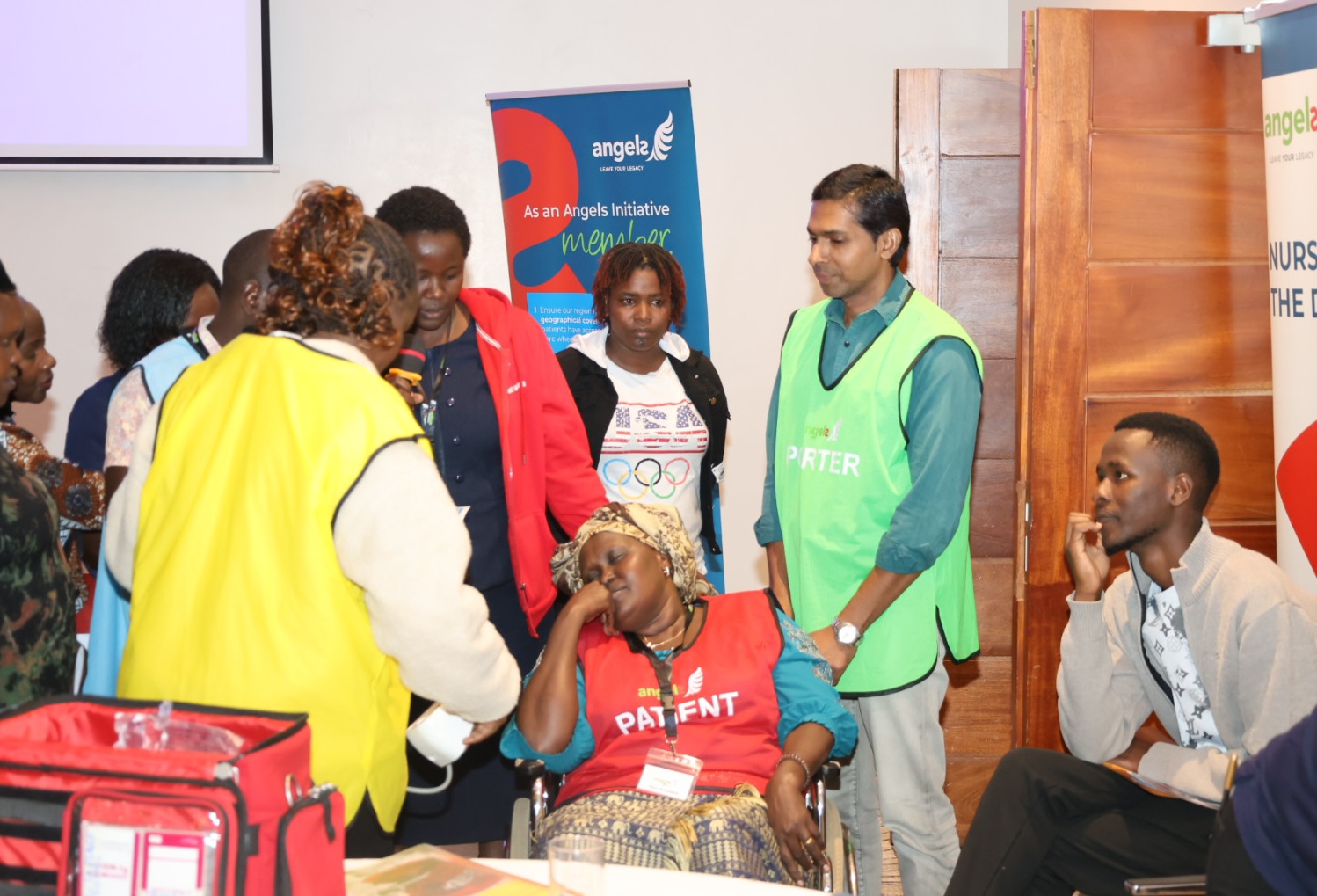
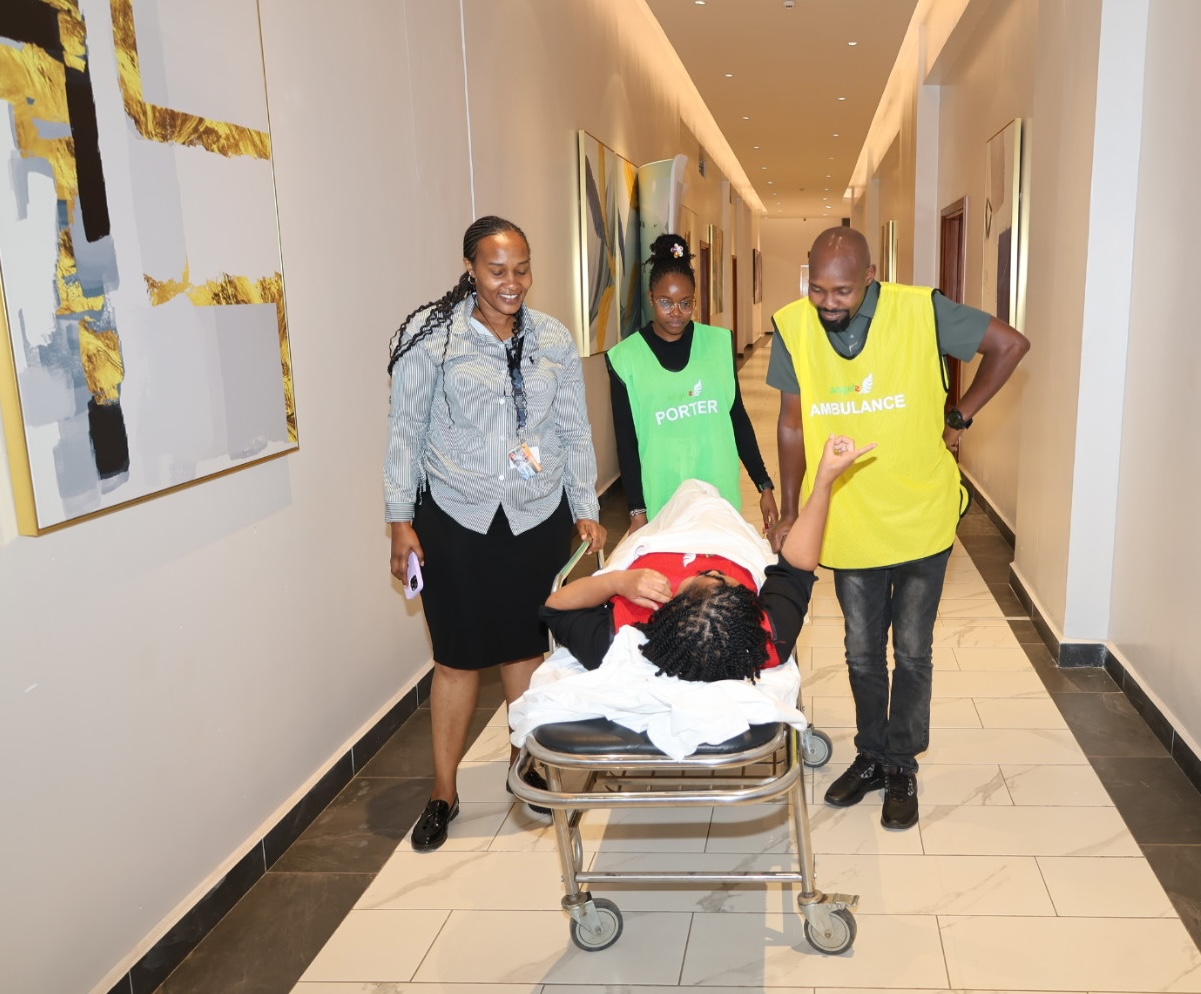
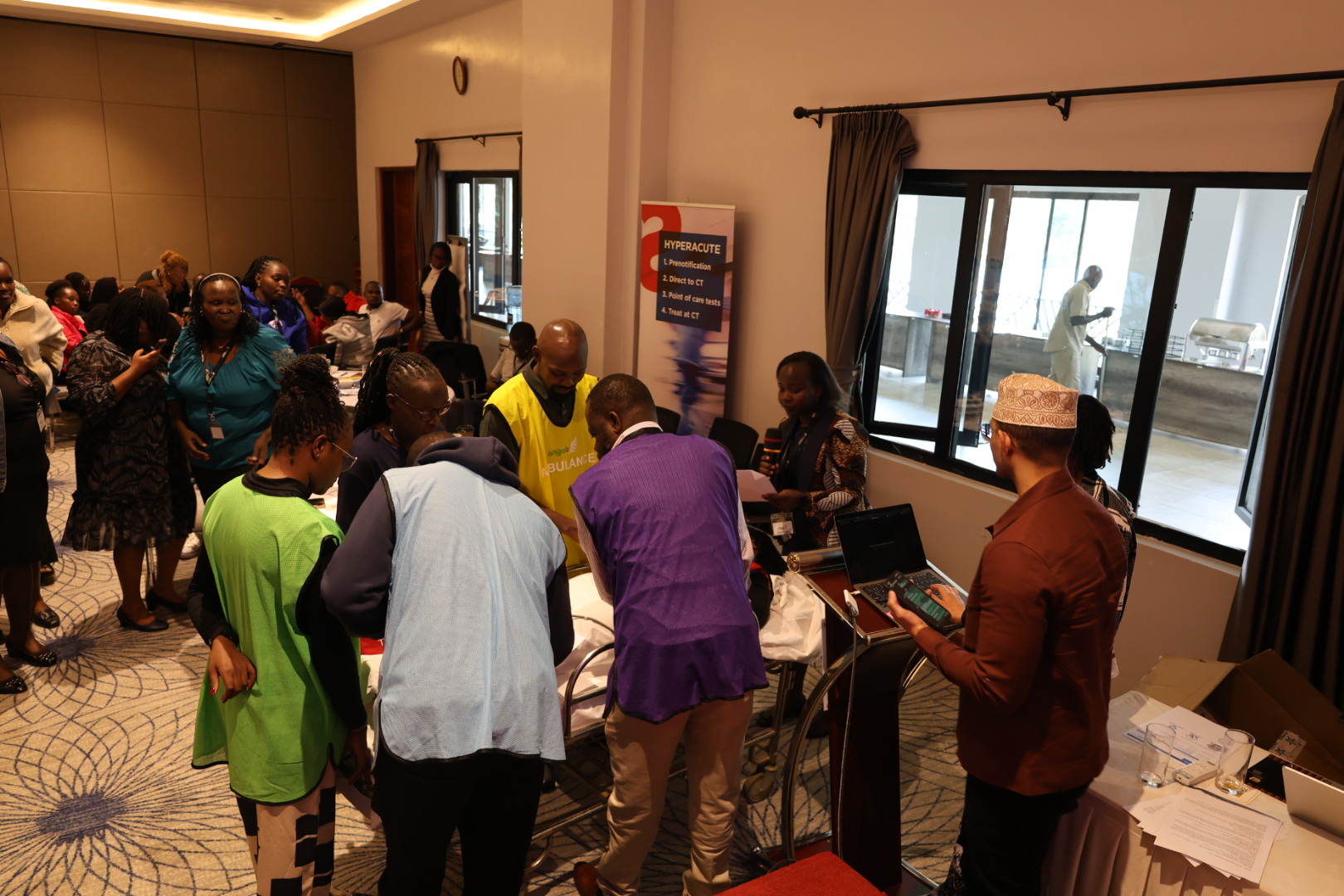
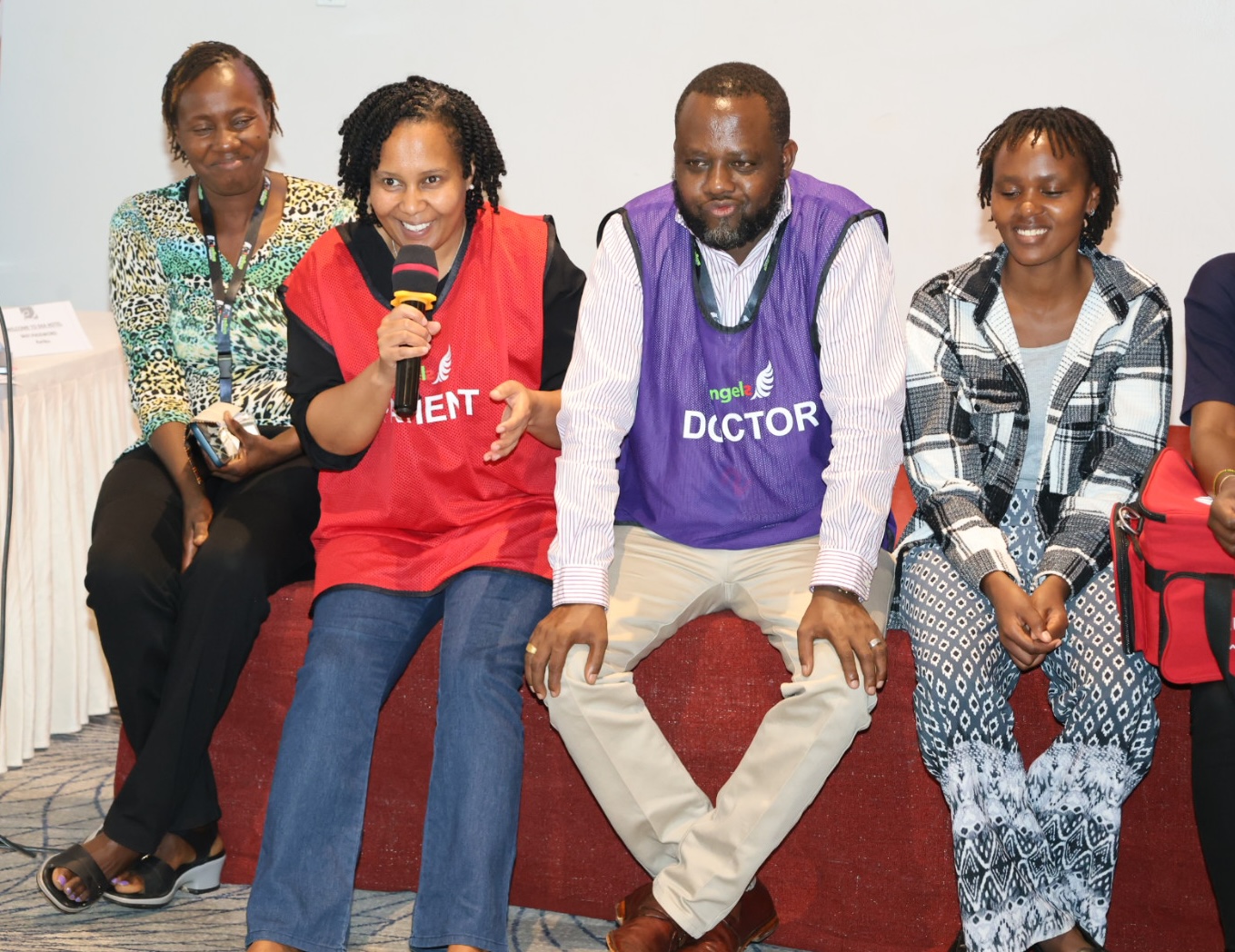
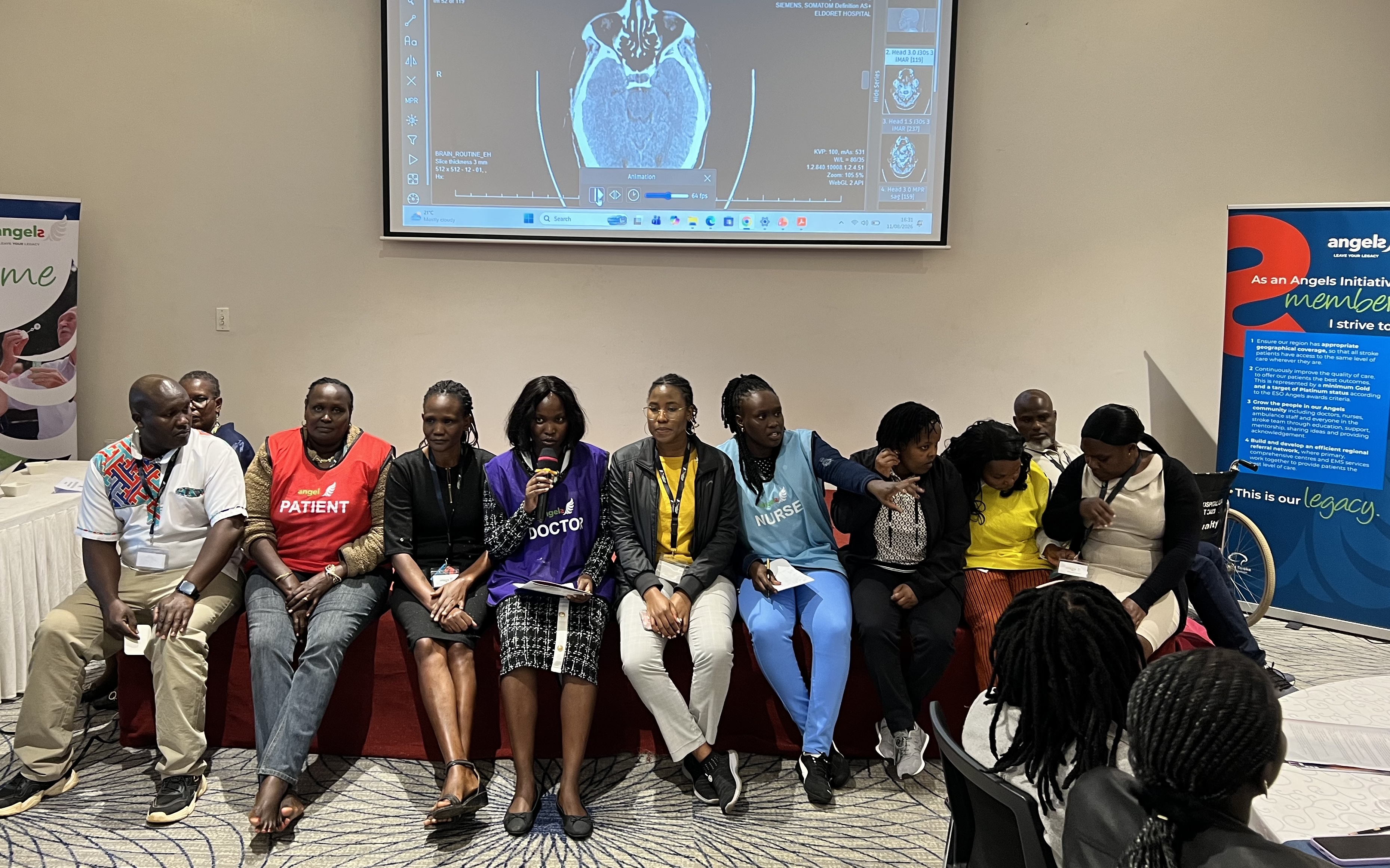
One of the most powerful parts of the workshop was the patient simulation sessions.
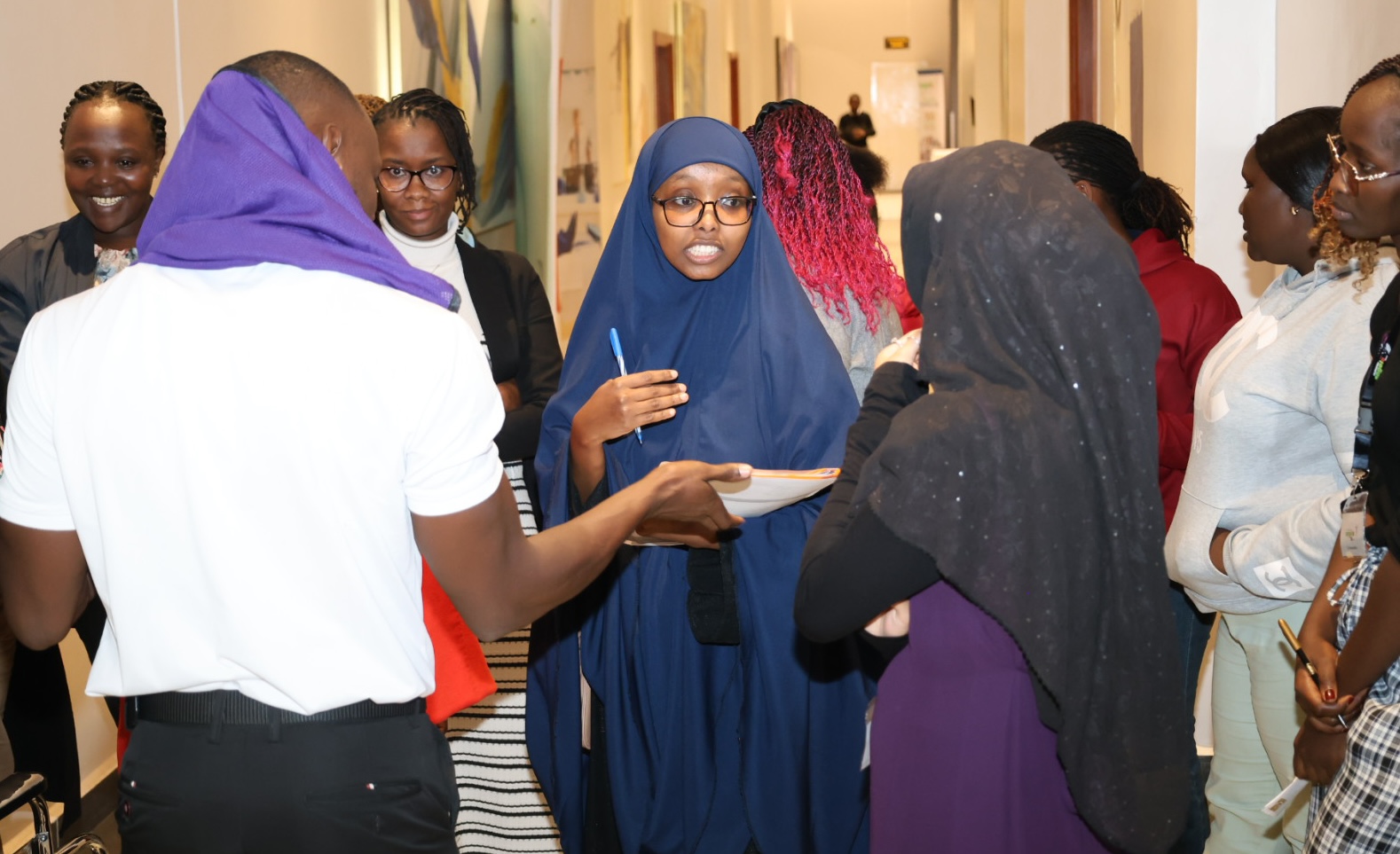
In these real-world scenarios, participants stepped into their roles, made rapid decisions, coordinated across teams, activated treatment pathways, and experienced the pressure of time-critical stroke care. The message was clear: when every member of the team knows their role and works in sync, patient outcomes improve.
This training was more than a workshop.
It was a step toward stronger stroke-ready systems in the North Rift region – built through partnership, shared learning, and a collective commitment to reducing disability and saving lives.
Thank you to every participant, faculty member, partner organisation, and hospital leader who helped make this milestone possible.
Together, we are building stroke-ready teams, hospitals, and systems – one patient at a time.


