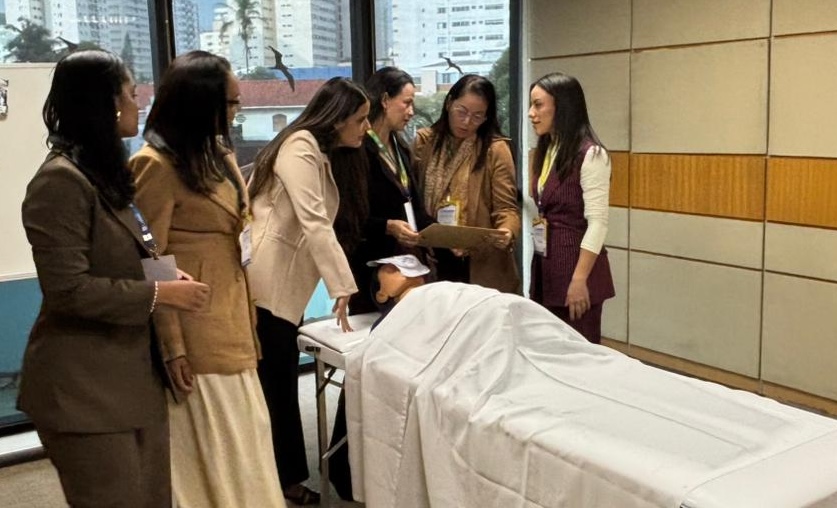
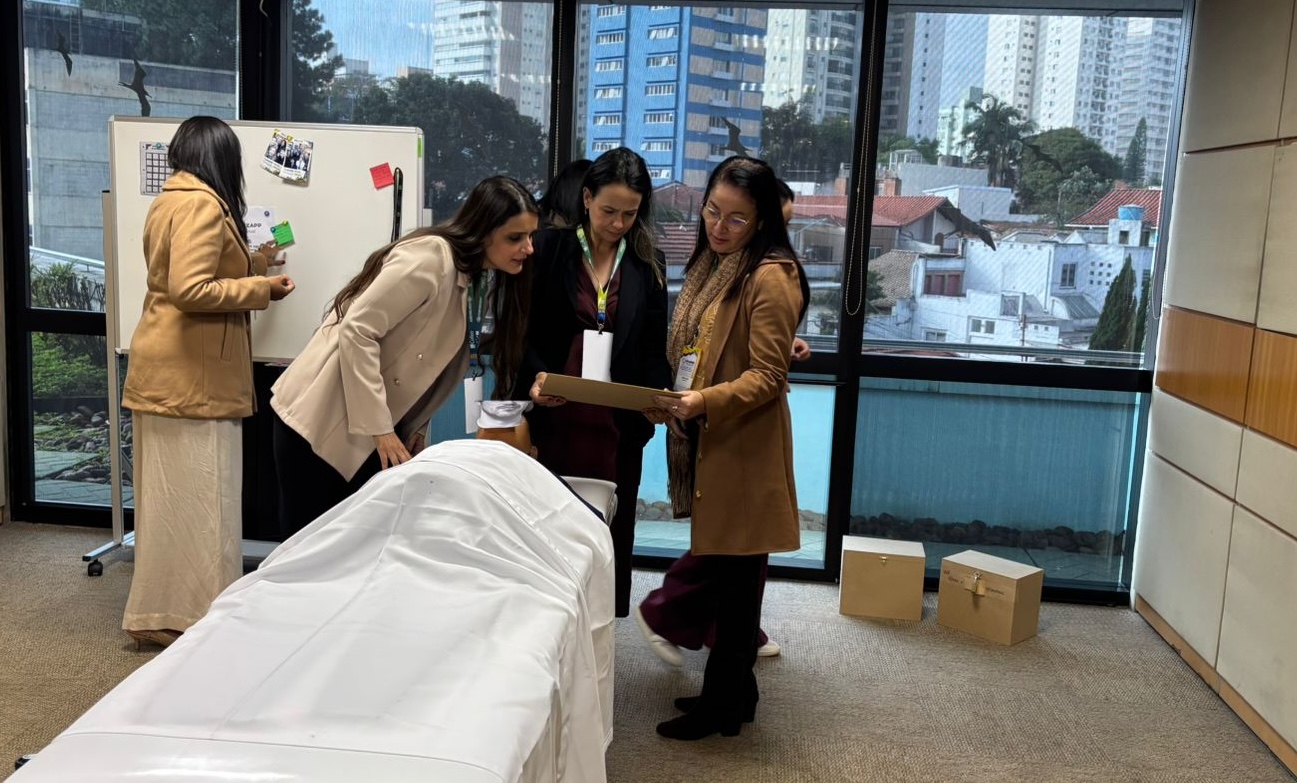
Nurses attending the Brazilian Congress of Nursing in Neurology and Neurosurgery (CBraENN 2026) enjoyed an innovative, interactive training experience thanks to a Stroke Escape Room facilitated by Angels.
Far more than a game, the initiative provided an immersive clinical simulation, challenging the participants to apply technical knowledge, clinical reasoning, communication, and teamwork in a scenario that reproduced the urgency of stroke care.
The AVC Escape Room was executed with the support of Dr Marcelo Calderaro, co-organizer of the first World Stroke Organization stroke escape room at the World Stroke Congress in Barcelona last October. The Barcelona escape room had proved extremely popular with nearly all participants recommending that it return at future conferences. Reflecting on the inaugural WSO escape room, Dr Calderaro said gamification had shown, once again, that fun and education went together, “amplifying learning and creating lasting memories”.
Risk-free decision making
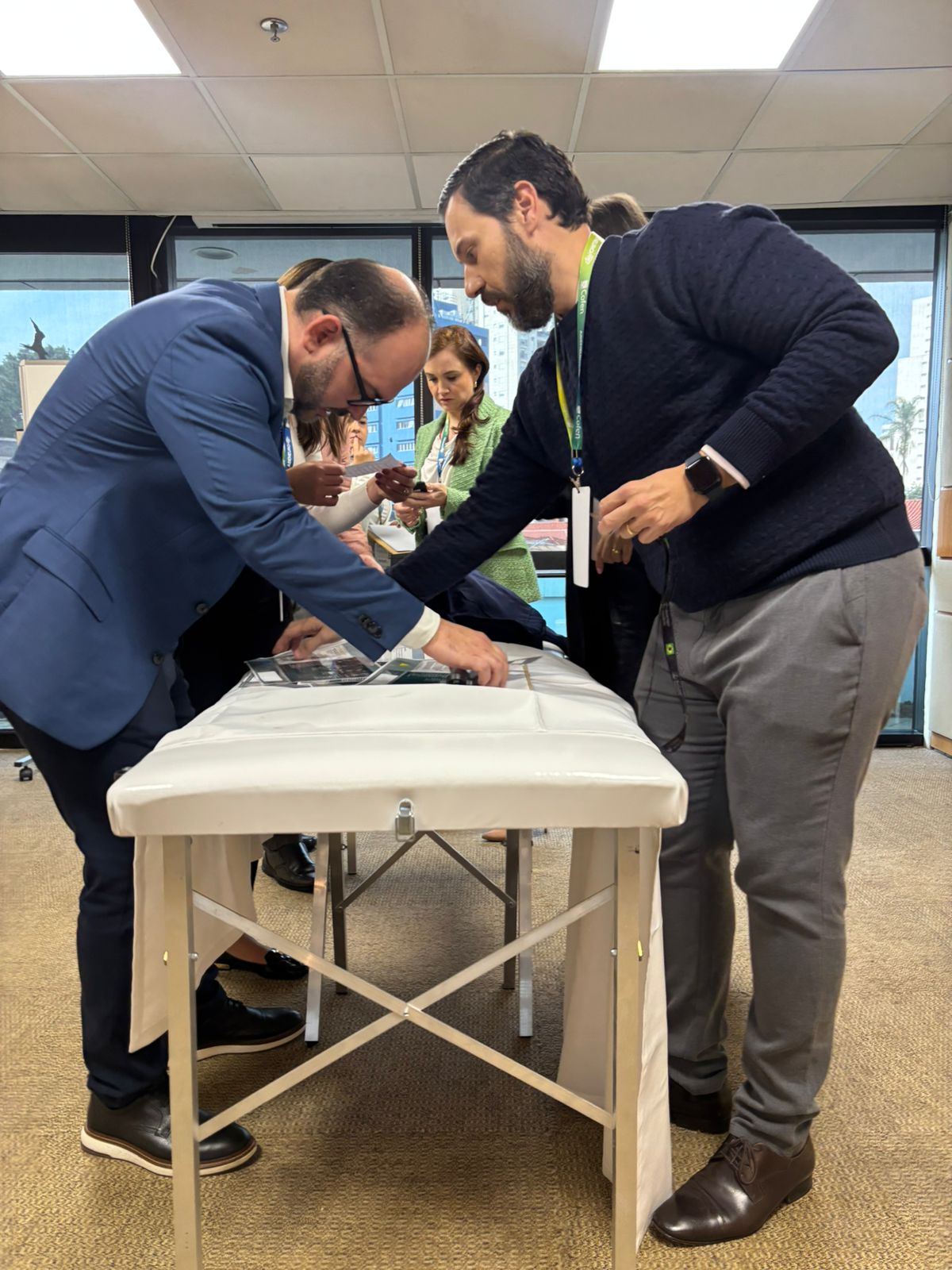
The original escape rooms were conceived as a game in which a team of players work together to discover clues, solve puzzles, and complete tasks in order to progress and achieve a specific goal. Their relevance for training is that they rely on a combination of gamification and simulation to deliver an active learning methodology. Adapted to the health area, they transform clinical situations into practical and safe challenges, allowing professionals to learn through experience and exercise risk-free decision making for the patient.
Escape rooms first became integrated into medical education around 2018 when they began to pop up at scientific meetings in the US. Medical centers and nursing schools were quick to adopt the format for emergency and multidisciplinary training, especially after the Covid pandemic limited bedside experience.
The first documented escape room for acute ischemic stroke training was developed for a hospital in rural Indiana in 2019, by stroke educators Erika R. Millsaps and Allison who later wrote about their pioneering work.
The mission: save the patient
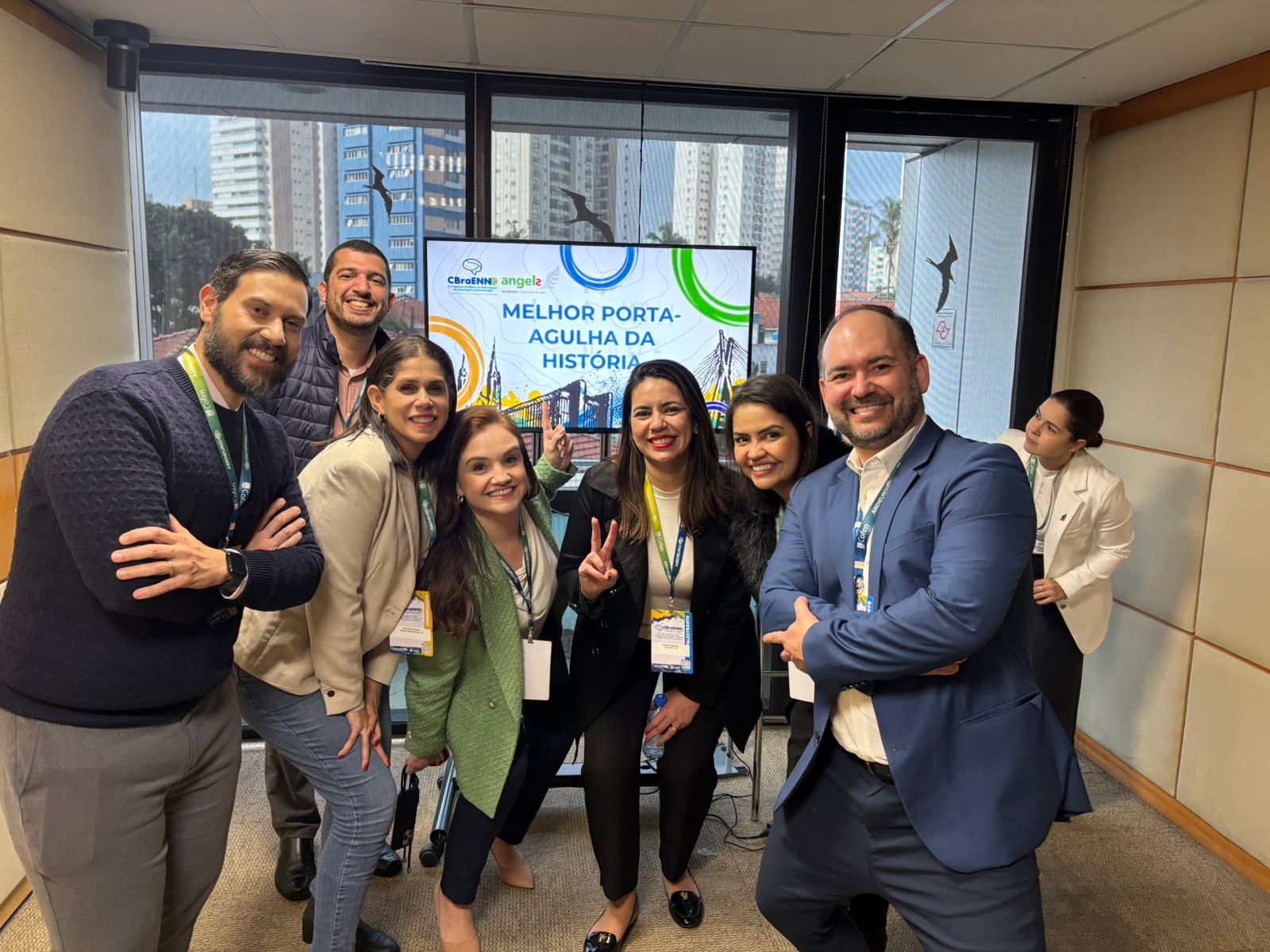
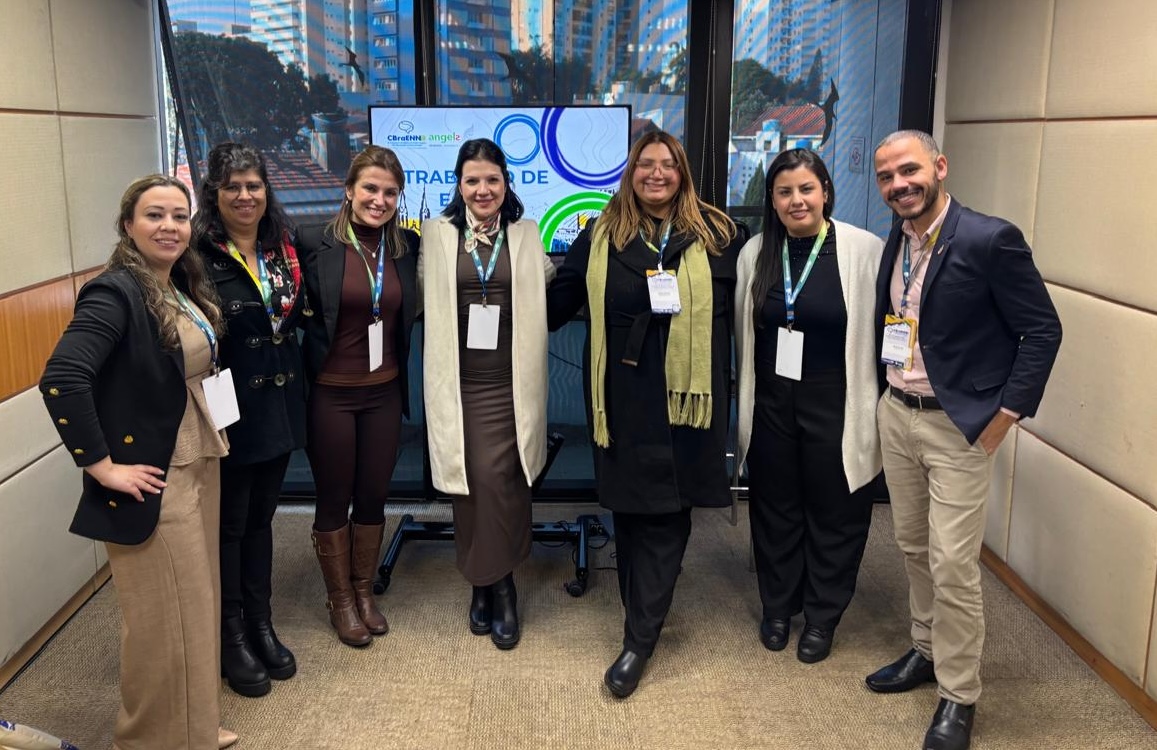
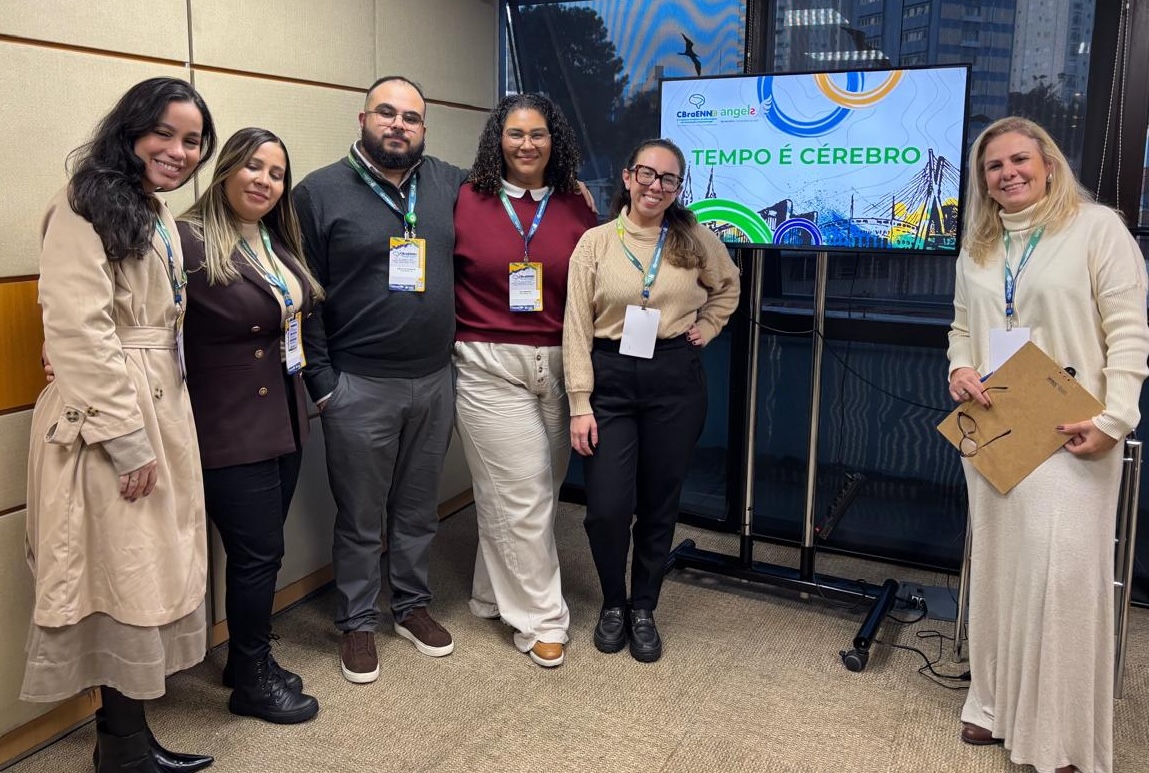
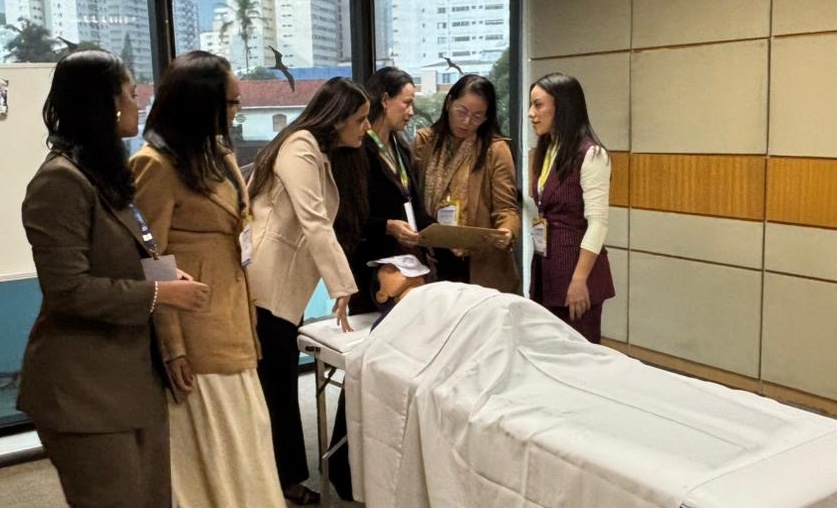
CBraENN 2026 was held at the Millennium Convention Center in São Paulo on 26 and 27 June, under auspices of the Association of Nursing in Neurology and Neurosurgery (ABENEURO). In the AVC Escape Room, congress-goers – mostly nursing professionals – were split into groups of up to seven participants, and given 15 minutes to complete their mission to correctly diagnose and treat the patient.
The experience was divided into two rooms. In the first, an Angels consultant explained the task and training format. Next, the group was led to the simulation room, where the stopwatch was started. During the challenge, the consultant observed the team’s progress and could offer a hint if they were struggling, However, each hint resulted in the loss of one minute in the total team time, further stimulating collective reasoning.
The scenario
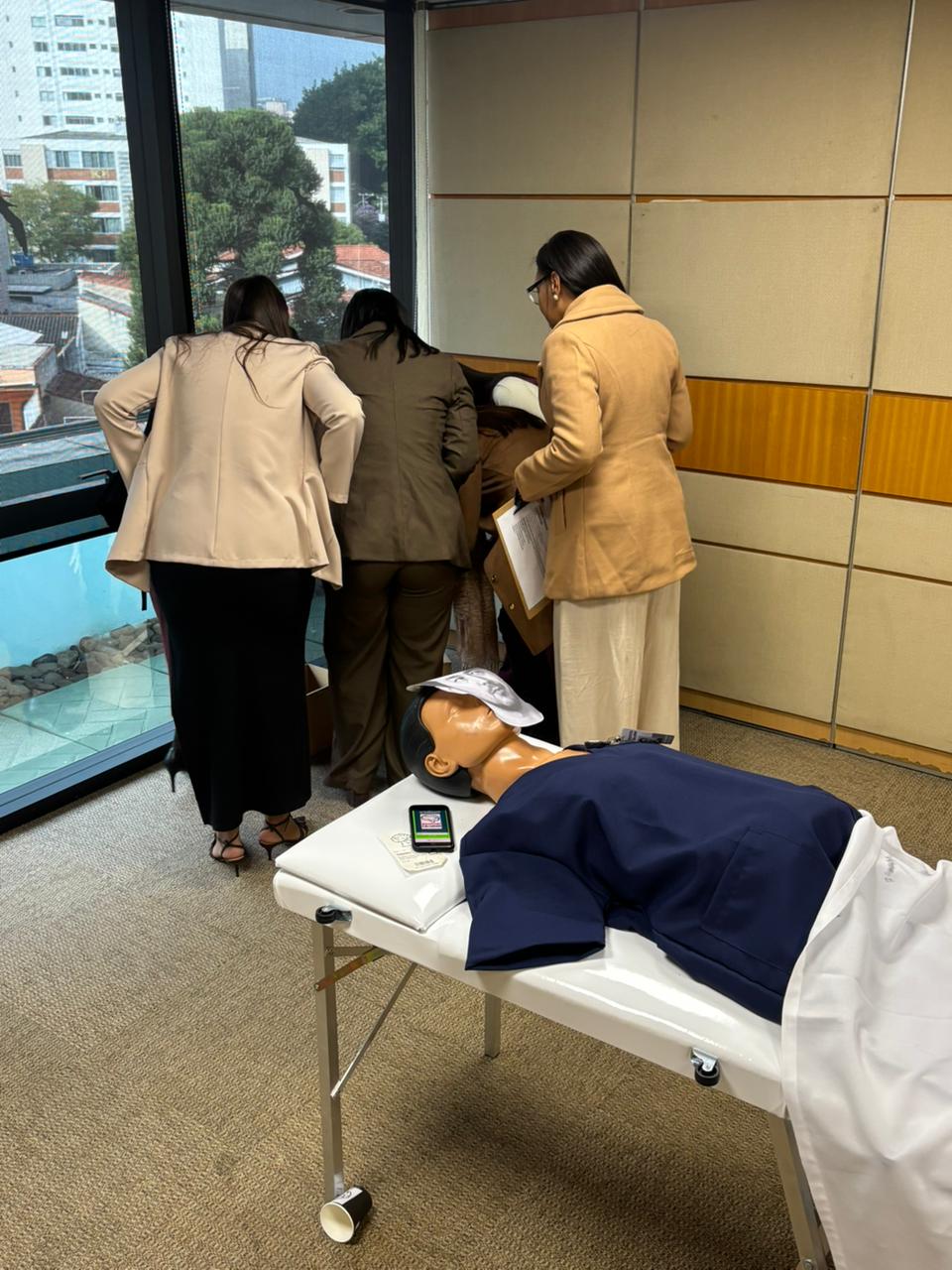
In a room simulating a hospital environment, a patient lay on a stretcher, accompanied by his medical record. Several elements in this scenario functioned as clues to the resolution of the case.
In the patient’s coat pocket was a card from the cafeteria, indicating the time he had drunk coffee. A disposable cup dropped on the floor reinforced this detail, allowing participants to conclude that the patient was still within the therapeutic window.
A clock showed the current time, while a locked mobile phone and a piece of paper containing codes led participants to discover the password to access the device. By unblocking it, it was possible to visualize the CT scan, confirming a case of ischemic stroke in which thrombolysis was indicated.
Patient saved!
To administer the treatment, however, the team still needed to solve new puzzles.
The key to the padlock that protected the medication was hidden inside a Descarpack (perforated cutting box) and could only be found with the help of a magnet. Next, it was necessary to open a box containing a sheet that, when positioned on a whiteboard and illuminated by a flashlight, revealed a new code.
Only after solving this challenge was it possible to access the medication and establish that in this instance correct option would be tenecteplase, since there was a warning stating the infusion pump was unavailable.
After correctly completing all the steps and administering the treatment, it was time for a team celebration: “Patient saved!”
Experience-based learning
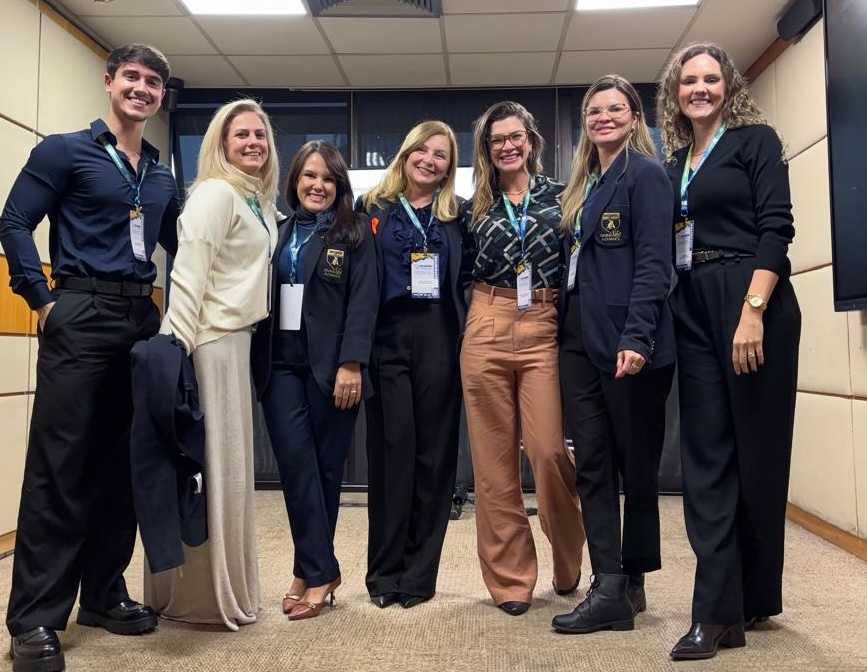
All the teams completed the mission within the 15 minutes allowed. The role of the facilitators was crucial for maintaining the balance between challenge and learning and to ensure everyone remained motivated throughout the activity.
Having made their escape, participants then returned to the starting room for a debriefing session that included a video reinforcing fundamental concepts for stroke care. These included early symptom recognition, the significance of onset time, the concept that “time is brain”, organization of the flow of care, effective communication between teams, collaborative work under pressure, and patient safety.
Education that transforms practice
In a scenario where every minute directly influences clinical outcomes, experiences that bring theory and practice closer together prepares healthcare professionals for delivering faster and safer evidence-based care.
Nursing occupies a strategic position throughout the stroke patient's journey, from the initial recognition and activation of the protocol to the coordination of care and monitoring of care indicators. In this context, active methodologies such as the Escape Room increase engagement, stimulate clinical reasoning and strengthen the role of professionals in building increasingly efficient lines of care.
The active participation of congress goers demonstrated the growing interest in innovative educational strategies, capable of integrating scientific knowledge, clinical practice and decision making in highly complex situations.
Every minute matters
Among the positive aspect highlighted by participants at the end of each session were that the activity had stimulated clinical reasoning and creativity, while delivering a differentiated and memorable experience that strengthened teamwork.
“Participating in the Escape Room was an extremely enriching experience,” said Nurse Andreza Gomes da Silva N. Maeda, chief nurse at Santa Casa de Ituverava, an award-winning hospital in one of Brazil’s first Angels Regions. “The activity provided hands-on learning, fostering clinical reasoning, rapid decision-making, and teamwork – essential skills for caring for stroke patients. Activities like this strengthen continuing education and help ensure professionals are increasingly prepared to deliver prompt, safe, and evidence-based care. It was an honor to take part in this experience and share the moment with professionals committed to excellence in neurological patient care.”
"Participating in the escape room was a very positive experience for testing not only technical knowledge, but teamwork, roles and well-defined responsibilities,” said nurse Saulo. “The team was diverse, with professionals from various areas of neurology and other disciplines; this certainly helped us solve the task in the shortest time. It was a fun way to learn.”
The enthusiasm shown by the participants reinforced the potential of the methodology as a tool for continuing education and professional development.
The Angels Initiative remains committed to the continuous training of teams and the strengthening of stroke care lines throughout Brazil. Because when we talk about stroke, every decision counts. Every minute matters. And every prepared professional can transform an outcome.


