In 2017, an unprecedented project was implemented in hospitals across Europe.
A nurse-led intervention in Australia had shown a reduction in death and disability as a result of three simple protocols – to manage fever, sugar and swallowing – collectively known as FeSS. Now the aim was to replicate this impact in Europe.
Over the next four years, QASC Europe saw the Fess protocol implemented as part of routine stroke care in 64 stroke units across Europe. It not only fundamentally changed post-acute stroke care in Europe, it also changed perceptions of stroke nurses’ role in hospitals, and established the power of nurses to influence practice.
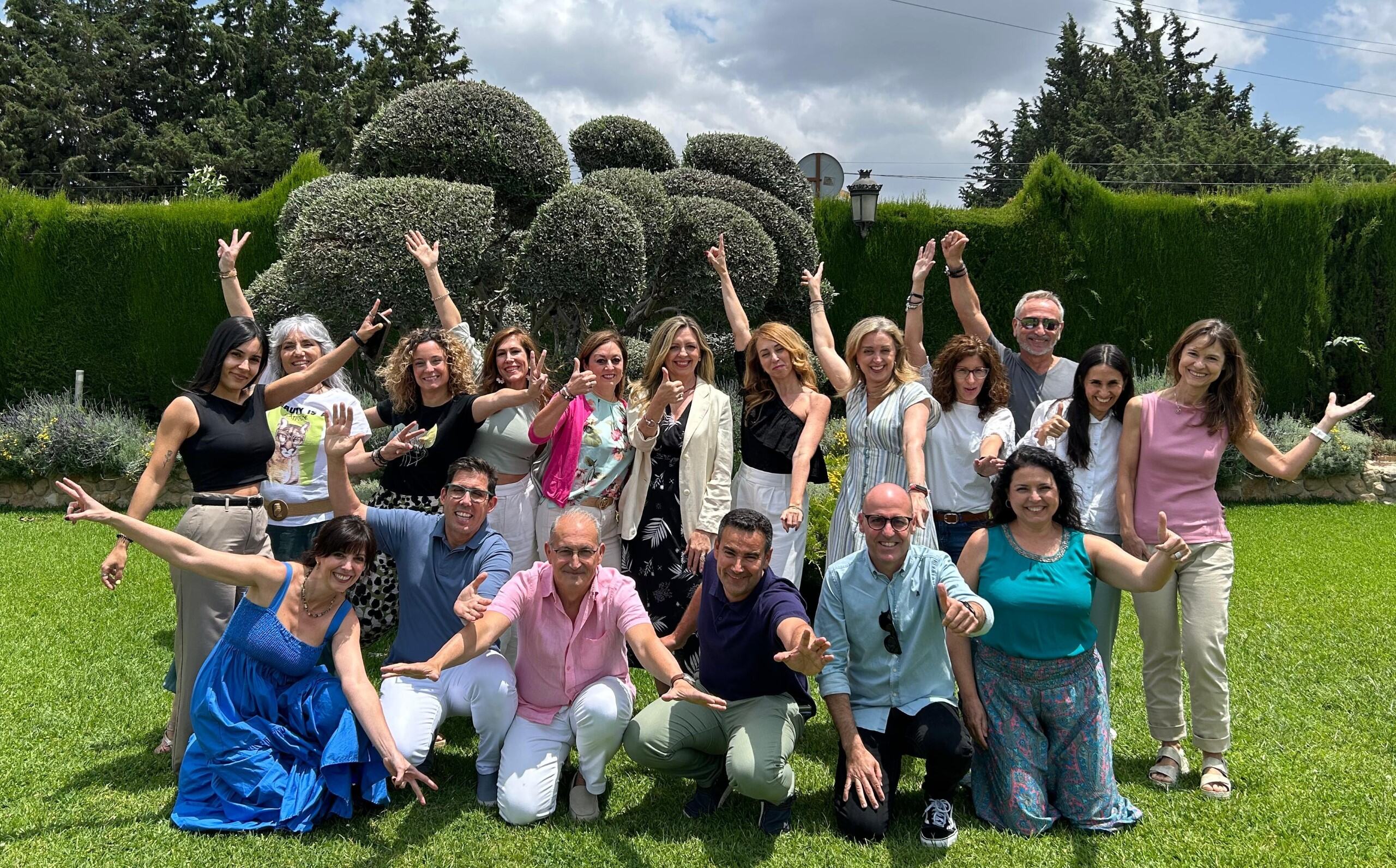
In 2018, three nurses at the Regional University Hospital of Málaga demonstrated that power after they were tasked with reviewing protocols in their newly refurbished stroke unit. Their Arrow Project standardised post-acute stroke care via a system of colour-coded arrows that are placed at the top of each patient’s bed to help doctors, nurses and even porters easily identify the type of stroke and side affected. Details the treatment protocols for each day, such as regular checks for dysphagia, glycaemia and fever are accessed via a QR code.
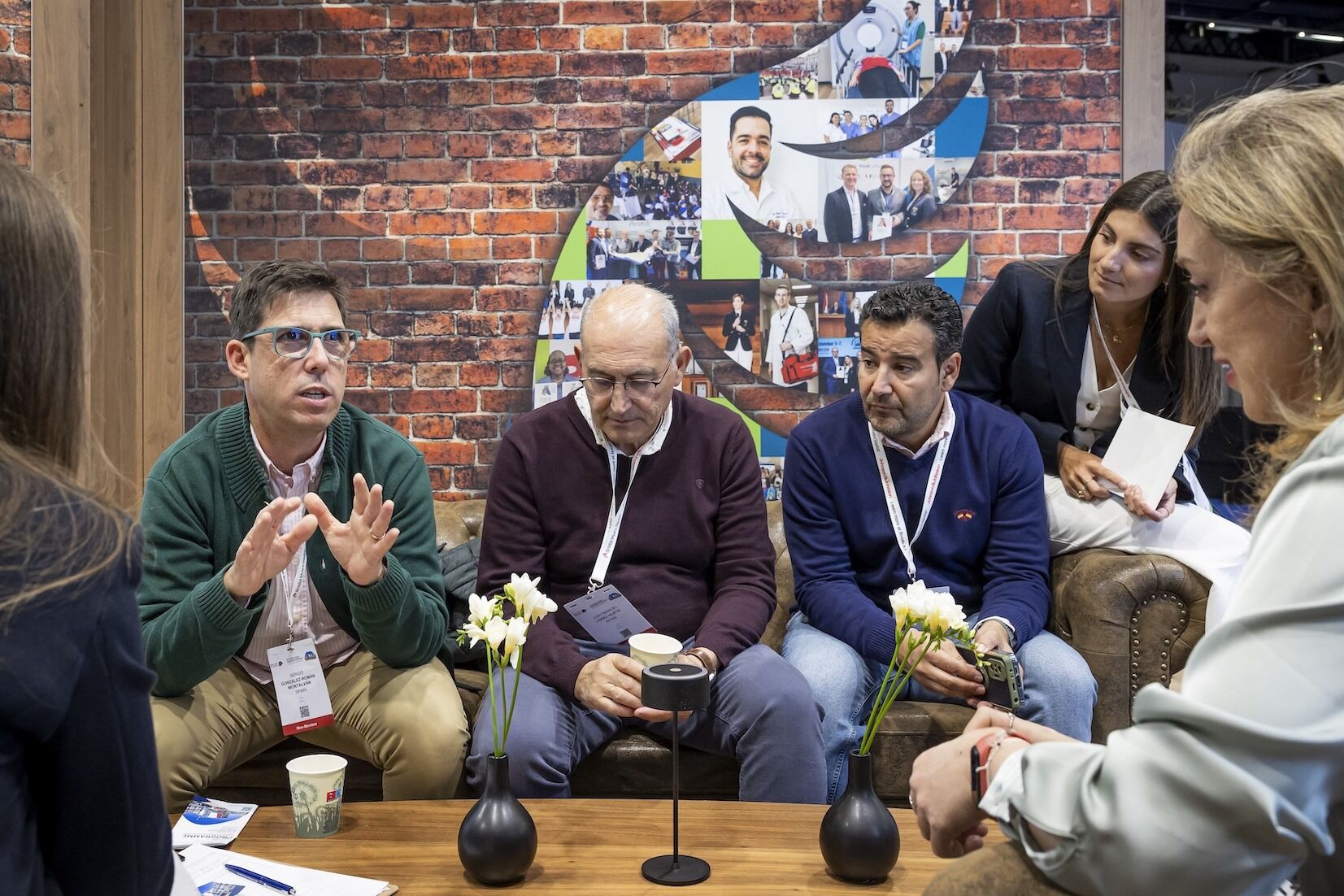
In May 2023 the trio was celebrated in Munich, where an ESO Spirit of Excellence award nomination recognised their outstanding contribution to raising the standard of stroke care. At once simple and revolutionary, the project traveled well, eventually spreading to hospitals outside Spain where, the team from Málaga say, it was enriched by the contributions of other professionals.
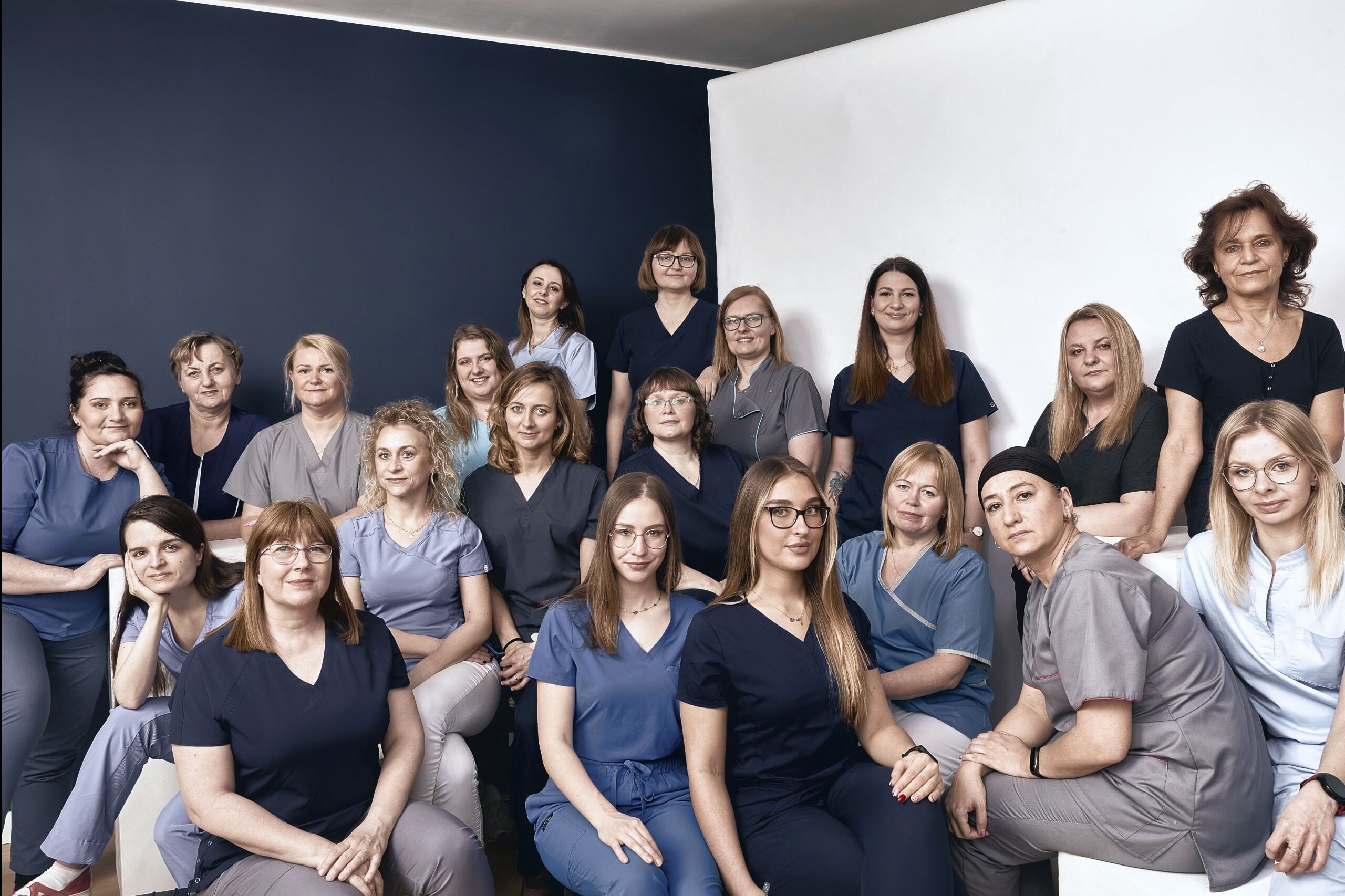
The most beautiful sight
Nurses working in stroke units are people with huge hearts and amazing layers of empathy, says head nurse Ewa Gadzińska of St. Łukasz Hospital in Bolesławiec, Poland, from whom we received this moving account in 2023:
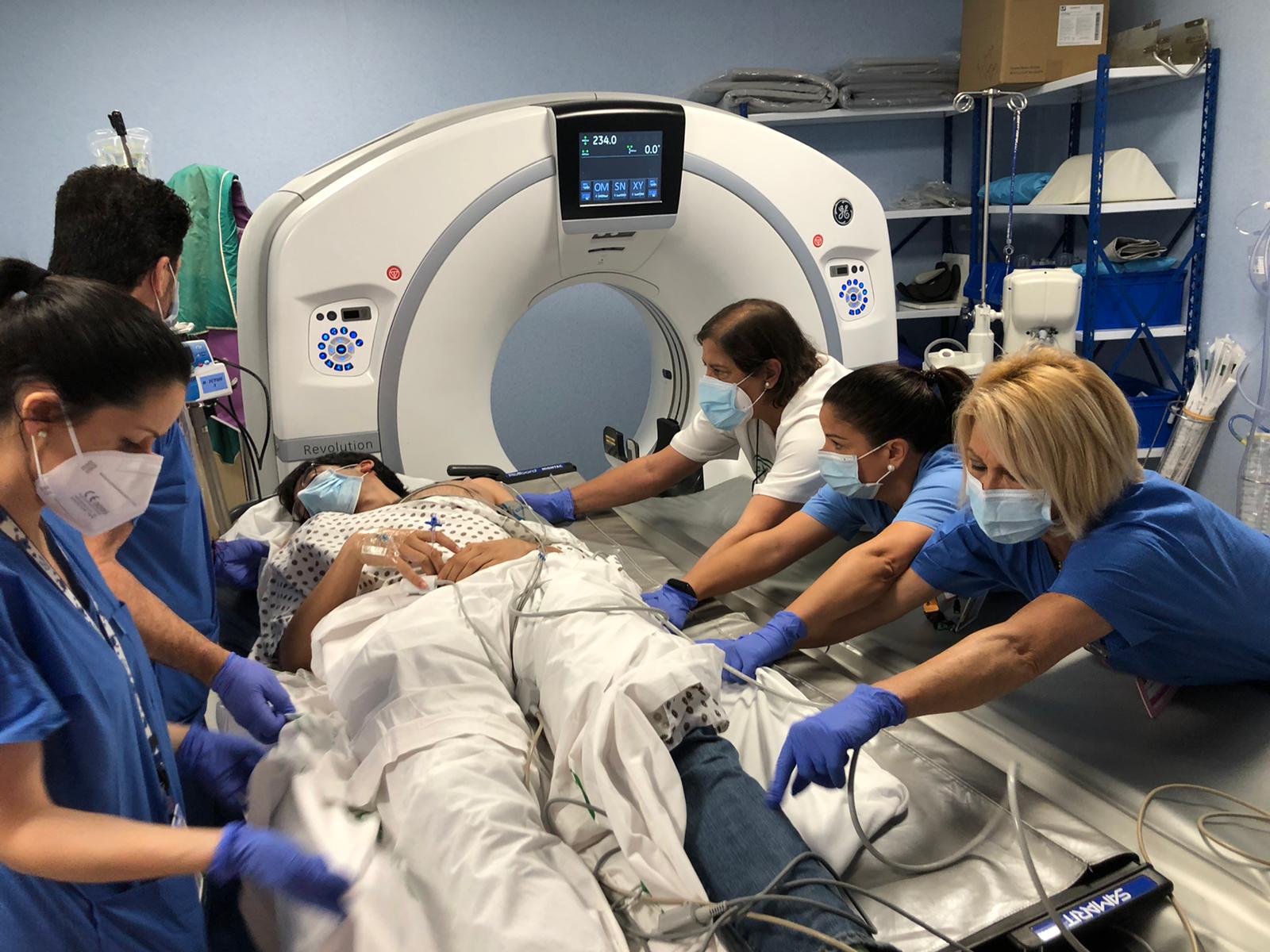
“We are constantly ready – every day, every minute, every second – so that when we get the news that a patient with suspected stroke is on their way, we can reach the tomography laboratory as soon as possible.
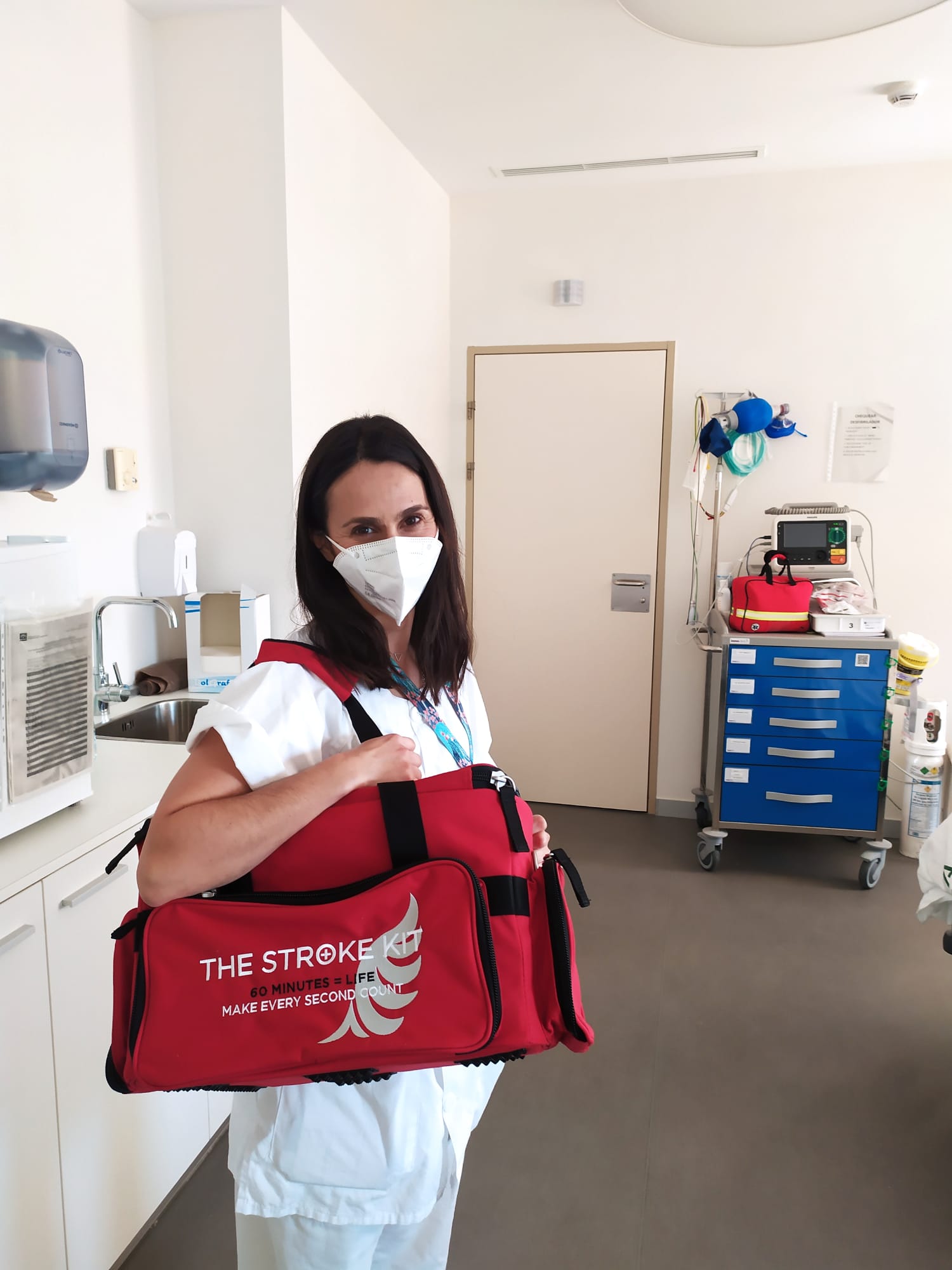
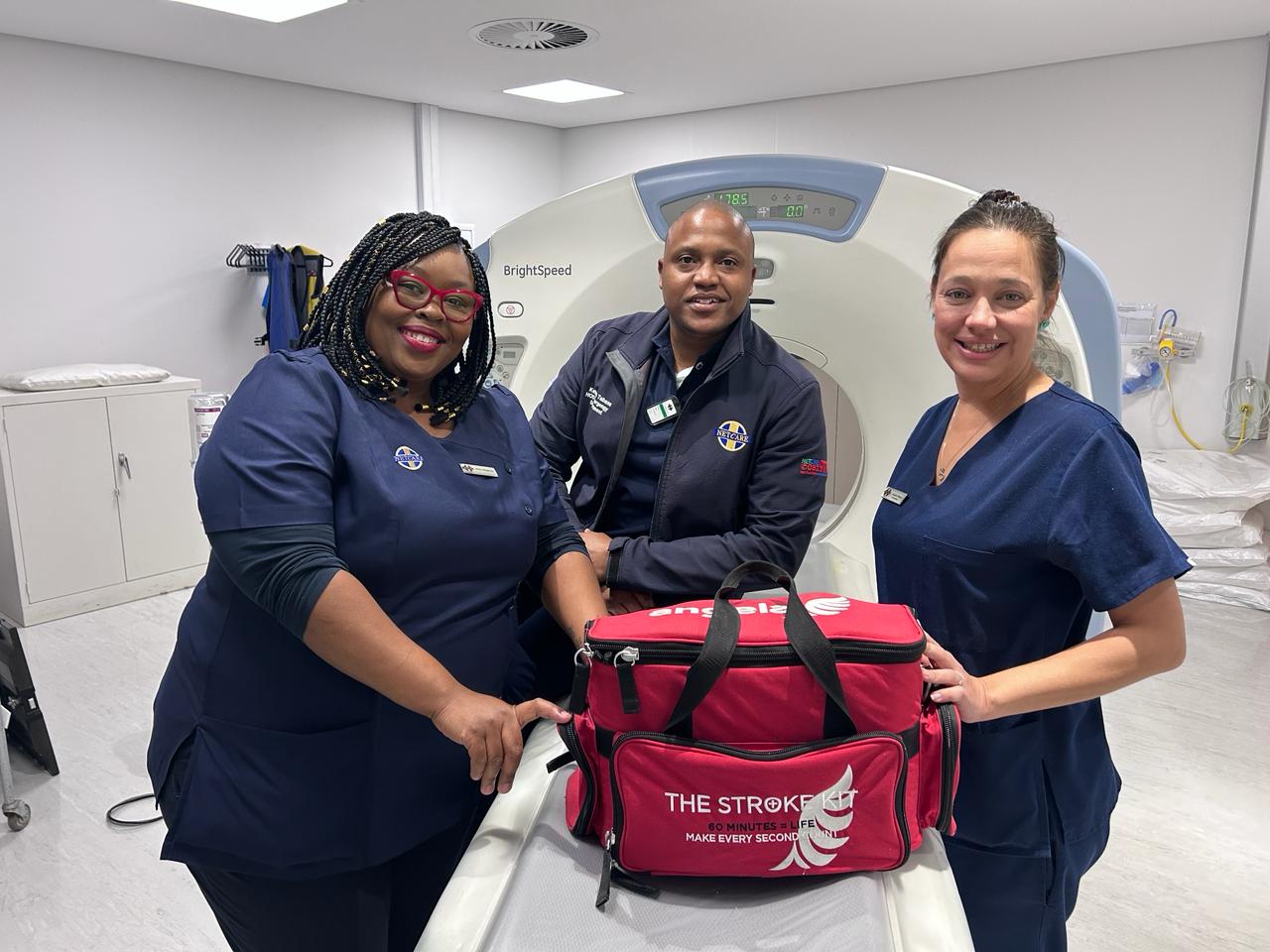
“We have a stroke bag which contains all the necessary medicines and equipment, and a second bag with additional equipment, which, contrary to appearances, is very heavy. When the stroke signal is received, there is sometimes a fraction of consternation: which way will be faster, the elevator or through the courtyard?
“Then the nurse won’t even notice if she is not properly dressed for the weather conditions. Sometimes she runs in the pouring rain, or in light shoes up to her ankles in the snow, the bag bumping around her ankles, so heavy she can barely carry it, because every minute is important. And she knows that her reward will be the most beautiful sight of a person smiling at us because of us.”