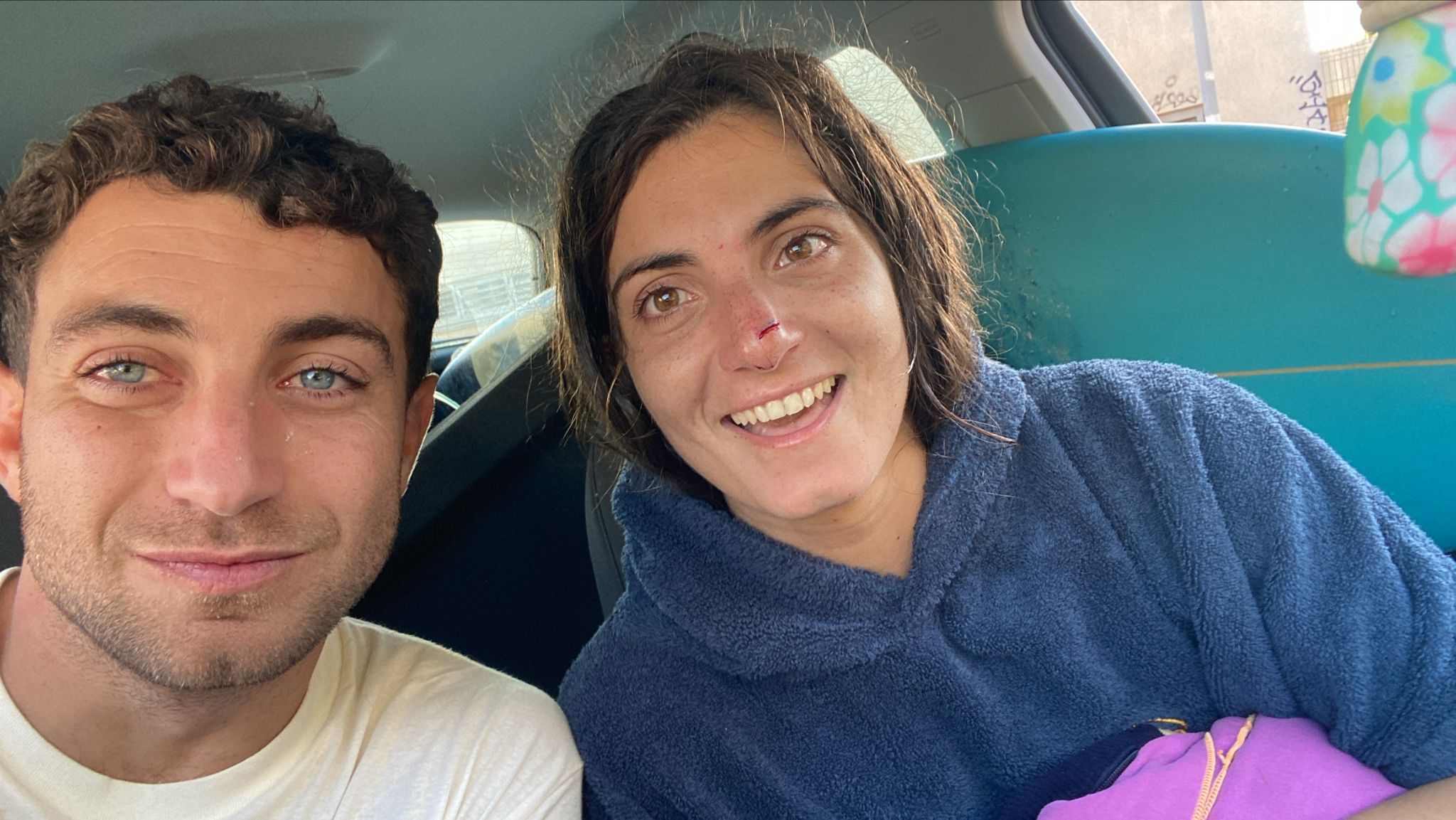
ON Saturday, November 1 Angels consultant Susana Granados joined friends in Tarifa on the Costa de la Luz in the province of Cádiz, Andalusia. Located at the southernmost end of the Iberian Peninsula, Tarifa is a premier surfing destination, especially around this time of year.
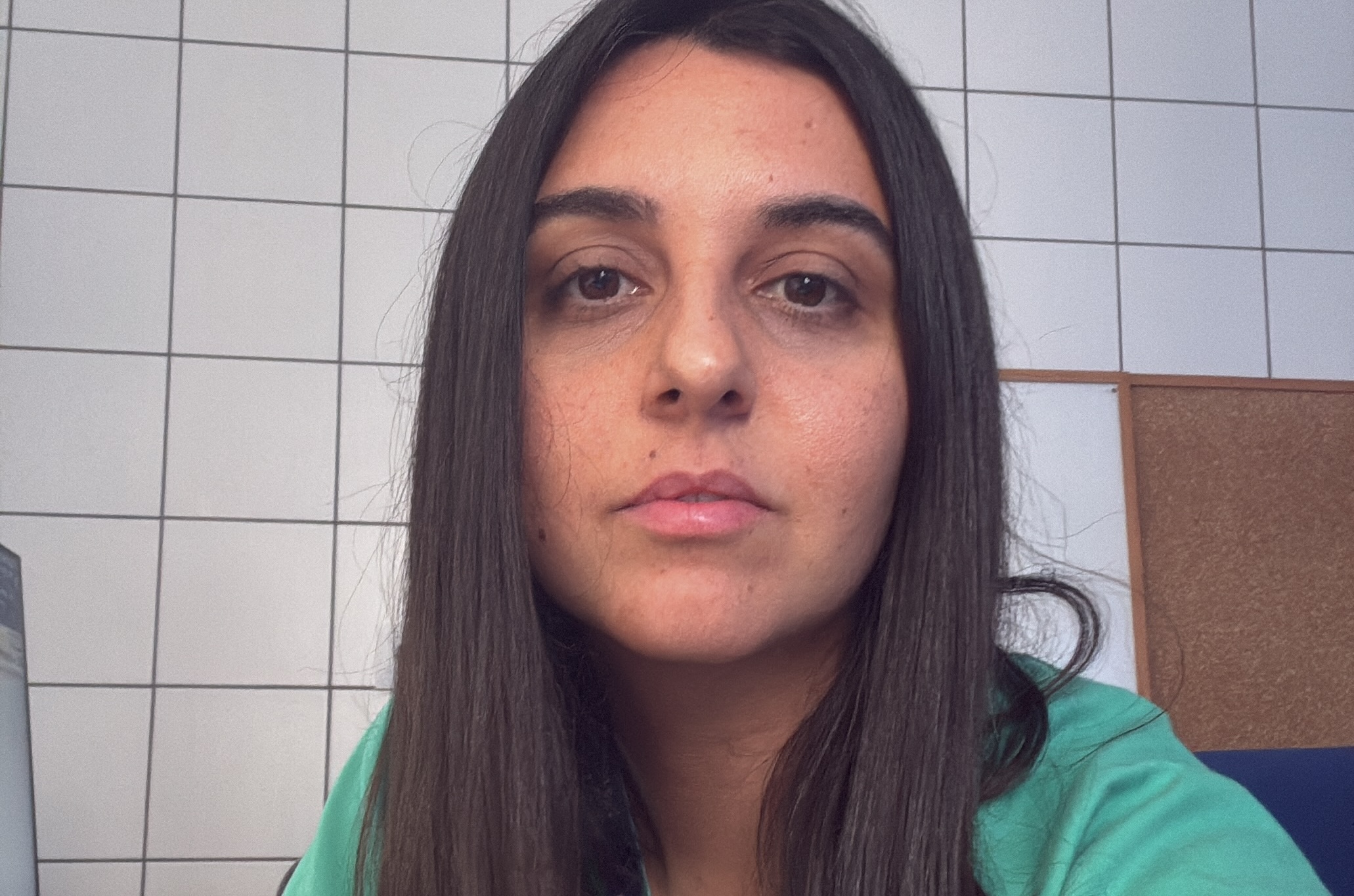
Susana, who’s been surfing for over a decade, was showing a friend how to catch a wave when the board flipped and struck her on the nose. As she brought up her hand to her face and found it covered in
blood, she was instantly worried about three things – what if she needed stitches, what if she lost consciousness in the water, what about her flight?
The next day, Susana was due to fly to Fuerteventura, the second largest of the Canary Islands located about 100 km off the north coast of Africa, and a popular destination for watersports, including surfing. But although Susana had previously surfed here at her favorite beach, Playa Punta Blanca, on this occasion she had an appointment with the neurology department at General Hospital Fuerteventura.
This hospital, until recently with a small neurology department, now had five neurologists including Drs Carla Vera and Montserrat Gonzalez, Canarias who had worked in Catalunya before coming home in pursuit of territorial equity. As Dr Carla explains, “After so many years of learning, I wanted to bring that knowledge back to the Canarian community, where we are still behind other regions of Spain and Europe in the availability of certain medical advances. This is even more noticeable on the non-capital islands, like Lanzarote and Fuerteventura, where the rapid growth of tourism often advances faster than the development of essential areas such as healthcare.
“A person who suffers a stroke should be able to access revascularization therapies quickly and effectively, regardless of where they are in the world.”
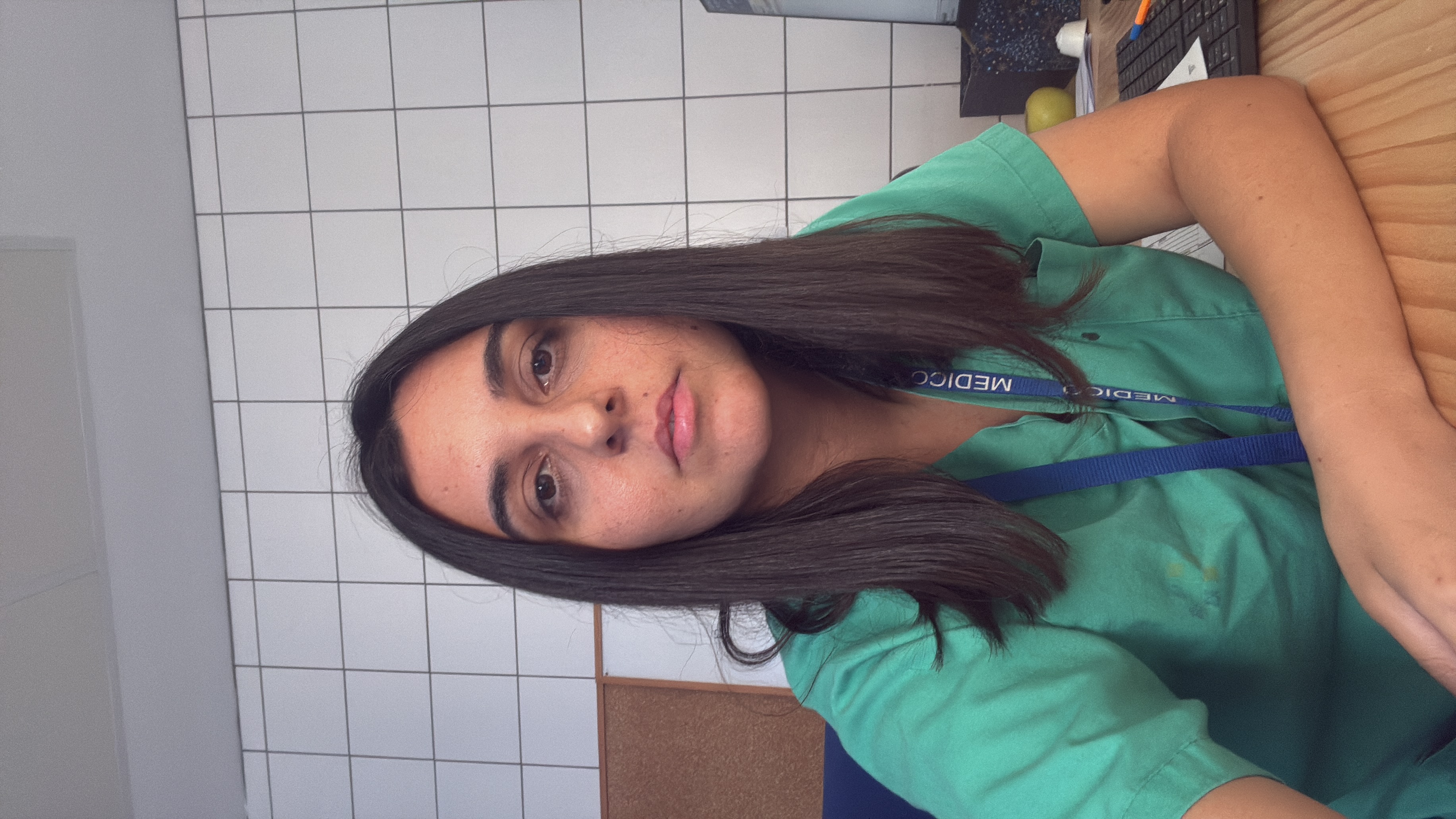
Dr Carla reached out to Susana, who was in the process of organizing a multidisciplinary, multi-island meeting on Tenerife where doctors from hospitals throughout the archipelago would have the opportunity to share challenges and exchange ideas. Her first encounter with Carla and Montse on Tenerife in June 2025 left Susana in no doubt that change would come to General Hospital Fuerteventura quickly and decisively. At the end of July, she paid her first visit to the hospital where they talked about Angels and what they could achieve together.
The summer holidays came and went, and in September it was agreed that a simulation workshop would take place on 3 October. But when the idea was escalated to the hospital board, it encountered some skepticism. They kept the date but changed the agenda – the goal of Susana’s second official visit to Fuerteventura would be to convince the board that Angels was the right medicine.
Lean makeover
In October, Susana had just returned from Rome where she and her colleagues from Portugal, Italy, Romania and Spain participated in a lean workshop that marked the official launch of the revised Angels consultancy model. Because it is such an important differentiator of the Angels model, and so central to its success, the consultancy model undergoes constant revision to maximize its impact, but none so far-reaching as in the latter part of 2025. The “lean makeover”, implementing the principles of lean success, had taken almost 18 months of research, discussion and pressure testing.
In the past, an Angels consultancy would start with observation, employ tactics such as pathway simulation and multidisciplinary meetings to build consensus around what needed to improve, and recommend and support improvement measures such as standardization, skills training and quality monitoring.
The revised process would now follow a similar arc but proceed at a more deliberate pace.
In the initial Discover phase, it would make use of lean tools such as value stream analysis and process mapping in a highly structured examination of the current state that would be captured in a critically important document, the Hospital Resource Form. This form contained vital insights derived from the pathway walkthrough, shadowing, interviews with a wide range of healthcare workers, and as much baseline data as it was possible to access.
Next, the process would develop consensus about the future state, and only then proceed to actions that would deliver that future.
After initial misgivings about fixing what wasn’t broken, Susana warmed to the new approach as she believed it would help her become more organized, structured and professional. If anything worried her it was gathering all the granular information required by the Hospital Resource Form through observation and by putting the right questions to the right people who were all working in a high-pressure environment.
As it turned out, she had a somewhat unconventional tactic for getting the job done.
A patient perspective
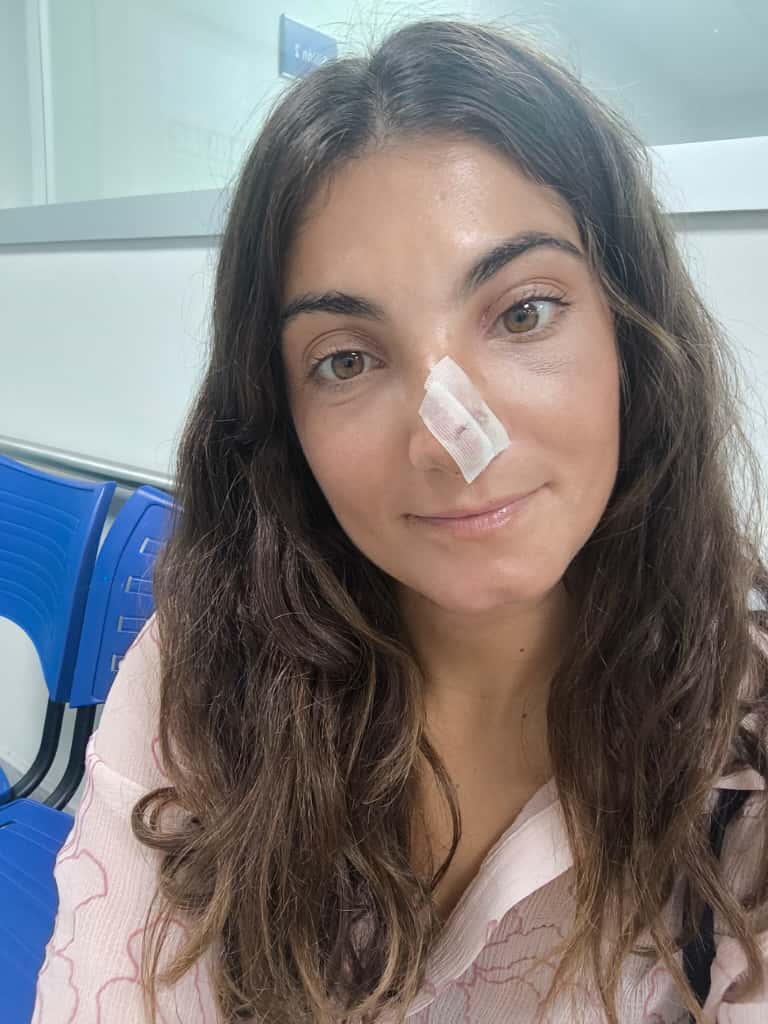
After her surfing accident in Tarifa, Susana appealed to a doctor friend for help rather than attend the busy ER on a Saturday afternoon. The following day, the wound on her nose closed with adhesive strips, she was disappointed when a flight delay ruled out catching a late Sunday afternoon wave at Playa Punta Blanca. But when she woke up in Fuerteventura on Monday morning, her face had become swollen and inflamed.
Susana had come to Fuerteventura to attend a multidisciplinary training session offered by Dr Jesús Juega, a neurologist from Catalunya, and, one month after the workshop in Rome, to commence a lean consultancy that would help the hospital reach its goals. But no sooner had she reached the hospital than she was whisked through triage and ordered to undergo an X-ray of her nose and jaw.
When Dr Carla laid eyes on the injured Susana, her first reaction was “concern, of course. Seeing someone arrive injured always activates the clinician’s instinct. But once I knew she was fine, it actually reinforced what I already knew about her: she is extremely committed to her goals. Coming straight from a surfing accident yet immediately engaging with the team and the consultancy process only confirmed the level of dedication and passion I had seen in her before.”
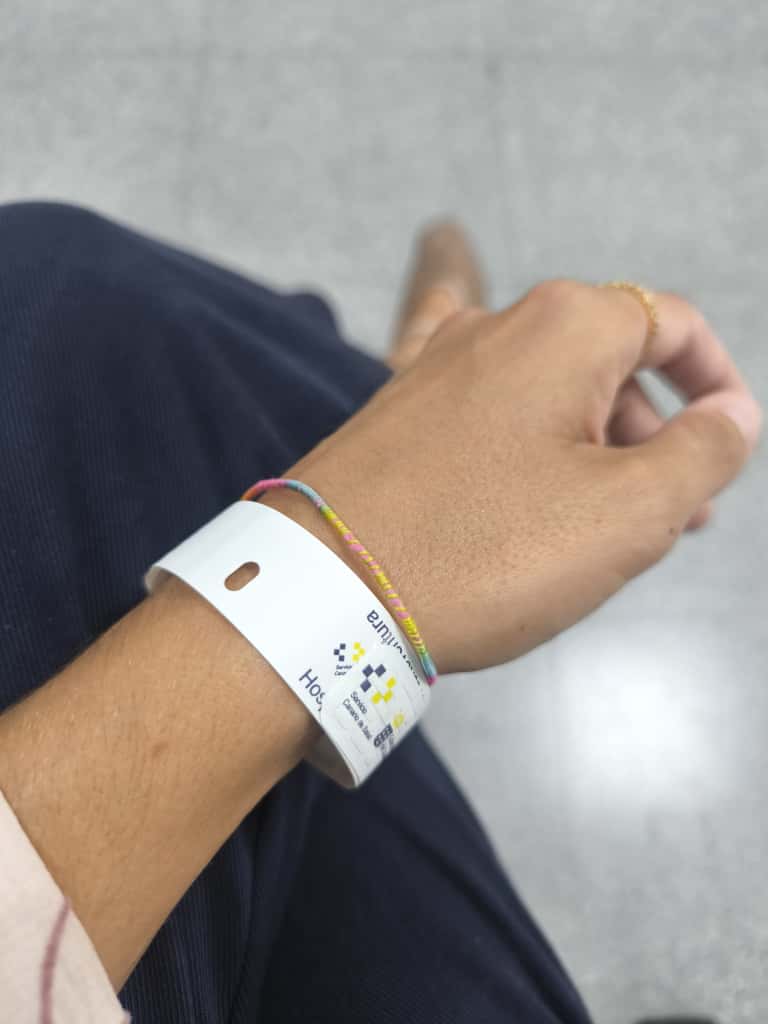
Susana didn’t waste a minute of the three hours she ended up spending in the ER. While waiting to be attended, she took out the Hospital Resource Form and started recording her observations as well as her conversations with doctors, nurses, and the only radiologist on duty.
By the time she was discharged, Susana had also completed a spaghetti diagram, learnt how prenotification calls sometimes got lost in the system, spotted a bottleneck on the route to CT, and identified a second door that could solve it.
“These are significant, useful tools,” was Dr Carla’s assessment. “The Hospital Resource Form helps to make the reality of our resources, processes, and requirements quantifiable and visible. Once they are well-defined, many of the problems will become simpler to solve.”
“The ‘spaghetti chart’ is especially insightful. By graphically visualizing the pathway, we can identify inefficiencies, bottlenecks, and unnecessary movements in daily practice. Every minute matters for a hospital in an isolated region like ours, and these tools help us to reduce time and advance in patient care. In my view, these tools will play a key role in our improvement process.”

A true stroke-protected island
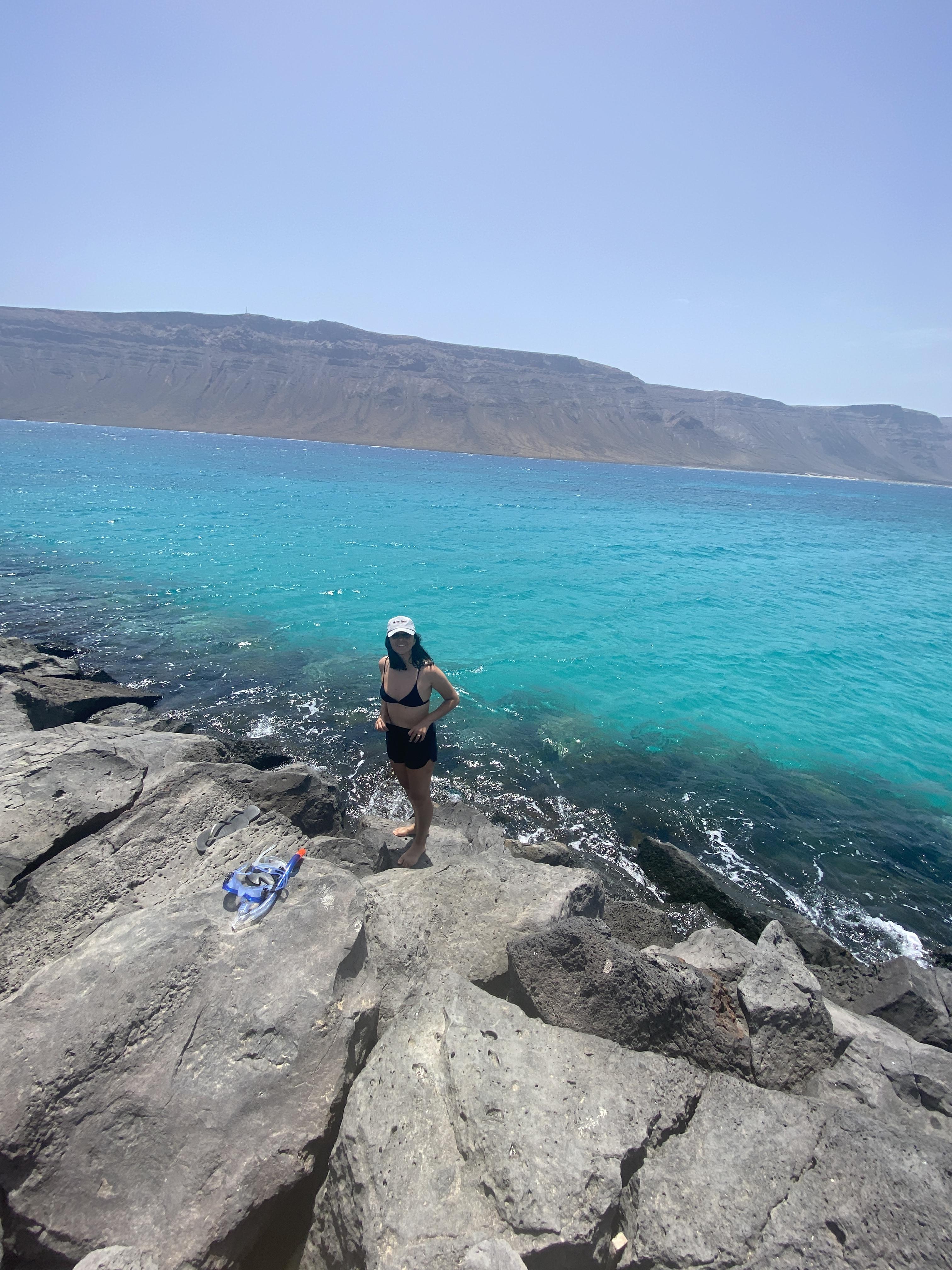
Dr Carla Vera was born in Arrecife, the capital of Lanzarote, and grew up between Lanzarote and a small island very close to it called La Graciosa.
She says, “Growing upon an island has its peculiarities, especially in the Canary Islands, which form a tricontinental territory between Africa, Europe, and America. This creates an extraordinary cultural and landscape richness.
“As César Manrique used to say, ‘The Canary Islands are the origin of the Universe’ and for that reason, being born and raised here is an enormous privilege.
“My grandfather, who worked at sea like many Canary Islanders, often spoke about the health difficulties that sailors faced. He was responsible for basic care on board and would tell stories of sailors who, disoriented and hallucinating, tried to jump into the sea, and others who had a velvety tongue. With time, I learned these were episodes of delirium tremens and pellagra.
“From that moment, when I was very young, I became interested in health and its mysteries, in caring for people, and in promoting wellbeing. Medicine, among many other equally important professions, such as nursing, was a path to do so.”
Her passion for neurology came later.
“After finishing medical school, I travelled to Buenos Aires to explore other healthcare systems, and there I discovered the richness of the specialty. It was also there, during that time, that I fell in love with my wife, who had just been diagnosed with multiple sclerosis. Experiencing these treatments firsthand, at a moment when new therapeutic tools were rapidly emerging, gave me a deeper understanding of the specialty. That experience is where my vocation for neurology truly emerged, realizing it was a field in constant evolution and progress.”
Dr Carla’s ultimate goal is for Fuerteventura to become “a true stroke-protected island”. This means developing a sustainable system that functions effectively regardless of seasonal population fluctuations, staff shortages, or the challenges of being a non-capital island. The key pieces of the plan are training for every professional involved in the diagnosis and treatment of stroke patients, standardized protocols, better secondary prevention, more population education, achieving access to thrombectomy, measuring progress through systematic data recording in registries like RES-Q, and improving coordination across all levels of care, especially with EMS in the prehospital setting.
She says, “Early and efficient stroke code activation begins long before patients reach the hospital, and this coordination becomes even more critical in an island environment, where every minute truly matters.”
One final wave
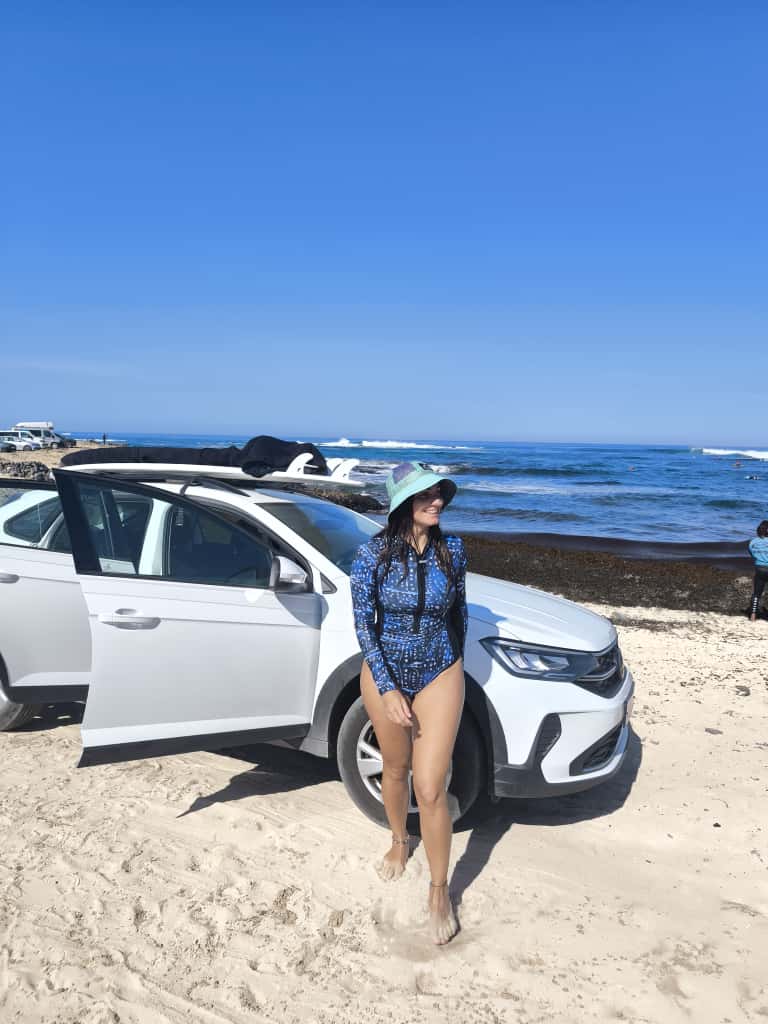
Susana did manage to catch a wave at Playa Punta Blanca late on Monday afternoon, before flying home the following morning. Surfing is something she does as often as she can, and she’s not the only one.
Dr Carla says, “Growing up surrounded by the ocean makes it almost inevitable to develop a connection with the sea, even if my skills on the board are still modest. I truly admire the surfing culture of the islands, and I hope that with Susana’s influence, my technique in the water will keep improving – just as our stroke care continues to rise to the next level with her support.”


