
If an Angels Region is one where institutions collaborate to ensure the best possible outcomes for stroke patients, then you could make the case that Mendoza has been an Angels Region since around October 2024.
That was when an agreement was signed between the Ministry of Health and the Angels Initiative to implement and grow the Provicial Stroke Network so all stroke patients in Mendoza province could access emergency treatment and quality care, no matter where they lived. The official launch took place on 29 October, and from that moment on, says Angels consultant Romina Delgado, the operation of the network across the rest of the province was formally established.
But the groundwork was laid much earlier. The telemedicine network TeleACV was conceived in August 2021 as the answer to maximizing the availability of stroke care in the province. Hospitals with no neurology department, but which had a CT scanner, intensive care unit, and the capacity to offer round-the-clock care, would connect via video call to the Central Telestroke Unit (UTAC) located in the Luis Lagomaggiore Hospital, and receive support with asssessment, diagnosis, therapeutic decision making, and post-acute care.
The first Peripheral Telestroke Unit (UTAP) became operational at Malargüe Regional Hospital about 350 km from the provincial capital in August 2022, followed one year later by Hospital Regional Antonio J. Scaravelli in Tunuyán and Hospital Enfermeros Argentinos in General Alvear.
With 10 as the goal, the network has already expanded to seven hospitals, three of which – Hospital Luis Carlos Lagomaggiore, Hospital Carlos Saporiti and Hospital Schestakow – have so far won WSO Angels Awards. Hospital Schestakow became the province’s first diamond hospital in Q4 of 2024.
Also among the awards is Hospital El Carmen de OSEP, one of two private hospitals that also submit their data to the stroke quality improvement registry, RES-Q.
The entire network participates in data reporting, Romina says. “Although only four hospitals were required to qualify as an Angels Region, Mendoza has consistently monitored quality through RES-Q, progressively incorporating more hospitals.”
Even hospitals that admit too few stroke patients to qualify for an award continue to register data because data collection is essential for identifying opportunities for improvement, Romina says. “This approach has already delivered concrete results, and the goal is for all hospitals in the Angels Region to continue progressing in stroke care quality.”
Mendoza is Argentina’s first Angels Region (although the distinction is now shared with Córdoba Capital and Maipú).
The enthusiasm and support of both the Minister of Education and the Minister of Health were key to achieving this goal as it provided institutional backing, facilitated coordination among stakeholders, and enabled sustained and orderly implementation of the Angels Region. “They were there from the beginning,” Romina says.
There even before the beginning, has been Dr Federico Giner, neurologist and stroke coordinator at Luis Lagomaggiore Hospital. A true Angels ambassador, Romina says he played a central role in coordinating the Provincial Stroke Network and in implementing the Telestroke Network in Mendoza.

Shared progress
There are now well over 100 Angels Regions around the world, and without exception they are located in communities that have displayed collective goodwill and mastered teamwork. Una buena atención del ictus requiere la máxima coordinación y colaboración, y también la protección de la cadena de atención para el ictus. Esa cadena puede comenzar en el domicilio del paciente, en un lugar público, en un centro comercial o junto a un campo deportivo, y para evitar que un ictus se convierta en una catástrofe, es vital reconocer los síntomas y trasladarse inmediatamente a un hospital preparado para el ictus. This is why public awareness and a stroke-ready prehospital service are criteria for Angels Region status.
The Coordinated Emergency Service of Mendoza (SEC) is the province’s public prehospital emergency medical service. It is a centralized system under the Ministry of Health of the Province of Mendoza, and coordinates emergency care throughout the provincial territory, including the referral of patients with suspected stroke to the appropriate hospitals.
To qualify for the EMS Angels Award that is a requirement for Angels Region status, several key interventions were implemented, including intensive training, stroke-focused simulations, and the development and implementation of a prehospital stroke protocol.
Expanding training to SEC call center operators was a critical step for early detection and correct patient referral. This helped resolve a critical bottleneck in the system, Romina says.
The most striking indicator of the impact of these interventions is the improvement in joint work between Central Hospital Mendoza and the SEC. Hospital records show that prenotification increased from 33 percent 2024 to 100 percent in 2025.
Prenotification is a critical communication that allows for immediate stroke team activation, faster imaging, and quicker treatment. This improvement was decisive for both the SEC and Central Hospital to receive Angels Awards, Romina says. The SEC has been rewarded for outstanding performance with two EMS Angels diamond awards.
Mendoza Provincial Police members have also been trained to identify stroke signs and symptoms. Romina explica que, debido a su presencia casi permanente en los espacios públicos, actúan como primeros en responder y como los primeros destinatarios de las llamadas de emergencia. “In Mendoza, emergency calls are made through the 911 system, where the initial response is handled by the police, who then immediately refer the case to the SEC for medical assistance.”


A symbolic moment
The final piece of the puzzle was also the first link in the chain of survival. Public awareness of stroke is critical because immediate symptom recognition and action can lead to quicker medical intervention that drastically improves outcomes. This is why implementation of the FAST Heroes campaign is a criterion for Angels Region status.
In Mendoza the campaign benefited from strong interinstitutional coordination between the Ministry of Education, the General Directorate of Schools (DGE), the Ministry of Health, and the Angels Initiative, Romina says. The launch event on 16 September was attended by education authorities, including the Deputy Minister of Education Claudia Ferreras, Boehringer Ingelheim leadership, Angels regional leaders, and more than 600 students, marking the formal start of the campaign.
The DGE played a key role in territorial implementation, Romina says. Esto permitió a la campaña llegar a 33 escuelas públicas de diferentes departamentos de Darval. She says, “The reception in schools was highly positive, with strong ownership of the message by the educational community and multiple initiatives led by schools themselves, extending the impact far beyond the classroom.”
The campaign initially reached 2,000 students, later expanding to an additional 450 students from the Health Promoting Schools Program.
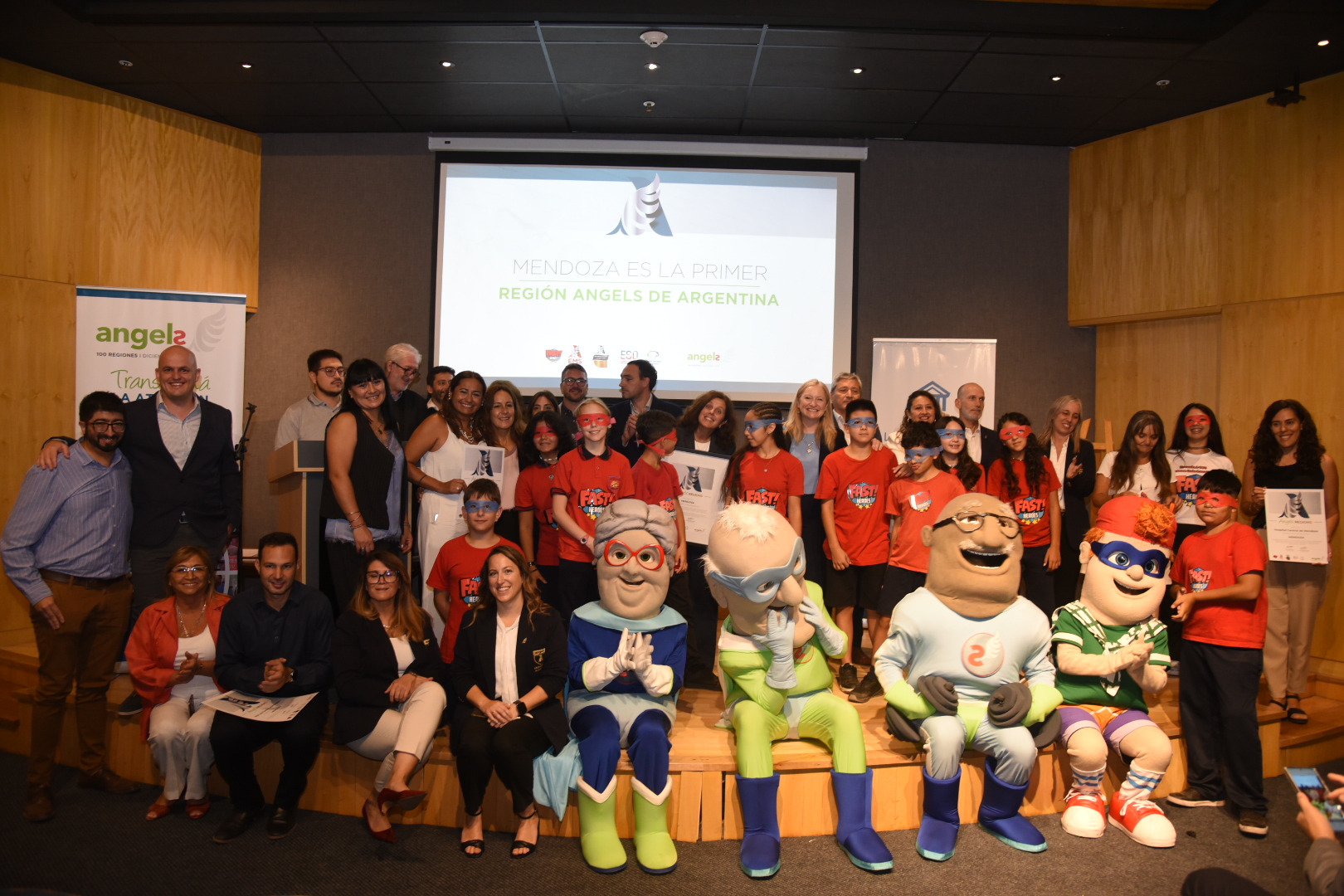
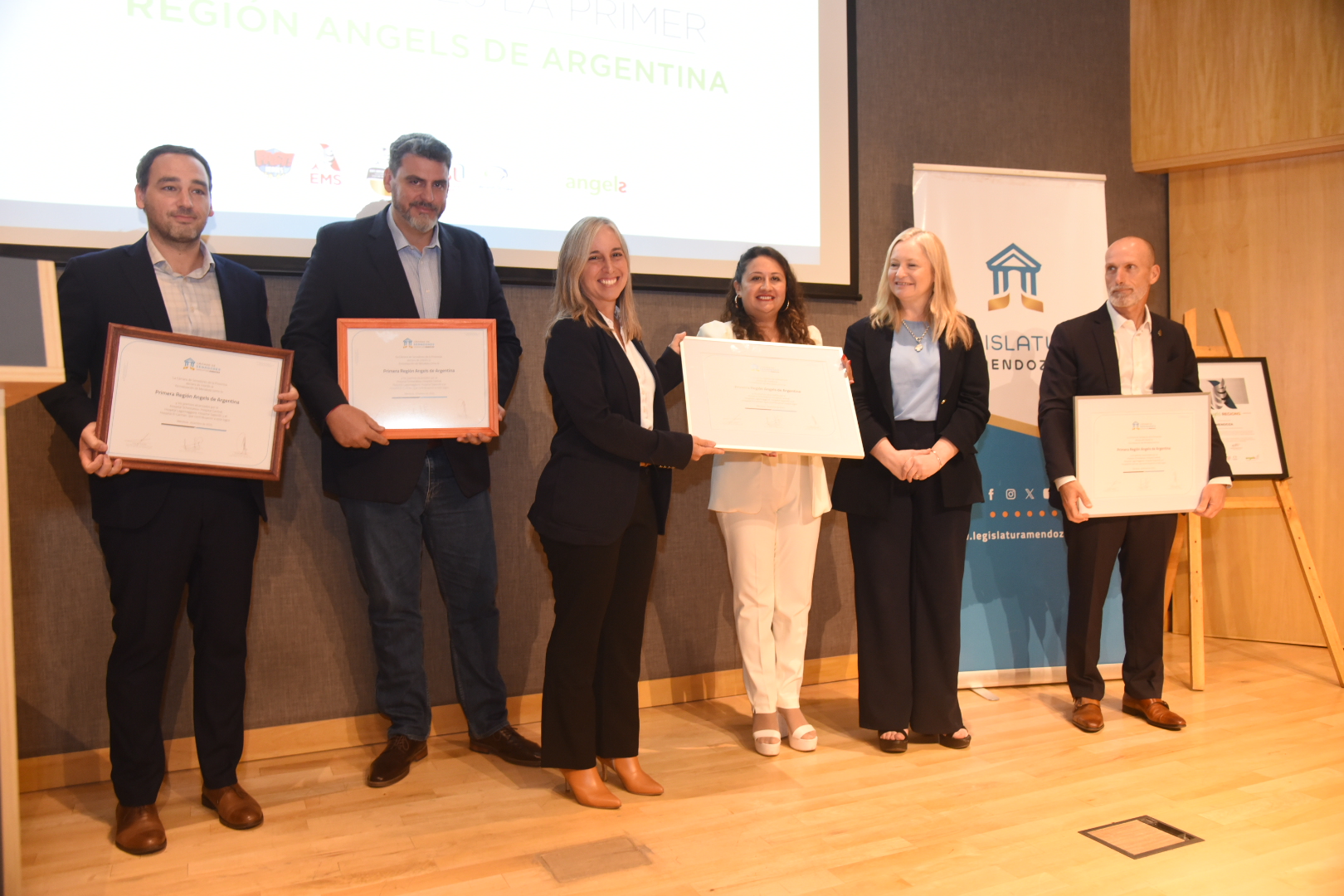
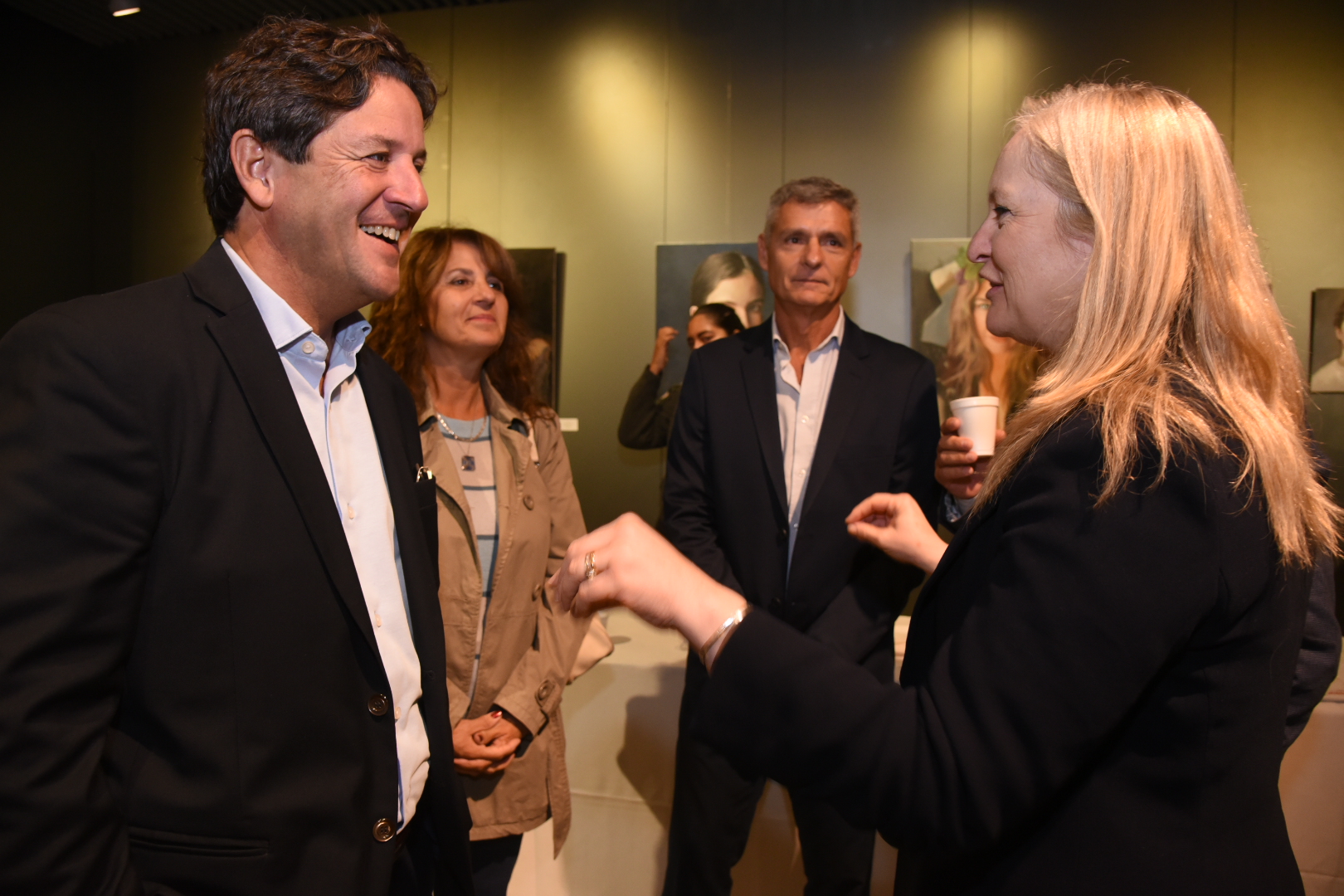
The participation of stroke-savvy superheroes from a local school delivered a heartfelt moment during the Angels Region celebration on 16 de marzo de 2026. The event took place at the Provincial Legislature, and everyone was there – Vice Governor Hebe Casado, Minister of Health Rodolfo Montero, Deputy Minister of Health Carina Coparoni, Deputy Minister of Education Claudia Ferreras and her team from the General Directorate of Schools (DGE), OSEP authorities representing private hospitals, and representatives from the ten hospitals that make up the network and register data in RES-Q.
From Boehringer Ingelheim, General Manager Martín Cottone and Sol Espinosa attended, along with South America Angels Lead Deborah Ferreras and Maia Gomez, team leader for Argentina, Uruguay and Paraguay.
They witnessed not only official confirmation of Mendoza’s Angels Region status, but also the formal declaration of the Angels Initiative as a Provincial Interest by the Provincial Senate. This represents a high-level political and institutional recognition of the Angels Initiative and of Mendoza’s designation as the first Angels Region in Argentina, Romina says. “Although it does not have regulatory force, the declaration holds strong symbolic and legitimizing value. It endorses the work carried out, and positions the province as a national reference in stroke care.”

Shared pride
Yes, she feels enormous pride – above all, shared pride, Romina says. “This achievement is not individual; it is the result of the commitment, vocation, and sustained work of countless professionals who believed in the Angels Initiative.”
Like in many other Angels Regions, Romina confirms that becoming an Angels Region has benefited this community beyond stroke care. It strengthens health awareness, she says, and improves coordination between health, education, and community sectors.
Her next objective is to support hospitals in the region through their certification processes. Currently, Mendoza has two certified hospitals – Central Hospital and Hospital Lagomaggiore – with two more waiting in the wings.
Romina says, “We are actively working on this in 2026, strengthening teams, promoting continuous improvement, and accompanying each institution according to its reality and pace.”
To regions who want to emulate Mendoza’s success, Romina’s advice homes in on process rather than outcome.
“Dare to start, step by step, with humility and a collaborative mindset. Trust the teams, foster network-based work, and understand that the most important part is not the final recognition, but the shared growth process.”


