
The South China Sea lies between them, their respective regions separated by more than 600 kilometers of open water.
When they both travelled to Australia to learn about stroke, their destinations were cities more than 3000 km apart.
Only one of them speaks Mandarin as his mother tongue.
Only one of them likes spicy food.
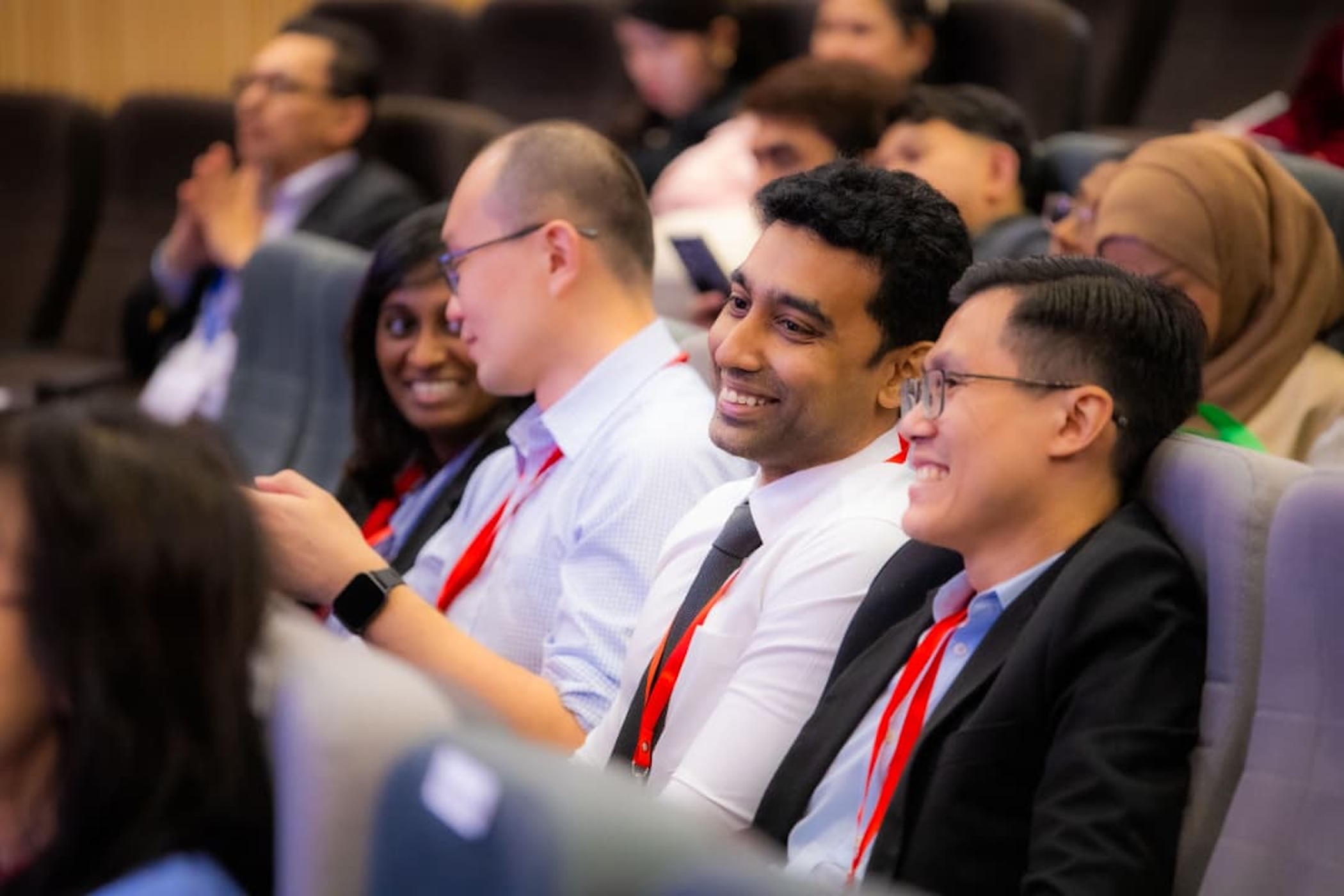
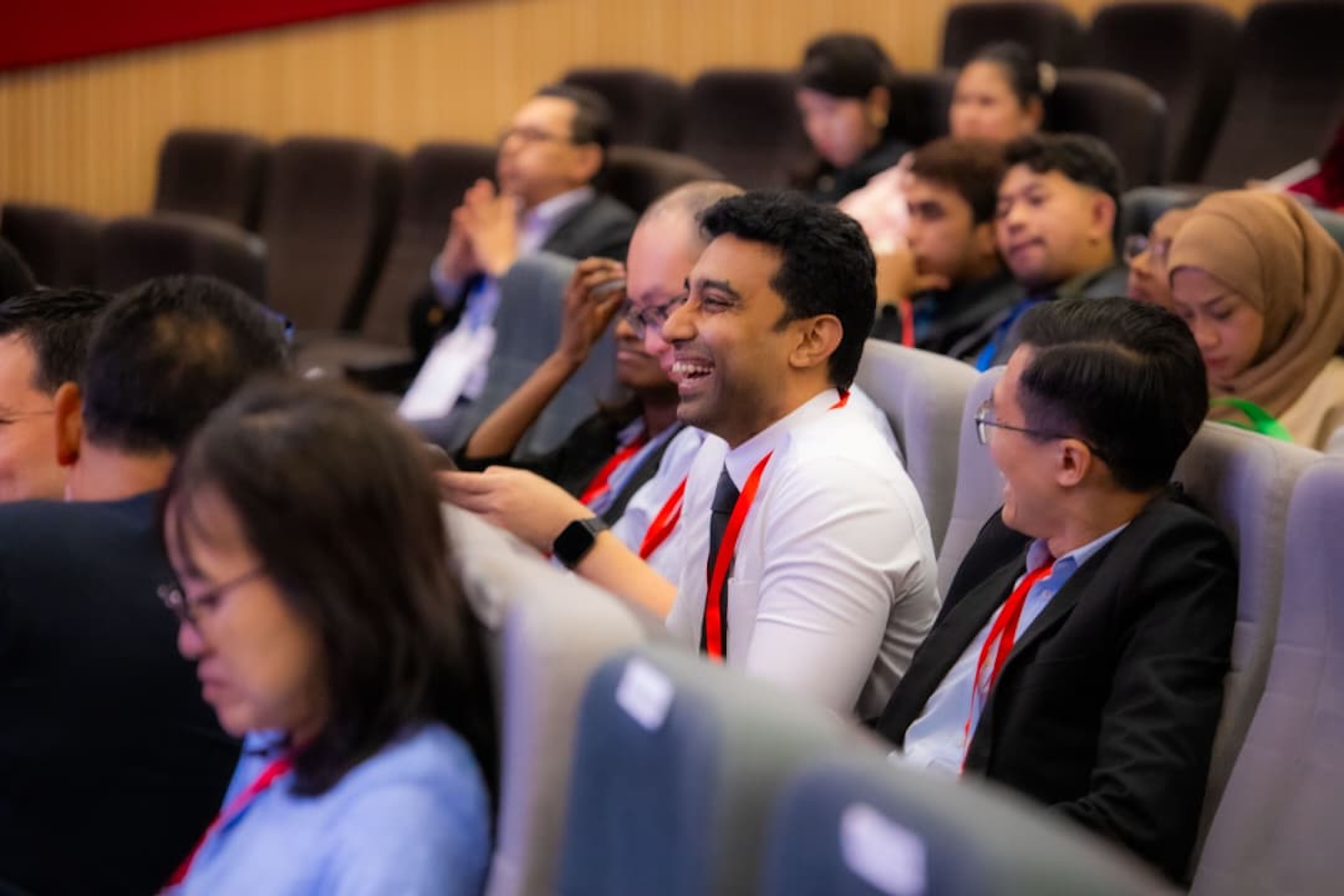
But though distance keeps them apart, Drs Tan Hui Jieh and Presaad Pillai are united by friendship, a cheerful disposition and a common mission – ensuring the best possible outcomes for stroke patients in their home states.
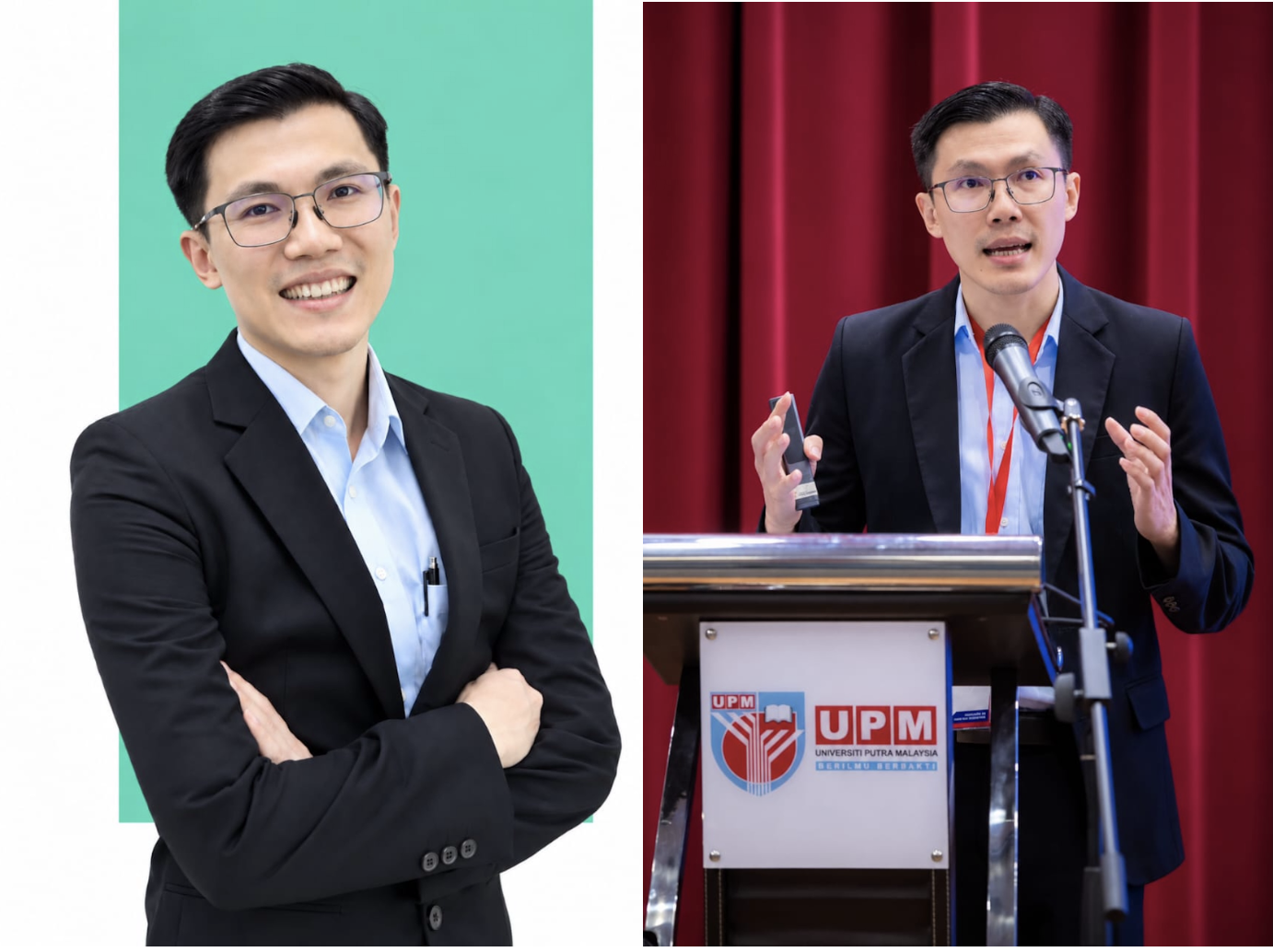
For Dr Tan, home is Ipoh, capital of Perak in northwestern Malaysia, about 90 minutes inland of the coastal village where he grew up. Since completing his neurology training in Malaysia and Australia, he has practiced here at two WSO Angels Award-winning hospitals. Alongside his clinical practice, he shares his expertise with district hospitals and educates the community about stroke in Mandarin, Malay and English.
He was initially posted to Sarawak in East Malaysia where only a provincial border would’ve separated the two friends. But Sarawak already had an established stroke service, Dr Tan explains. “That’s why I decided to return to my hometown and develop a system of care and a stroke network to serve the people of Perak.”
Dr Presaad grew up in Sabah, in the northern part of the island of Borneo. Sabah was what he had in mind when in July he posted on LinkedIn: “7 years. 7 hospitals. 4 countries. Finally back home – for good.”
Like Dr Tan, Dr Presaad came home with a mission, but his homecoming came at the end of a longer detour.
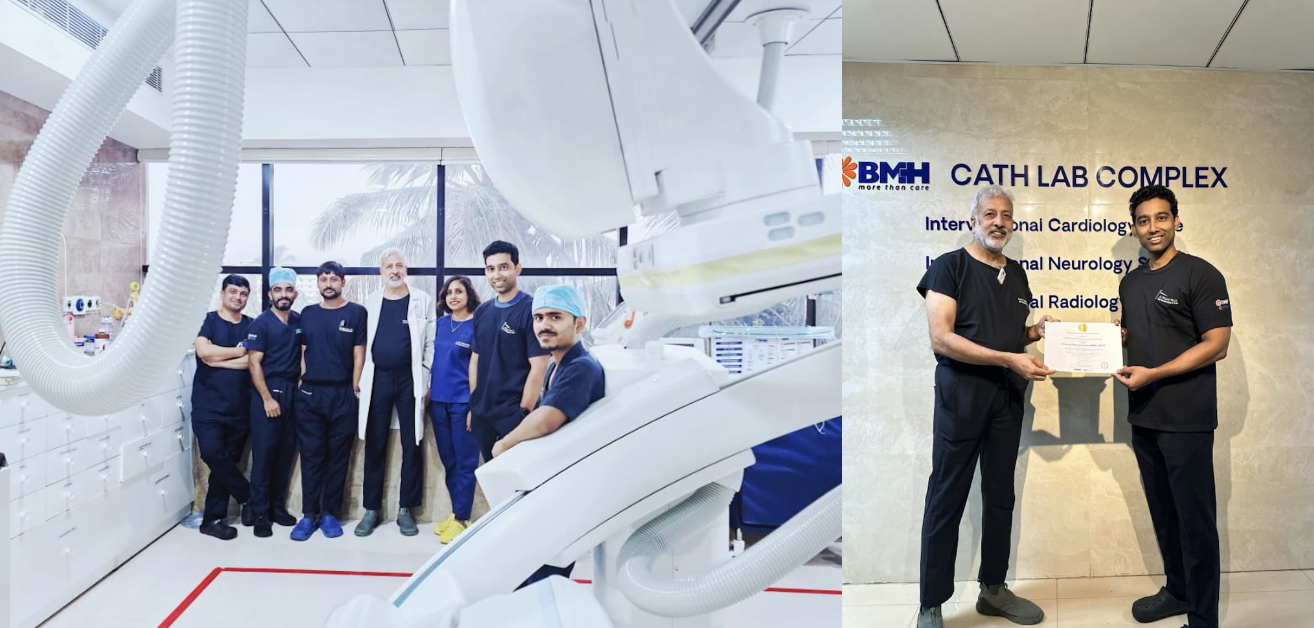
“Sabah is one of the states with the highest poverty rates in Malaysia, and because of its geographical location, it is often not the first choice for doctors when deciding where to work,” he explains. The doctors who do come to Sabah don’t stay long, including the sole neurointerventionist in 15 years, who left after one year. It’s the reason Dr Presaad decided to fill the gap himself, embarking on something of an obstacle course to become the first Malaysian neurologist to qualify as a neurointerventionist.
Having funded his own studies in India and Switzerland, the final leg of the journey now takes him to Peninsular Malaysia to get his credentials in neurointervention.
Breaking new ground comes with its own set of challenges. At least he will be within a two-hour train ride of his friend, Dr Tan.
The pillar of Malaysia
The two doctors got to know each other while studying neurology. Two years older, Dr Tan had a six-month headstart, which meant they had little opportunity to work together. They drew close nonetheless.
“Sometimes it’s chemistry and you cannot really explain it,” Dr Tan says. He is impressed by his friend’s enthusiasm, knowledge, the dedication it took to pay for his own training and study abroad, and the courage to be a pioneer.
“I always say he’s the pillar of neurology and neuro intervention in Malaysia,” he says. “I look up to him, and I’m glad we are good friends.
It was Dr Presaad who had a headstart in Australia, followed by Dr Tan six months later. Based in Perth and Melbourne respectively, they were attracted by the proximity, cultural overlap and the advances in stroke care. Dr Tan chose Sir Charles Gairdner Hospital in Perth, one of the busiest comprehensive stroke centres in Australia, and trained under Prof. Graeme Hankey and Dr Thomas Chemmanam. “My main needs were learning more about systems of care, prevention, and rehabilitation, every aspect of stroke,” he says, adding with a smile: “I didn’t go very deep into intervention – that’s only for the pillar of Malaysia.”
Dr Presaad, who, along with a generation of Sabah-based neurologists, had been inspired to take up the specialty by the brilliant and charismatic Dr Chia Yuen Kang, was once again looking for a teacher.
He says, “I decided to go to Melbourne because I wanted to train under a neurologist who did intervention.” Studying under neurologist and endovascular neurointerventionist Prof Bernard Yan at the Royal Melbourne Hospital seemed the best way to learn, network, and unlock the door to practicing in Malaysia. “It was also a way of finding out what I was getting myself into.”
He came back even more convinced than before.
One mission
Neurology rarely gives up its answers easily. It’s exactly the kind of puzzle that appeals to a keen video gamer like Dr Tan. “It’s like being a detective,” he says. “You gather the history, examine every detail, and systematically work through the evidence until you get a diagnosis. That’s why I became a neurologist.”
The appeal of vascular neurology and stroke was the potential for improving the patient’s quality of life. Now his focus has expanded to building networks, to make hyper-acute care accessible outside the capital. “The service should not only be accessible in urban regions but to the entire population, no matter where they are,” he says.
Across the South China Sea, Dr Presaad is driven by the same purpose. The people of Sabah shouldn’t have to fly to Peninsular Malaysia for treatment, he says.
As both a neurologist and neuro-interventionist, he will oversee every stage of the patient’s care. “And whatever the outcome, the entire responsibility and accountability will fall on me.”
His focus is on Sabah for now, but ultimately the goal is to make optimal care available from coast to coast, especially in stroke.
The remedy for Malaysia’s growing stroke burden depends on coordinated action across multiple fronts, the doctors agree. Community education. Government policy that makes stroke a priority. Funding to train more neurologists. Streamlining the path to becoming a neurologist.
Currently, Malaysia ties with Myanmar for the longest path to become a certified neurologist, requiring at least 16 years from the start of undergraduate training.
“So we are all old,” Dr Presaad quips.
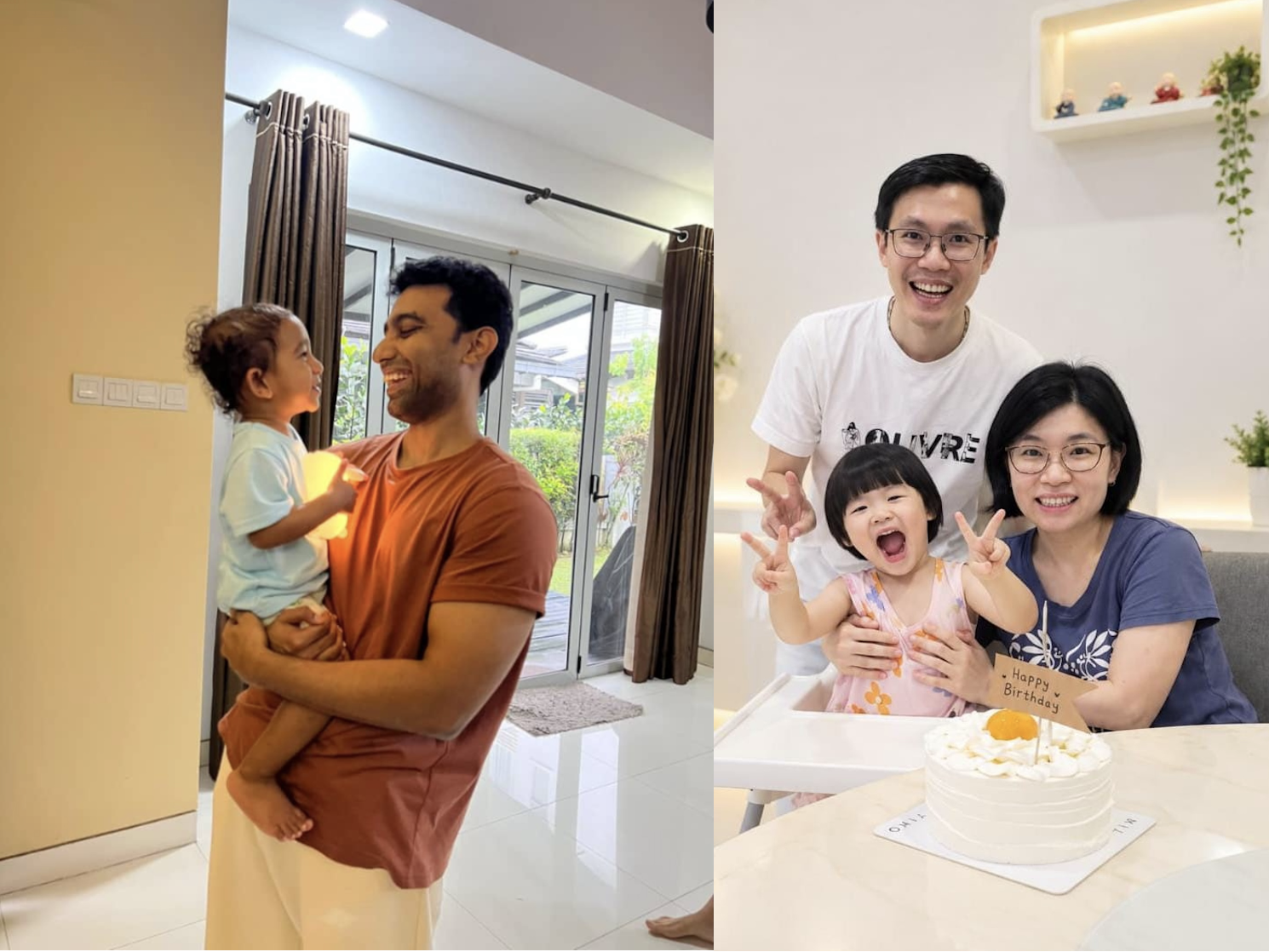
Legacy is a big word
At 39 and 41 respectively, they’re not only far from old: their bright temperament and naturally upbeat manner make them seem even younger.
“I think we are usually very happy people,” Dr Presaad says. “Of course our work is stressful but I don’t think it affects how we act and react around others.”
“I totally agree,” Dr Tan says. “I also think we really need to stay calm because decisions need to be made as precisely and accurate as possible in a very short period of time.”
On those occasions they spend time together, they don’t only talk about work, Dr Tan says. “Of course, when it comes to academic discussions, I’m usually the one asking the questions. But we talk about all sorts of things: our families, hobbies, food and, of course, eating spicy dishes. You know, adding three spoonfuls of chilli to his meal. We do all the things any friends would do.”
They are both fathers. Dr Tan wishes he could spend more time with his five-year-old daughter. For Dr Presaad, being away from his now-three-year-old baby boy was by far the hardest part of neurointervention training in India and Switzerland.
“It would have been easy to leave everything else behind, but being apart from my son when he was a year old was the more difficult part of the entire process.”
As parents and pioneers, thoughts of legacy inevitably arise.
In Perak state, Dr Tan is building his legacy one protocol at a time. The idea is to change culture, he says. “When I first came back to Ipoh, people would ask me why did you thrombolyse this patient. Now they’re more likely to ask why we didn’t. And this has become a culture, so things can run by themselves even when I am not around.”
“Legacy is a big word,” the pillar of Malaysia says. “I just hope that I build something that sort of outlasts me. So I hope I can make advanced stroke care more accessible to people in Sabah, and to the whole of Malaysia, and that I make the path to neurointervention a little easier for people who come after me.”
More than anything he wants his son to be proud of him when he grows up.
Their legacy is still being written, but one measure of the doctors’ success is the genuine pride they take in each other. As Gloria Steinem observed, “I am so proud of you that it makes me proud of myself.”


