

What to expect in Episode 16
Ep 16: Dr Sandor Nardai | The rule of three
Dr Sandor Nardai is a cerebrovascular disease specialist and chief of the biggest thrombectomy center in Hungary. As a licensed interventional cardiologist, neurologist and neurointerventionist, he is making an outsized contribution to stroke care in his country.
During a conversation recorded in Maastricht in May 2026, Sandor explained the “triple rule” that governs his career:
“From the very first part of my career, I really wanted to do the three jobs you need to do at the university clinic. So teaching, research, and healing patients. First was research. But then medicine really was interesting, and I thought that, well, if I do a medical degree, I could still be a researcher. And education is just fully integrated into it because it's a medical school.”
Sandor is associate professor and the head of Department of Neurointervention at the Semmelweis University Center of Neurosurgery and Neurointervention in Budapest, Hungary.
It’s a great job to be in, he says.
In this episode:
• Committing to the triple task of research, teaching and healing
• What cardiologists and neurologists can learn from each other
• Learning together on the job
• The importance of going abroad
• Why stroke is fascinating
• Why interventionists have to be team players
• Important questions research must answer
• Studying for an MBA
• A day in his life
• Leaving a legacy
LISTEN TO THE FULL EPISODE BELOW
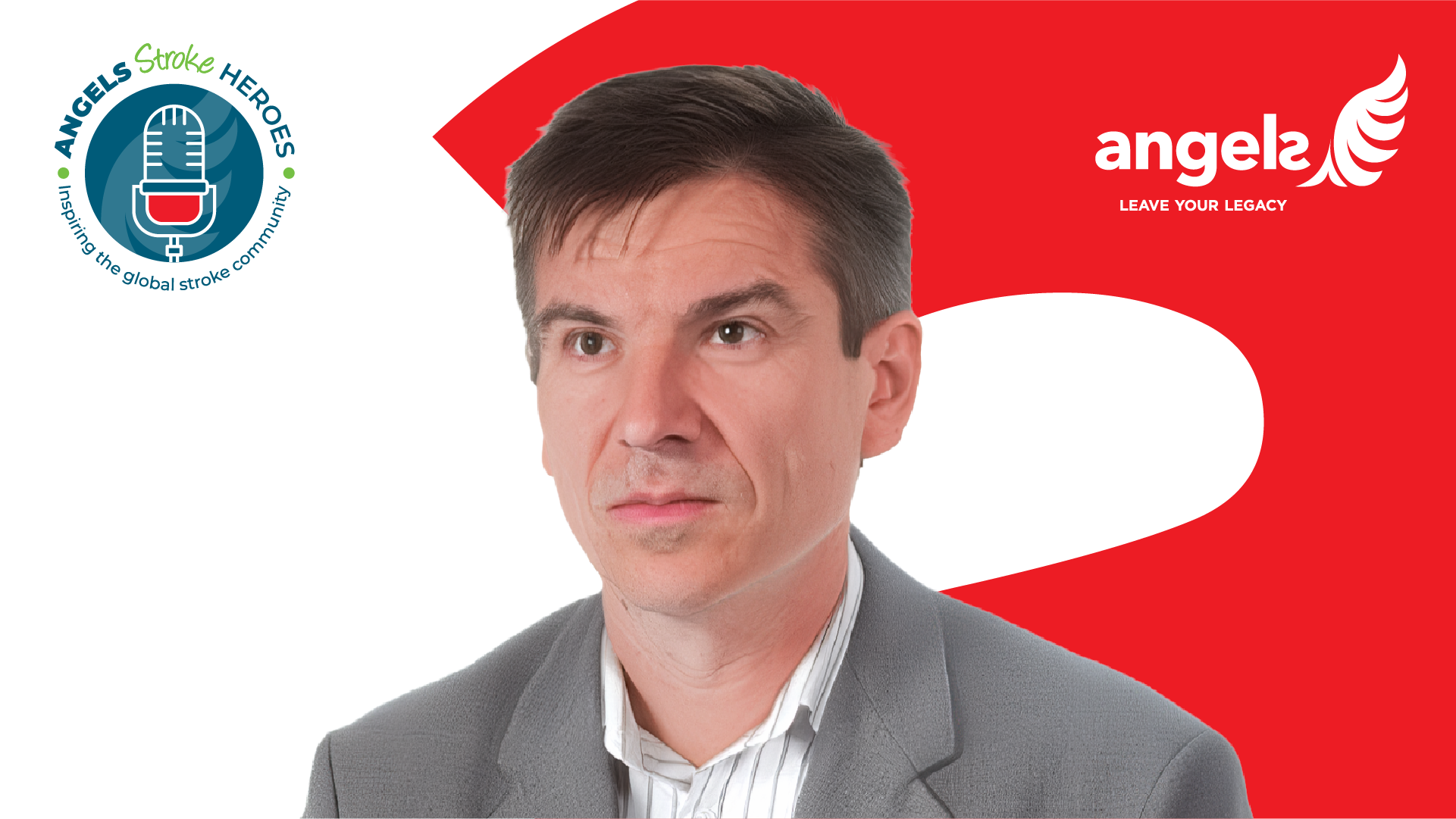
Dr Sandor Nardai heads up the biggest thrombectomy center in Hungary. He was the first interventional cardiologist in Hungary to obtain an official European and Hungarian license for performing neurointerventions, and he’s a board-certified neurologist too. Last year on 1 July, Sandor received his habilitation – a post-doctoral qualification that represents the highest level of academic achievement. It happened on Semmelweis Day when the world celebrates the Hungarian medical pioneer Ignác Semmelweis, but that was far from the only reason it was so significant . . .