
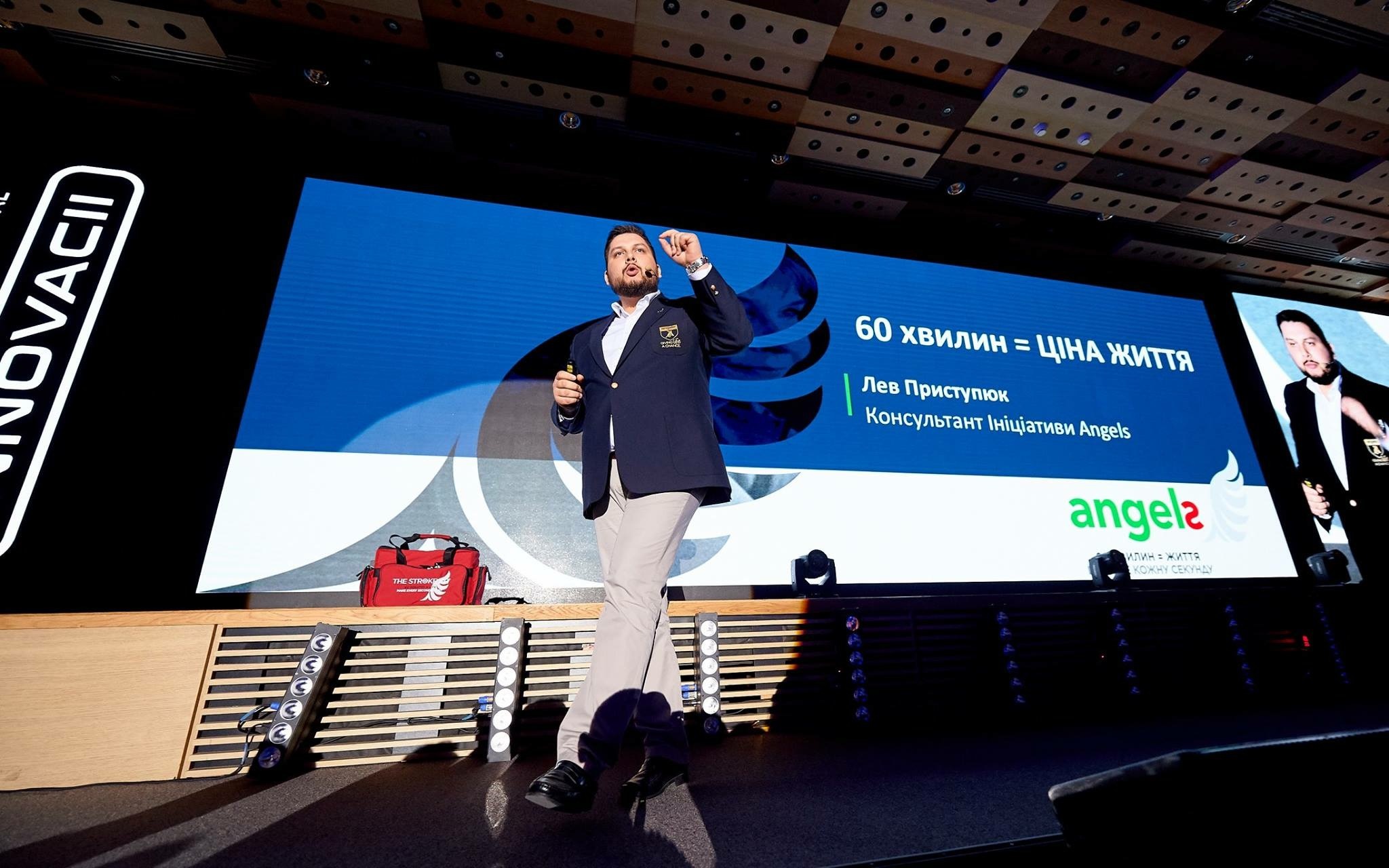
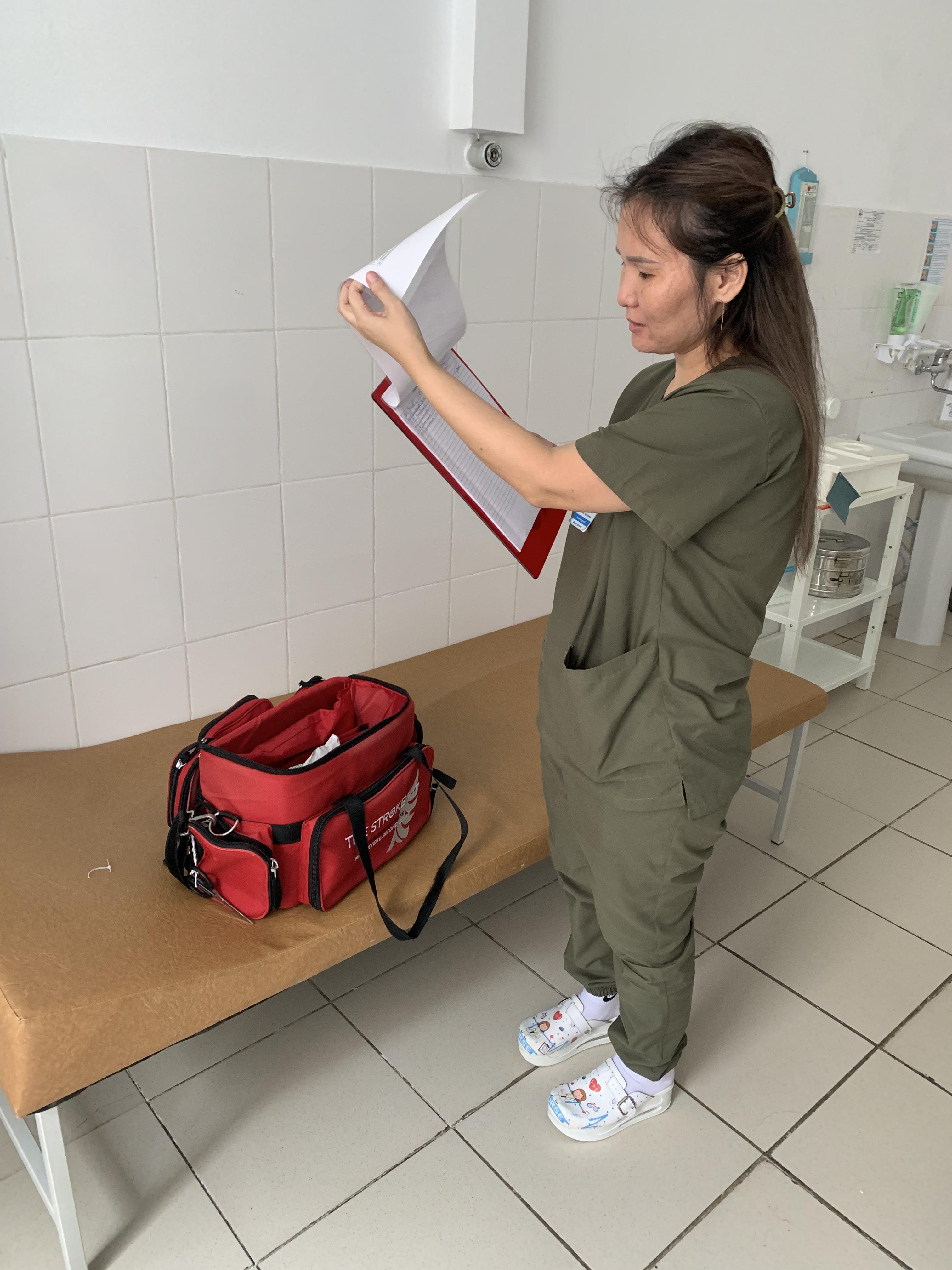
In 2019, Dr Nurbakyt Serikova from Kazakhstan accepted an invitation to the Angels’ signature Train-the-trainer event. During the two days she spent in Mainz, Germany, the future of stroke care in Kazakhstan’s Aktobe province came into focus. Returning from Mainz, Dr Nurbakyt saw no reason why stroke care in Aktobe shouldn’t be as good or better than in other parts of the world. She says, “I understood that it depended on us, that humans could change it.”
Learning, like changing, requires an open mind that embraces the idea that there may be a better way to do things. Before any learning can take place, we must, in the words of one expert, place ‘a welcome mat at the threshold of the mind’.
For Angels, the aim of education is not simply to impart knowlede, but to change practice. Doctors and nurses at Angels hospitals must adopt new habits in relation to stroke care. The training agenda is intentionally focused on actions which, if carried out consistently and with speed and skill, raise the standard of stroke treatment in any hospital or EMS, anywhere in the world.
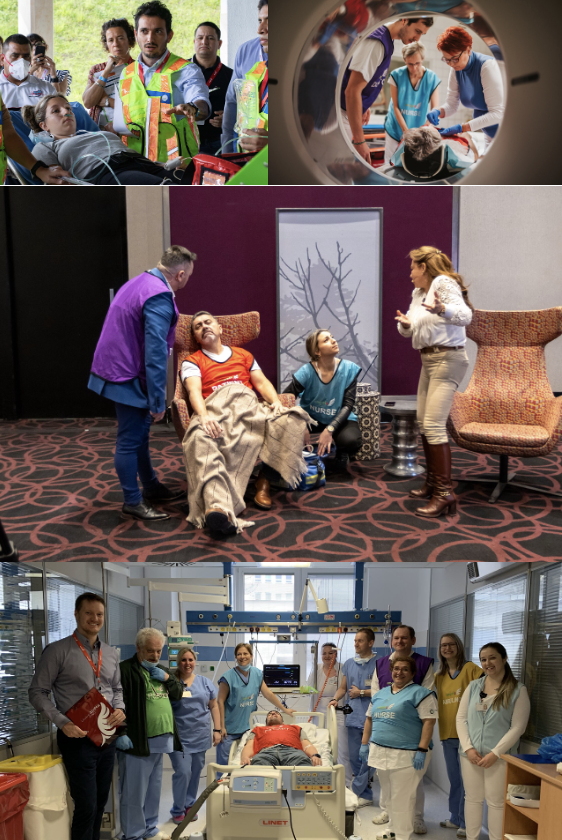
Train-the-trainer events are a cornerstone of the Angels education programme. First put to the test in December 2017 in Wiesbaden, it has since been replicated around the world, recently undergoing a tactical change when the agenda was expanded to include practitioners of prehospital stroke care.
Doctors who have completed the training use Angels slides and learning resources for their own training presentations and workshops in their own hospitals and regions. A key advantage of the format is that it scales training delivery in a cost-effective way while maintaining consistency, but Angels Train-the-trainer events accomplish much more. They give a platform to bright spots in stroke care from across Europe, and they grow and strengthen the Angels community, creating an ever expanding cohort of professionals united in the fight against stroke.
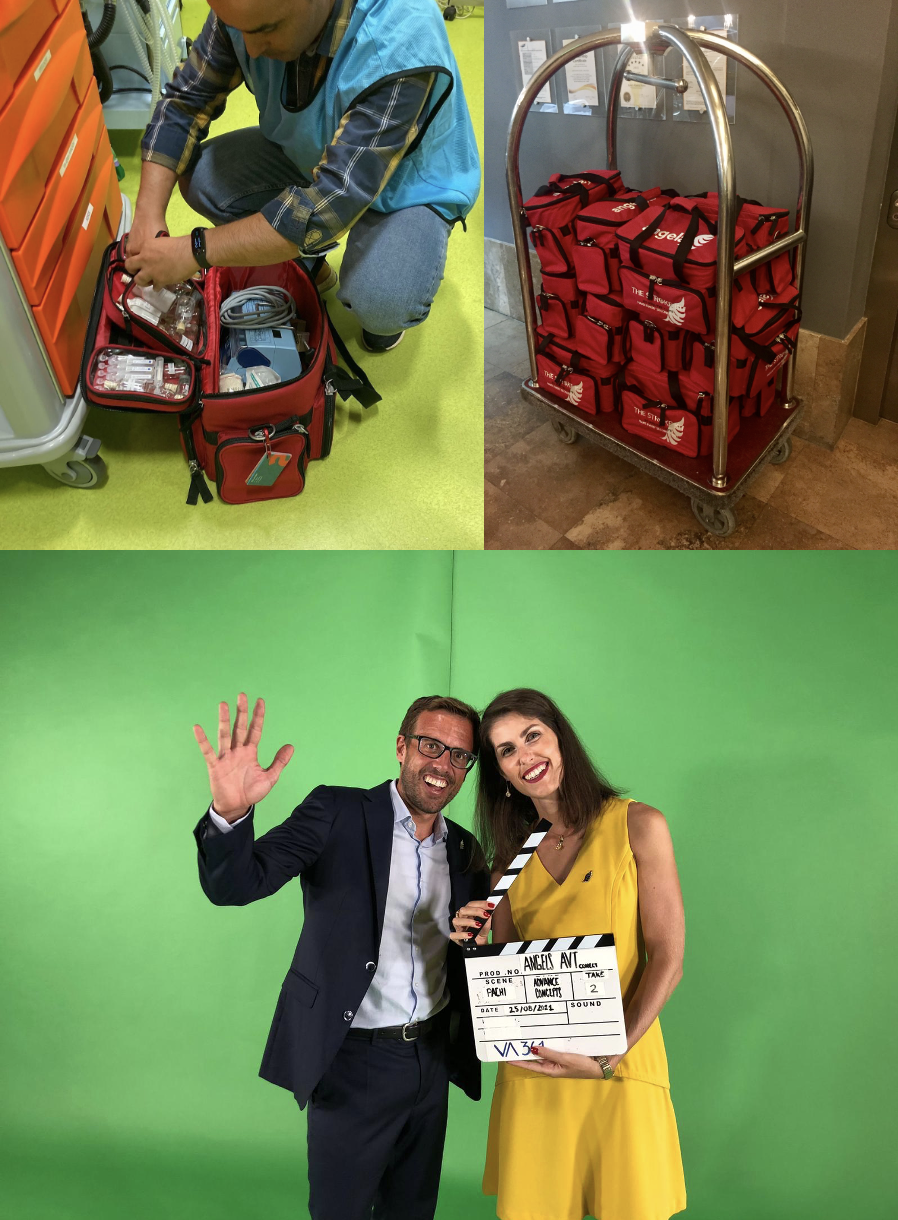
A safe place to learn
Pathway simulation is the key to reducing treatment times to improve patient outcomes.
It puts a magnifying glass over pathway performance, challenges perceptions, benchmarks performance, fosters multidisciplinary teamwork, instils belief in the potential for improvement, and encourages the adoption of new habits associated with the key priority actions.
In short, it ‘puts out the welcome mat’ for change.
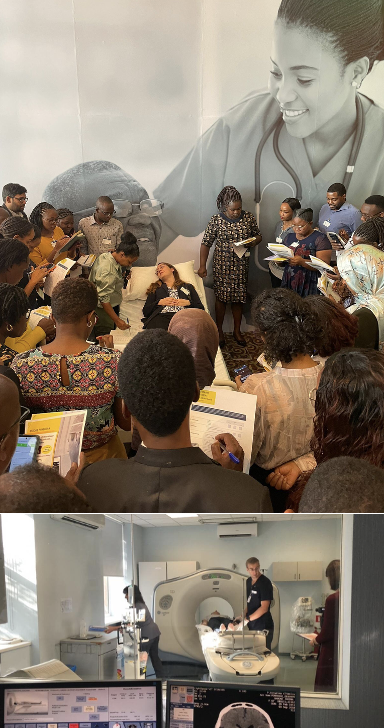
The first Angels simulation took place in South Africa in 2017, conducted by a nervous novice team of ‘experts’. Since then, countless stroke teams have benefited from role-playing decision-making and work-flow scenarios, learning to shave life-saving minutes from the acute stroke pathway. Joint simulation of the prehospital and hyperacute phase has helped Angels hospitals and ambulance teams deliver a higher quality of care, decrease treatment delays and improve patient outcomes.
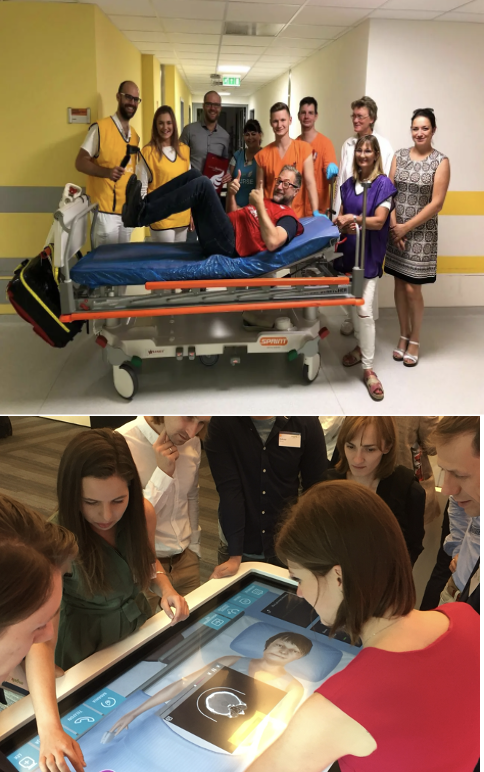
When the Covid pandemic suspended in-person training in 2020, a shift to online learning helped sustain momentum. The online education offering became richer, growing into a comprehensive e-learning platform for interactive online training, as well as comprehensive stroke education resources across a number of disciplines.
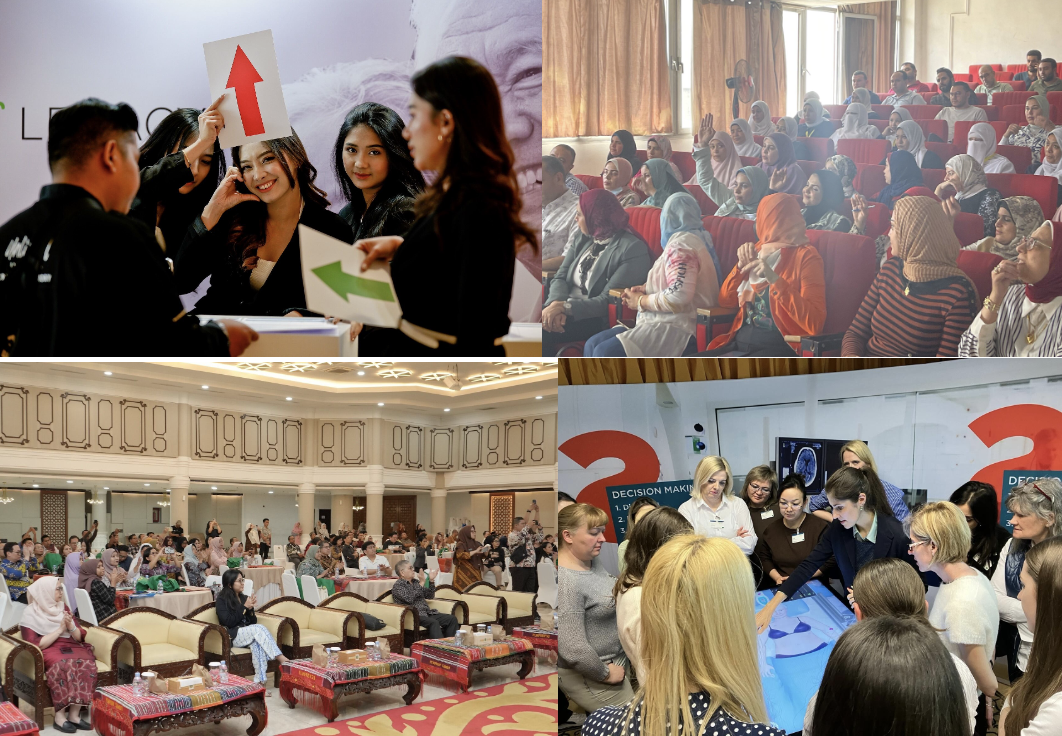
A steep rise in enrolment in the online Angels Academy mirrors the rising demand for online education worldwide, but it is also testimony to the Angels community’s dedication to building knowledge in order to raise treatment standards.
At Dr Nurbakyt’s hospital, the Mainz experience continued to pay dividends. A series of multidisciplinary simulations delivered important breakthroughs, and a program of standardized education using Angels online resources helped bridge knowledge and performance gaps.
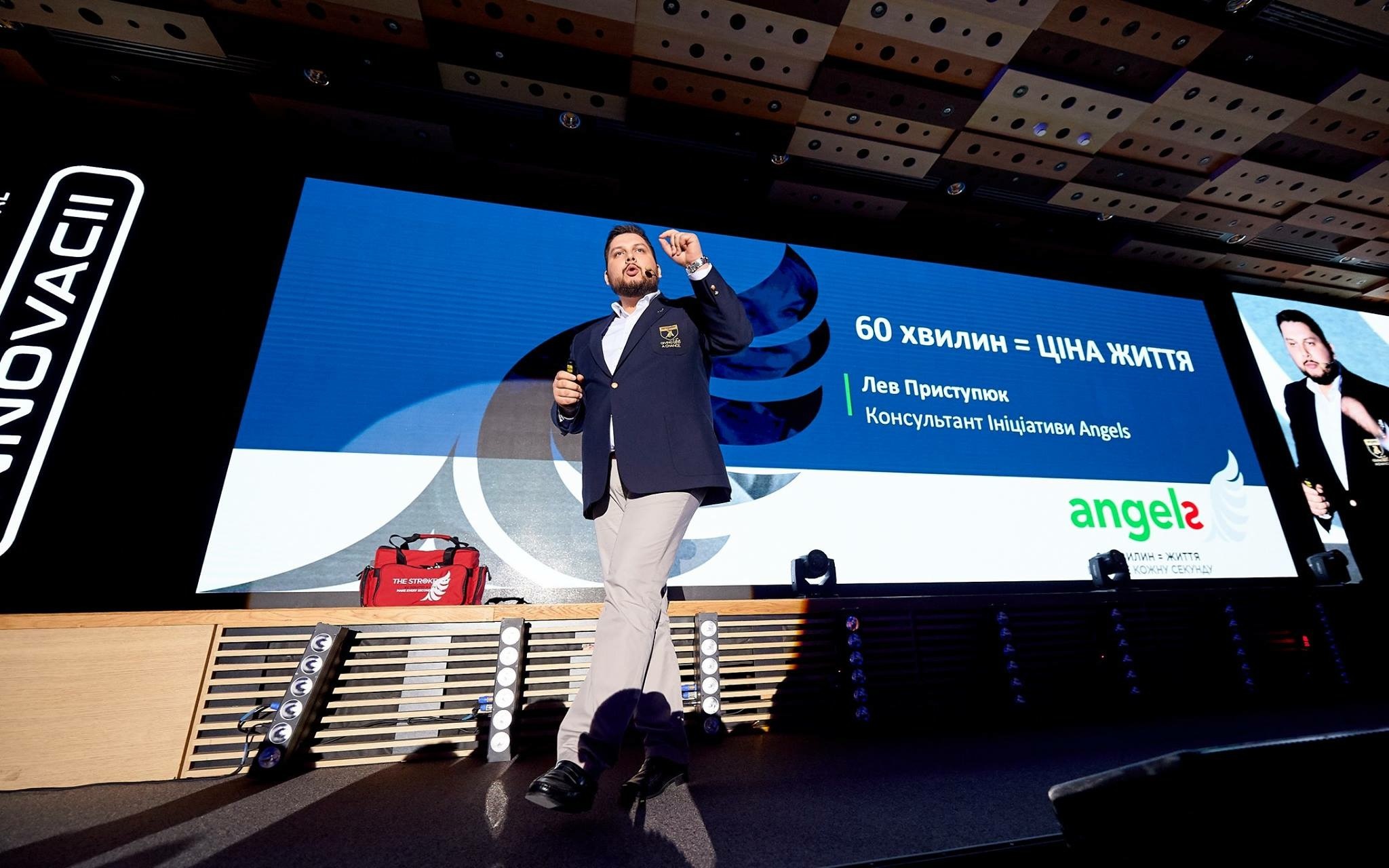
“It’s not just about saving people or giving them a normal life,” Dr Nurbakyt told the younger doctors in her hospital. “It’s about giving more time and moments of joy to families.”
In Q3 of 2024, the hospital won the first of five consecutive diamond awards, and at ESOC 2025, Dr Nurbakyt took her place on the awards stage beside some of the best hospitals in Europe.
In January 2026, four districts in Aktobe province officially became the first four Angels Regions in Kazakhstan, and in all of Central Asia.


