A new chapter in the story of Angels began three years ago in Ribeirão Preto, a medium-sized city located in São Paulo state, Brazil, a four-hour car ride inland of the state capital. On World Stroke Day 2023, it became Brazil’s first Angels City, laying the foundation for a new strategic approach, and a bold new plan to make the world safe for stroke.

The Angels Regions strategy arose out of the realisation that the stroke patient’s journey begins and ends in the community, not in the ambulance or in the emergency ward. The stroke chain of survival therefore depends on a collaborative effort between patients, family members, and healthcare professionals including EMS, to optimise delivery at every stage of the journey.
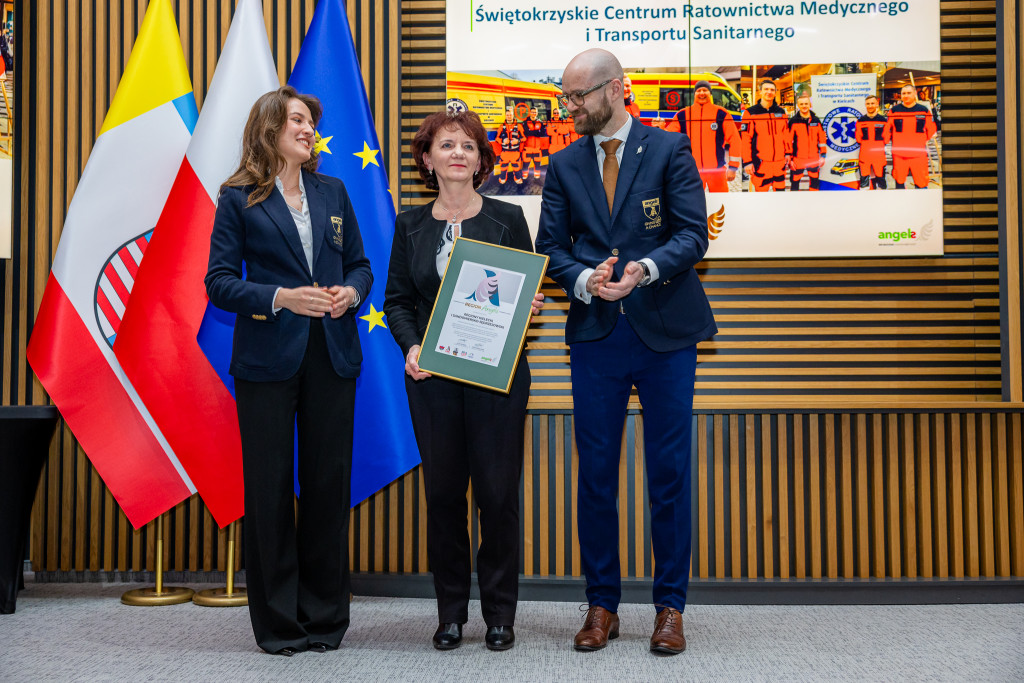
This means: an informed public able to recognise the symptoms of stroke, emergency transport to the right hospital, acute treatment that meets the highest standard, and finally, a discharge system that supports the patient’s reintegration into the community.
The concept is powered by the fact that it sets one goal to be achieved by everyone: If one doesn’t do it, then no-one can do it.
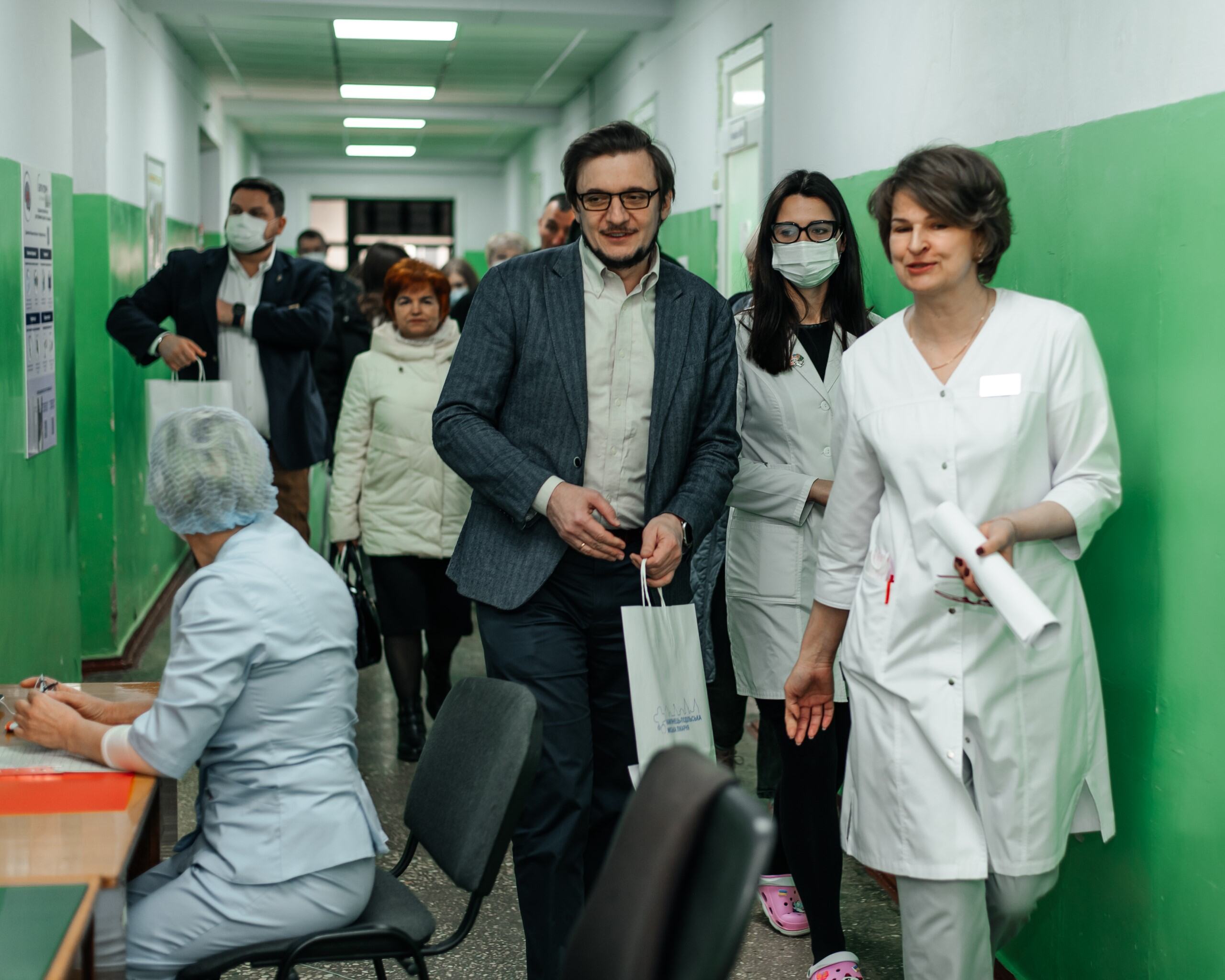
All for one
The idea that for one to succeed, everyone must succeed, became the rallying cry for the 100 Angels Regions strategy, formally announced to the global stroke community at ESOC 2024 in Basel, Switzerland, and again at the World Stroke Congress in Abu Dhabi, with an invitation to “join the movement”. The goal was to convert 100 Angels Regions by December 2027.

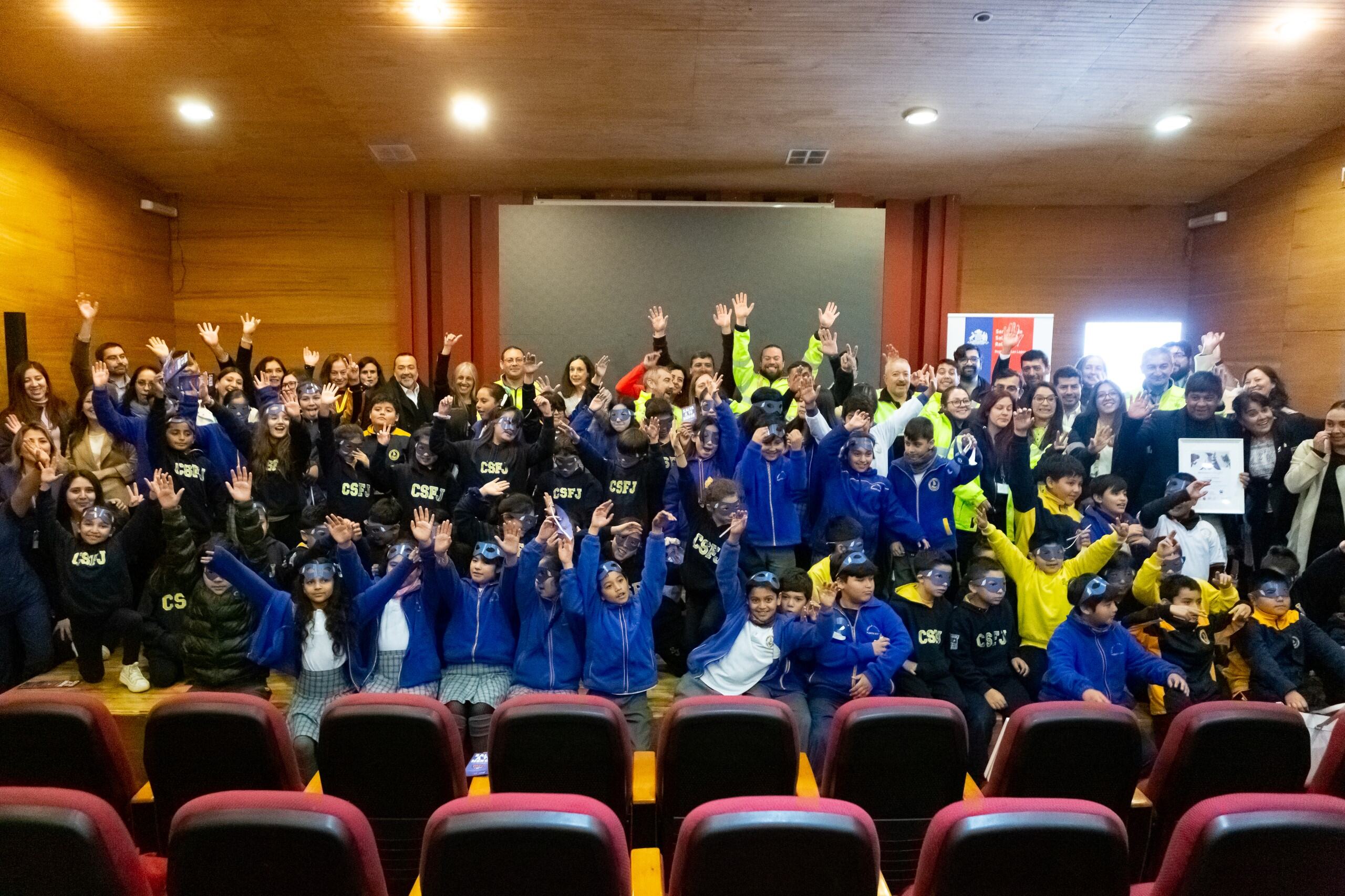
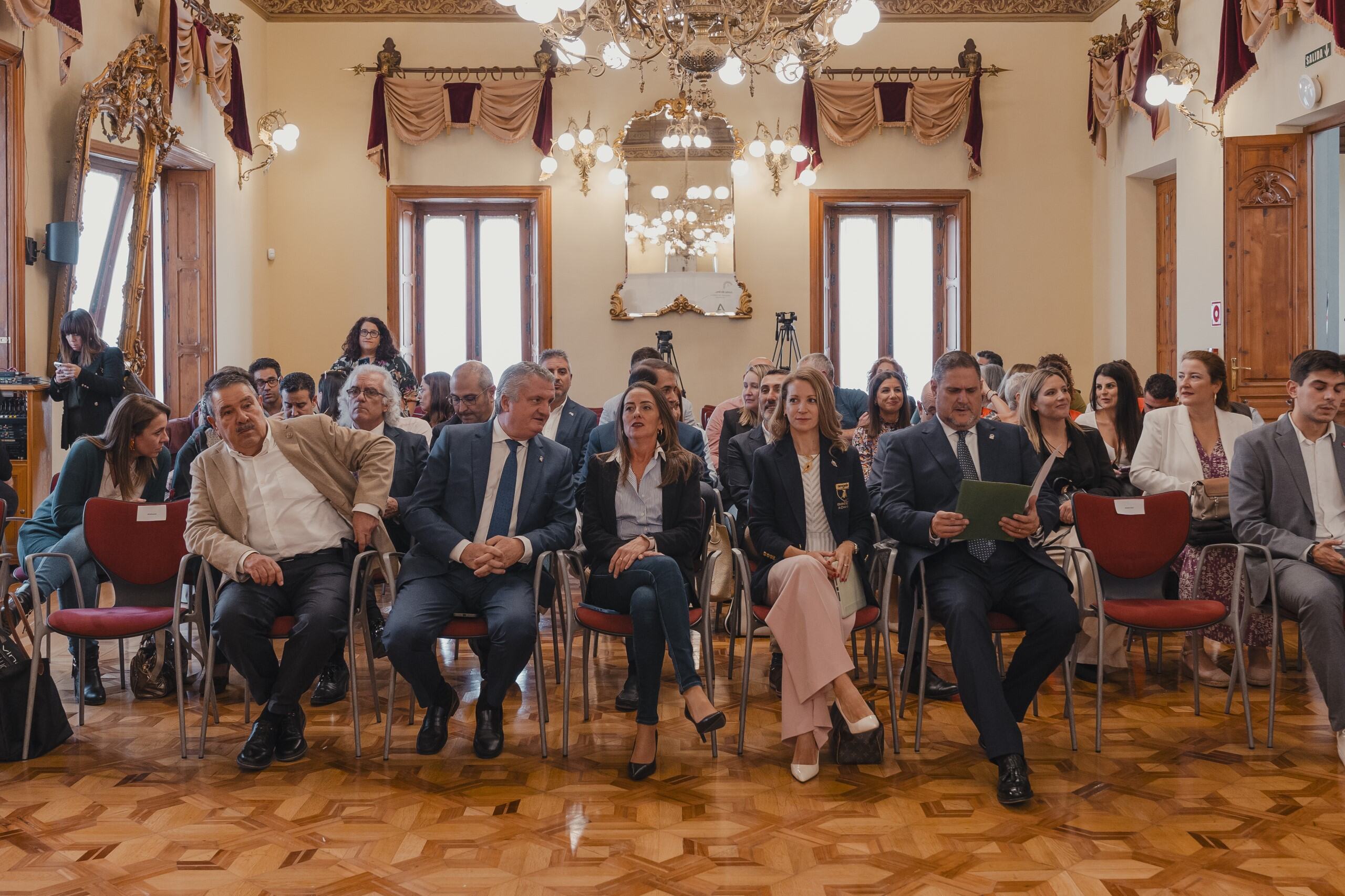
As the project gathered momentum, we recorded many firsts – the first Angels Region in Europe (Almería in Spain), the first Angels Region via telestroke (Ituverava in Brazil), the first capital city to become an Angels Region (Riga in Latvia), and the first Angels Region in South America (Del Reloncaví in Chile).
Pictures received from every corner of the world – Argentina to Malaysia, Ecuador to Vietnam – demonstrated that it takes a community to become an Angels Region, and a community to celebrate it.
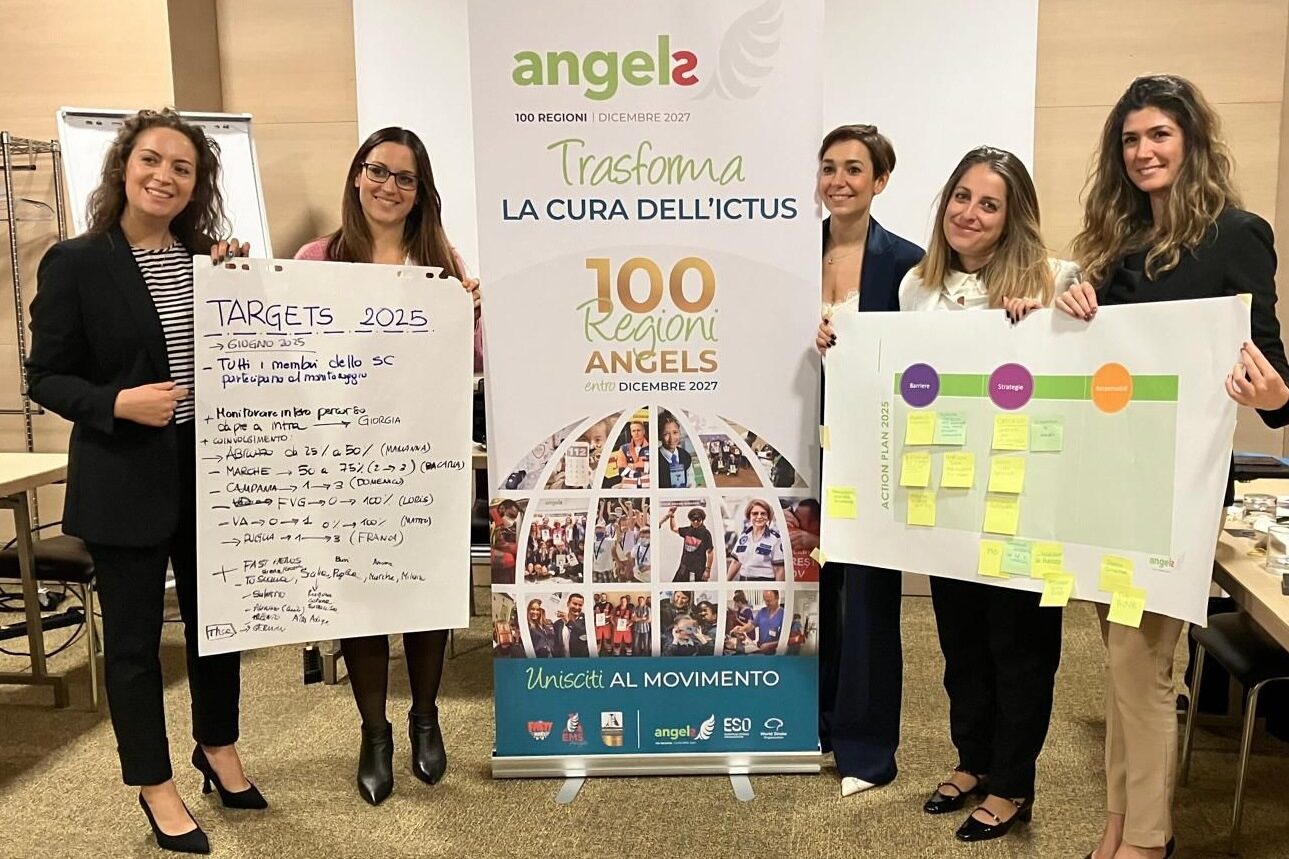
We soon learnt that becoming an Angels Region benefits communities beyond stroke. It turns out that getting local authorities in the same room with teachers and healthcare professionals creates opportunities to talk about issues that concern everyone, and to commit to actions that are in the interests of everyone.
To no-one’s surprise, we overshot the target in February 2026 and began to imagine entire countries where public awareness, EMS partnerships and acute hospital care are all optimized to deliver better outcomes for stroke patients . . .
By the time you read this, you could be living in an Angels Region yourself.