In Ribeirão Preto in Brazil, one week after World Stroke Day 2024, a small child dialed 192.
“I am here with my grandma,” the little girl told the operator. “I think a clot is attacking my grandma.”
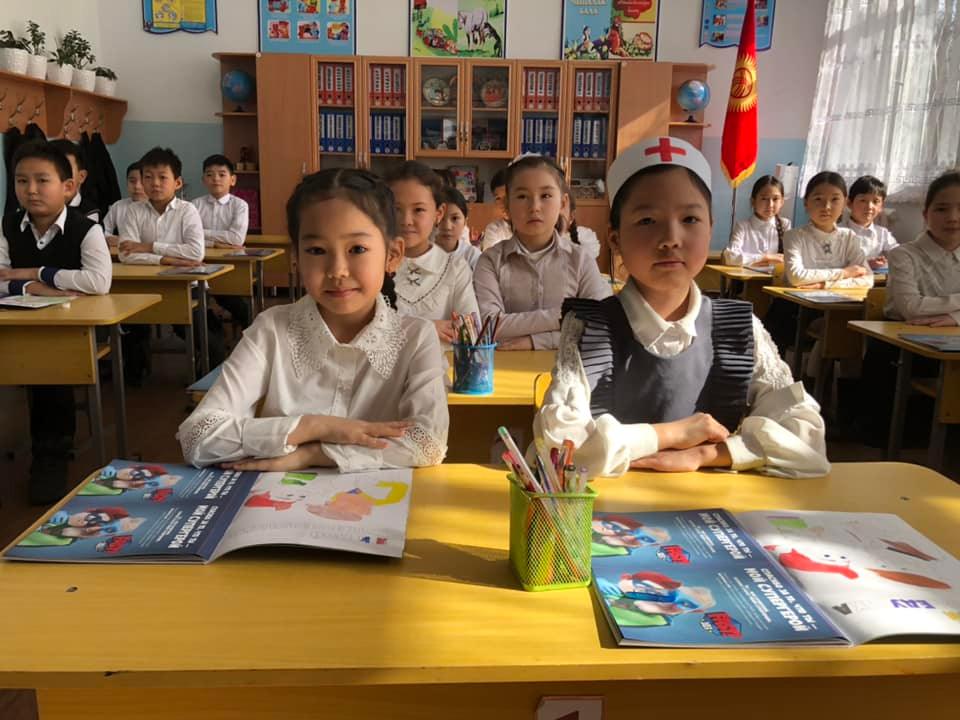
In the summer of 2023, Mr Martin Vishanov was teaching a computer lesson at Vasil Levski Comprehensive School in the Bulgarian city of Russe, when he began to feel dizzy. When he tried to sit down on his chair he crashed to the floor. Realizing Mr Vishanov was having a stroke, his class of third graders ran to find their class teacher, Mrs Diana Ilieva, who called 112. An ambulance arrived within 10 minutes and, after emergency treatment for stroke, Mr Vishanov was soon back at school.
11-year-old Liam Gelderblom, star goalkeeper at Brackenfell Primary School outside Cape Town, South Africa, was enjoying a sleepover with his Oumie in the farming village of Riebeek West when he heard strange sounds coming from her room. Recognising one of the symptoms of stroke, Liam alerted his mom Annouska, and an ambulance was quickly summoned to rush Oumie to a hospital in a nearby city.
In March 2021, 8-year-old Olha Tserklevich from Lviv in Ukraine was spending the afternoon with her grandmother, 71-year-old Svitlana Ivanivna Tserklevich. During their customary game of dominoes, Olha noticed Svitlana’s face was drooping on one side, and she seemed unable to pick up the dominoes with her left hand. Olha not only recognized the symptoms of stroke, she also understood the importance of acting fast. She ran to alert her parents who called the local emergency service right away.
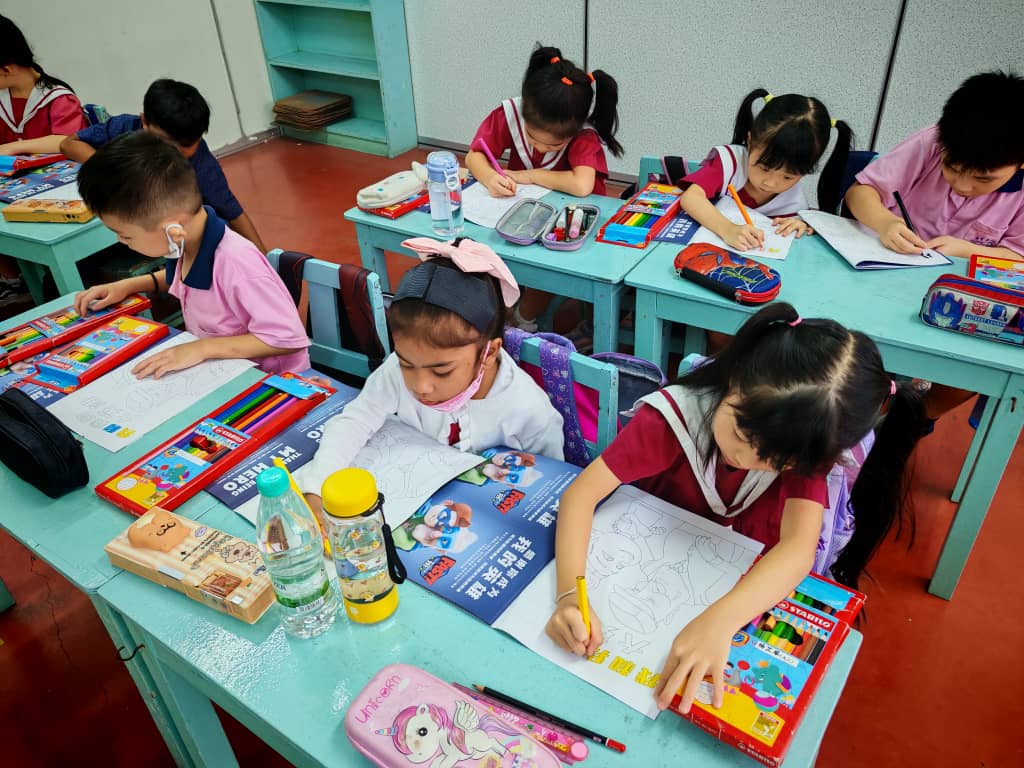
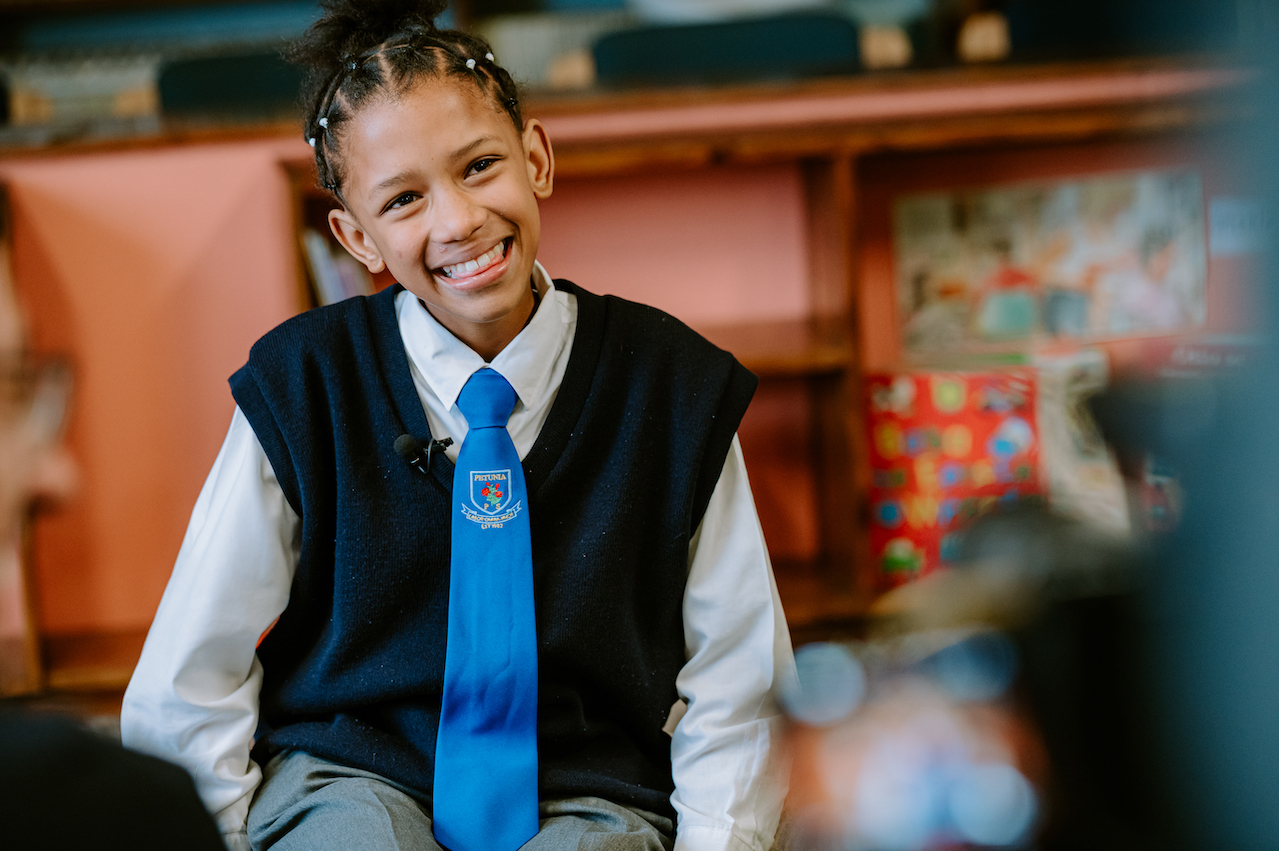
Class act
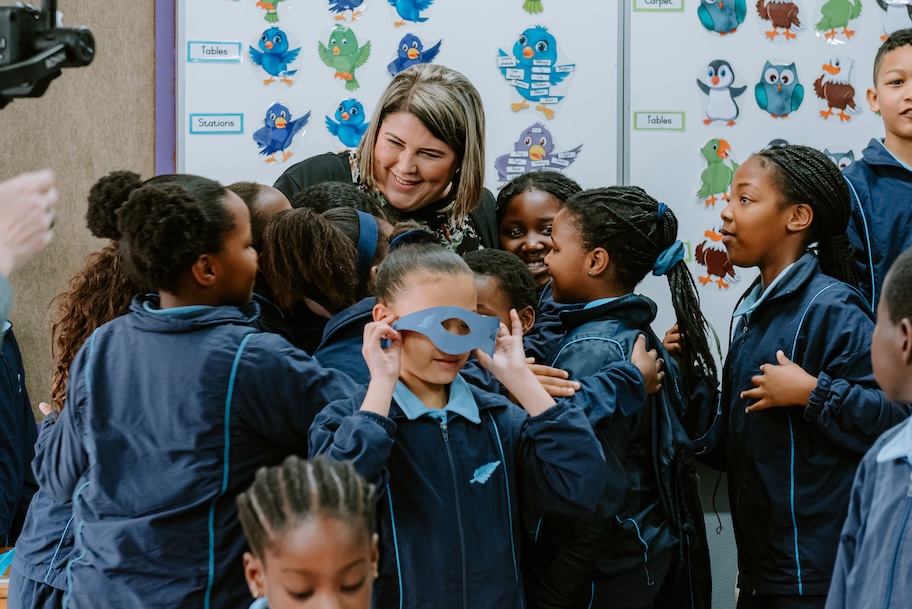
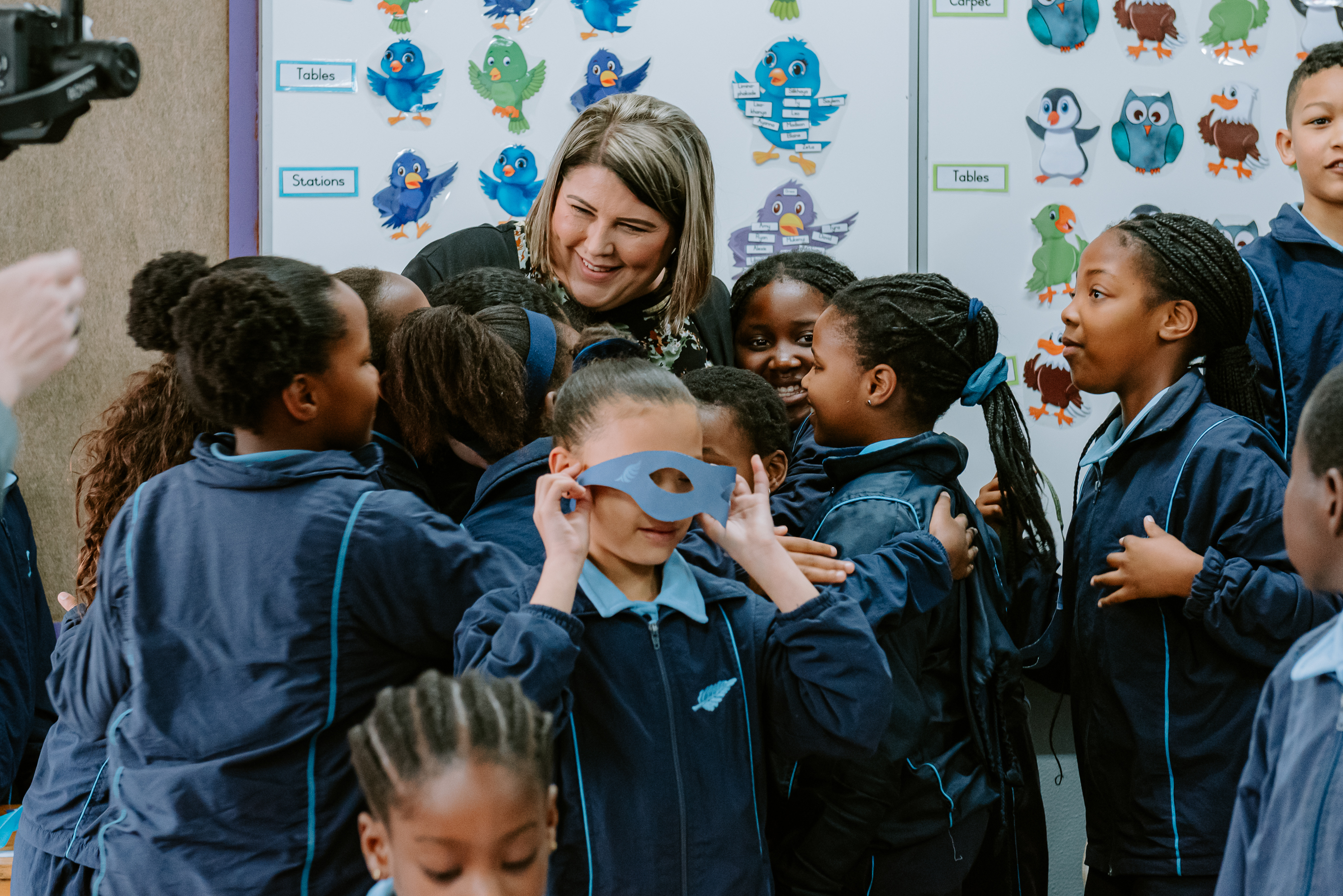
The little girl in Brazil, the third grade class in Bulgaria, Liam from South Africa and Olha in Ukraine are among more than one million elementary schoolchildren on a Grand Mission to save the world, one grandparent at a time.
The FAST Heroes stroke awareness campaign relies on children’s enthusiasm for learning and sharing to transfer knowledge about stroke to their parents and grandparents. It is developed from three insights, namely that the population most likely to have a stroke didn’t like to talk about it, that the first thing most people did when they had a stroke was ask their children for advice (and that in most cases the advice was wrong), and that in most cultures including Europe significant numbers of people over 50 spent at least several days a week caring for their grandchildren.
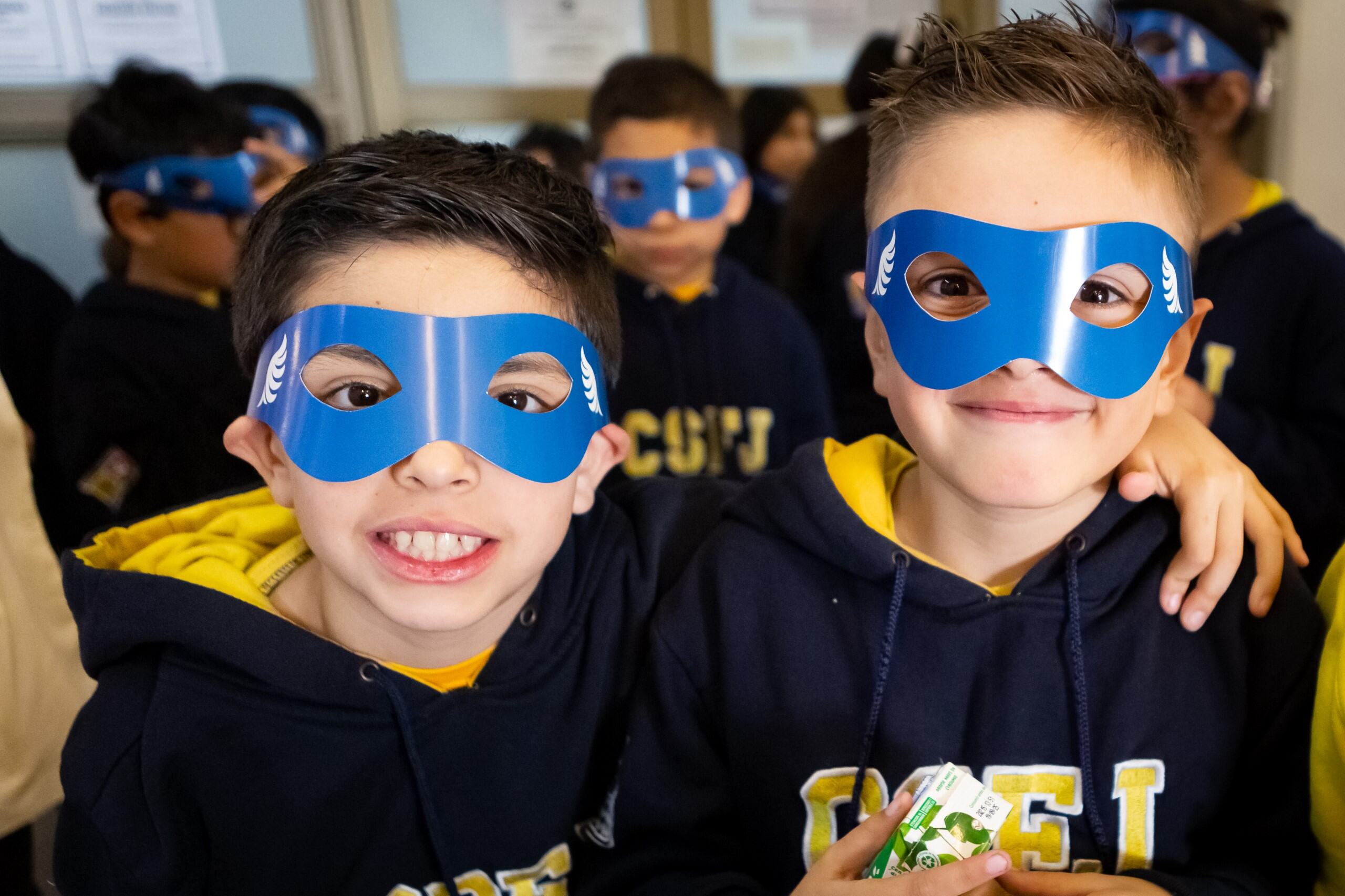
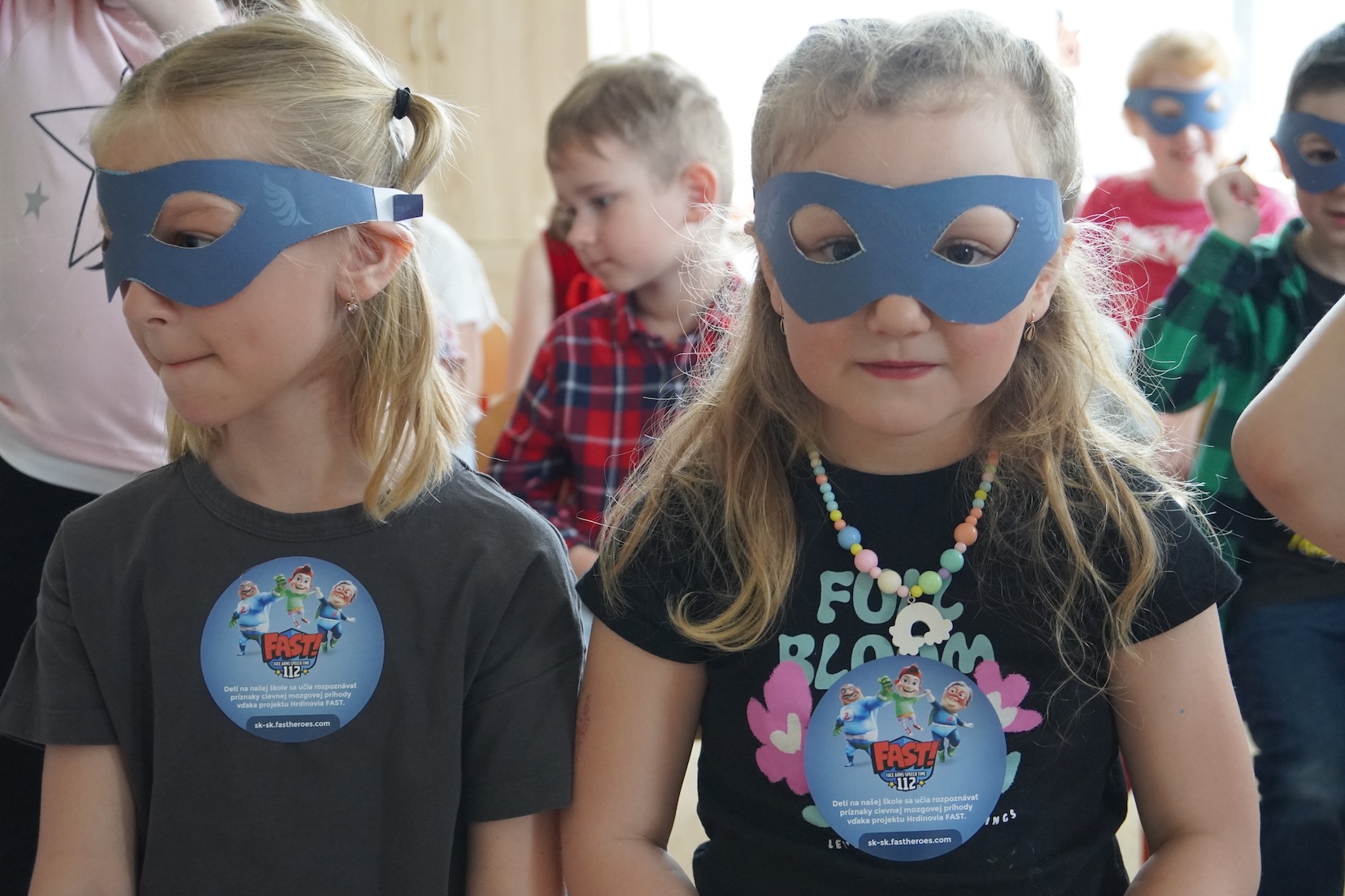
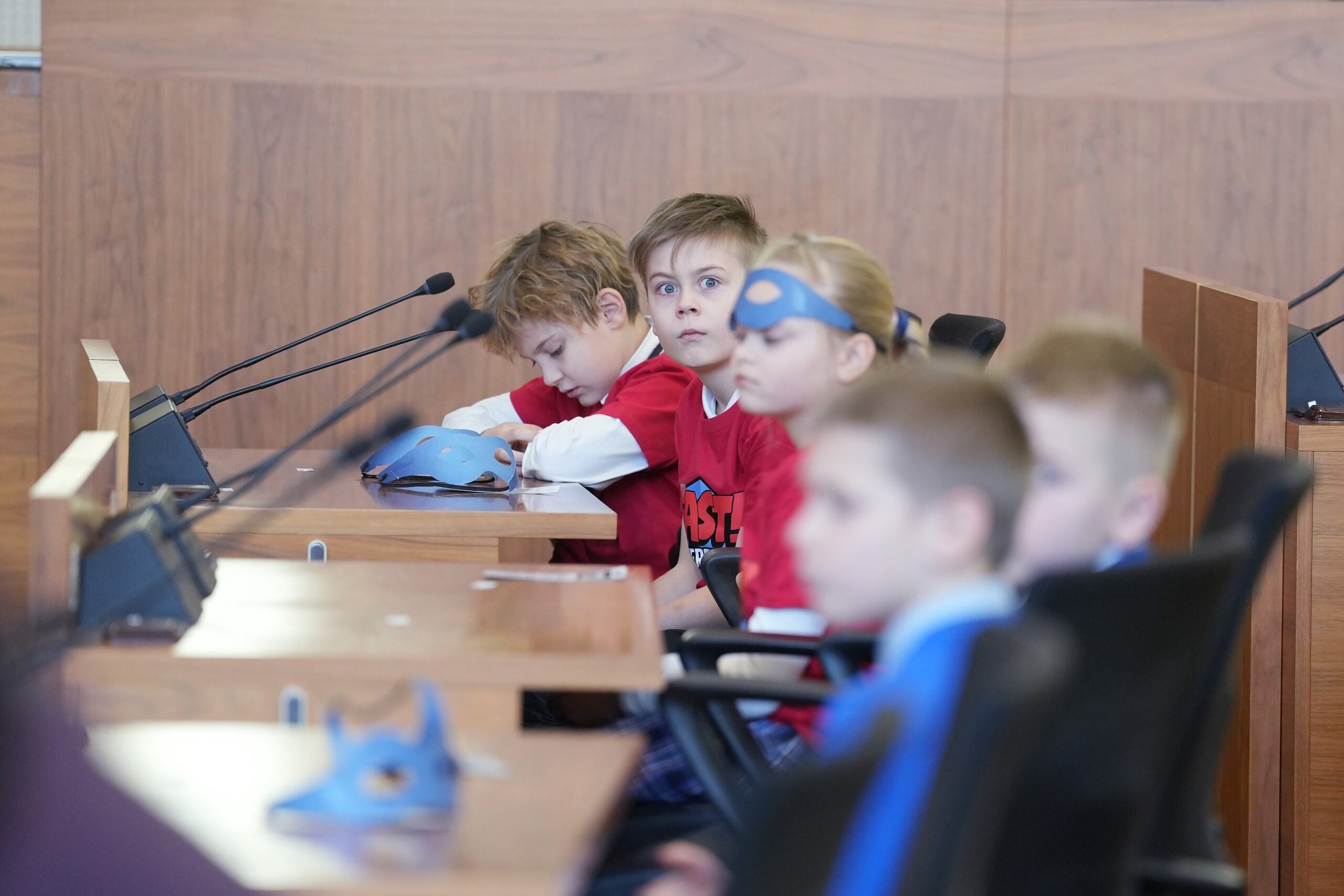
Children enrolled in FAST Heroes at their schools learn about the most common symptoms of stroke and the importance of calling an ambulance immediately if these symptoms appear. Each child nominates two grandparents whom they will educate about stroke, a strategy that creates a direct communication channel to the primary audience and leverages the emotional connection between children and their grandparents. The secondary audience (the children’s parents) gains knowledge through incidental learning which takes place in everyday life through observation, social interaction and problem-solving.
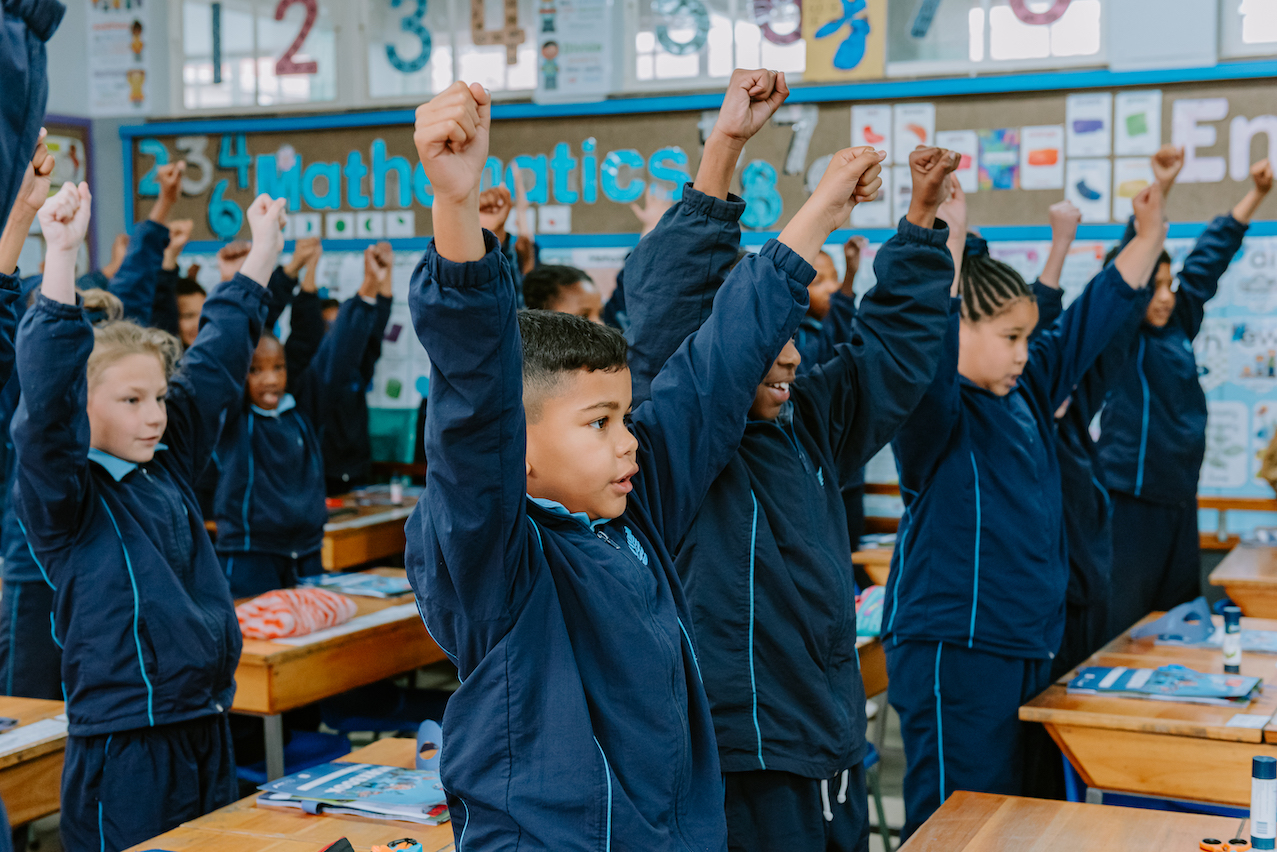
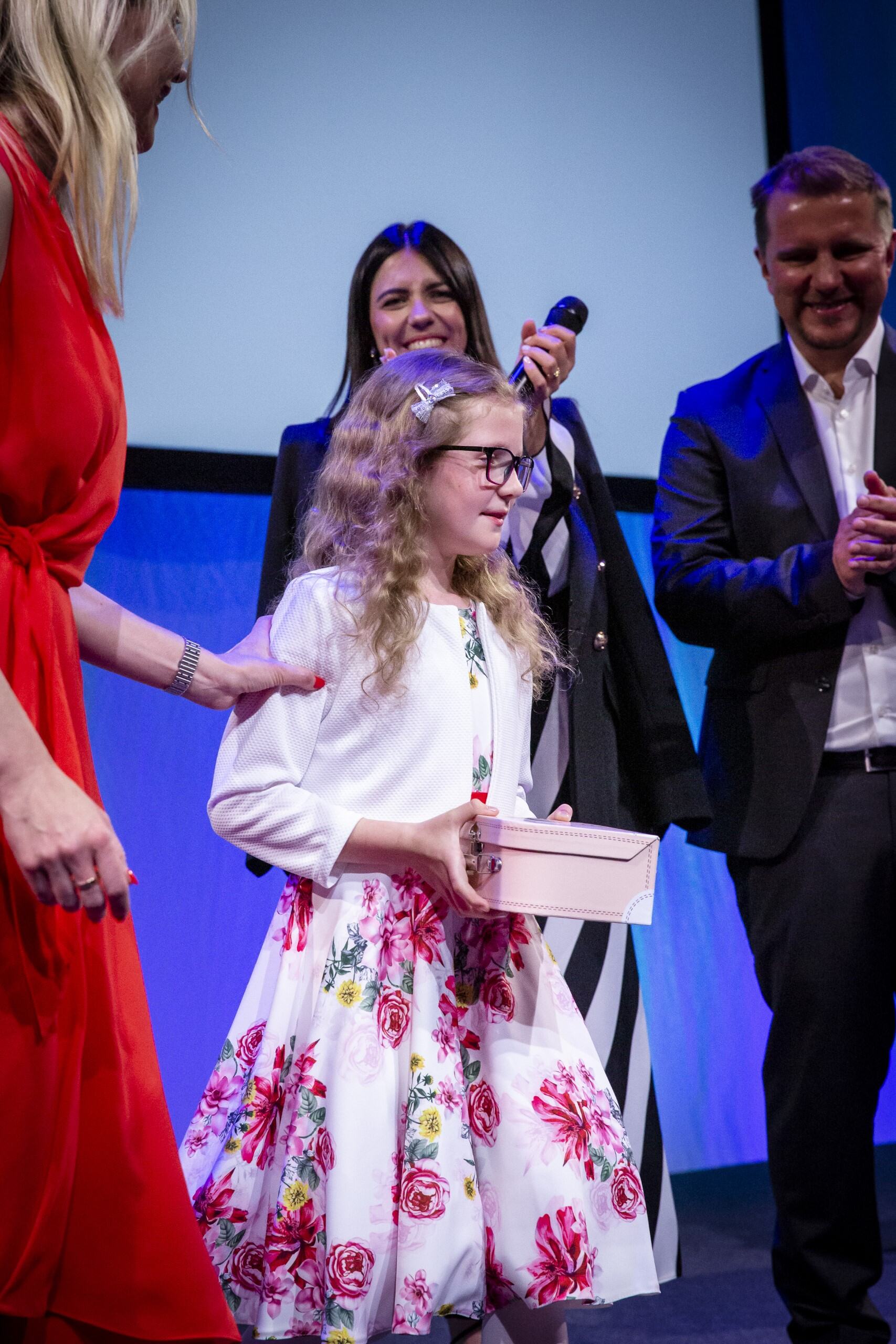
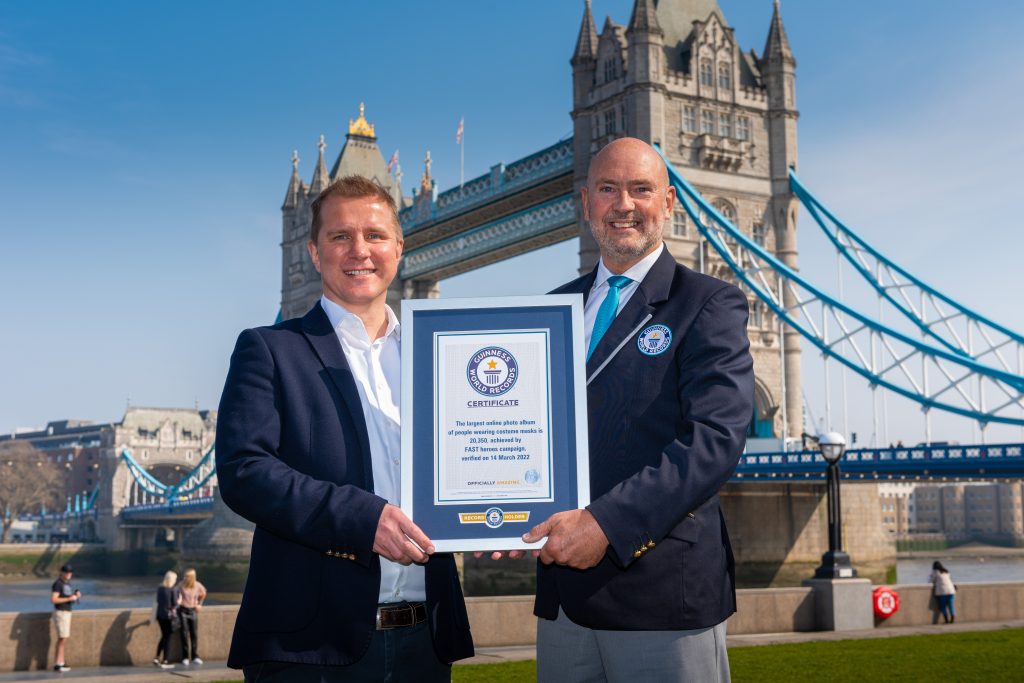
The success of the project owes much to a collaboration with SAFE president Prof Harriet Proios whose students at the University of Macedonia in Thessaloniki, Greece, provided the theoretical underpinning for a five-week school-based stroke education programme that was classroom-ready, culturally adapted to children’s interests, and optimised to make learning last.
In March 2021 a global initiative called ‘The Grand Mission to save our Grandparents’ was launched with the aim to educate one million children and their families around the world. That target was reached in 2025. A new target of two million children is in sight.


