Listen to the origin story of Angels in our special 10th birthday podcast episode.
ON 1 December 2013, a stroke felled a head teacher in a small town in South Africa. It was a catastrophe, but in the vastness of our universe, it was a butterfly’s wing flap that would ultimately lead to countless lives saved.
The failure of a South African hospital to diagnose and treat his mother-in-law’s stroke led Boehringer Ingelheim employee Jan van der Merwe to a stunning realization. Almost two decades after thrombolysis became the gold standard for managing acute ischemic stroke, fewer than ten out of South Africa’s 600 hospitals had implemented protocols to treat stroke patients according to evidence-based guidelines. Nor was the problem unique to his home country. Across the globe, a fraction of eligible patients were receiving acute treatment for stroke, and the majority of hospitals that admitted stroke patients didn’t treat them at all.
Chance meeting
Chaos theory notes something else about our fragile world, namely that small events that have enormous consequences can sometimes escape our notice. When this happens, we say the effect is due to chance.
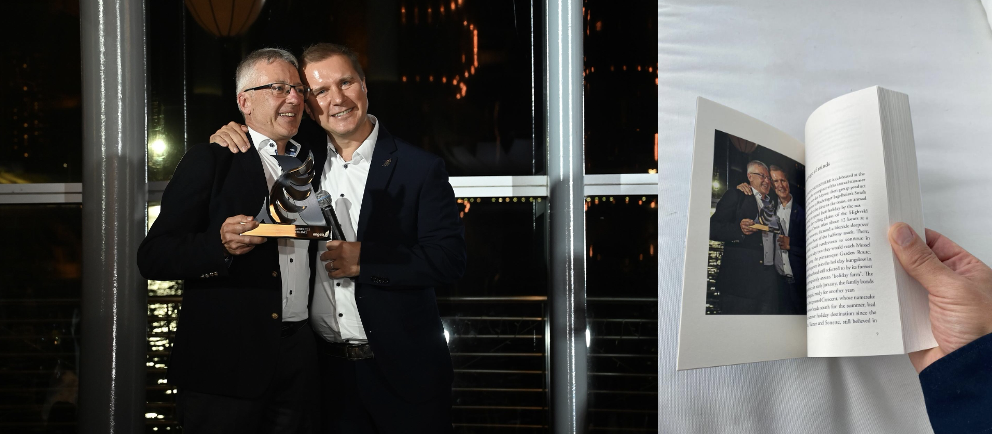
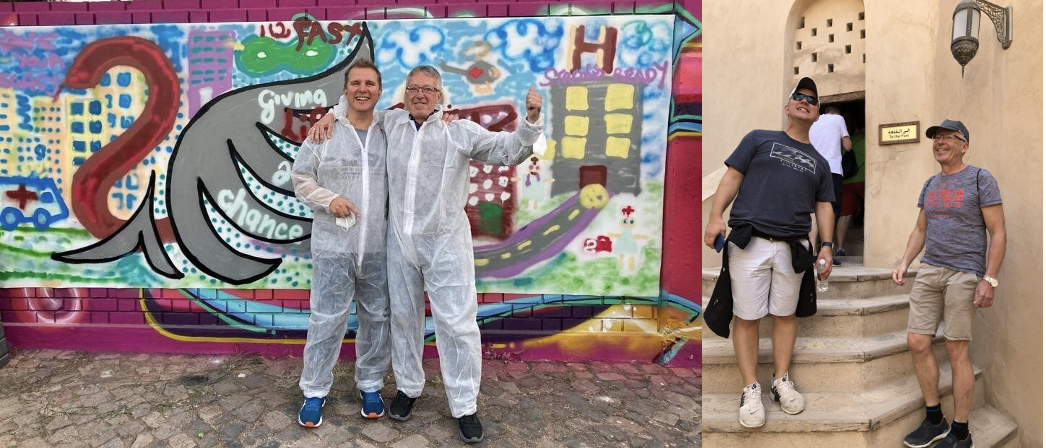
So we call it ‘chance’ that, in late 2014, Jan made the acquaintance of Thomas Fischer, whose aptitude for building friendships and partnerships and creating consensus around new ideas would become invaluable to the Angels Initiative.
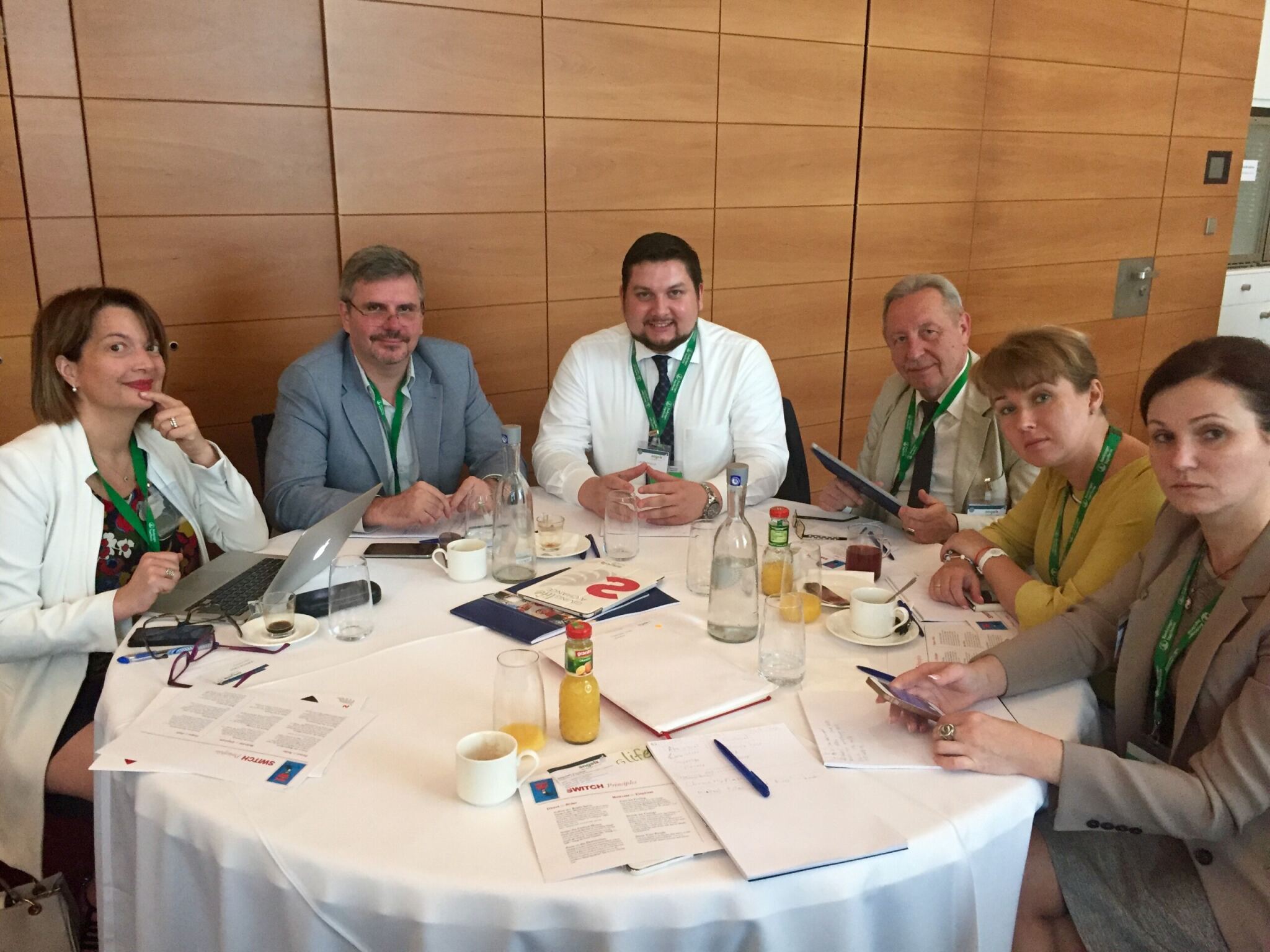
Like Jan, Thomas had been galvanized by the realization that access to high-quality stroke care varied dramatically between regions and countries. Separately, they had each taken action to change the prospects of stroke patients and their families – Thomas by establishing the QUICK program, a stroke care data collection and analysis concept to speed up treatment times, and by joining forces with the newly established European Stroke Organisation (ESO) to form ESO EAST, a stroke care quality intervention in Eastern Europe.
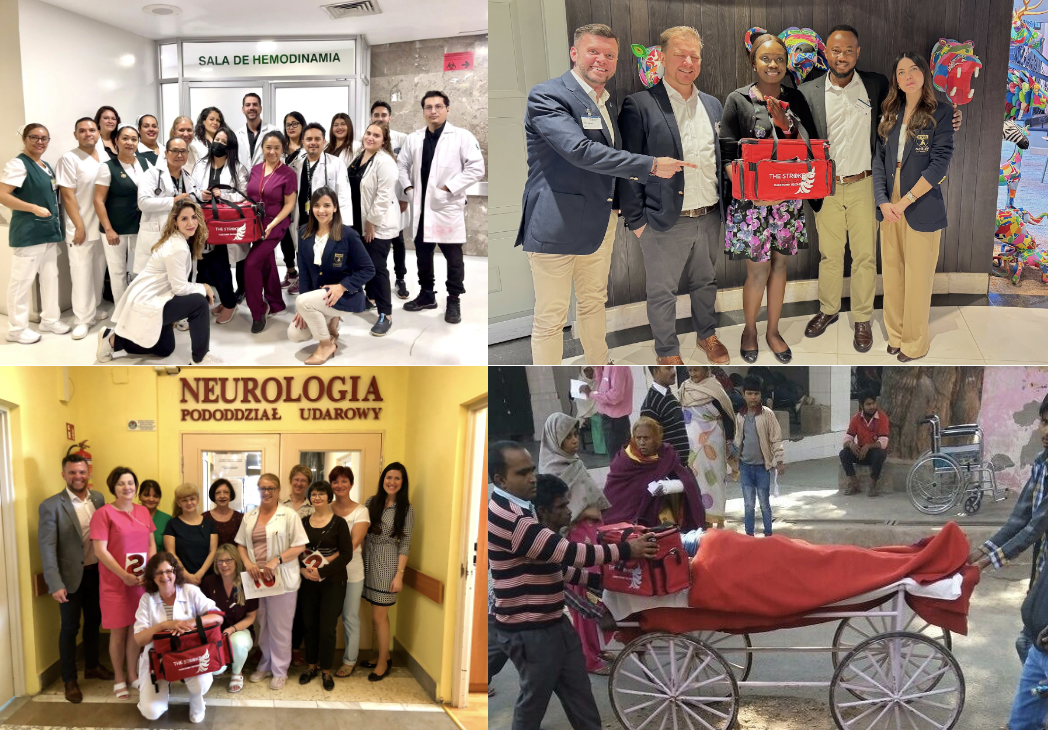
Jan had won the support of the largest private healthcare insurance company in South Africa for a stroke care intervention that would shield others affected by stroke from the trauma his own family was experiencing. It was an intervention that could ultimately make evidence-based acute stroke treatment in dedicated stroke-ready hospitals available to the entire stroke population. In 2015, they became a joint force, traveling far and wide to provide stroke training to hospitals in developing countries. The more doctors they trained, the more they learned, and the more they learned, the more the concept for the Angels Initiative took shape.
Taking wing
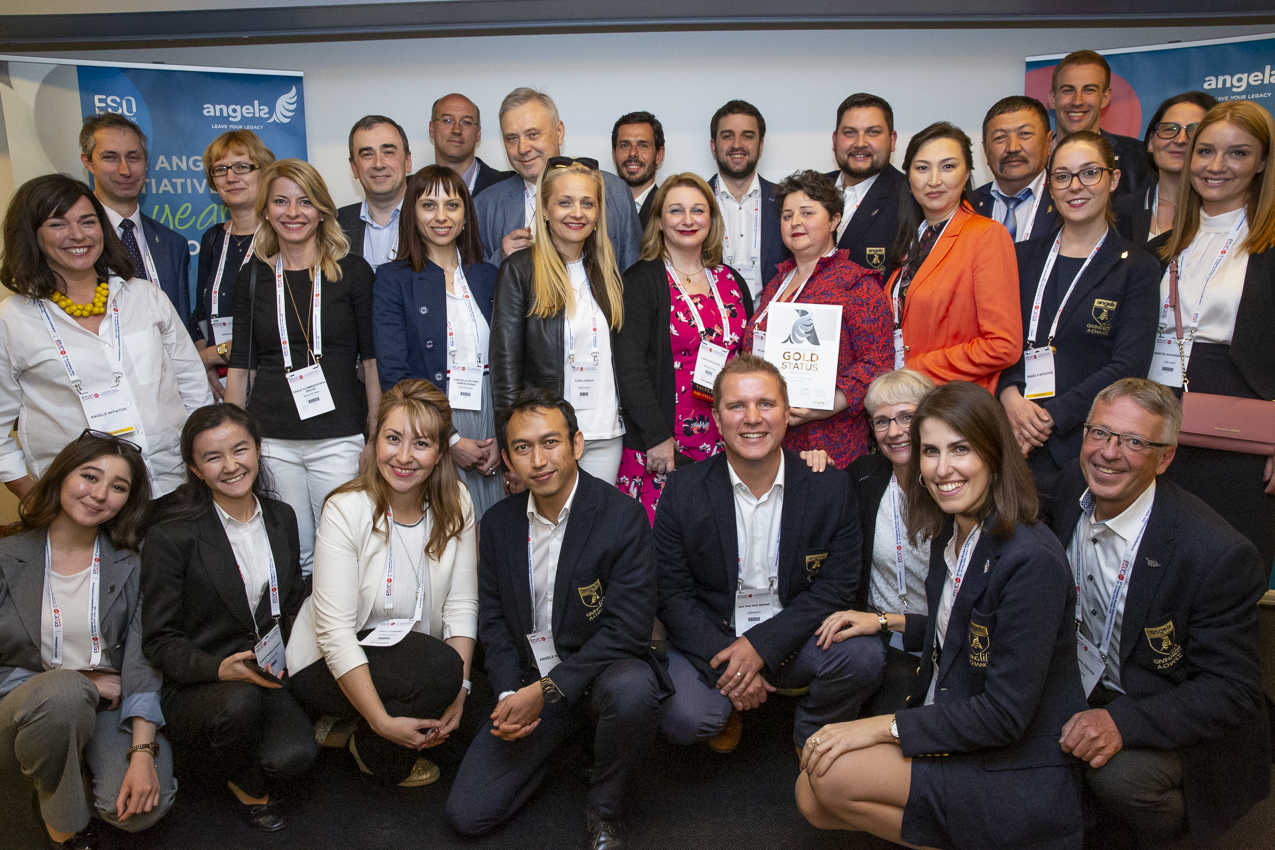
By early 2016 the Angels Initiative had a name, a strategy to build a global community of stroke-ready hospitals and a goal – to reach 1,500 hospitals by May 2019. In Barcelona on 10 May, day one of the 2nd European Stroke Organisation Conference saw the official launch of a project that, 10 years on, has reached every goal, and exceeded every target.
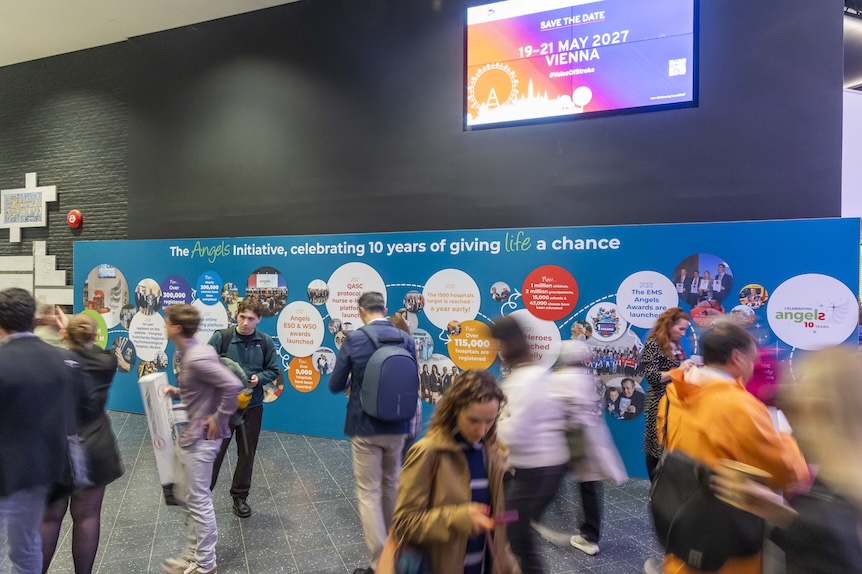
With over 300,000 registered users on the Angels website, it is the world’s largest stroke community, a truly global movement that spans multiple continents. Over 200,000 courses have been completed in our online learning platform, the Angels Academy. Since 2016, 9,308 WSO and ESO Angels Awards have been awarded to 1,677 hospitals world-wide and since the EMS Angels Awards were launched in 2021, 277 prehospital care providers have won a total of 1,045 awards.
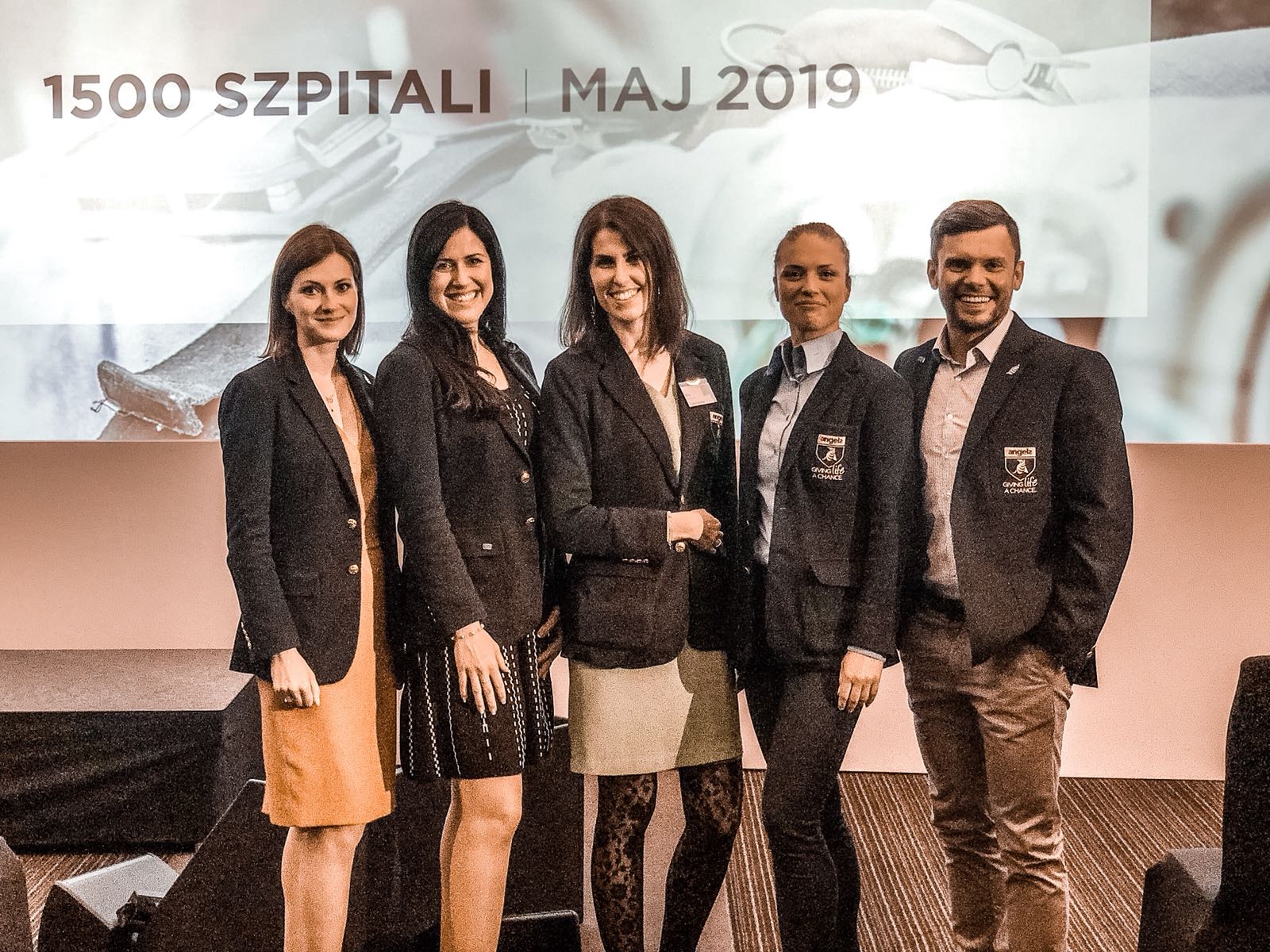
The target of 1,500 hospitals by December 2019 was reached in 2018, and the number of registered Angels hospitals now exceeds 10,000. It is estimated that more than 50 million stroke patients will receive evidence-based care in Angels hospitals by 2030.
The Angels-supported schools-based awareness program, FAST Heroes, has reached more than one million children and two million grandparents. And the strategy to convert 100 Angels Regions by December 2027 overshot its target earlier this year.
This is an extract from a pictorial celebration of a decade of Angels, and if you are reading this, you are part of our story. Thank you for continuing to inspire us and for giving stroke patients a second chance at life.