
If you’re in a hurry, Primorje-Gorski Kotar County in Croatia is tricky terrain, no matter what your emergency.
You could find yourself waiting for a ferry on Rab or Lošinj or another of the famous islands in Croatia’s Kvarner Gulf, or stranded in a charming, historic seaside town along the rocky, rugged Adriatic coastline. Or you could be slowed down by the the lush, mountainous forested regions of Gorski Kotar.
But here’s why things will probably turn out okay.
In red category emergencies, the Institute of Emergency Medicine of the Primorje-Gorski Kotar County targets a response time of 10 minutes in urban areas, or 20 minutes in the countryside. If it’s air transport you need, one of the service’s four helicopters will be in the air within 5 minutes in daytime, and in under 15 minutes at night.
And if the emergency is a suspected stroke, neurologists at the award-winning University Hospital Center (UHC) in the capital Rijeka will know about it well before they hear the whomp-whomp sound of rotor blades. For if there’s one word that embodies the spirit of collaboration that has led to Primorje-Gorski Kotar becoming Croatia’s first Angels Region, it is this: prenotification.
Challenge accepted
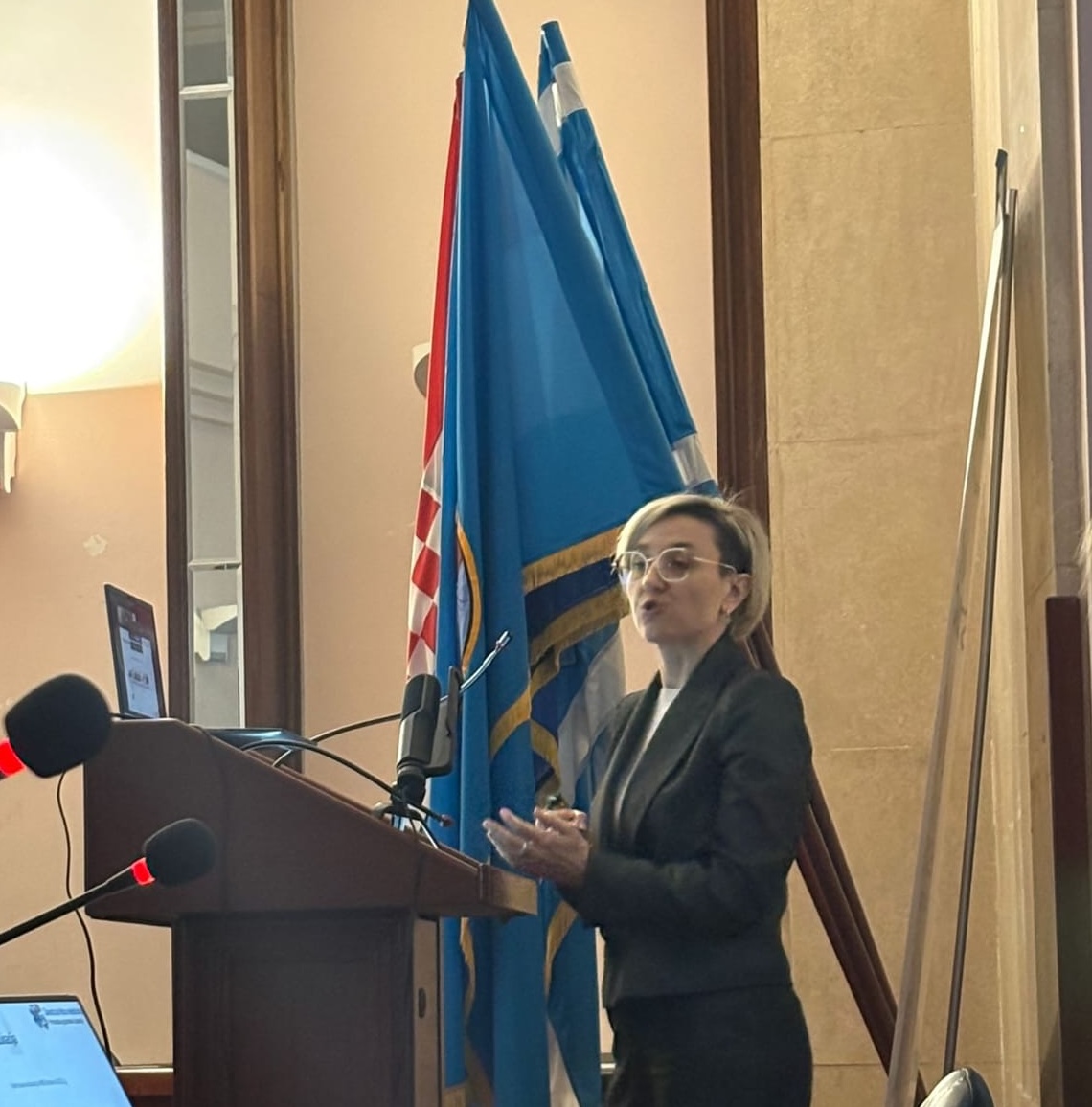
Rijeka (that’s the county’s capital city) is a prenotification pioneer, EMS chief Dr Senka Kajčić confirms. It became part of their modus operandi long before the idea took hold to make prenotification mandatory throughout Croatia’s 21 counties. They’re leaders in data collection and analysis, too, with a reputation for accepting every new challenge and reaching for every new target.
In the three-and-a-half years since Dr Senka became head of the service, there’s been no shortage of challenges. In February 2024, the service was expanded to include non-emergency patient transport, taking the work force from 250 to 380. Less than two months later, Rijeka became one of the four main bases for Croatia’s newly launched helicopter emergency medical service (HEMS), which went a long way towards solving the problems of islands and mountains.
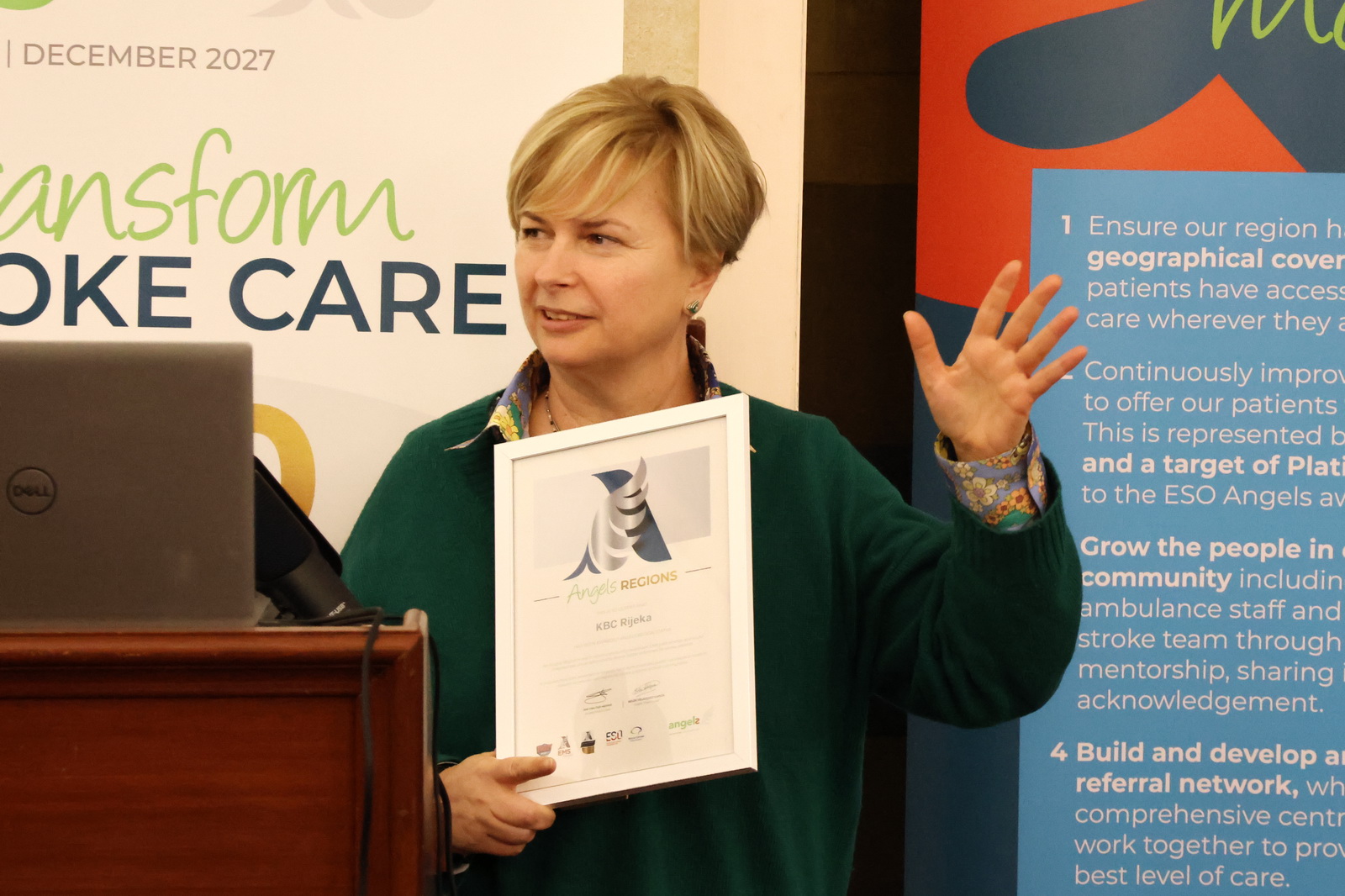
Then in 2025, UHC Rijeka’s neurology chief Prof Vladimira Vuletić invited them to join the campaign to convert the county into an Angels Region, and the answer was a foregone conclusion. There was already a relationship of collaboration and mutual respect that prioritized the safety and well-being of citizens. She knew the emergency service only had to apply to the Angels EMS Awards for the rest of the world to realize how good they already were, Prof Vladimira says.
Diamonds are a girl’s best friend
Stroke care excellence in Rijeka is an overnight success that was a decade in the making. Collaboration between hospital and EMS dates back almost 10 years to when Prof Vladimira first arrived from Zagreb. Education for healthcare staff across departments and services was met with enthusiasm and rewarded with constantly improving results. By the time Angels Region status became their goal, UHC Rijeka was already a diamond hospital twice over and the EMS was on track for diamond status.
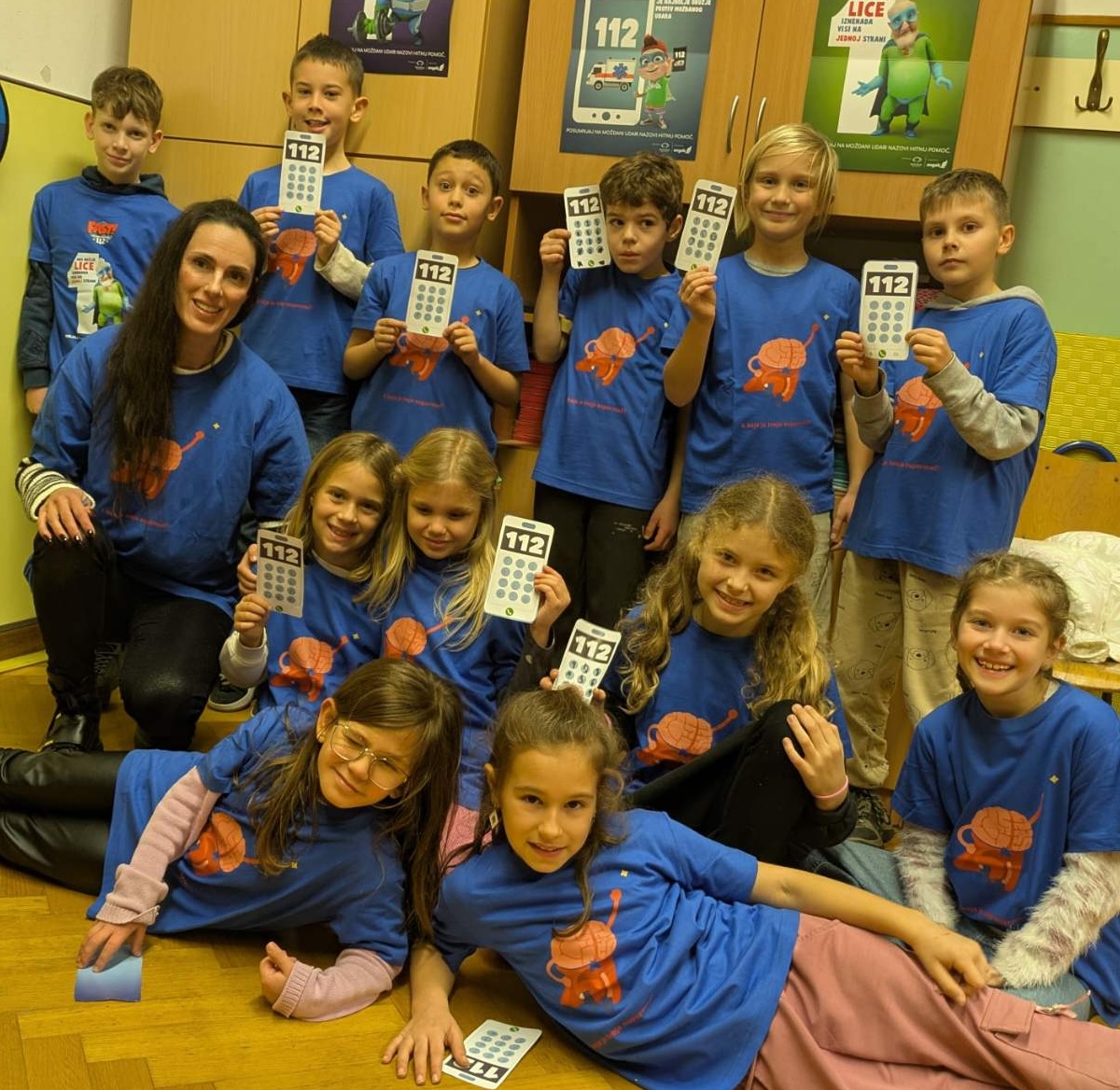
Public health campaigns were held three times a year including at schools and kindergartens, but weren’t as well-conceived as the award-winning FAST Heroes program, Prof Vladimira says.
To reach FAST Heroes implementation targets (a criterion for Angels Region status) Prof Vladimira sought the support of Rijeka Mayor, Prof. Iva Rinčić, who connected her with school principals. Supported by Angels consultant Maria Sheverdina, the campaign was launched on World Stroke Day at the end of October, and shot past its target by the end of November.
“We didn’t know how individual teachers and students would react to stroke education at that age,” Prof Vladimira reflects. “But the way the education of children with superheroes was developed, conceived and planned is excellent, and the children accepted it as well as the parents.”
Celebration, education, inspiration
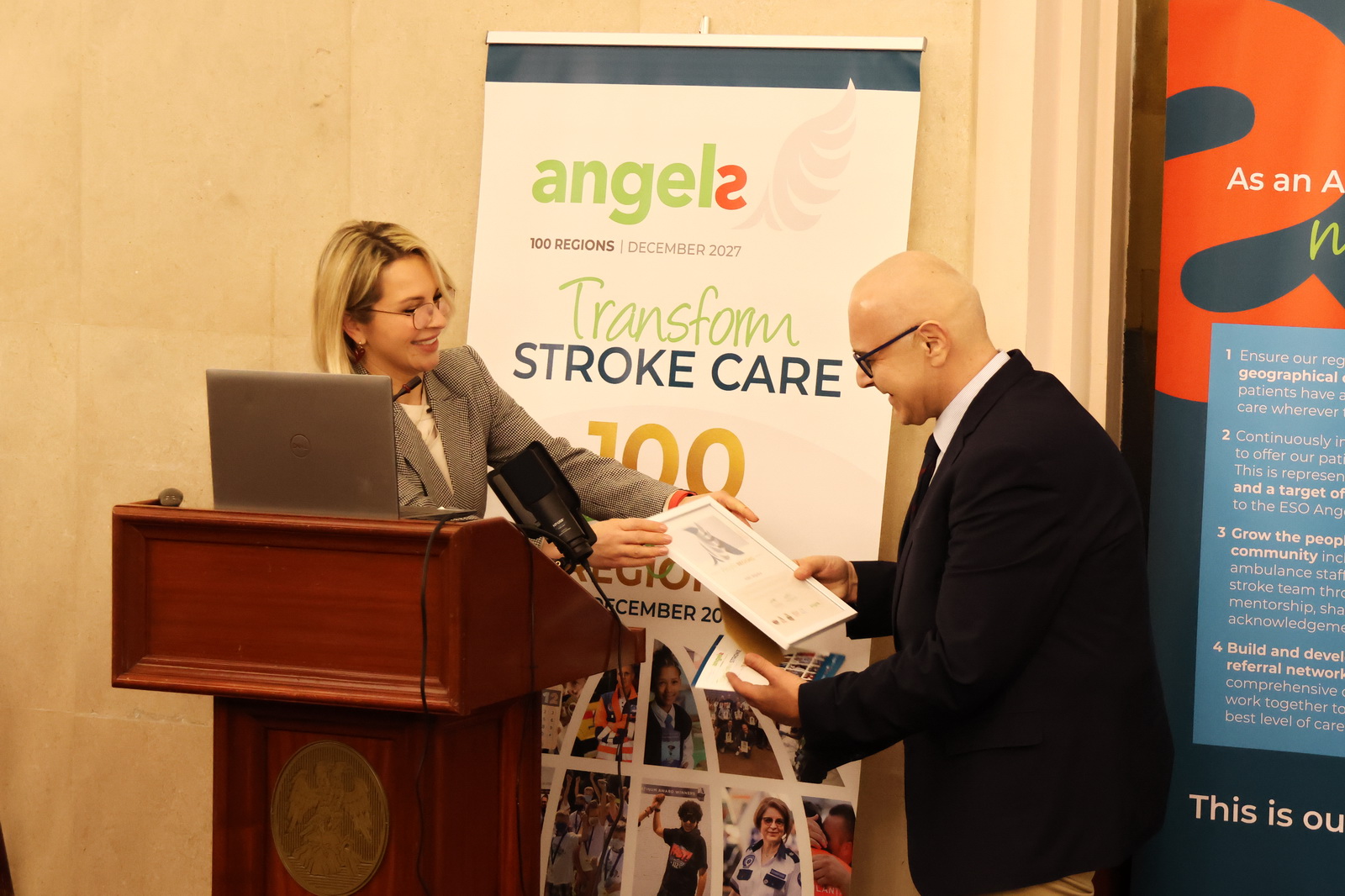
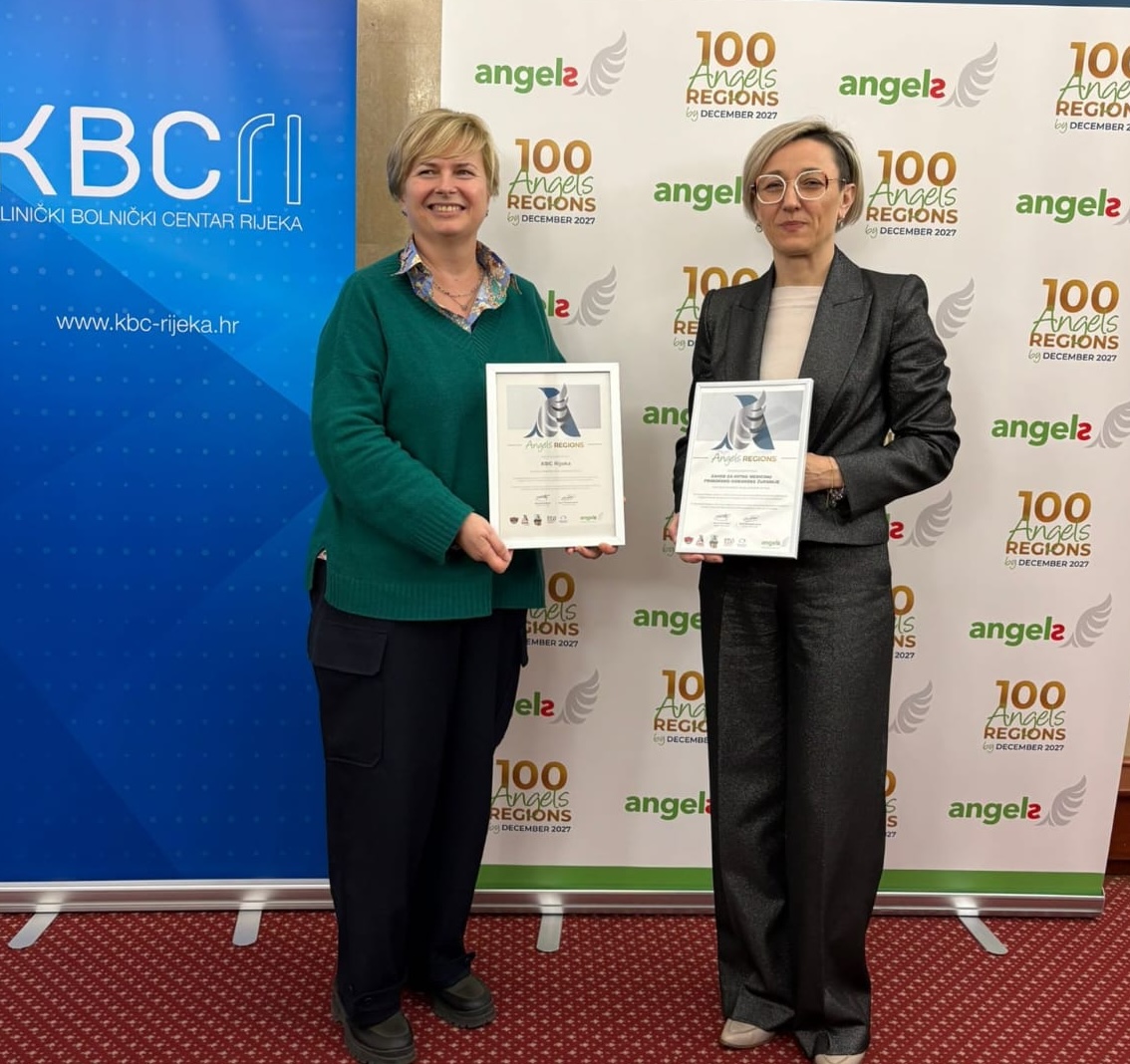
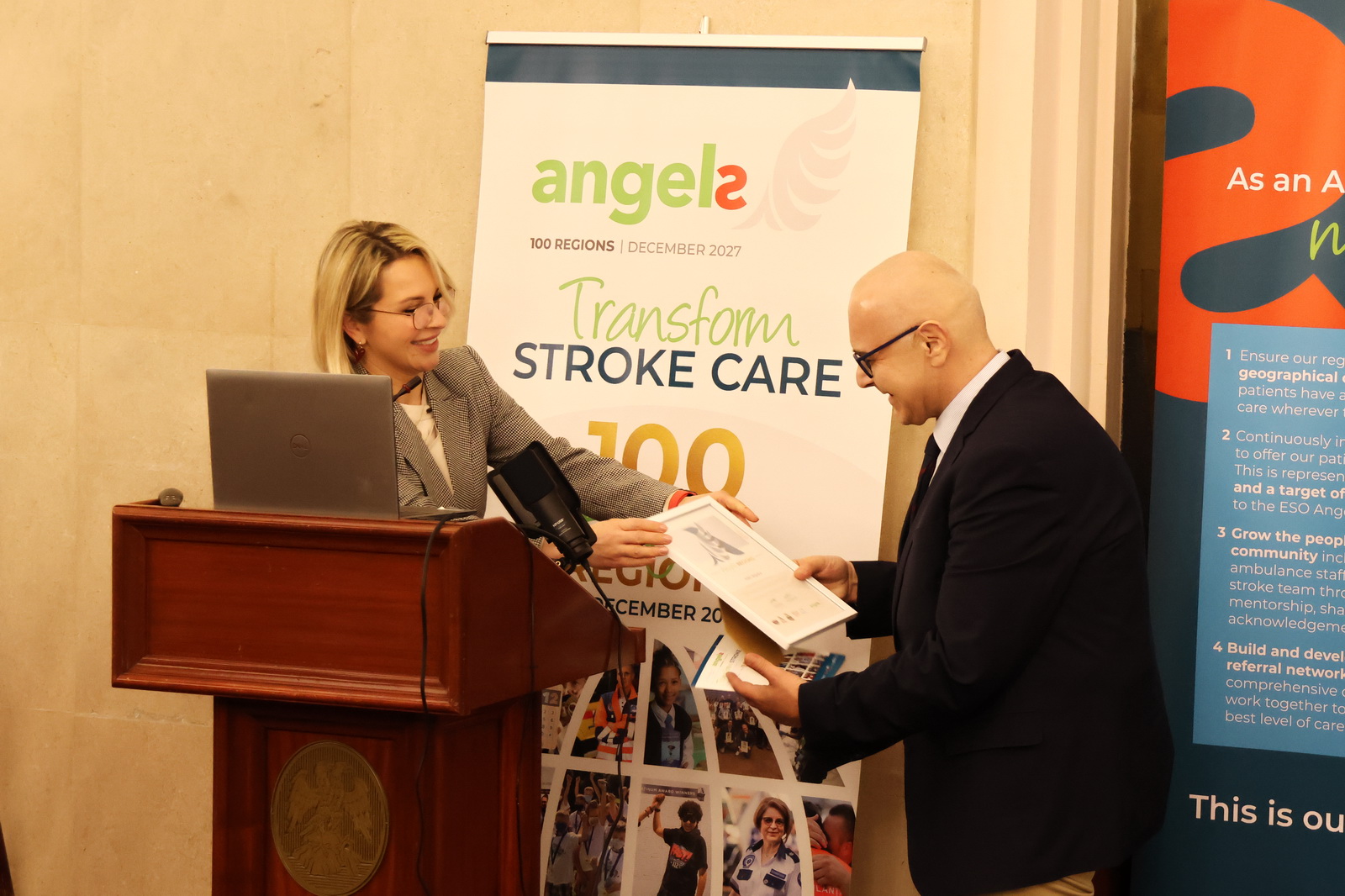
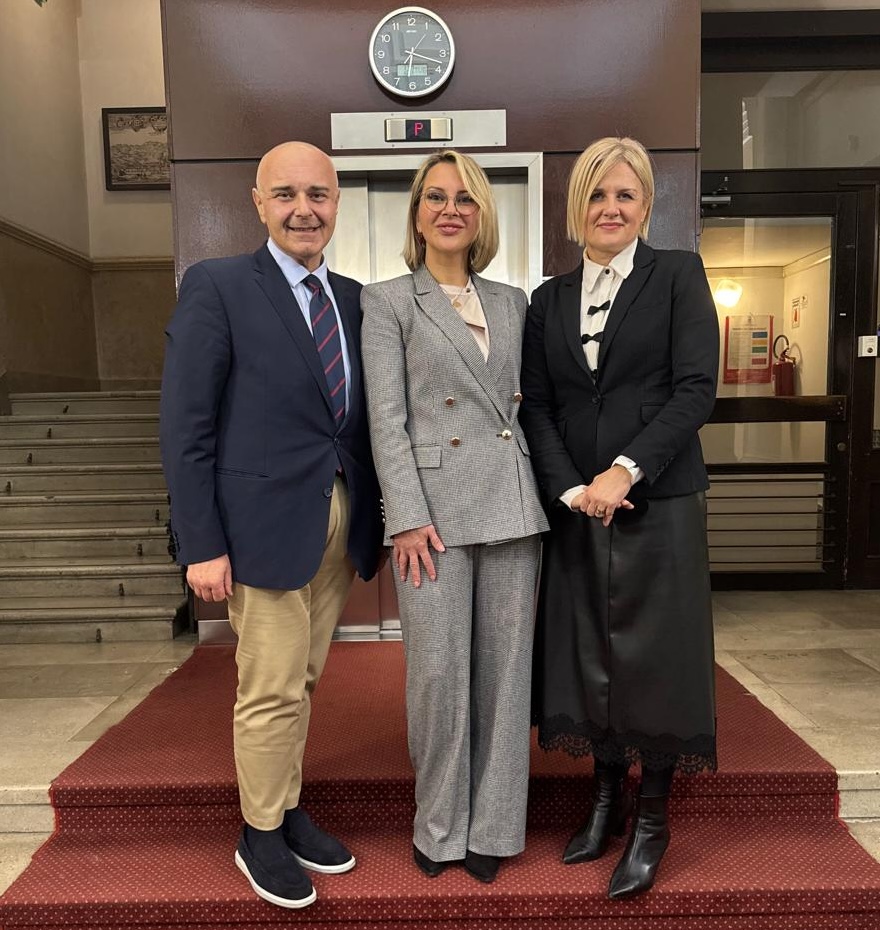
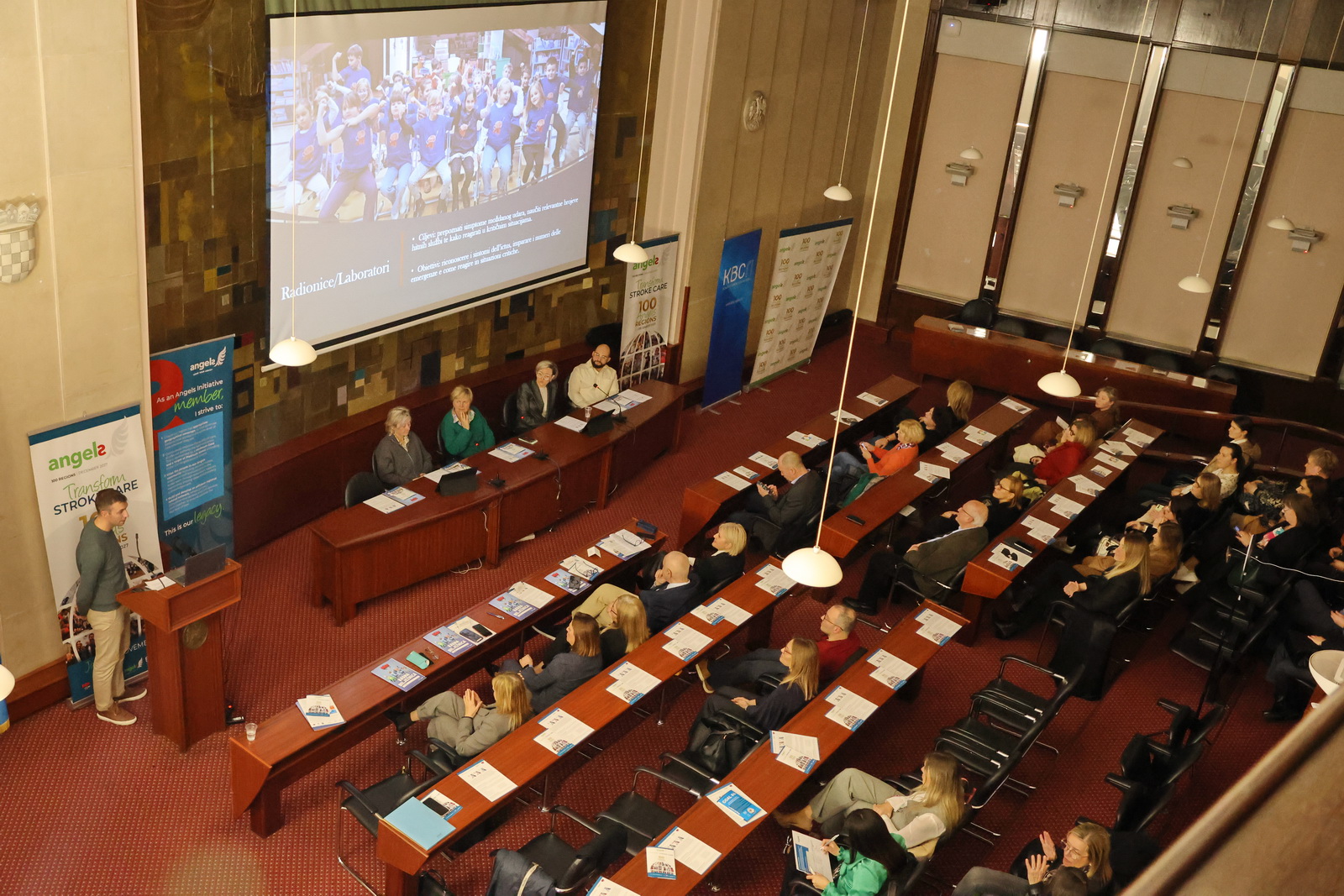
On 27 January 2026, Angels Region status was officially bestowed on Primorje-Gorski Kotar County during a hybrid event attended by Croatian Neurological Society president Prof. Zdravka Poljakovic, and Saša Balija, Assistant Director of Nursing at the Croatian Institute of Emergency Medicine.
“It was special because it brought together all the participants in this mission,” Prof Vladimira says of the event. “Everyone was proud and satisfied that their work and efforts had been recognized beyond our borders.”
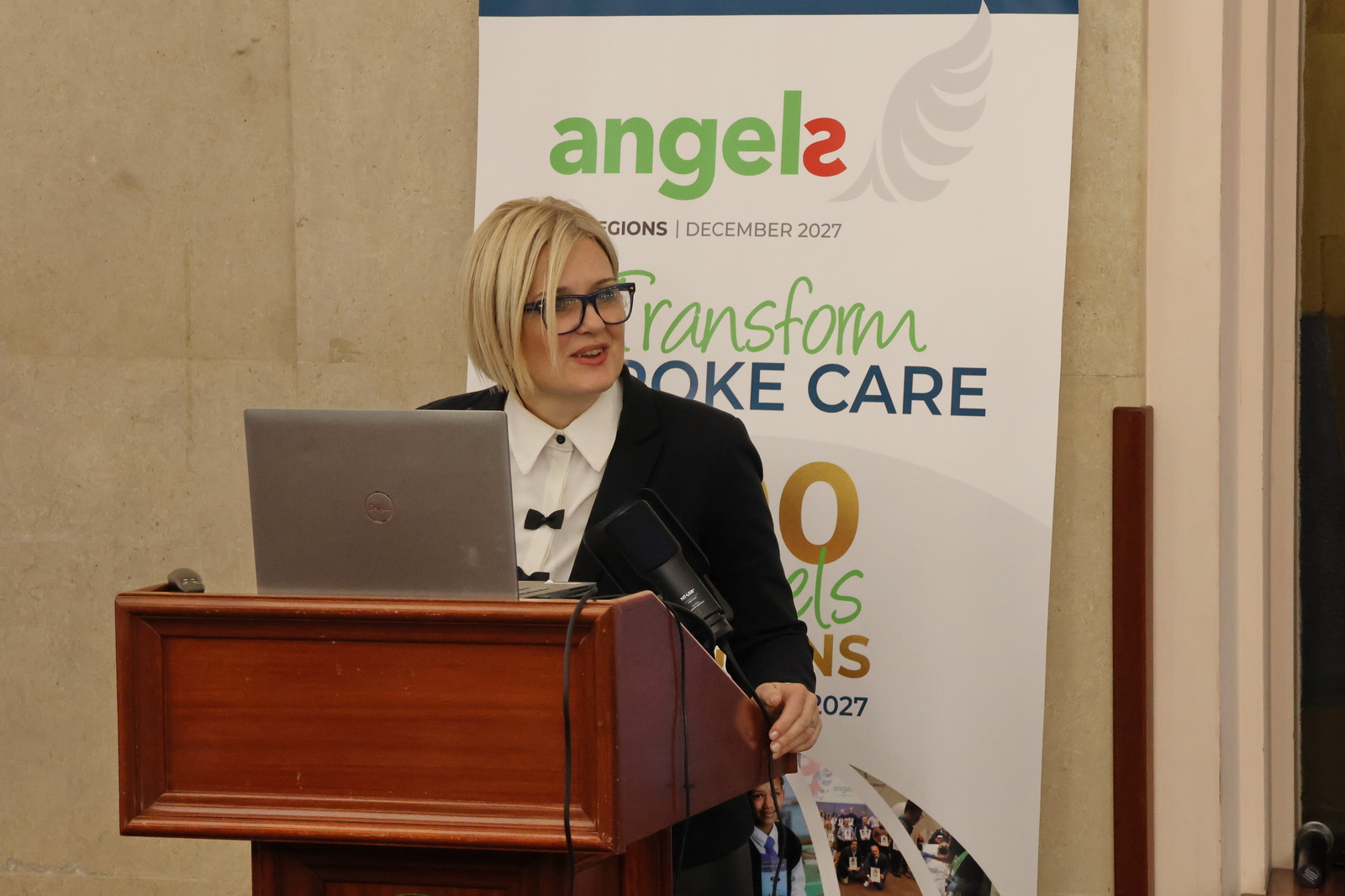
Consultant Maria Sheverdina had planned an event that was as much about education and inspiration as it was about celebration, as key participants shared their experience with the live and online audiences. Primorje-Gorski Kotar County might be the first Angels Region in Croatia, but it would definitely not be the last.
Because the consequences of stroke cause suffering not only to the patient but to the entire family and community, becoming an Angels Region offers Primorje-Gorski Kotar County the prospect of a better life, less marked by illness and disability. And the benefits are greater than stroke.
Prof Vladimira says: “This kind of project where not only the health system but also the education system, local authorities, and the population are involved, connects us more, and shows that everything is possible when we unite with a mission.”
Prof Vladimira says the success of the Angels Regions campaign has sparked hope for other neurological patients who would benefit equally from public awareness leading to rapid action – particularly now therapies are available for many neurological diseases considered untreatable in the past.
‘There’s no better feeling’
The pessimism once associated with conditions like stroke was precisely the reason Dr Senka Kajčić ruled out neurology as a specialization. She wanted to be a doctor who saved lives and prevented consequences, she says, and back then the outlook for stroke patients was simply too bleak, the disabilities life-changing.
She hadn’t planned to specialize in emergency medicine either, but in the emergency department she discovered a field where she could help people directly in the worst moment of their lives.
“I’m a very happy emergency physician,” she says. “I can see the result of my work very quickly. There’s no bigger happiness, no better feeling, than saving somebody’s life, or seeing someone with a severe injury recover their health and resume their life among their friends and family.”
After twenty years in a field she describes as “a lot of improvisation backed up by a lot of knowledge”, meeting the criteria for Angels Region status confirms she and her team are doing a good job. They’re making sure everyone who makes Primorje-Gorski Kotar County their home or destination is safe, and that no matter whether they’re on an island or a mountain slope, help is just moments away.
A leader by example, Dr Senka doesn’t lead from behind a desk, never demands the impossible; she answers questions like a colleague, and believes in giving people a chance to improve themselves.
The same progressive leadership style brings dividends at UHC Rijeka where Prof Vladimira says, “I had good role models in my career, and I added some personal qualities to my leadership style. It is important to motivate the team, give them importance and show them how they can help people in many ways. They feel useful when they see the results of their work and that they are part of a good story. It is then easier for them to cope with everything because our work is demanding.”
‘It was all worth it’
Prof Vladimira was drawn to neurology by her love for mathematics and logic, and because the brain had always struck her as the most impressive organ. She says. “Everyone expected me to enroll in the Faculty of Electrical Engineering like my father because I was good at physics and mathematics. But I have an uncle who is a doctor and I liked him, so I decided to study medicine and I was not wrong.”
She began her career in her hometown of Slavonski Brod, “in the eastern part of Croatia where they like to eat special sausages and ham and where there are a lot of strokes.” Stroke was prevalent at the general hospital in Slavonski Brod, and became the topic of her doctoral thesis.
“Later, at the Dubrava Clinical Hospital in Zagreb, I was the head of the Department of Intensive Care for Cerebrovascular Diseases and the Department of Movement Disorders and DBS deep bran stiulation, which belonged to the Clinic of Neurology.
The next transfer was to Rijeka, where I was the head of the Clinic of Neurology at the Rijeka Clinical Hospital, so I have been in the field of stroke since the beginning of my career.”
Patients and family members who appreciate the positive impact on their quality of life and self-confidence are a source of professional satisfaction, she says. So is seeing “the application of new methods on the results and outcomes of a patient’s treatment, as well as when the entire multidisciplinary team witnesses how much progress we can make together.”
After 10 years, Prof Vladimira observes with satisfaction a community that is better educated, patients who recognize the symptoms and seek help in time, and much better outcomes than before.
She says, “It is a long-term effort, but now, after 10 years, the results are visible. And it was all worth it.”


