
The difference between perfectionism and idealism comes down to how things ought to be done versus how things ought to be.
In other words, the perfectionist focuses on how to do something flawlessly, whereas the idealist focuses on what to do based on their noble vision.
It’s of course possible to be both, just as long as you don’t expect to get a lot of sleep.
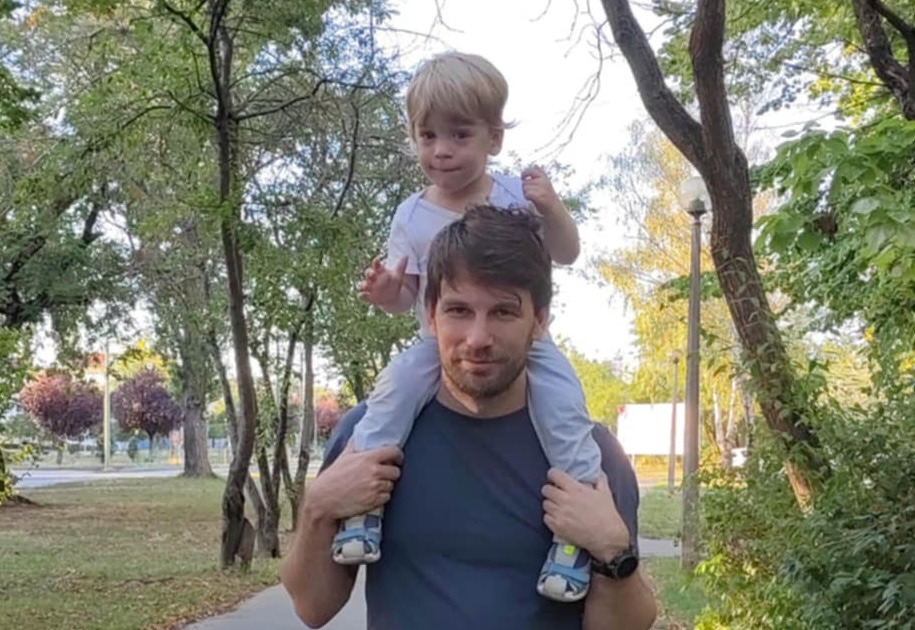
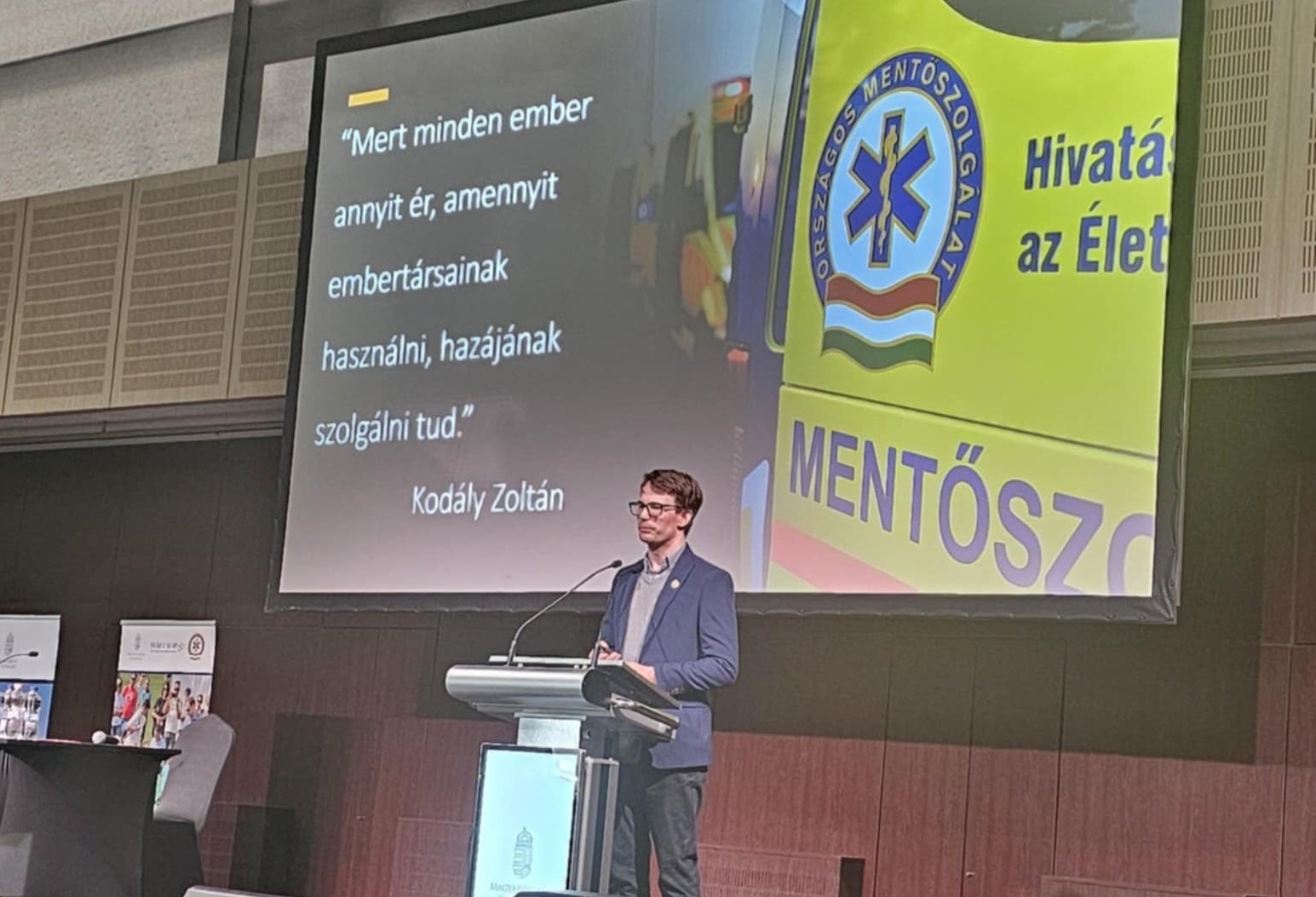
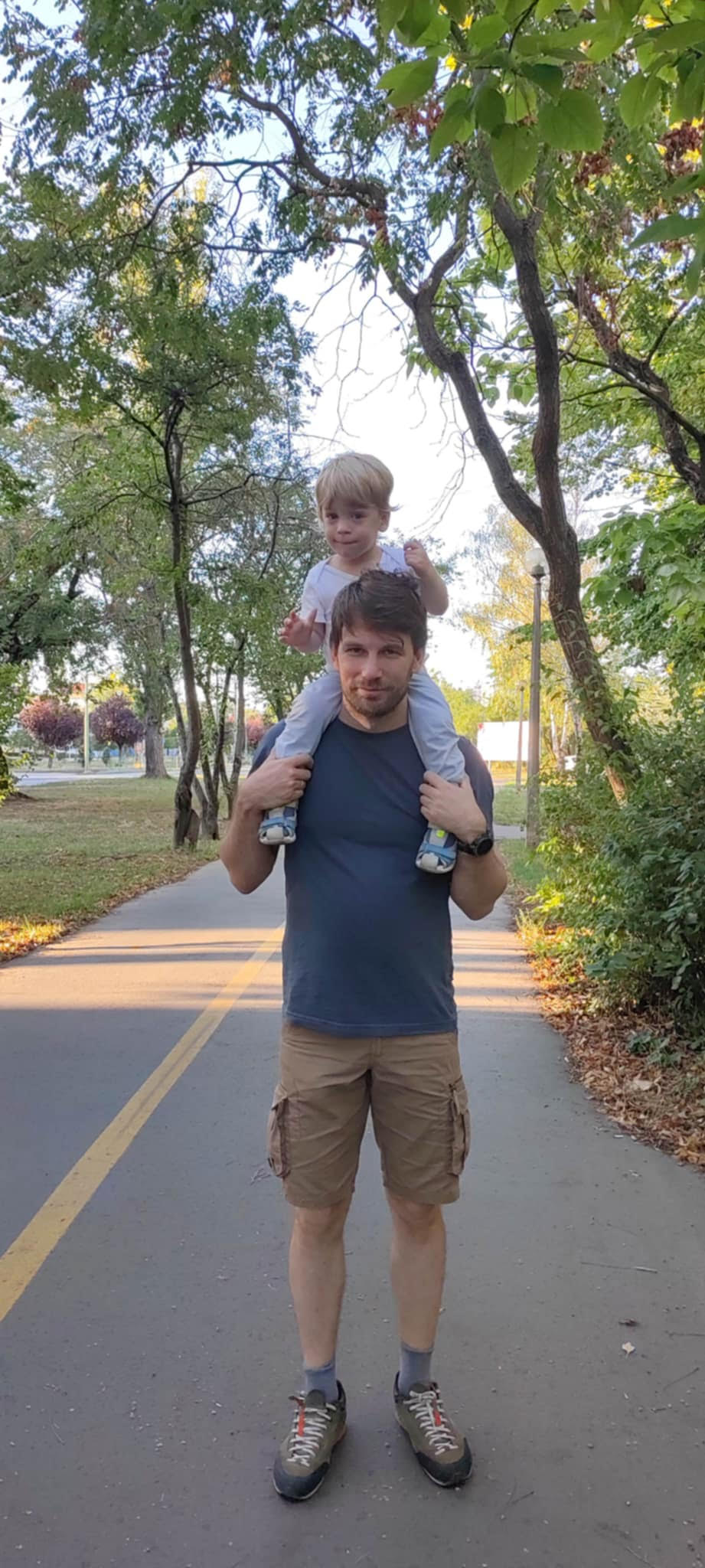
“Sleep is overrated,” says Ferenc Molnár, expert paramedic and leader of research at the Hungarian National Ambulance Service, the OMSZ. Three to four hours are all that’s necessary to fuel Ferenc’s dedication to advancing prehospital research and restoring the scientific life of the OMSZ, scrutinizing data for opportunities to rid the system of flaws, completing his PhD in disaster medicine, and cherishing every moment spent with his two-and-a-half-year-old, Albert.
During the EUSEM Congress in Copenhagen last October, Ferenc promised members of the EMS Angels Steering Committee that he would write a good article on the impact of the EMS Angels Awards on prehospital stroke care in Hungary.
It was only once he arrived back in southeastern Hungary’s “city of sunshine”, Szeged, that Ferenc realized he’d given himself rather a lot to do.
One year later, the article is pending publication. Based on an analysis of over 80,000 cases, it details OMSZ performance improvement in five key areas in the four years after it adopted the quality-improvement measures recommended by the Angels Initiative, and expressed in EMS Angels Awards criteria.
Between January 2021 and December 2024, median on-scene time fell from approximately 21 minutes to 19, documentaton of medication history rose from 29 percent to 99 percent, and onset-time recording reached nearly 100 percent after being made mandatory in 2023. Hospital prenotification improved from 11 percent to 97 percent, and direct transport to stroke-ready hospitals from 59 percent to 99,8 percent.
In 2023, Hungary became the first (and so far only) country in the world to reach diamond status in the EMS Angels Awards, in every one of its regions, a feat it repeated in 2024 and 2025. A perfect record, you might say, although Ferenc would disagree. The perfectionist in him never ceases to look for errors and propose ways to fix them, spurred on by the idealist belief that perfection is possible.
Love at first sight
Ferenc grew up in a small town called Komló in southern Hungary, in an area once home to Jurassic dinosaurs assigned to the species Komlosaurus carbonis. His boyhood dream of becoming a firefighter was thwarted by weak eyesight that required him to wear glasses. His subsequent search for a purpose in life led him to the ambulance service; it was “love at first sight”.
Inside an ambulance car there’s a different universe, he says. “It’s good to be there. Every EMS worker feels the same way. It’s so good to help other people. Every time I work in the ambulance car, I feel better because I am doing something for society, for someone. It’s a very inspiring environment for me.”
Naturally inclined to want to improve what he sees, Ferenc was initially frustrated by the absence of a research culture in the ambulance service, and by his limited ability to influence the system. The daily pressure to provide quality care to over one million patients per year left little room for research, so he began analysing the data in his spare time, motivated by the potential for improving outcomes for a fragile group of patients. There was one fragile patient in particular he had in mind. His own father had had a stroke and, although he’d made a good recovery, Ferenc had nevertheless found a few flaws in his treatment that the perfectionist felt compelled to change and improve.
A new head of department led to a breakthrough in 2024. Dr Miklós Constantinovits did him a great favour, Ferenc says. “He said, do not care about everyday challenges, you should work only with science.”
Working only with science has allowed Ferenc to complete the PhD for which he examined the usability of 3d-printed medical devices in emergency and military disaster medicine care. He has studied the use of non-invasive ventilation (for which he and Miklós received the best presentation award at the EUSEM regional conference in June), fulfilled his promise to the EMS Angels steering committee with a paper on the impact of Angels collaboration on EMS quality indicators in Hungary, and trained his scrutiny on the efficiency of secondary air transport. And he has his eye on an Italian master’s program in European Disaster Medicine, through which he hopes he can reduce the loss of young lives to trauma.
Idealism loves company
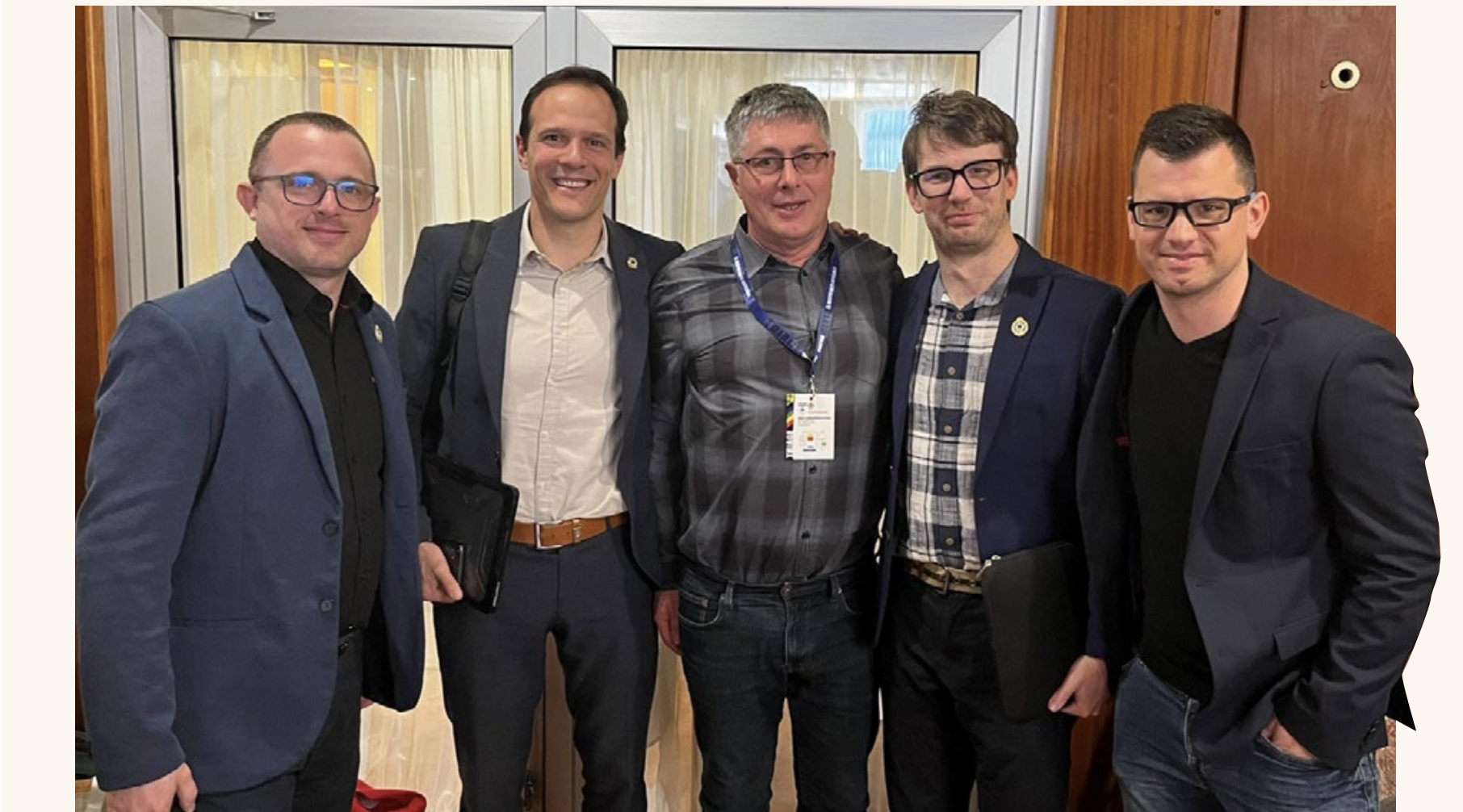
Those who are driven by strong principles and the goal of making a positive impact on the world, need mentors to bridge the gap between their vision for how the world could be and the reality of how to achieve it. Ferenc is grateful to two men in particular who have shaped him in this way – his close friend and namesake, Ferenc Toldi, who brought the Angels program to the OMSZ, and Dr Gábor Gőbl, an iconic emergency physician whom he describes as “the most inspiring person in the world”.
“Dr Gőbl wrote the books that my generation studied from, the very foundations of our knowledge. His name was synonymous with excellence long before we ever met him. Years later, when I began working in Budapest, I had the privilege of becoming his colleague. And that was when I truly understood what made him exceptional.
“Dr Gőbl is not only a brilliant physician – he is a true gentleman and the finest teacher I have ever had. From him, I learned lessons that went far beyond clinical skills. He taught me how to think like a scientist, how to question assumptions, and how to embrace critical thinking. He taught me how to navigate among decision-makers with integrity, and how to quietly and persistently achieve my goals without losing sight of my principles.”
Ferenc is interrupted for a moment by a text message from his wife, also a researcher. She wishes him luck with the interview and reminds him to collect Albert from daycare on his way home. After he arrives home, his focus will be on his family until Albert falls asleep surrounded by ambulance cars – the childhood bedroom of a future firefighter. Then Ferenc will be back at his desk, looking for errors, aiming for pefection, building his legacy out of changing “the worst possible into the best possible”.
He guesses that makes him an idealist.
Angels consultant Zsófia Reichert remembers the exact words Ferenc said to her during this past November’s EMS Angels steering committee meeting in Cordoba when they were in a bus en route to the local emergency coordination center.
“He said, ‘This is my main goal, to follow a road that doesn’t exist now, because I know these steps will make things easier for the next generation.’”
These words struck a chord, Zsófia says.
“When you know something like this about someone, you know everything about them.”


