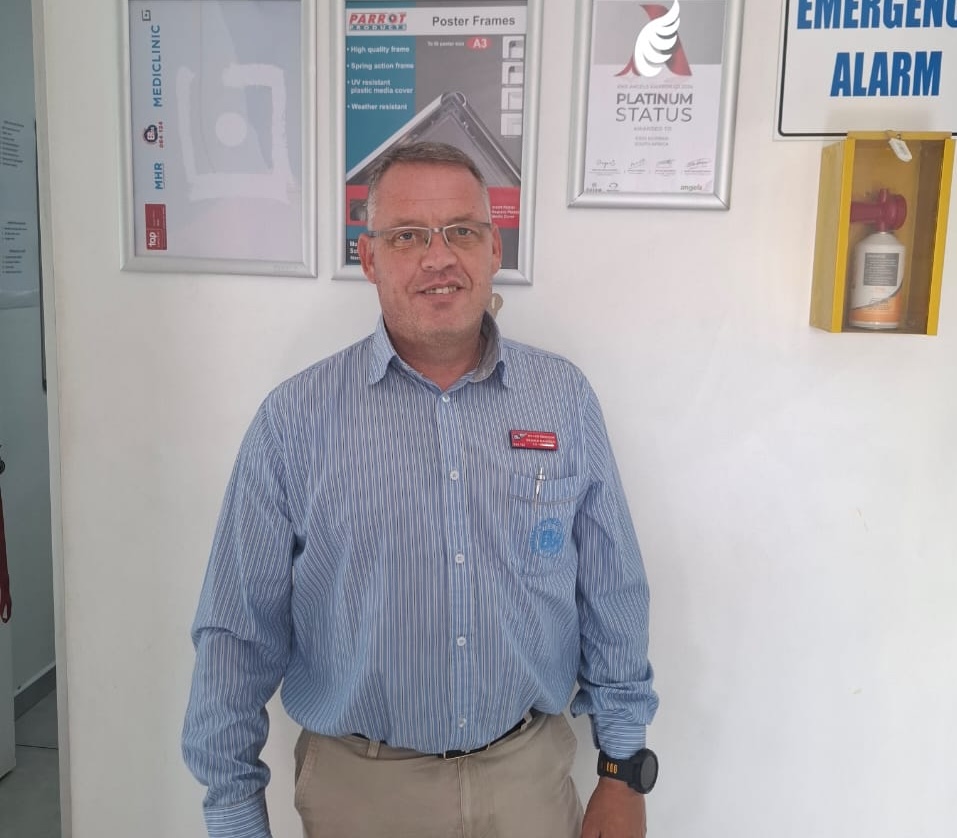
Almost three decades into a career as firefighter and paramedic, Willem Rossouw attended to a patient he would never forget. They’d been called out to Tongaat, a small town about 40 km north of Durban in South Africa’s KwaZulu-Natal province, where an 11-year-old was suffering severe headaches. Recognizing the signs of intracerebral hemorrhage, Willem felt the ground shift beneath his feet as he watched the child die before his eyes.
He’d been attending emergencies since the age of 15, scarcely more than a child himself, but an 11-year-old dying of stroke? It went against the natural order of things.
A short while later, when Angels consultant Maxeen Murugan first contacted ER24 Durban to talk about optimising prehospital stroke care, she found Willem more than willing to listen. He liked her approach, and what Angels stood for. If it was within his power to prevent it, there would be no more 11-year-old stroke fatalities on his watch.
It’s not about winning
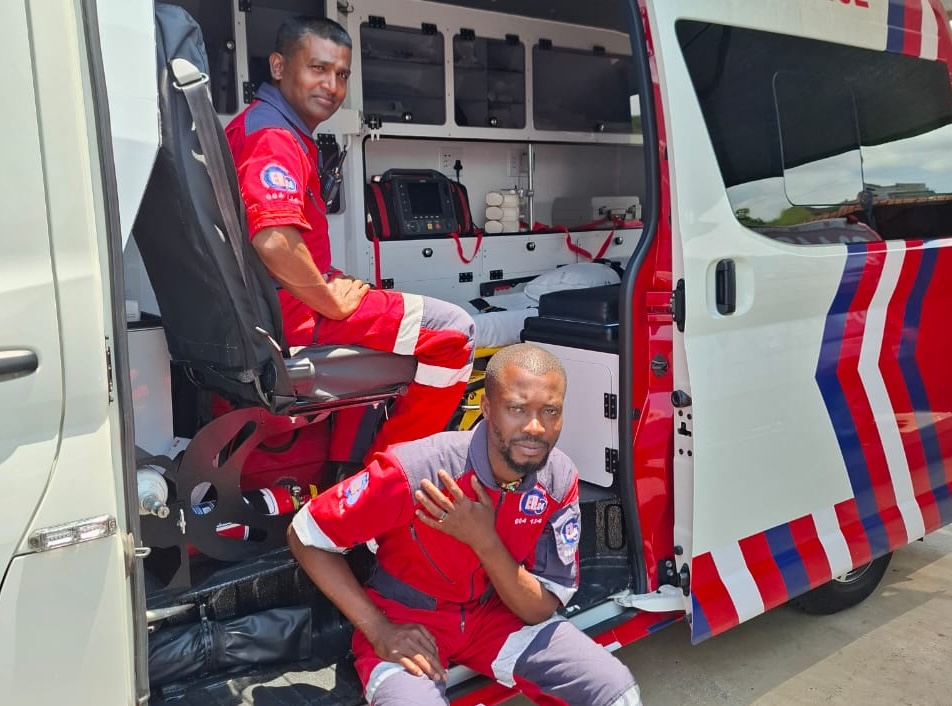
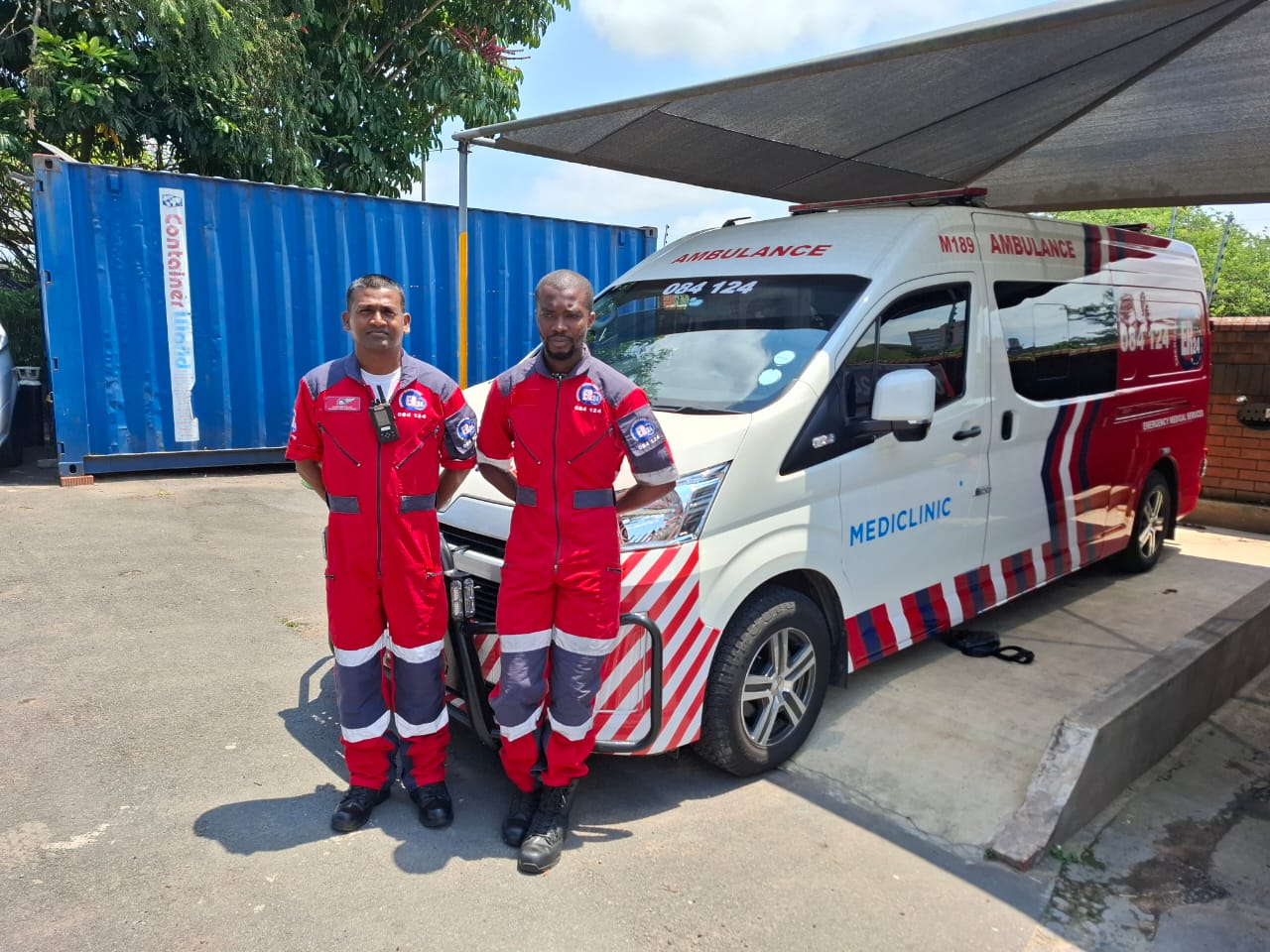
ER24 is a private medical and emergency care provider operating from 29 bases throughout South Africa. Roughly one year after entering into a partnership with Angels, the Durban branch where Willem is operations manager won the group’s first EMS Angels Award for outstanding prehospital stroke care. And at the end of 2025, the same team scored their third, this time achieving diamond status and taking their place among the world’s best emergency medical services for stroke.
Of course they are proud. The diamond award is validation of hard work, clinical discipline, and shared commitment to delivering the highest possible standard of patient care, Willem says. But it was never just about winning. “Our primary expectation was to improve outcomes, not the award itself.”
Influencing peers, shaping practice
“Improvement is driven by people,” Willem believes. His staff is competitive, and driven by clinical excellence. To reach their goal they focused on collaborating with Maxeen and constructing relationships with the hospitals in their region, getting their systems in place, and providing ongoing education. As these processes matured, their performance became more polished.
Recently, Willem has also squeezed awareness training into his packed schedule, becoming an ambassador for the FAST Heroes schools-based stroke education program, and encouraging local schools to get involved.
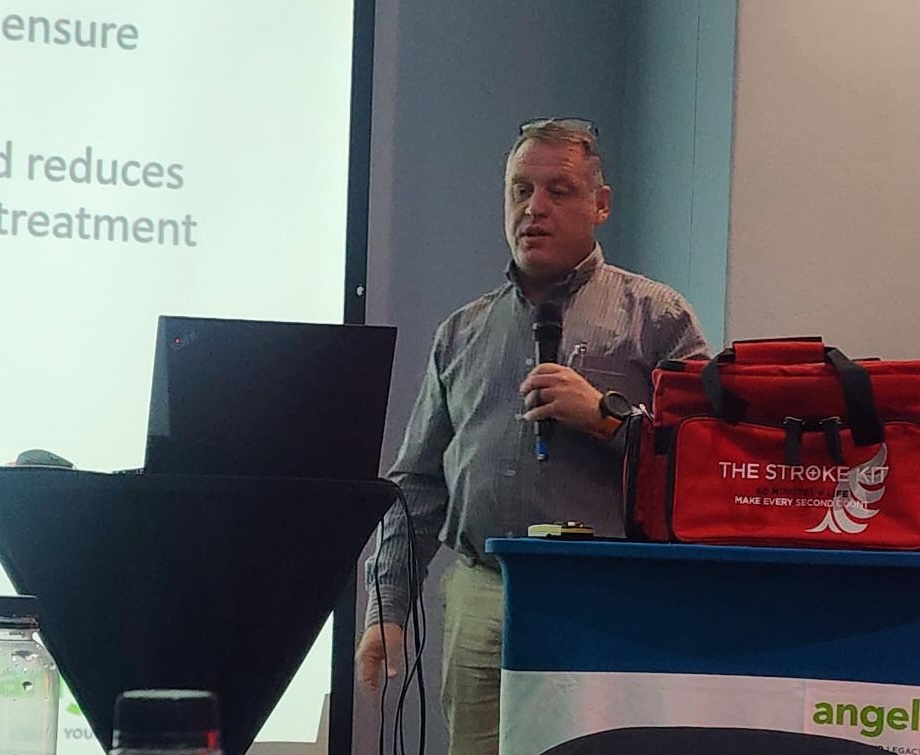
Plus, Maxeen has put him on the agenda at regional EMS events, to spread the word about the importance of early symptom recognition and prenotification, and this opportunity to influence his peers and shape practice has been worth the nerves.
Out in the field
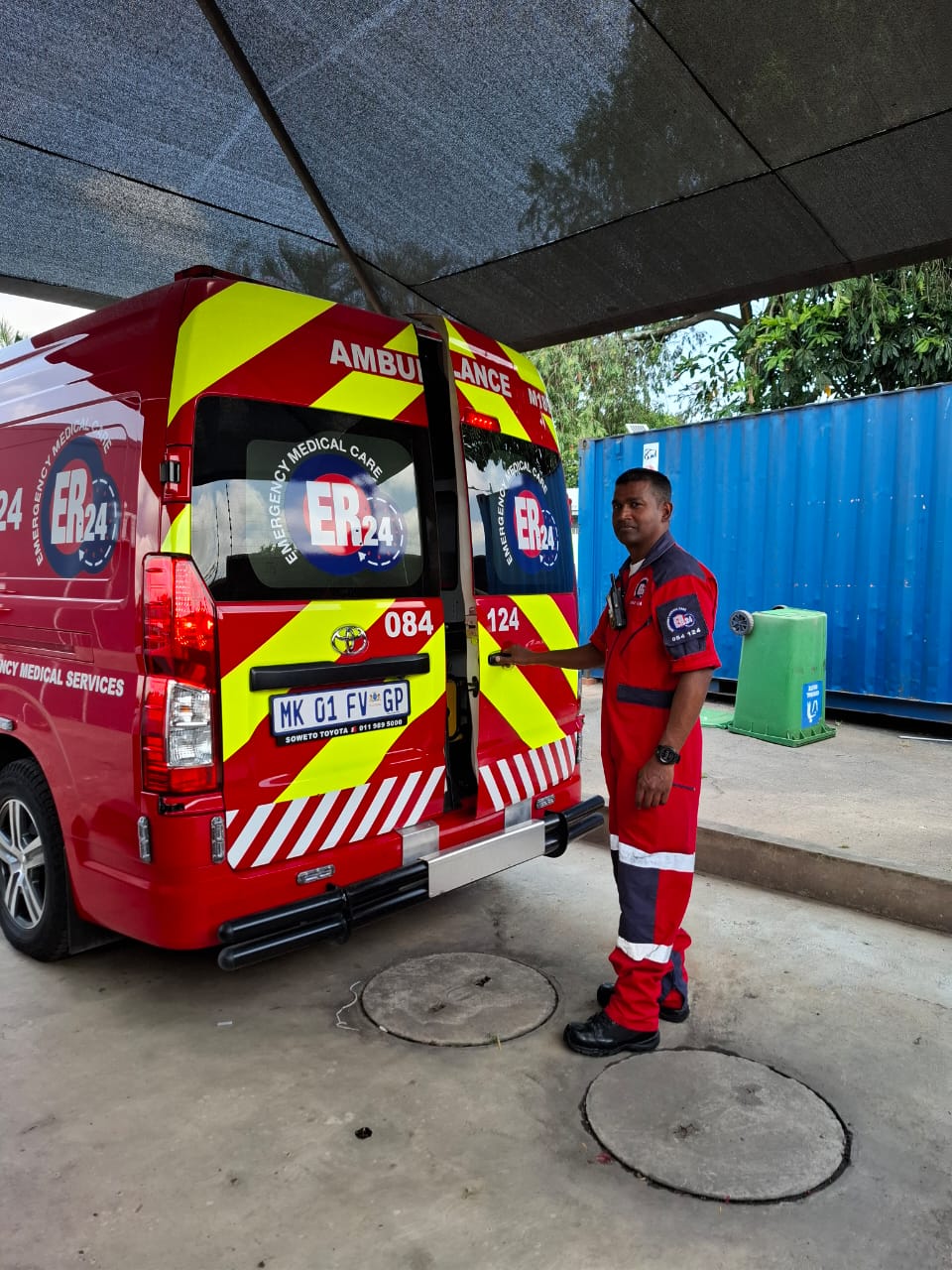
Willem knew from the age of three that he wanted to become a firefighter and paramedic. Both his parents were in the military, so he grew up in a disciplined home where every minute was accounted for, and volunteered at the fire department from the age of 15. Ops manager for the past 10 years, first in Newcastle and then in Durban, he still goes out into the field to do what he loves. He’d go mad spending every day between four walls, he says, and he believes the right way to lead is from the front.
In more than three decades on the frontline he has witnessed momentous change in prehospital stroke care. “Many years ago in training, when we were talking about stroke we were thinking of older males with comorbidities,” he says. Now even 11-year-olds aren’t safe.
But new treatments mean if you diagnose fast and provide emergency transport to the right hospital, you can preserve life and quality of life. “We’re not the Big Guy, we’re not making life-or-death decisions, but we can prevent unnecessary deaths and reduce disability,” he says. The key lies in training more ambulance staff, getting prenotification right, and making more hospitals stroke ready.
Fringe benefits
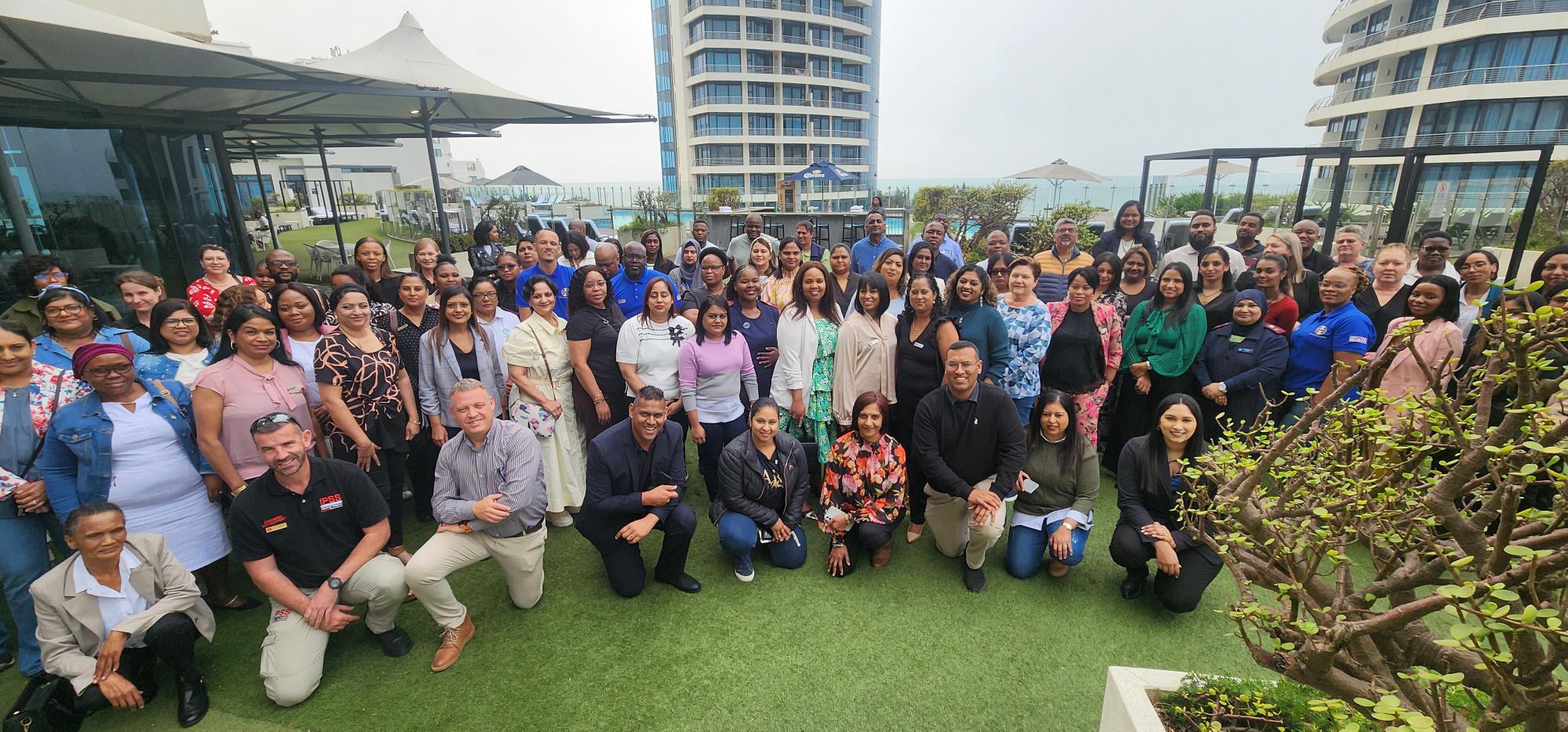
Treating stroke as an emergency has changed the game. There’s no delaying transport until the patient is stable, for example. It’s “load and go” and letting the hospital know you’re on your way. There have been other changes too. The structure, urgency and teamwork that took ER24 Durban to diamond is benefiting patients no matter what the emergency, and collaborative relationships between emergency medical services and hospitals, difficult to negotiate in the past, are starting to flourish. For example, says Willem, a WhatsApp group created with Ethekwini Hospital for stroke is now being used for other emergencies too.
“Focus on the fundamentals,” is his advice to colleagues in nearby Pietermaritzburg who have just won their first platinum award. Build a strong team, build relationships, understand the urgency, don’t waste time on scene . . .
Better outcomes for stroke patients was what motivated the team at ER24 Durban to work with Angels to finetune their performance. But the process has also opened doors, allowed relationships to grow, and rewarded this proud team with a well-deserved diamond award.


