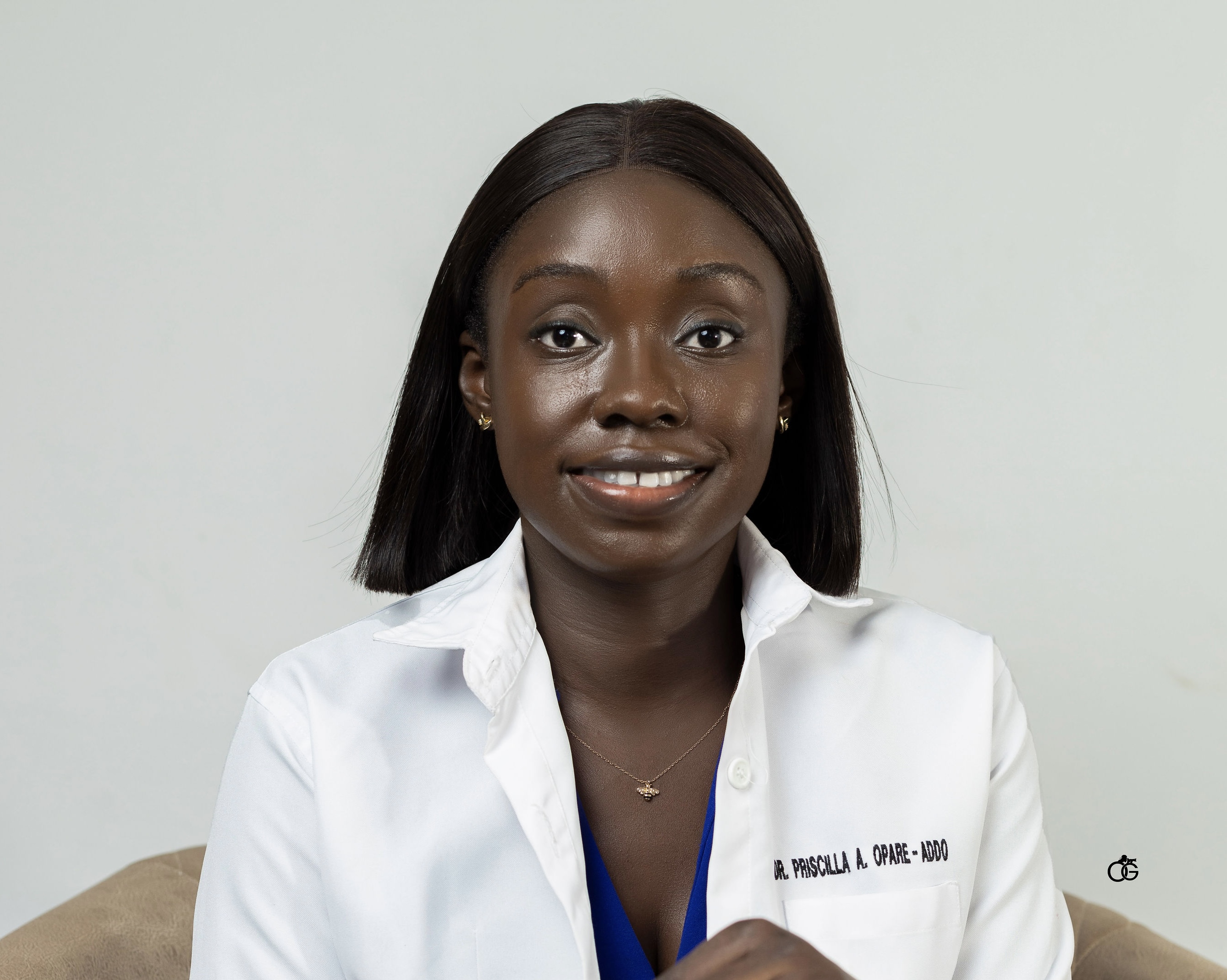
While scouring the Angels Initiative website for training resources for her staff at Komfo Anokye Teaching Hospital (KATH), Ghanaian neurologist Priscilla Abrafi Opare-Addo noticed something she instantly knew could be a game changer. A rectangular red bag emblazoned with the Angels wing appeared in photograph after photograph – of stroke teams engaged in simulation training, gathering for a group shot at the end of a workshop, or celebrating an award.
The bag had side pockets and adjustable compartments designed to hold medication and equipment, a document area for protocols, checklists, and forms (colour coded according to speciality), a ringbinder with reference documents for easy-to-find information in stressful situations, and wrist bands and stickers for patient identification. In short, everything you needed to treat a stroke patient in the CT imaging room.
It was a bag packed with tools to trigger and support actions critical for reducing door-to-treatment times and delivering the best outcomes for stroke patients.
Priscilla longed to get her hands on such a bag.
An example for the rest of Africa
Komfo Anokye Teaching Hospital was doing well all things considered. With a 1200 bed capacity, it is Ghana’s second largest teaching hospital, located in its second largest city, Kumasi, the capital of the Ashanti region in the southern part of Ghana. KATH receives referrals from 10 out of 16 administrative regions of Ghana and serves as the main clinical training site for Kwame Nkrumah University of Science and Technology, Dr Opare-Addo's alma mater.
The hospital admits approximately 1200 strokes per year, or 3 to 4 per day. An increase in the number of stroke admissions after thrombolysis was introduced in 2024 means the six-bed stroke unit is under pressure and most patients end up on a general ward. But six beds will soon become twenty-one in an expansion aided by the World Stroke Future Leaders Program whose support includes staff training. This model is being replicated across six more hospitals in the region. The vision is of an Ashanti regional network of stroke-ready hospitals with Komfo Anokye as the hub.
With a cath lab under construction, Dr Opare-Addo hopes Komfo Anokye Teaching Hospital will become a comprehensive center by next year.
The even bigger picture is of Komfo Anokye Teaching Hospital becoming “an example for the rest of Africa to show them what is possible.”
Yes, she is very ambitious, Dr Opare-Addo says.
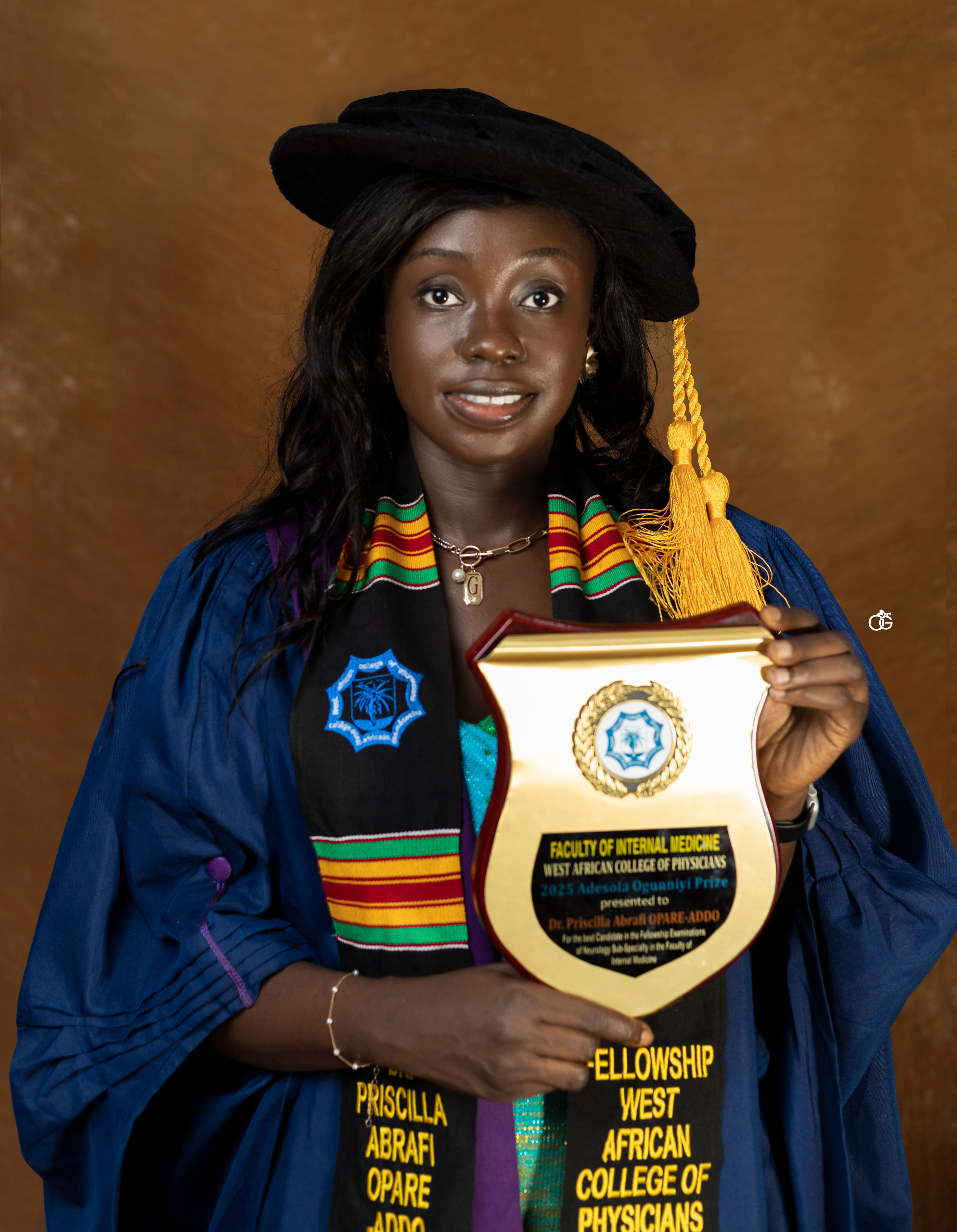
Solving puzzles
There are studies that suggest that children ask between 23 and 107 questions per hour, and that from the age of three, approximately 30 percent of these questions begin with ‘why’. They ask why, not only to test their parents’ patience, but as a means to connect, explore, and make sense of new experiences.
Raised in a middle-class Ghanaian household with a father who worked abroad, Priscilla Abrafi Opare-Addo grew up curious and never grew out of it. She was always questioning why things couldn’t be done differently, and when she embarked on a career in medicine, she brought that same scrutiny to the healthcare system.
Plans to focus on cardiology were scuppered during a neurology rotation. “Neurology was very interesting,” she says. “Like solving puzzles. You start with questions, and put the pieces together until it all makes sense.”
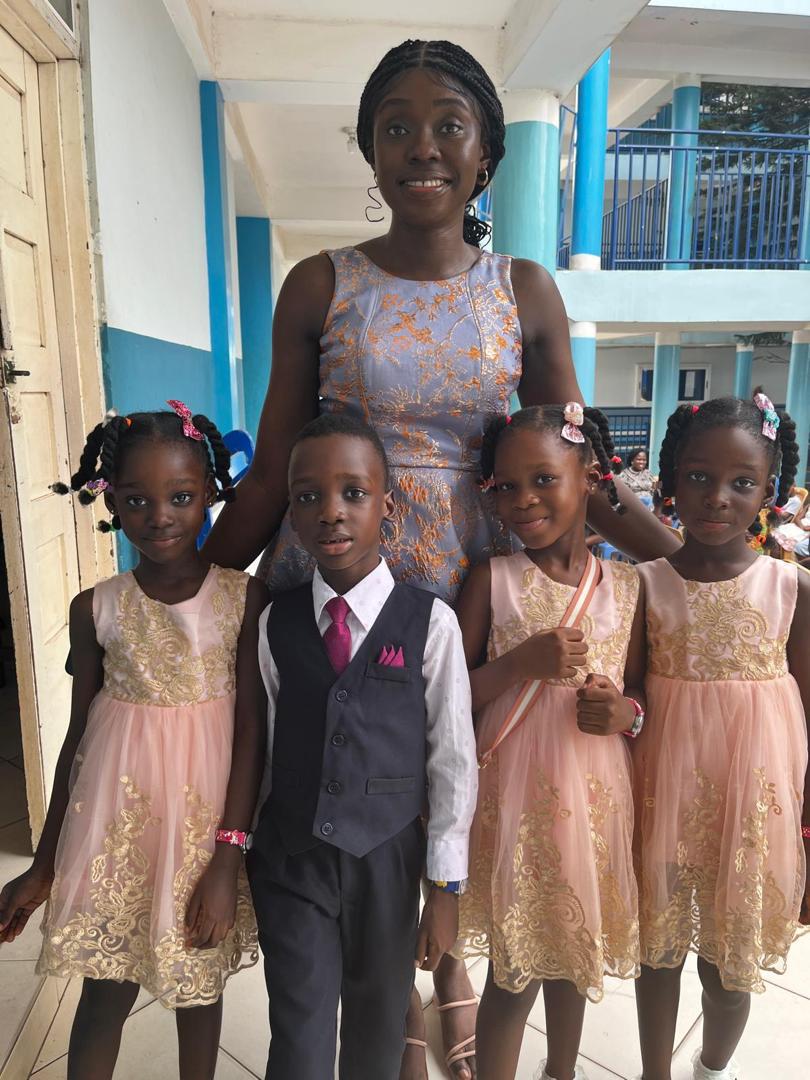
Having discovered that she was rather good at solving puzzles, Priscilla embarked on her neurology residency while simultaneously studying clinical research at the Medical University of South Carolina, and caring for her newborn quadruplets – three girls and a boy.
It was a “rough patch”, she laughs. If anything, it taught her that nothing was impossible.
“Nothing really scares me,” she says.
‘These people could not wait’
Busy though she was, Dr Opare-Addo had not run out of questions. Why did their stroke patients have such poor outcomes? Why didn’t their hospital offer thombolysis? How could they improve their stroke care? Were there really too many barriers in their part of the world? What were these barriers and were they surmountable?
As a doctor in Ghana you are constantly aware of how much people need your help, Priscilla says. “The little things you do make a big difference, the patients really need you.”
Observing the large proportion of stroke patients among neurology patients, witnessing poor outcomes, patients dying or going home disabled to lives hopelessly altered, she felt a sense of urgency: “These people could not wait.”
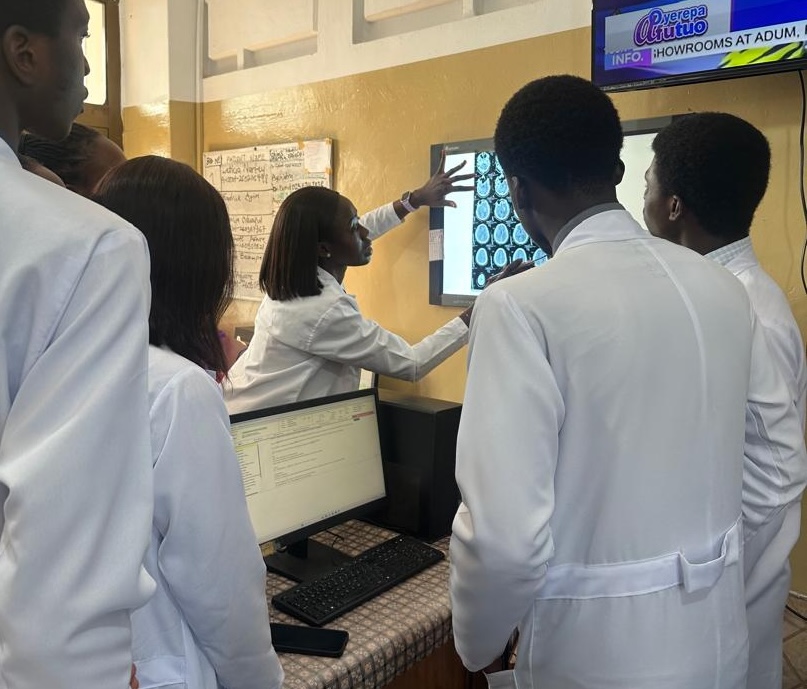
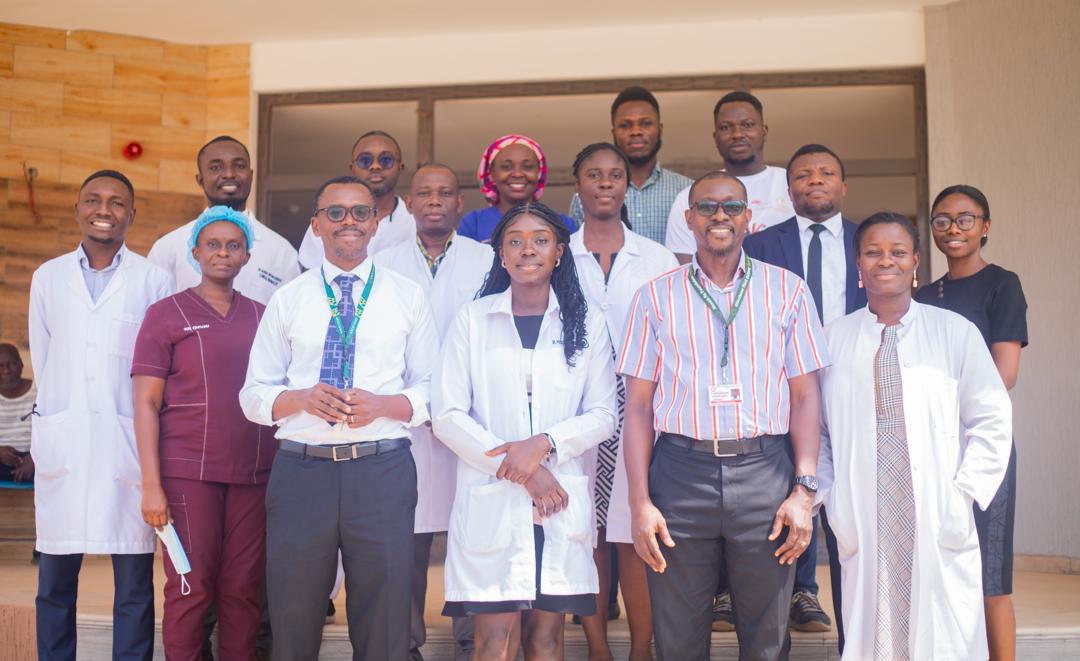
By 2024, the Komfo Anokye stroke program had faced down many barriers and Priscilla was becoming more hopeful that real change was possible. The first step was to establish a multidisciplinary stroke thrombolysis team and put together code-driven protocols and algorithms.
To address late presentation, the national ambulance service had been brought on board and prenotification established as a key priority action. And because more than 85 percent of stroke patients arrive in private vehicles or via public transport, a massive stroke awareness campaign was launched by the KATH stroke team.
Deferred billing was introduced to mitigate cost of treatment – a major concern as CT scans and thrombolytics aren’t covered by Ghana’s national health insurance.
In 2025, getting to know Angels via the Future Stroke Leaders Program set Priscilla on a new course. She assembled a large stroke multidisciplinary team and used Angels resources for training. And she began to explore the potential for treating at CT rather than in the red zone of the emergency department.
Then an invitation arrived and, in February 2026, Dr Priscilla went to Kenya.
A gift from above
The Komfo Anokye delegation to Angels Day in Nairobi included two more neurologists and dedicated stroke nurse Khalib Abdulai who were all eager to turn knowledge into experience.
They were hoping to take home the latest information about acute stroke care, and new ways of doing things, Dr Priscilla says, and the case simulations were indeed eye-openers that made key priority actions such as delivering patients directly to the imaging room and commencing treatment at CT seem within reach. Seeing examples of others thriving despite challenges not unlike their own filled them with hope. And the day-two RES-Q workshop delivered important answers for a hospital that had recently started capturing stroke patient data. But they were also there on an important errand.
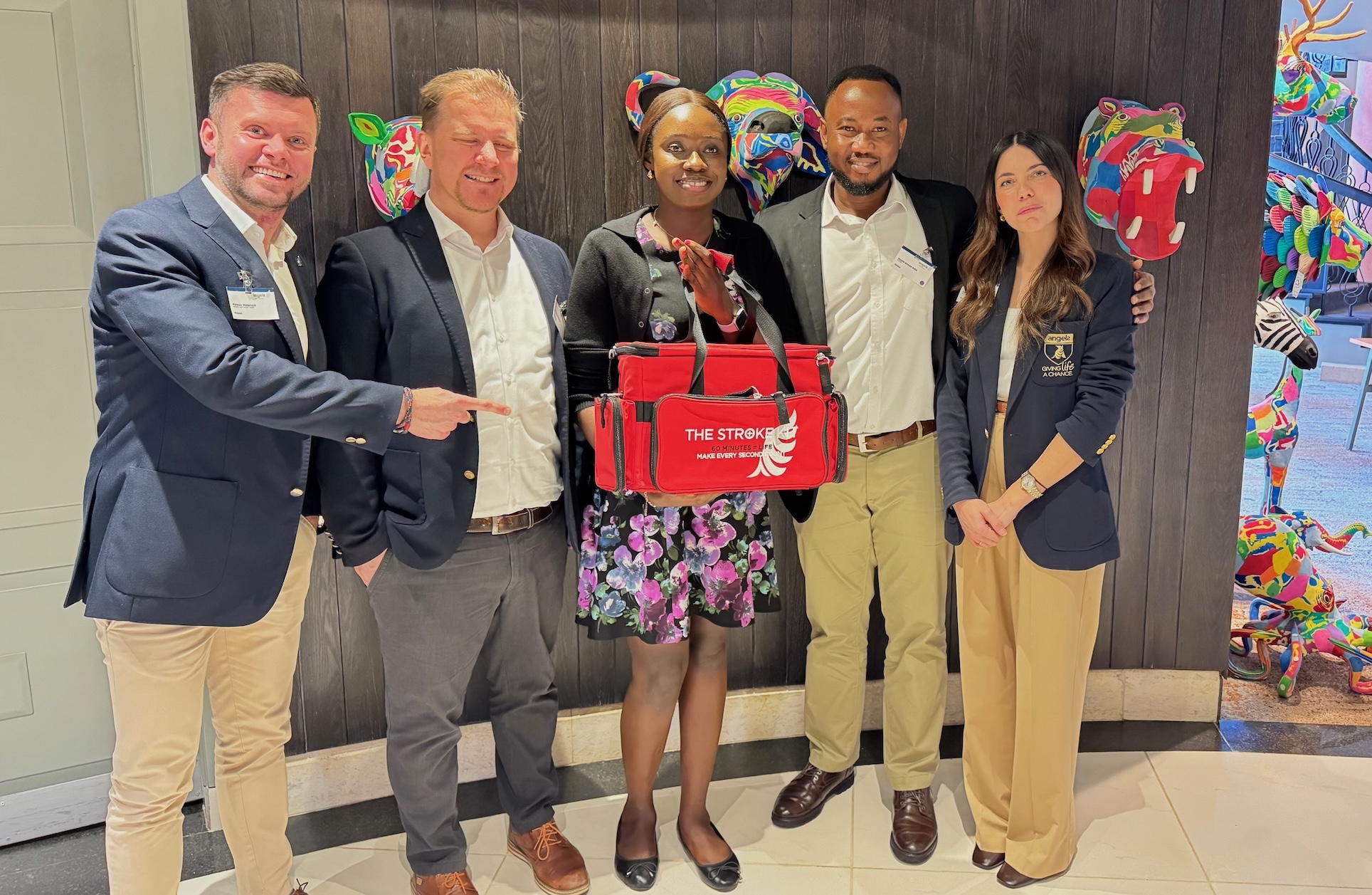
“When we started training using Angels resources we realized with a stroke bag we’d be able to thrombolyse anywhere,” she says. So when the invitation to Nairobi arrived, Priscilla said to Khalib Abdulai, “Let’s go talk to them and see if we can get one.”
The first person they asked was Angels project lead Belén Velazquez. “She said I could email her and she could help us get one. Then at the end of the training on our way to the lobby we ran into Mat Stolarczyk and Belén in the hallway and were introduced to the rest of the team.
“One of them asked do you have a bag and when we said we were desperate to have one, they said why not give her the one we used in the training.”
A picture tells the story
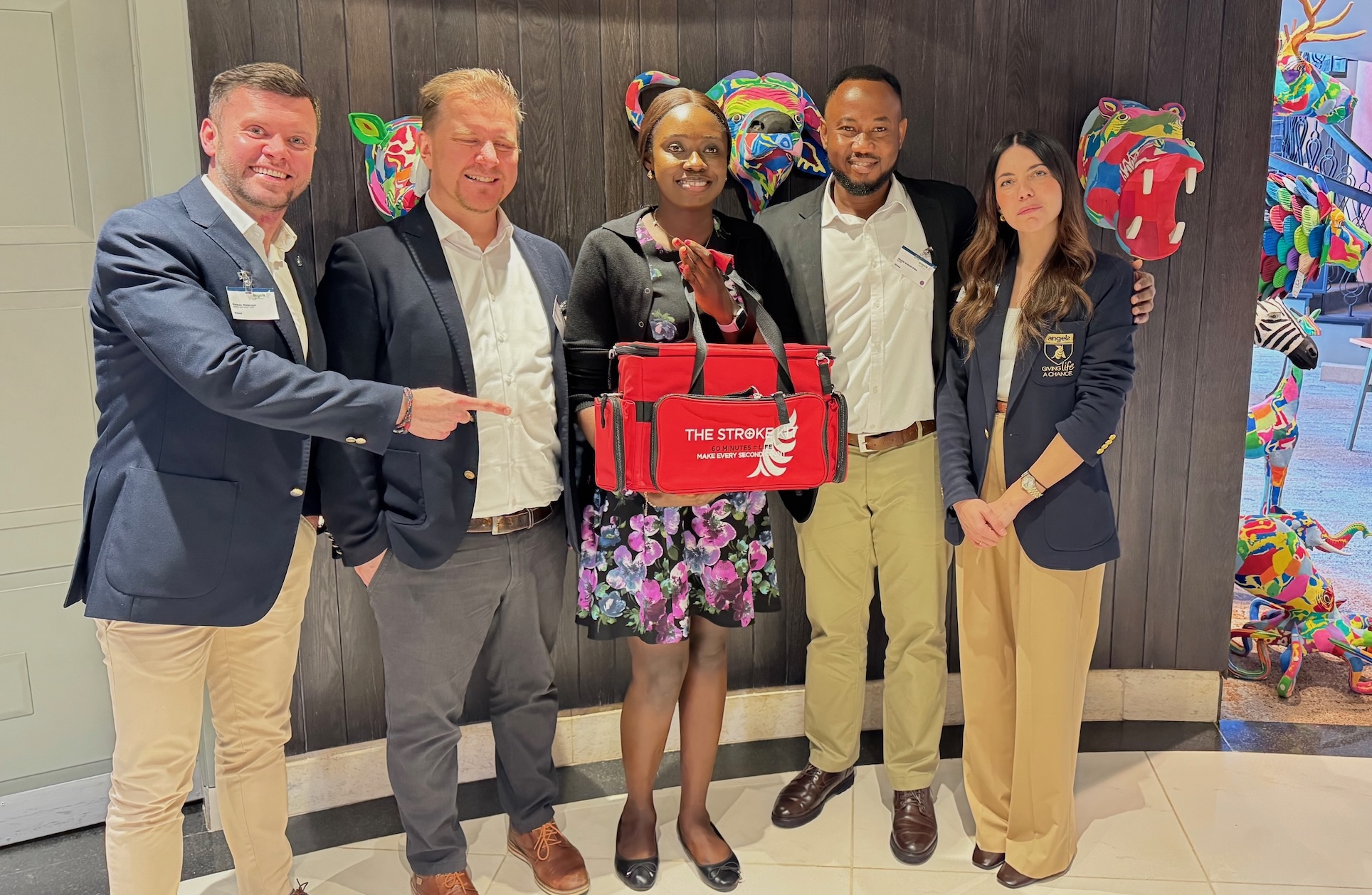
Priscilla is in the center between Angels cofounder Jan van der Merwe and nurse Khalib who is standing next to Belén. Mat is on the left, pointing at the Angels stroke bag Priscilla is holding with both hands.
The first thing she did after she got back to Kumasi was to present the bag to the rest of her team in a stroke training session.
“This is testament that if you dream, you have to believe,” Priscilla told them. “You see, we spoke about this just a few days ago.” And now here it was. A bag filled with hope – not just for the stroke patients at Komfo Anokye Teaching Hospital but for all of Ghana.
Dr Priscilla Abrafi Opare-Addo would like to express her gratitude to her mentor, Professor Fred Stephen Sarfo, to the management of Komfo Anokye Teaching Hospital (KATH), the national ambulance service, head and staff of the emergency unit, the members of the multidisciplinary stroke team at KATH, and to all the stroke care providers in Ashanti region.


