Dream #1: Change
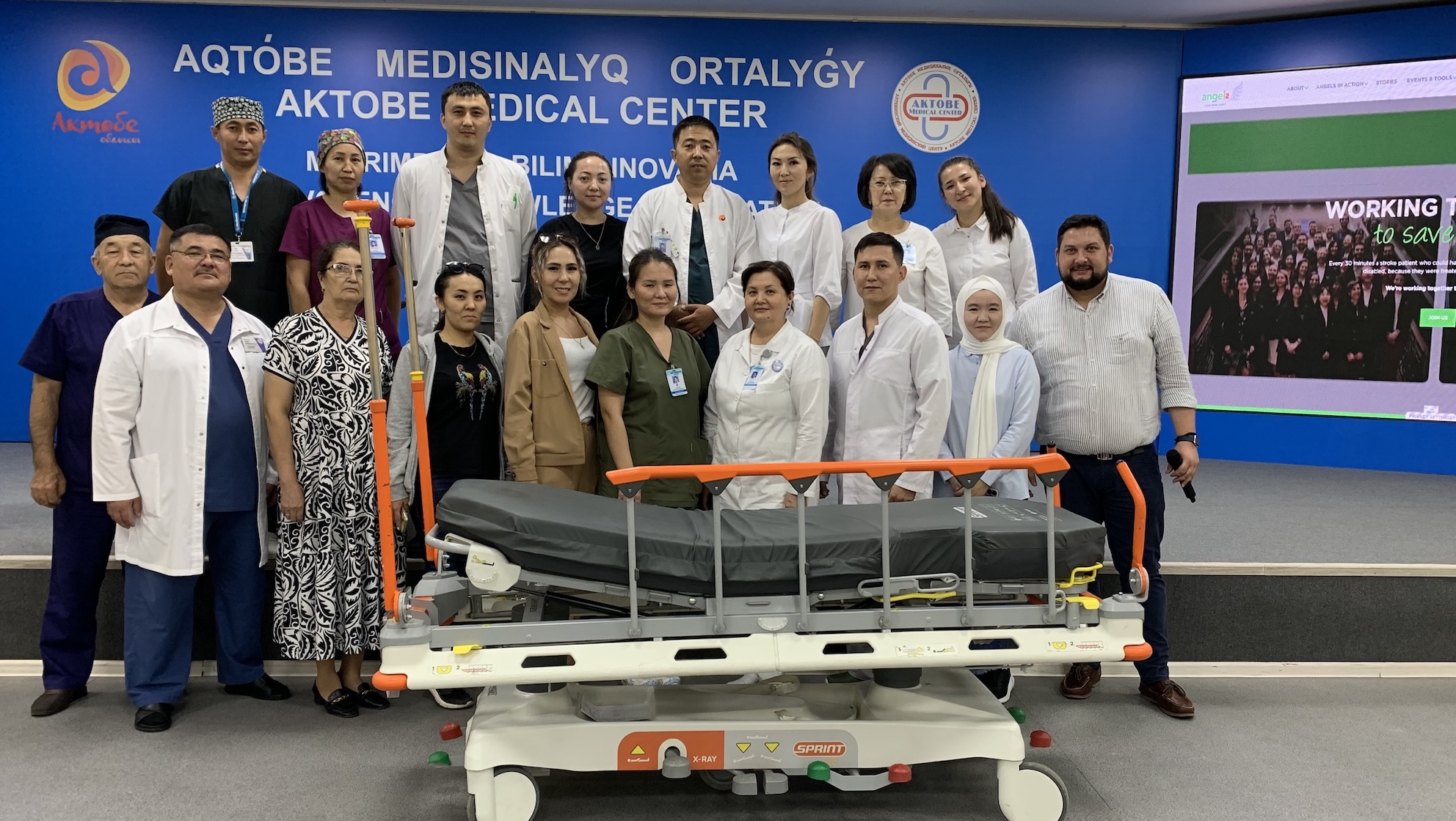
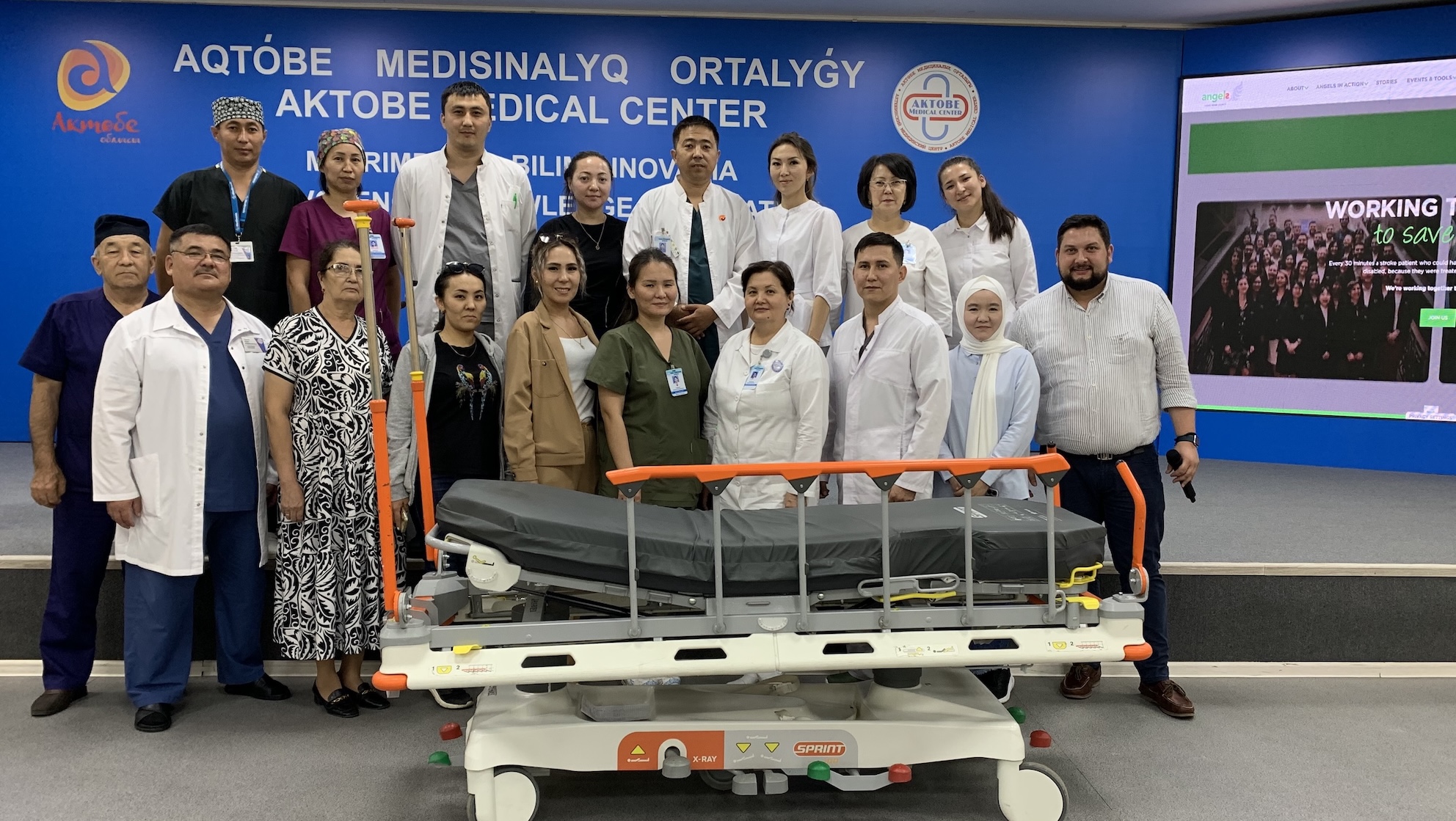
The dream of change began in 2018 when Dr Nurbakyt Serikova, Head of the Stroke Center at Aktobe Medical Center, attended the School of Stroke annually held in the Kazakh capital, Astana, and was introduced to the Angels Initiative. An invitation to the Angels’ signature Train-the-trainer event followed, and it was during this event, held in Mainz, Germany, in 2019, that the future of stroke care in Aktobe province came into focus.
What Dr Nurbakyt was most struck by, besides the testimony of stroke doctors from other countries, was the transformative potential of ambulance prenotification – the first key priority action in the hyperacute pathway. A simple phone call to alert the hospital that a suspected stroke was underway meant the stroke team was assembled even before the patient reached the ER. This was something they definitely had to implement, Dr Nurbakyt decided.
The daughter of a gyneacologist, Dr Nurbakyt knew from childhood that medicine was her destiny. She’d witnessed the hard work that came with being a physician, but what mattered more was that her mom was “bringing new life into the world and saving mothers”. Much later during her internship, when she saw stroke patients become disabled or die, she embraced both stroke neurology and the need for change. She says, “I understood that it depended on us, that humans could change it.”
Back from Mainz, she saw no reason why stroke care in Aktobe province shouldn’t be as good as or better than in other parts of the world, and with the support of Angels consultant Lev Prystupiuk, embarked on a stroke care transformation journey.
Dream #2: A place on the stage
Dr Nurbakyt was clear that changing outcomes for stroke patients was about more than survival or living an unimpeded life. “It’s not just about saving people or giving them a normal life,” she would tell the younger doctors in her hospital. “It’s about families and memories and time to spend with parents and grandparents. It’s about giving more time and moments of joy to families.”
It wasn’t only the families in her own district Dr Nurbakyt was thinking of. The former chief neurologist for the entire province, and now a consultant neurologist at all five its stroke hospitals, Dr Nurbakyt’s dream of change reached beyond her hospital doors and beyond the boundaries of Aktobe district.
Transforming stroke care in the province would need everyone to work together, but there was also the matter of leading by example. Dr Nurbakyt’s best chance of rallying the other hospitals in the province was for Aktobe Medical Center itself to achieve the world-class standard they aspired to.
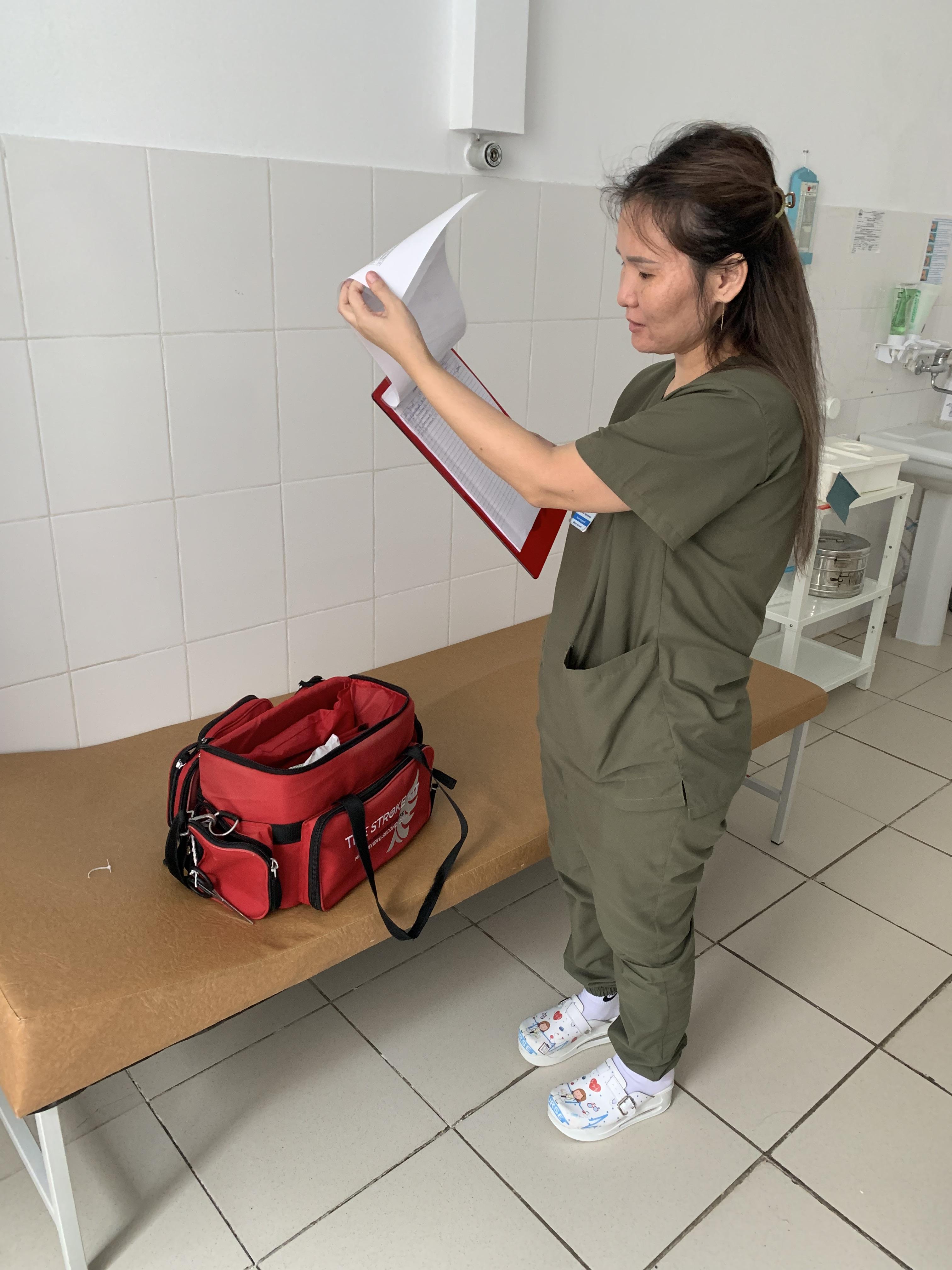
Dr Nurbakyt implemented all the tools recommended by Angels, including a stroke bag, Angels checklists, and a dedicated stroke phone, along with the resources in the Angels Academy.
In quarter three of 2024, the hospital won the first of five consecutive diamond awards, and in Helsinki in May 2025, during the presidential session at ESOC, Dr Nurbakyt took her place on the stage beside some of the best hospitals in Europe.
Another dream had been realized.
Dream #3: The first Angels Regions in Kazakhstan
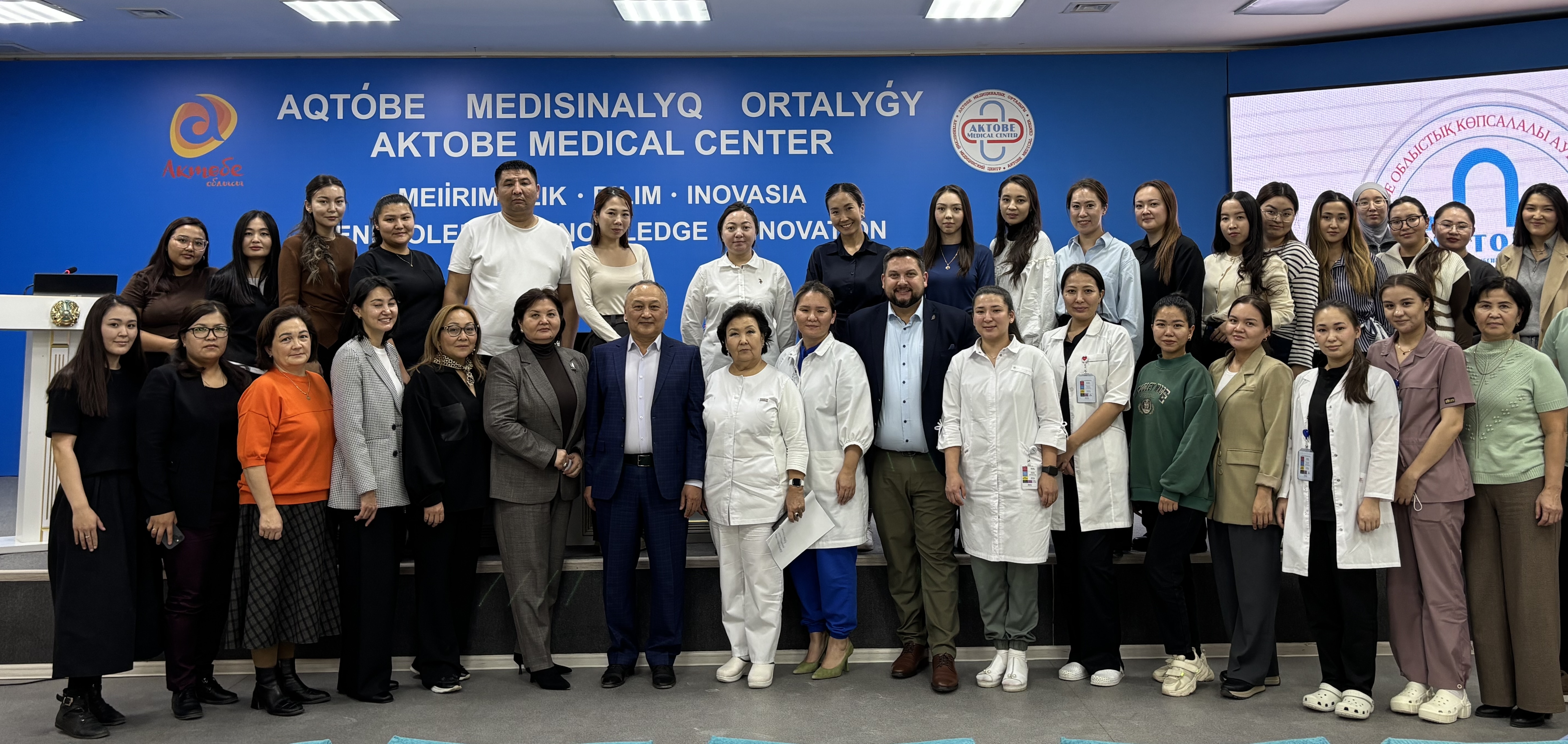
As soon as she heard about the Angels Regions strategy, Dr Nurbakyt recognized that this was her next goal. Angels Region status for all four districts in the province – Aktobe, Khromtausky, Mugalzharsky, and Shalkarsky – would make change sustainable; it would be the culmination of all the progress made since the beginning of her partnership with Angels in 2019.
The road to regions status now began in earnest, with a comprehensive assessment of stroke service geography, including coverage of stroke centers and accessibility for the population. After completing the regional mapping, Lev conducted on-site observations in each stroke center to identify bottlenecks, delays, and non–value-adding steps in the stroke pathway. Quality monitoring through the RES-Q registry and a series of multidisciplinary simulations delivered important breakthroughs. These activities created transparency in performance indicators and supported data-driven decision-making.
Working with the Department of Health, Dr Nurbakyt had developed a stroke code to be activated at the prehospital stage throughout the region. It was later captured in a mobile app to facilitate monitoring and feedback, but as with every change initiative, its effectiveness depended on implementation and cooperation.
Education & teamwork
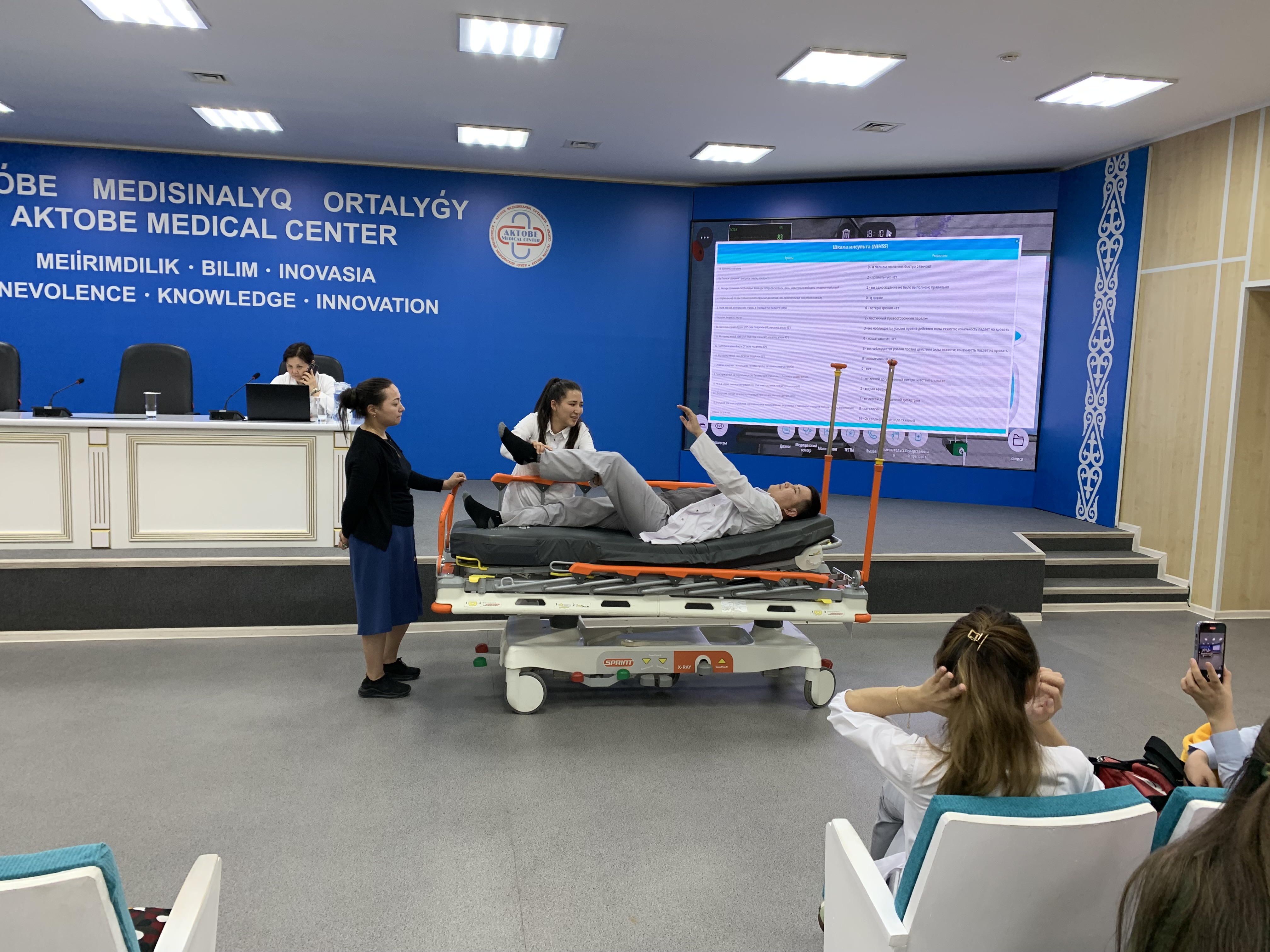
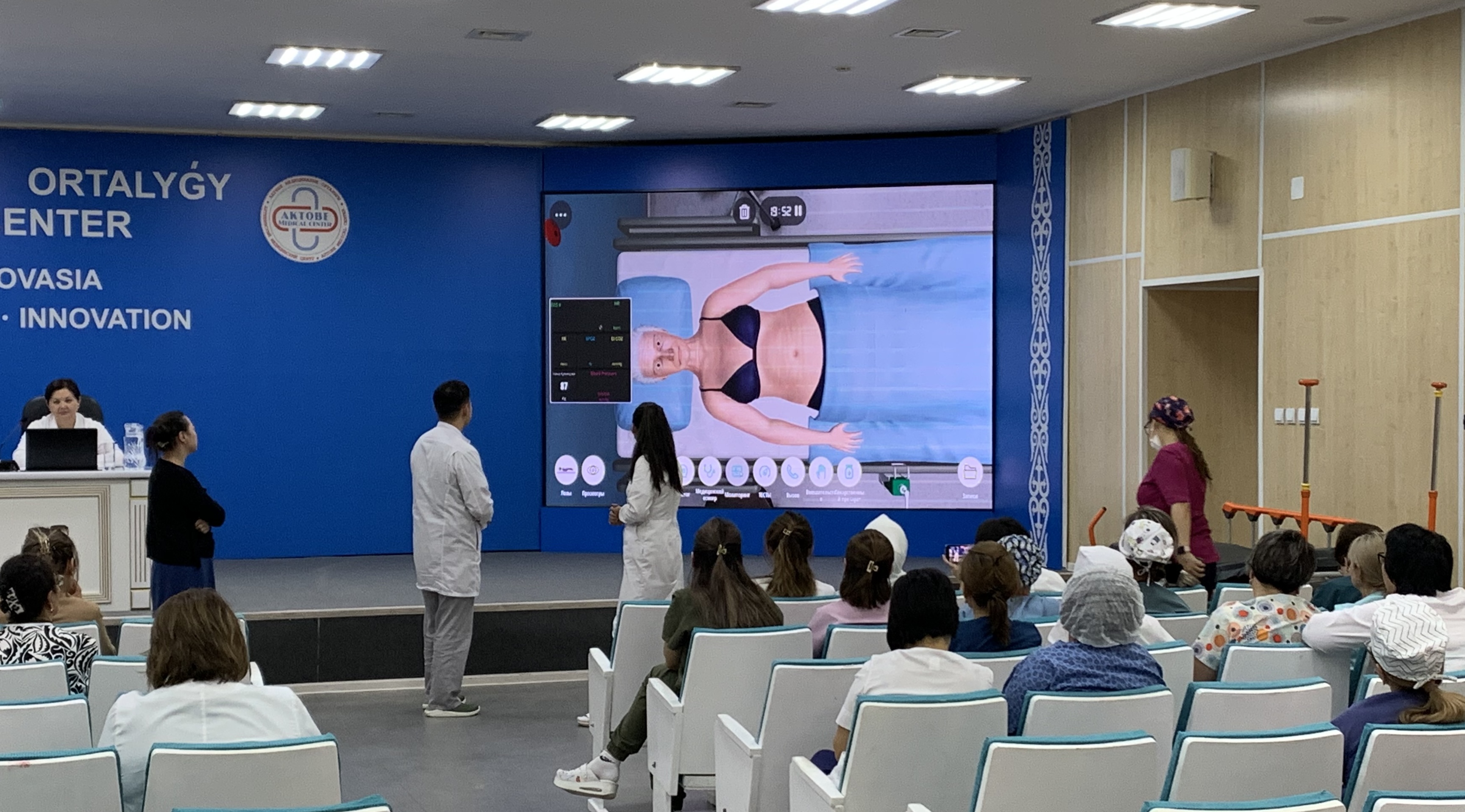
Videos recorded during in-situ simulations offered a powerful argument for change in those hospitals that insisted their stroke service needed no improvement. These recordings delivered evidence of preventable delays of up to 40 minutes, and subsequent simulations with implementation of the stroke code and checklists demonstrated that an award-worthy door-to-needle time of 40 minutes was within reach.
A major challenge across all four regions was the limited number of healthcare professionals familiar with modern stroke protocols, which was addressed via a program of standardized education. Here, too, Dr Nurbakyt played a decisive role, as she adapted educational materials to local realities, considering available equipment, infrastructure, and language, and ensured that all training was highly practical, simple, and applicable.
No less important was instilling a culture of multi-disciplinary teamwork, and creating consensus that a stroke patient was “not a neurology problem” but a problem of the whole team from admission to post-acute nursing and early rehabilitation. At Aktobe Multidisciplinary Regional Hospital, a comprehensive centre offering mechanical thrombestomy, the idea gained acceptance that even neurointerventionists were part of the stroke team and bound by instructions and checklists.
Awareness & emergency transport
Strong collaboration with regional opinion leaders and the Departments of Health and Education placed the regions project on a solid footing. In addition, the strong Kazakh tradition of grandparents’ involvement in childcare created fertile ground for the child-led knowledge-transfer mechanism underlying the FAST Heroes stroke awareness campaign – which was kickstarted by a series of face-to-face educational sessions involving more than 120 teachers.
The Angels Regions strategy recognizes that stroke awareness and optimized emergency transport are vital for getting stroke patients to the right hospital in time, and the Aktobe Regional Station of Ambulance and Emergency Medical Care rose to the occasion with a platinum award in quarter one of 2025, followed by two diamonds.
Digital coordination of emergency stroke care
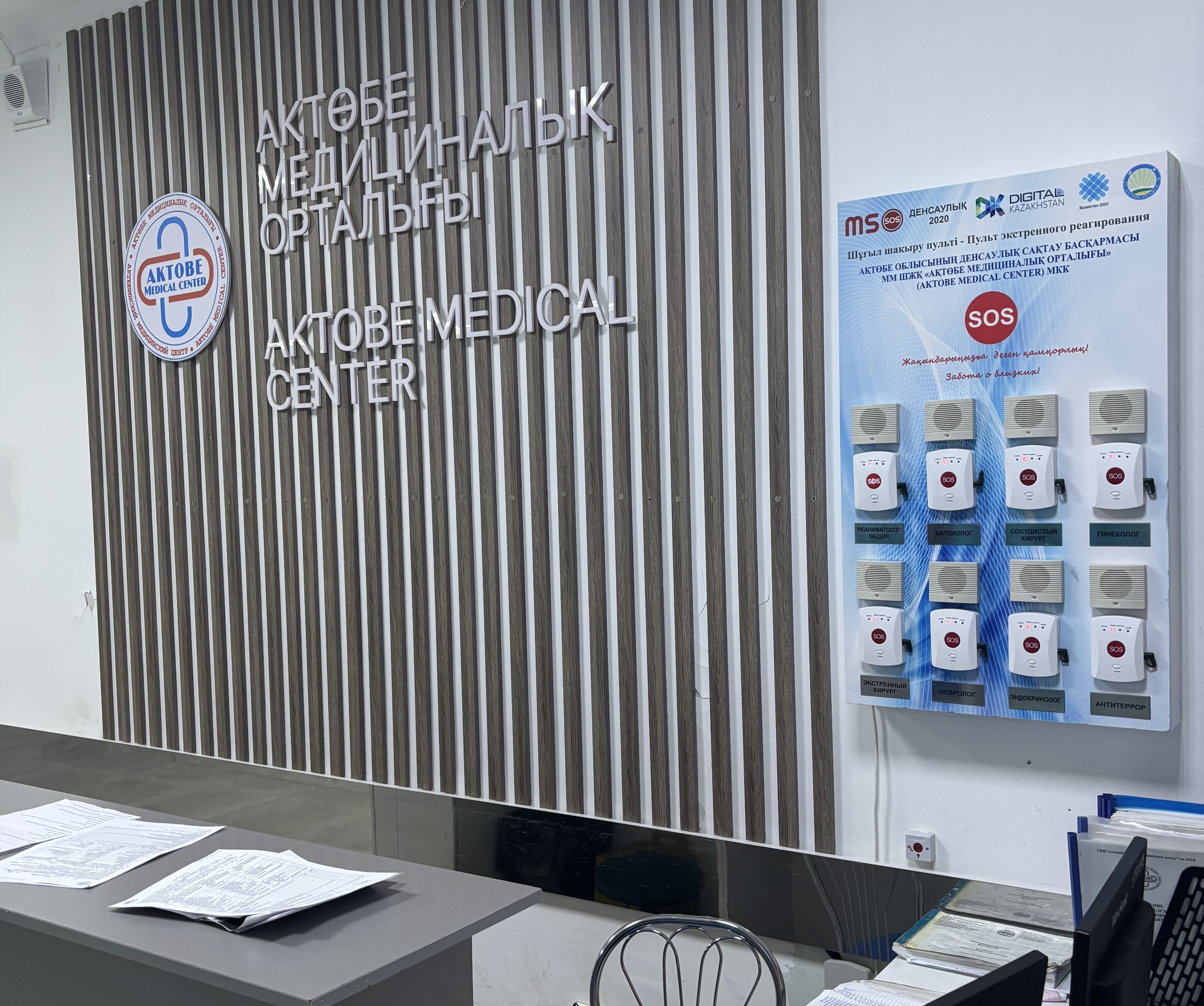
In partnership with the Human Safety Institute, a participant of the industrial acceleration program of the international IT park Astana Hub, a digital platform was introduced to support real-time coordination between ambulance services and stroke centers in the management of acute cerebrovascular events and other time-critical emergencies.
The solution enables bedside electronic checklists, online transmission of critical clinical data to the receiving hospital, early high-intensity acoustic pre-notification of red and yellow priority patients, automated ambulance arrival time-stamping, and integration with regional analytics systems — strengthening continuity of care in line with national emergency care standards of Kazakhstan.
Dr Nurbakyt expresses her gratitude to her mentors, A.B. Yesenzhulova and E.B. Sultangereev, as well as to the Institute of Human Safety, represented by V.V. Braun, S.Z. Braun, N.Z. Mukhamedaliyev, and V.V. Volkov, for their collaboration in implementing a digital platform to improve interactions between medical personnel in the emergency care and stroke center.
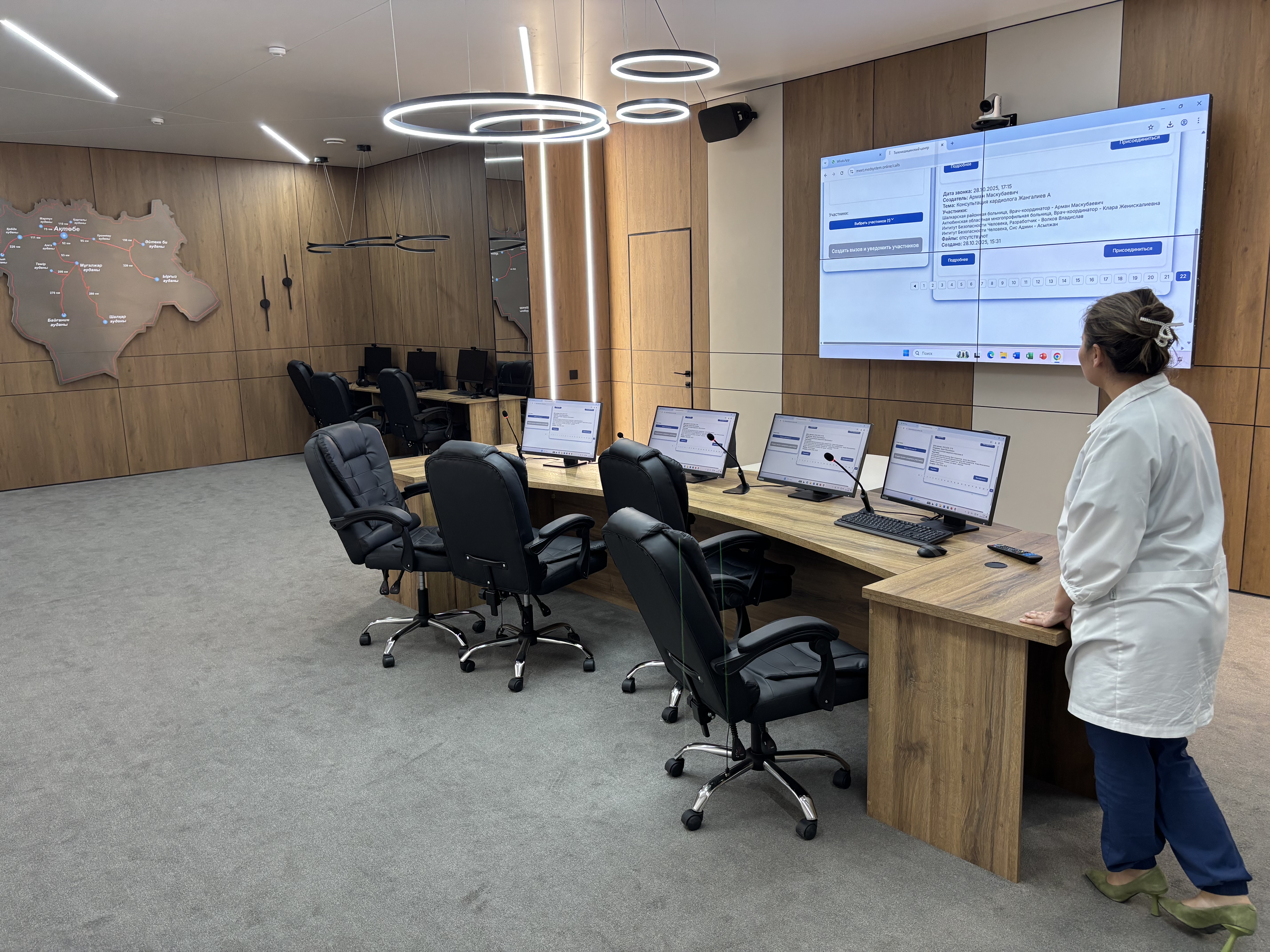
Another significant development was a telemedicine coordination center that opened at Aktobe Medical Center in September 2025. This Department of Health-supported initiative connects all all the hospitals in the province with a neurologist so stroke can be diagnosed and the patient referred to the most appropriate hospital without delay, and experienced practitioners are on hand to support complex decision-making.
Advice for fellow dreamers
With the third dream now realized and history rewritten, Dr Nurbakyt has valuable advice for fellow dreamers who want to make their regions safe for stroke. It starts with getting the basics right – treating patients faster for better outcomes, implementing a stroke protocol with prenotification, educating teams, and committing to quality monitoring by submitting data to RES-Q.
The next important step is forming partnerships with authorities, including the Department of Education, and forming a working alliance with teachers. In Aktobe, a plan is already in place to involve even more schools and teachers in FAST Heroes in the coming year.
And it doesn’t end there.
In the four districts now officially recognized as Angels Regions, the next awareness project is to educate primary care physicians about stroke symptoms and prevention. This will allow patients who seek help at polyclinics to be rapidly assimilated into the referral system, and to receive the best possible treatment in a network designed and optimized to give life a second chance.


