North Sumatra is a province located in the northern part of the island of Sumatra in western Indonesia. Sumatra is the sixth largest island in the world, and North Sumatra is Indonesia’s fourth most populous province. It is also the eighth largest, which means that stroke patients living outside the urban areas that surround the capital Medan face a journey of up to 10 hours to reach stroke-ready hospitals.
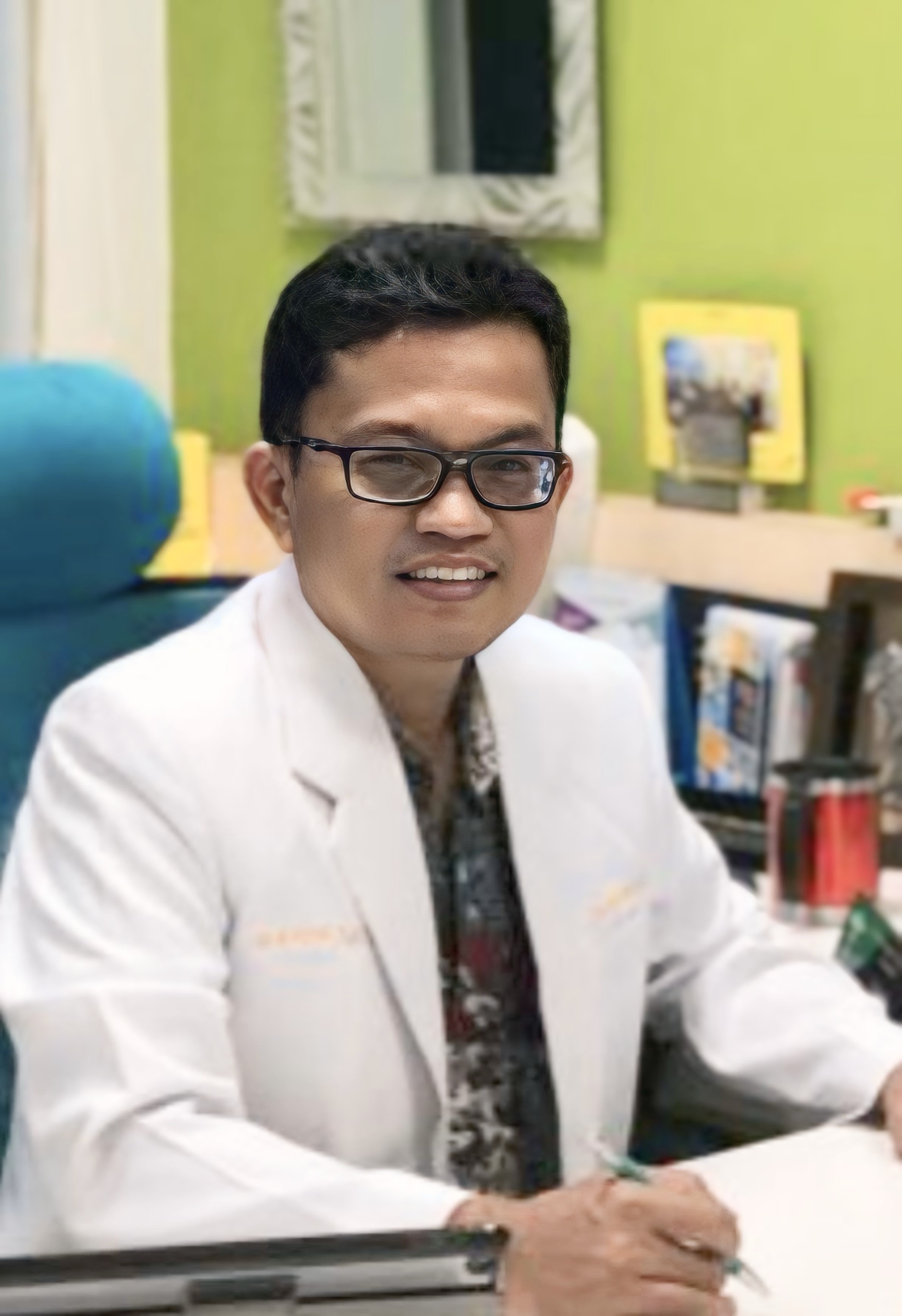
But at RS Haji Medan, a WSO Angels Award-winning hospital located in Percut Sei Tuan, an administrative district immediately to the east of Medan, a passionate neurologist has committed himself to making acute stroke care accessible throughout the province. Dr. Muhammad Yusuf SpN Subsp NIIOO(K), FINS FINA has been a key figure in developing the Medan Stroke Network, engaging the governor and uniting hospitals in the region. His hospital is the regional guardian in the country’s national stroke guardian program, and Dr Yusuf has set himself the goal of stroke-ready status for all eligible hospitals in the region (in other words, hospitals with a CT scan and a neurologist).
A matter of courage
Dr Yusuf’s passion is personal. He became interested in neurology after his father suffered a stroke that left him with mobility impairments and in need of ongoing neurological treatment. As a young neurologist working in a rural area, seeing firsthand evidence of the devastating impact of stroke, prompted him to deepen his knowledge by pursuing a Fellowship in Interventional Neurology and Stroke at Egaz Moniz New Delhi in 2012.
Initially, his journey was a lonely one. He recalls: “At first I performed thrombolysis by conducting all procedures myself because at that time there was no training at the hospital. The stroke team had not yet been formed, and there was no one who understood the treatment, mixing the medication, or administering the injection.
“After the alteplase medication was administered, the patient was transferred to a regular room without follow-up. The door-to-needle time was almost 2 hours. In contrast to current management practices, back then it was simply a matter of courage with the aim of saving the patient.”
From these pioneering beginnings evolved a vision for stroke management in which thrombolysis and thrombectomy would be routine procedures, funded and supported by government.
The training event in North Sumatra slots into this vision. Aware that many hospitals in the province do not have a stroke protocol or optimized pathway despite having the resources to treat acute stroke, Dr Yusuf was the driving force behind an event to educate hospitals about stroke and motivate them to treat acute stroke according to evidence-based guidelines.
Building confidence
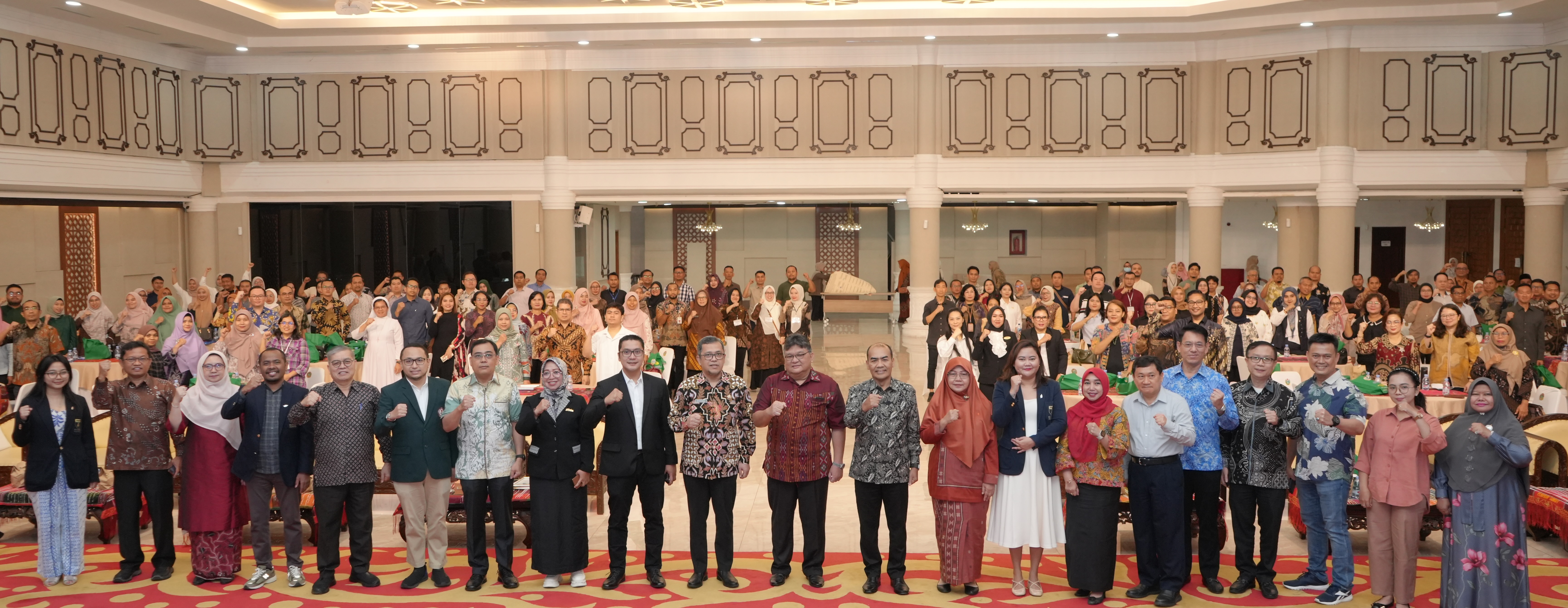
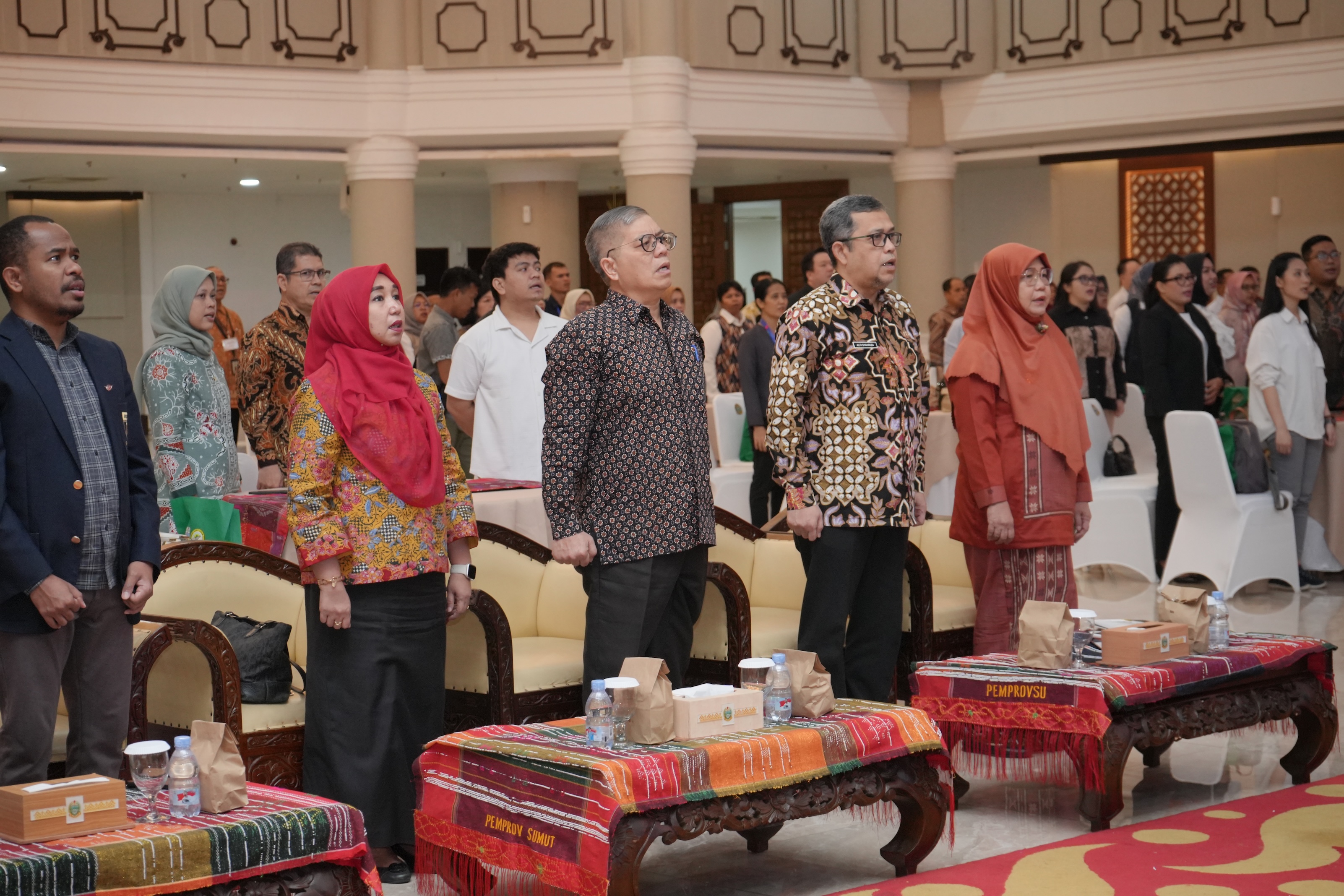
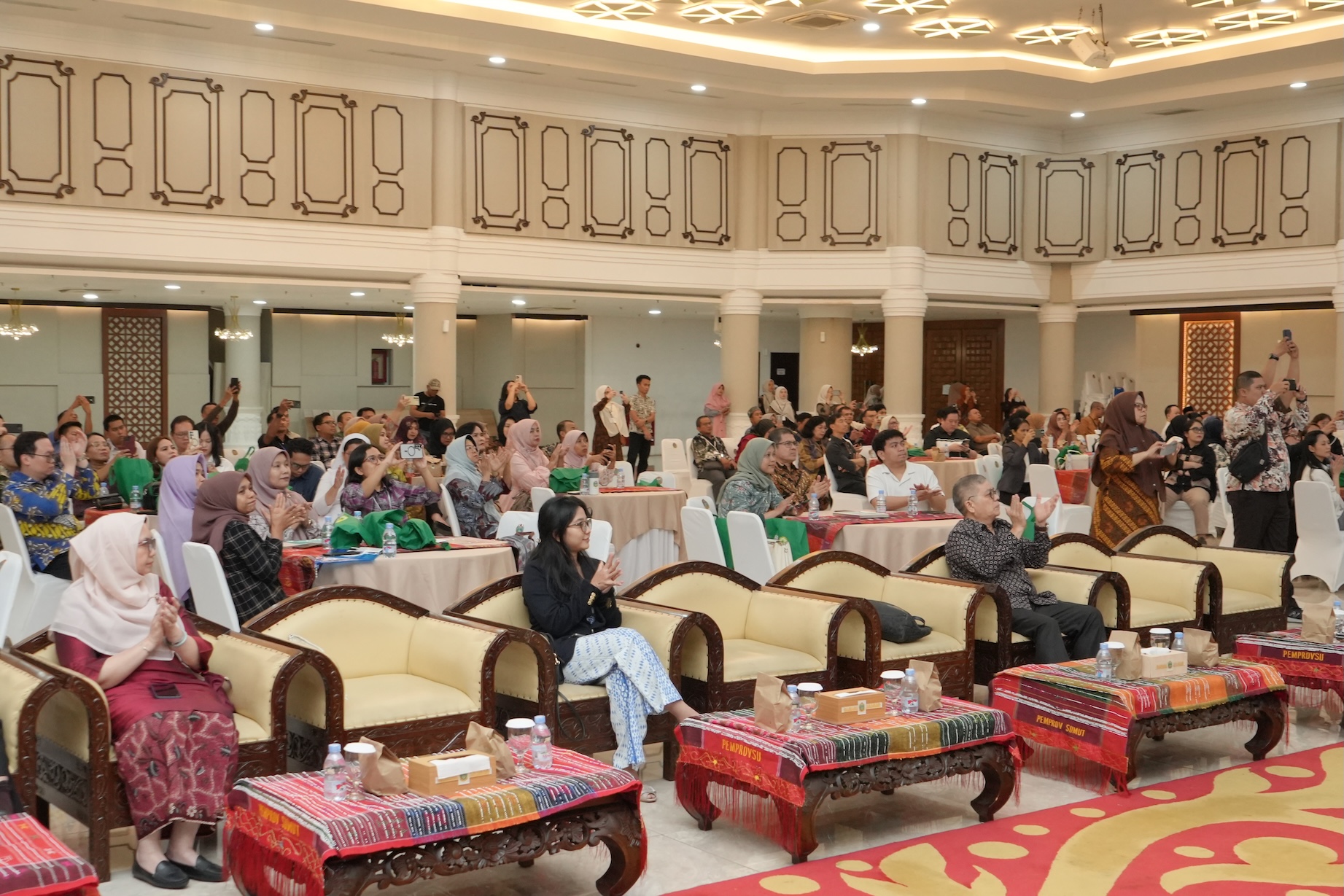
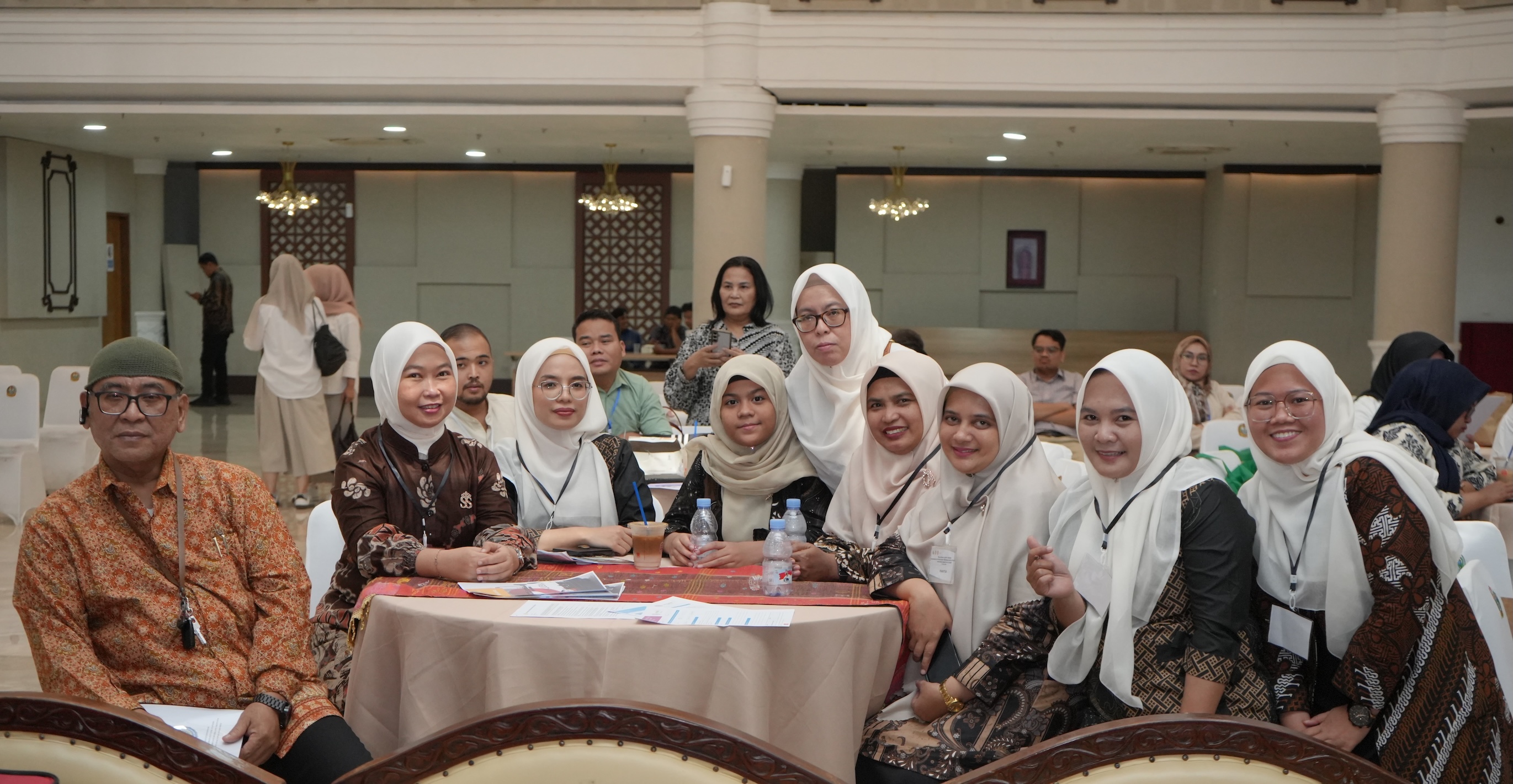
On 13 July 2025, RS Haji Medan became the meeting point for representatives, including hospital directors and neurologists, from 18 hospitals in various districts and cities across North Sumatra, with some coming from as far as nine hours away. After an introduction to the Angels Initiative, the regional strategy, and RES-Q by Angels consultant, Heni Oktaviani, neurologist Dr Luhu Avianto, Sp.N of RS Haji Medan gave a presentation on how to develop a stroke team.
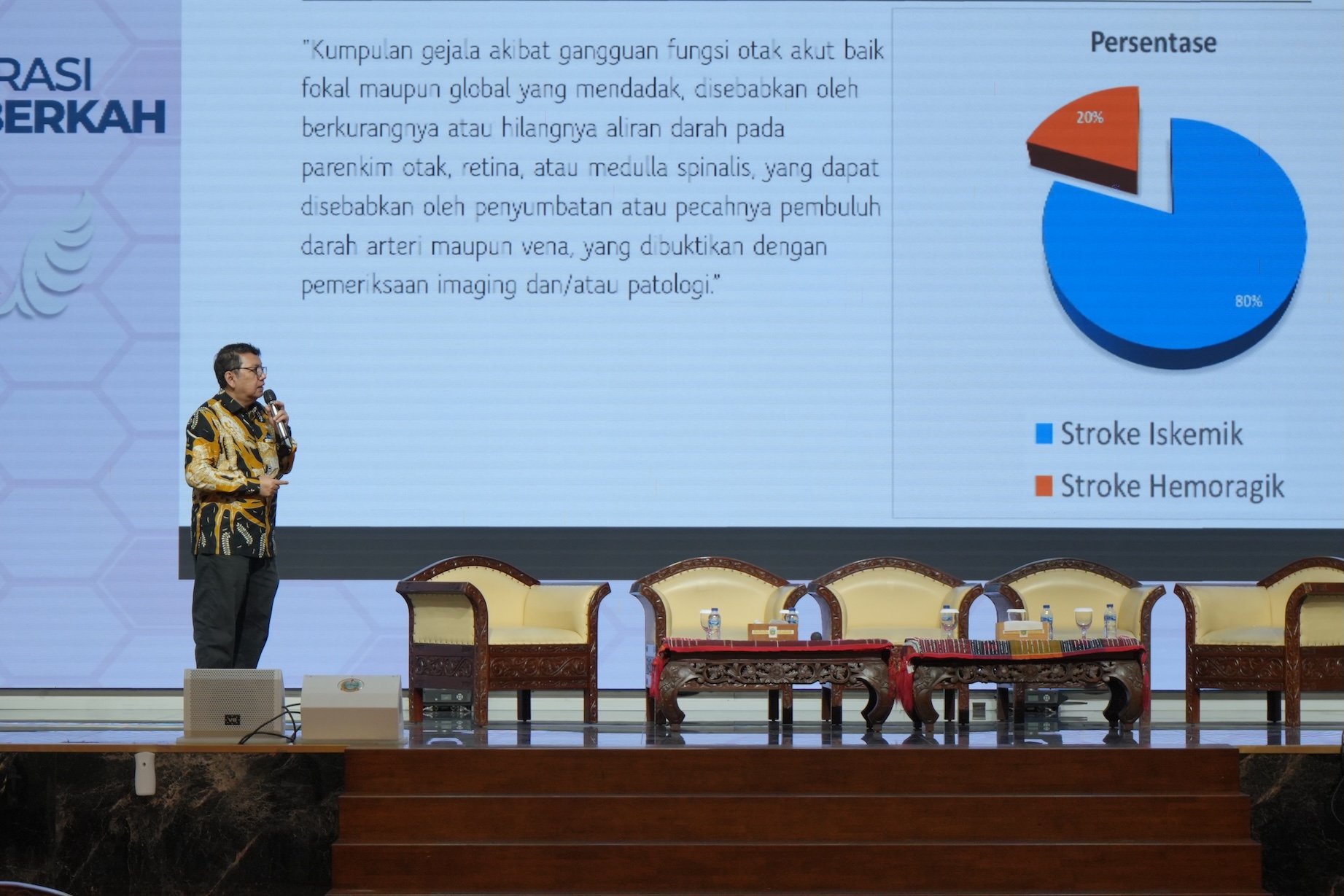
The group then split for presentations on decision-making in the hyperacute phase by Prof. Dr. dr. Kiking Ritarwan, Sp.N(K), MKT from RS Adam Malik in Medan, and on EMS prenotification by dr. Leny Wardaini, M.Ked(Neu), Sp.N. Next, following a presentation on the NIHSS by dr. Sofi Oktaviera, M.Ked(Neu), Sp.N, delegates attended sessions on CT imaging by dr. Novrida Pratiwi, M.Ked, Sp.N of the University of North Sumatra (USU) in Medan, and on dysphagia screening for nurses by Ns. Sri Dewi Am.Kep.
A lunch break prepared delegates for presentations on contraindications for thrombolysis by Dr Chairil Amin M.Ked(Neu), Sp.N(K), who is chairman of the local chapter of the Indonesian Neurologist Association, and on post-stroke care for nurses by Ns. Desy Arizal, S.Kep of RSU Haji Medan.
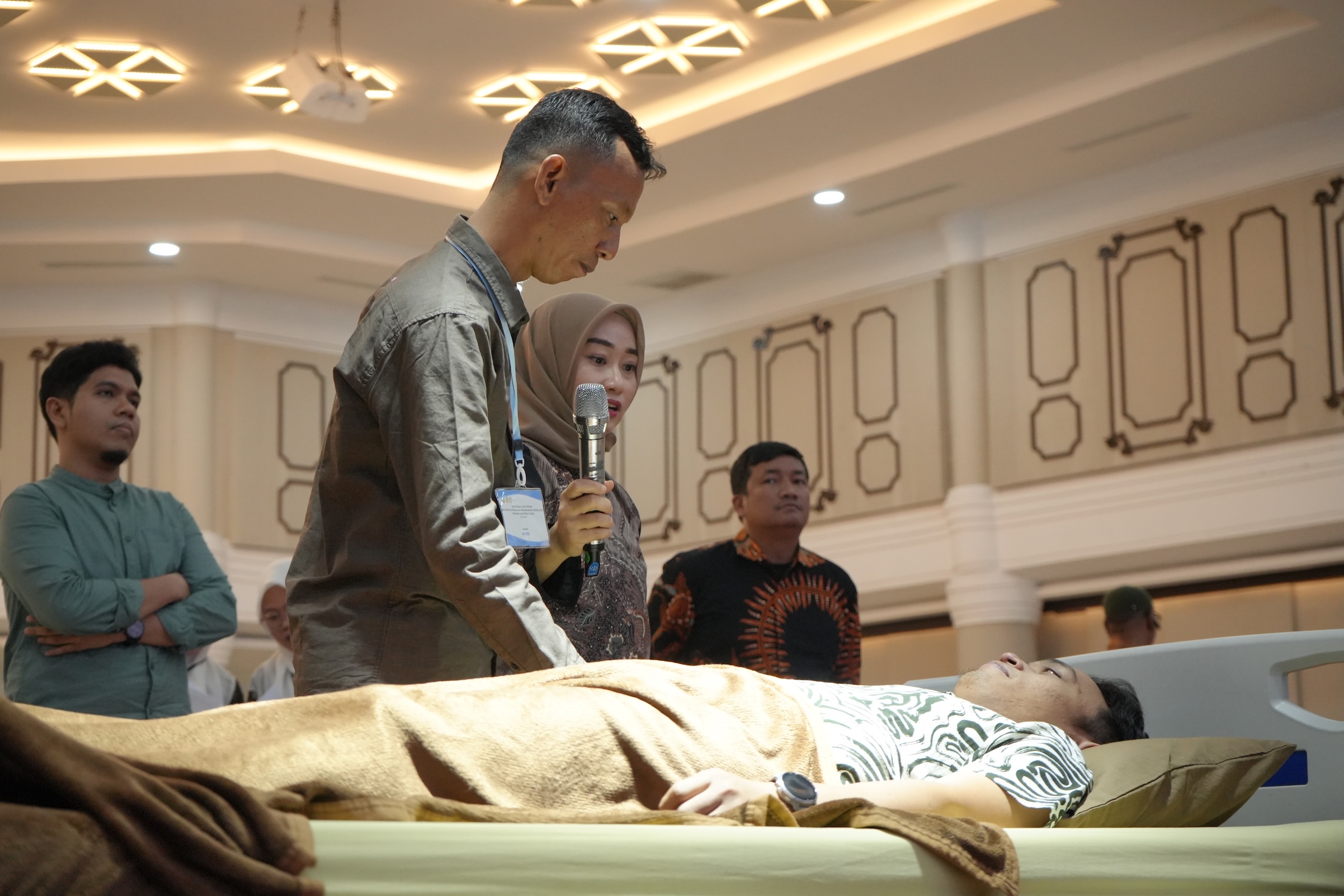
A presentation on mechanical thrombectomy by Dr Muhammad Yusuf concluded the clinical and management program, and was followed by a stroke code and prenotification simulation workshop. Heni Oktaviani says, “The hospital team practiced activating the stroke code, performing rapid CT scanning, consulting with the neurologist, and preparing for thrombolysis. The exercise highlighted areas where delays occurred such as communication with radiology or ambulance handover, and allowed the teams to refine their response for real cases.
“The main learning was identifying delays and communication gaps, then refining team coordination to enable a faster and more systematic response.”
Building commitment
A question from the floor during an earlier session had gone to the heart of the project. “Where can we refer a stroke patient, and can we really treat them in our own hospital?” a participant had wanted to know. The question was fielded by Dr Chairil Amin, who said: “You do not need to refer if your own hospital is prepared for code stroke, and we hope that this event has allowed you to absorb knowledge that will ensure your hospital is prepared.”
Giving participants confidence to start treating in their own hospitals was precisely what this event had been designed to do. More valuable advice came from Dr Leny Wardaini, who said, “The first time is always the hardest. Try making the first time’s result great, so that you will be more confident the next time you do it.”
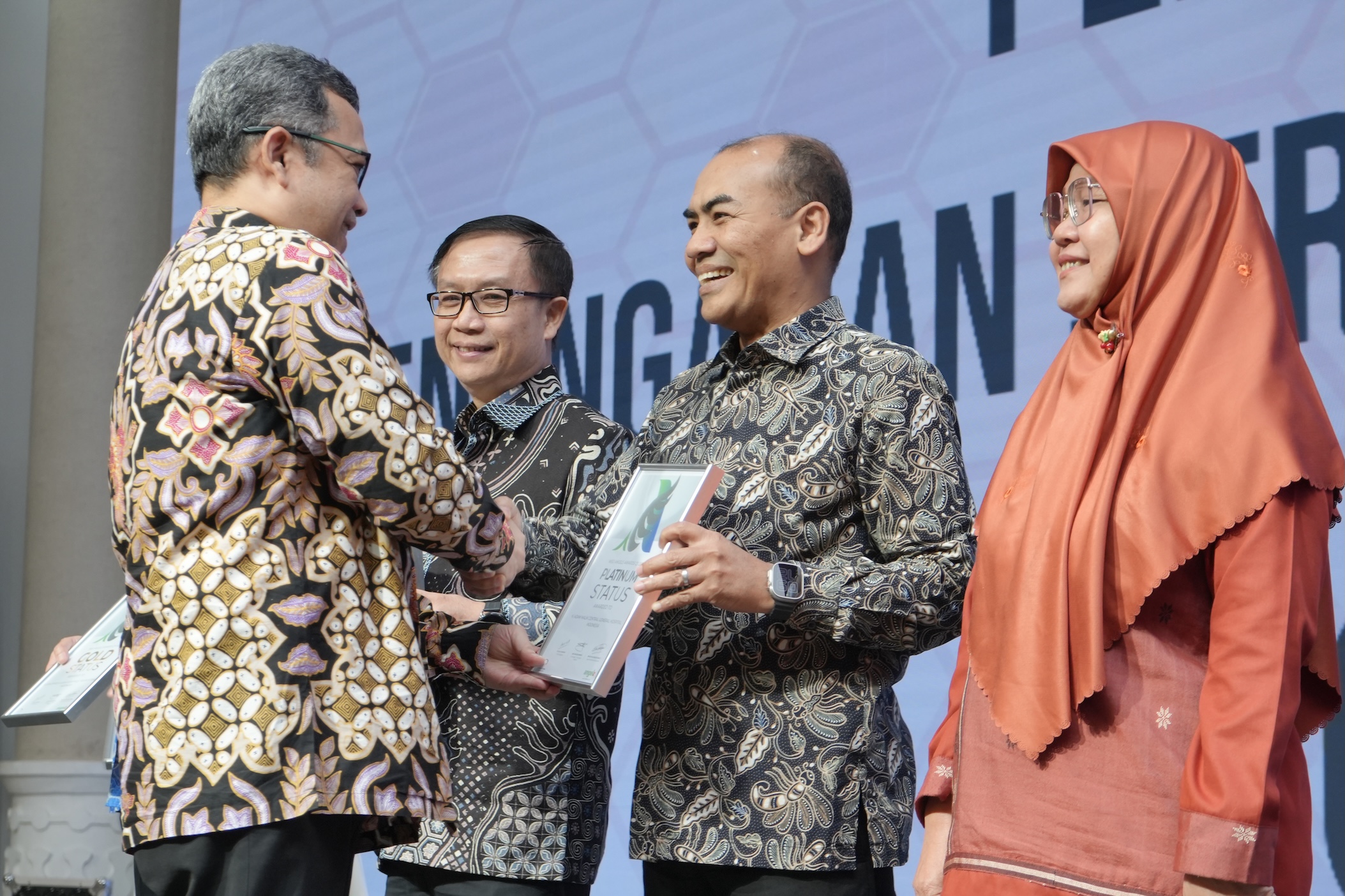
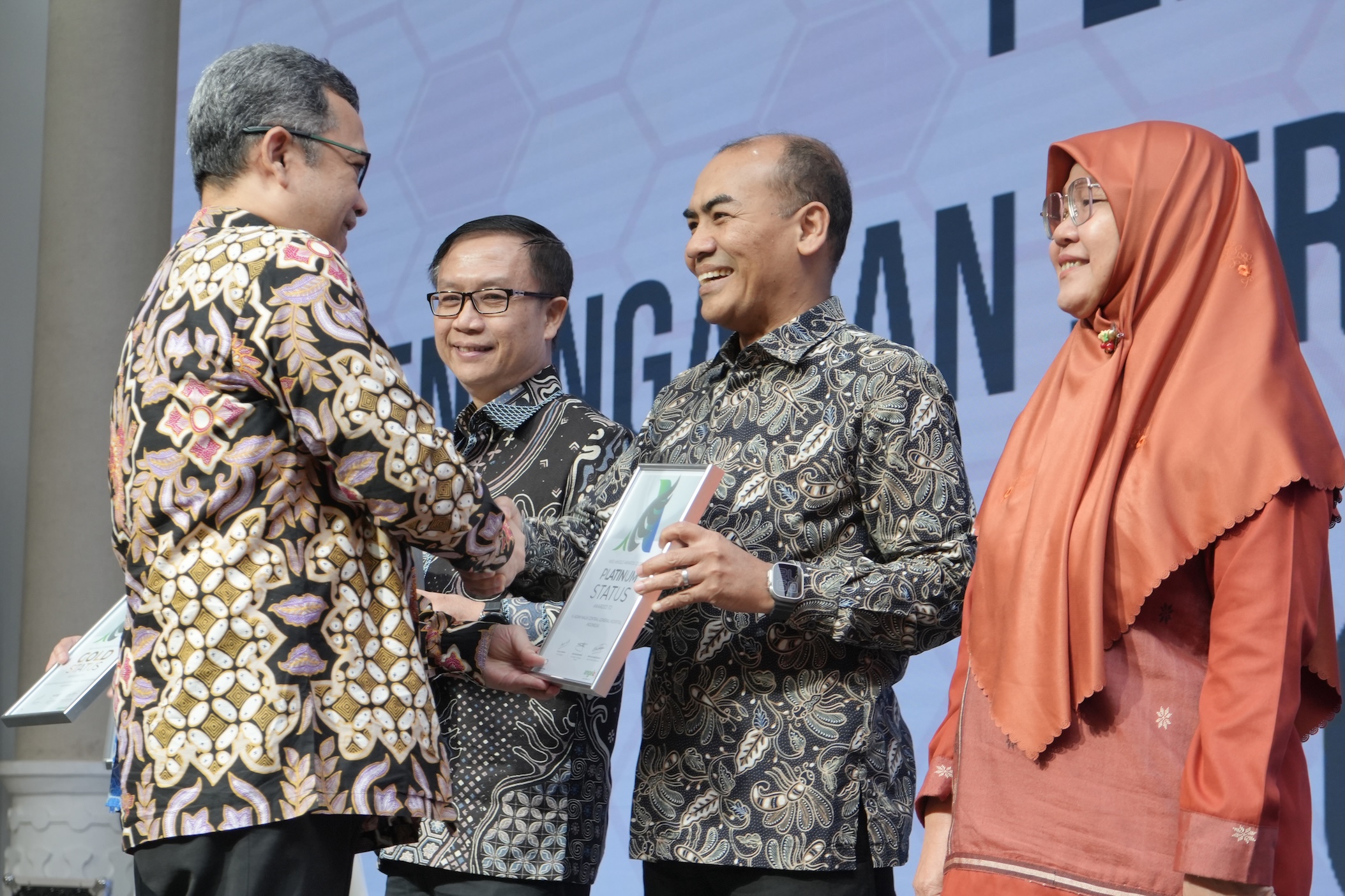
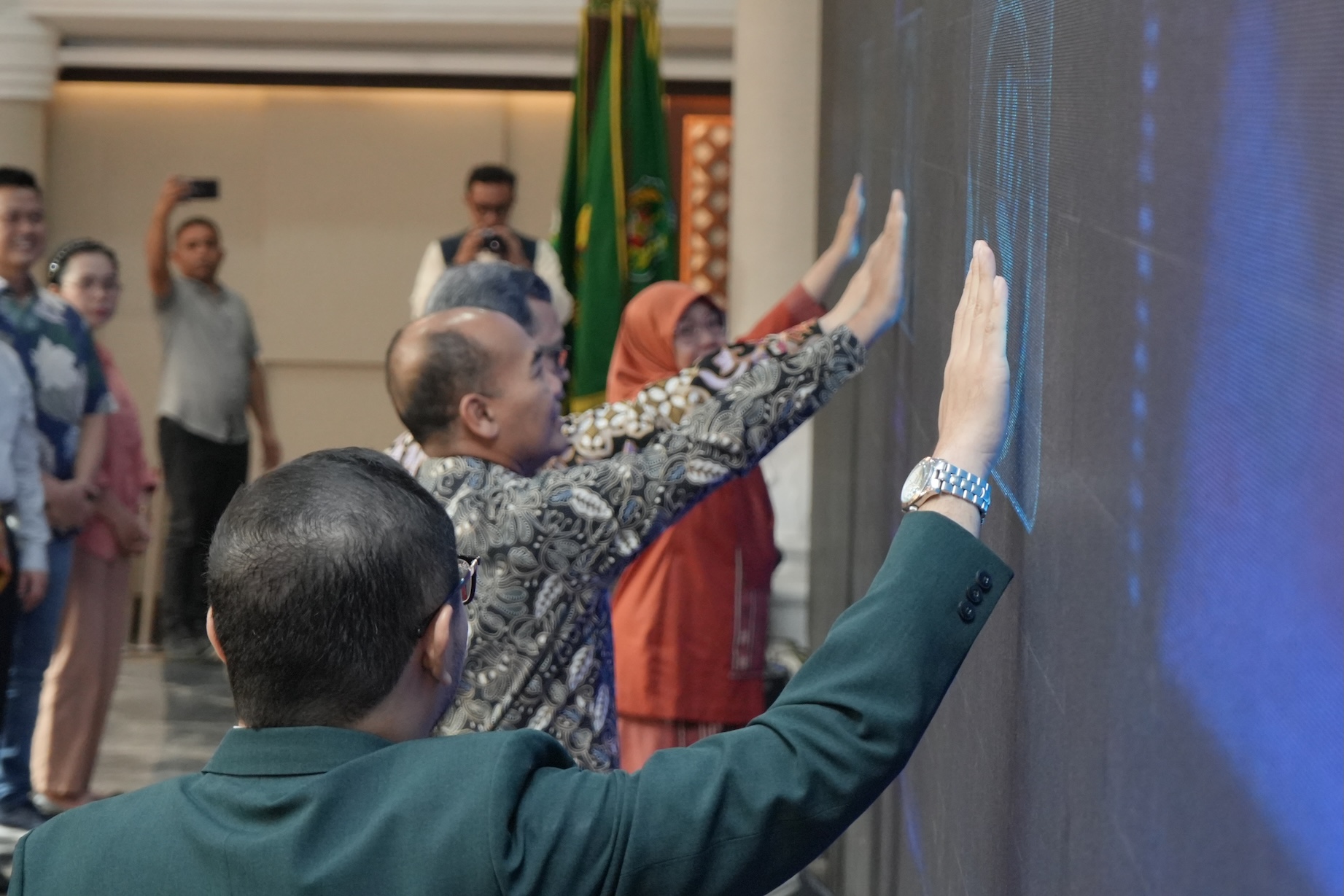
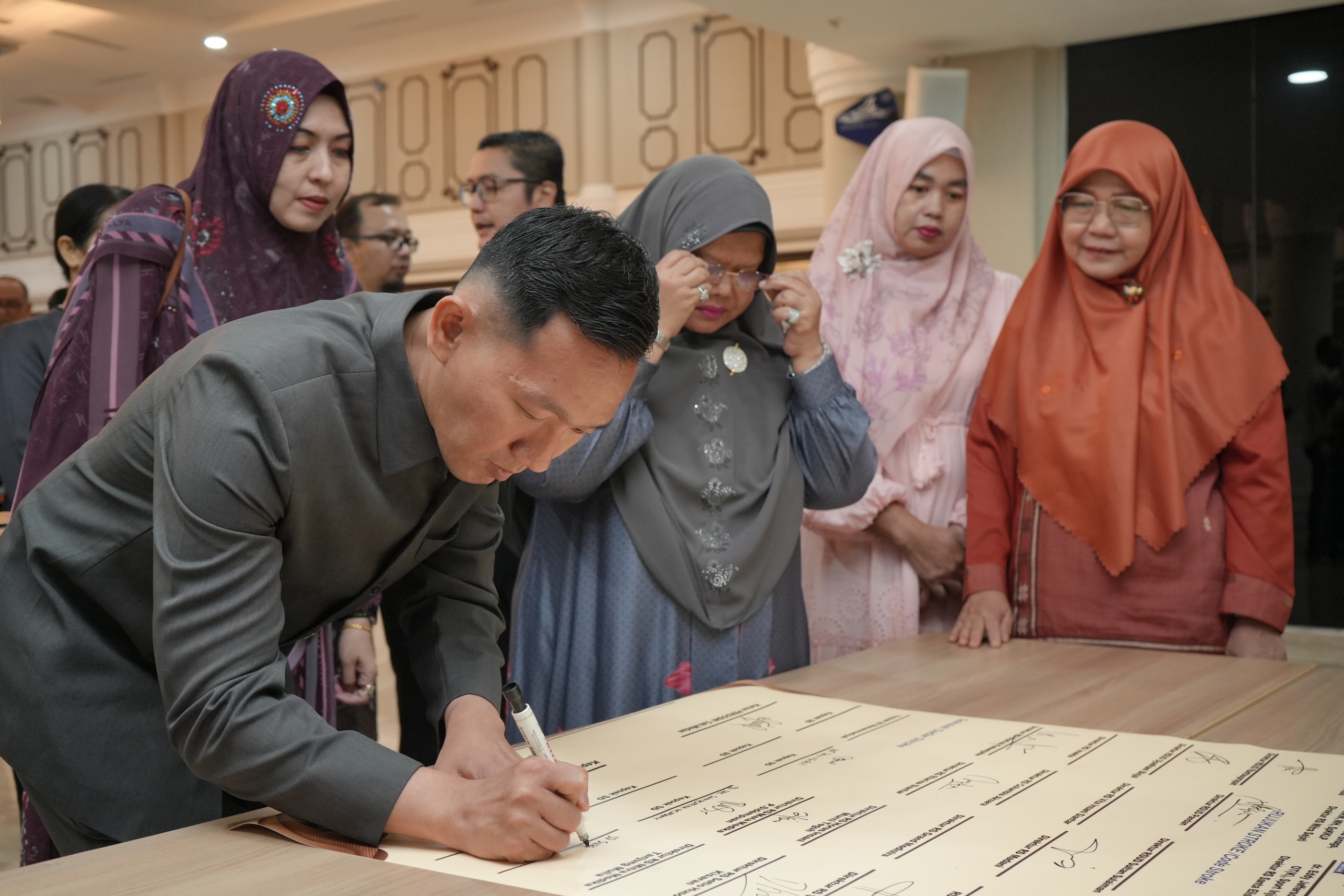
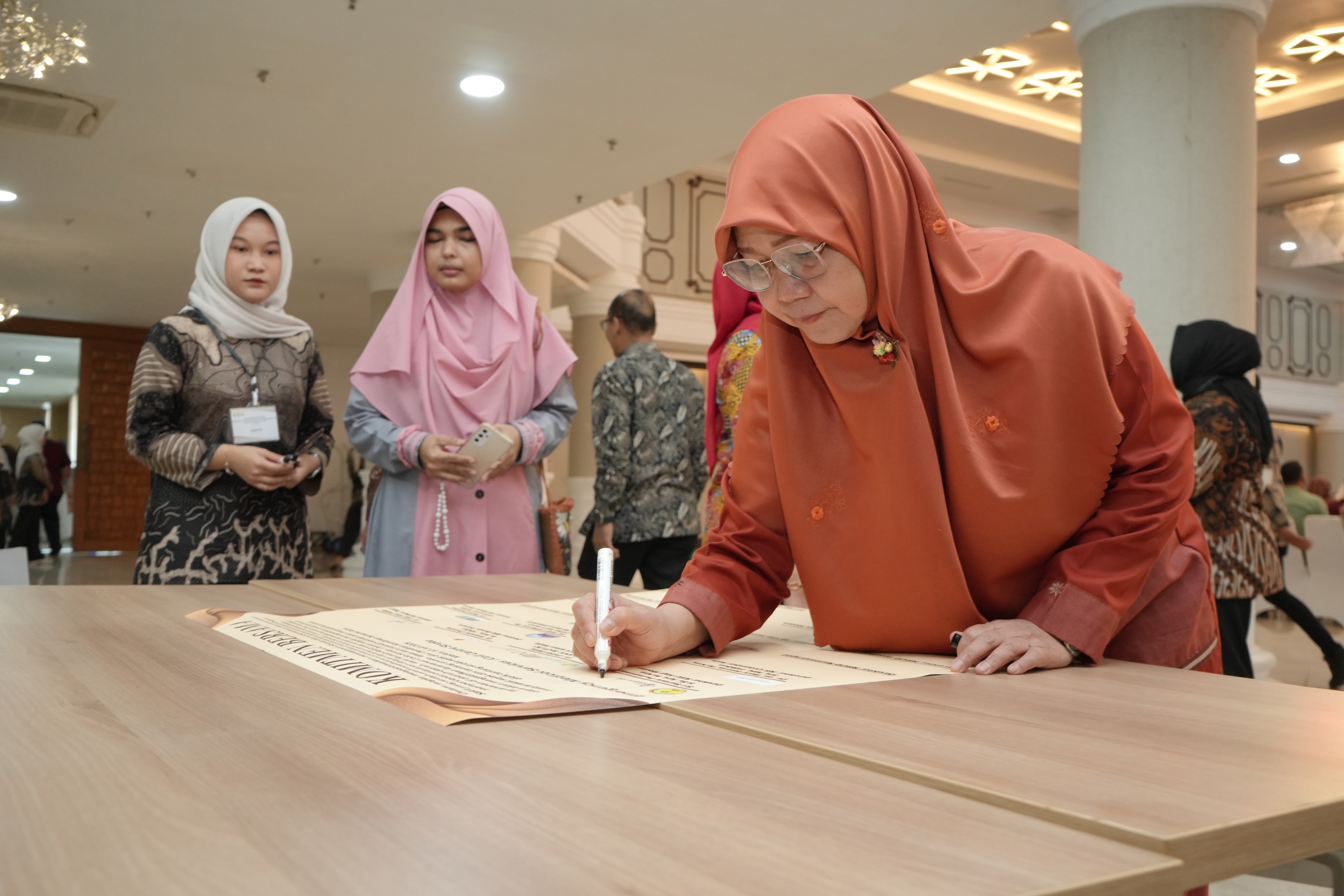
At the conclusion of the event, all 18 hospitals signed a Memorandum of Understanding (MoU) that committed them to becoming stroke-ready, and to raising public awareness about stroke. The MoU was signed by the hospital directors and witnessed by all the participants including officials from North Sumatera’s Governor Office.
She could really see the commitment ignited by the event, Heni Oktaviani said. “The commitment was evident from every party involved, the hospitals, the local government, and all healthcare practitioners. I am hopeful that this will be the start of expanding stroke care to regions in need of care, and saving more lives.”
Q&A with Dr Muhammad Yusuf
What was the goal of the regional stroke care training in North Sumatra in July?
This training was a follow-up to the acceleration of acute stroke treatment initiated by the Mayor of Medan, Mr. Bobby Nasution, on March 19, 2022, at Pirngadi Hospital in Medan. It had several objectives, including the implementation of stroke management throughout all cities and districts in North Sumatra, with at least one hospital capable of performing thrombolysis in each city. In addition, we hoped that the eight hospitals that already had active stroke services would increase their thrombolysis targets. Hospitals would also be encouraged to improve their social program by supporting stroke awareness in schools. The idea was for each hospital to have at least one partner school.
What were the reasons hospitals in the region weren’t treating acute stroke despite having a CT scan and neurologist?
There was a lack of awareness among hospital management regarding the importance of acute stroke treatment. Neurologists were concerned about the risks of bleeding associated with acute stroke treatment.
The training covered the entire stroke pathway, from prenotification by EMS to post-acute training for nurses,. Why was it important to have such a comprehensive agenda?
This was necessary due to the large number of delays in arriving at the hospital. Hospitals must act proactively to reduce delays in order to increase the target for thrombolysis. For this reason, it was necessary for each hospital director actively involved in acute stroke treatment to sign an agreement with EMS in front of the Governor of North Sumatra.
What was the impact of the simulation sessions?
It demonstrated that acute stroke treatment is not difficult, can be expedited, and can be performed at any hospital.
Did the training live up to expectations? What stood out?
This training is the first step in preparing the team and establishing hospital operational standards for acute stroke management. Subsequently, each hospital will begin conducting simulations, and I hope that soon every hospital will be actively managing acute strokes.
What are the important things that must happen next?
Next, we must regularly assist hospitals in the region to conduct simulations, prepare for acute stroke treatment, and if necessary, create discussion forums if there are difficult cases encountered.