
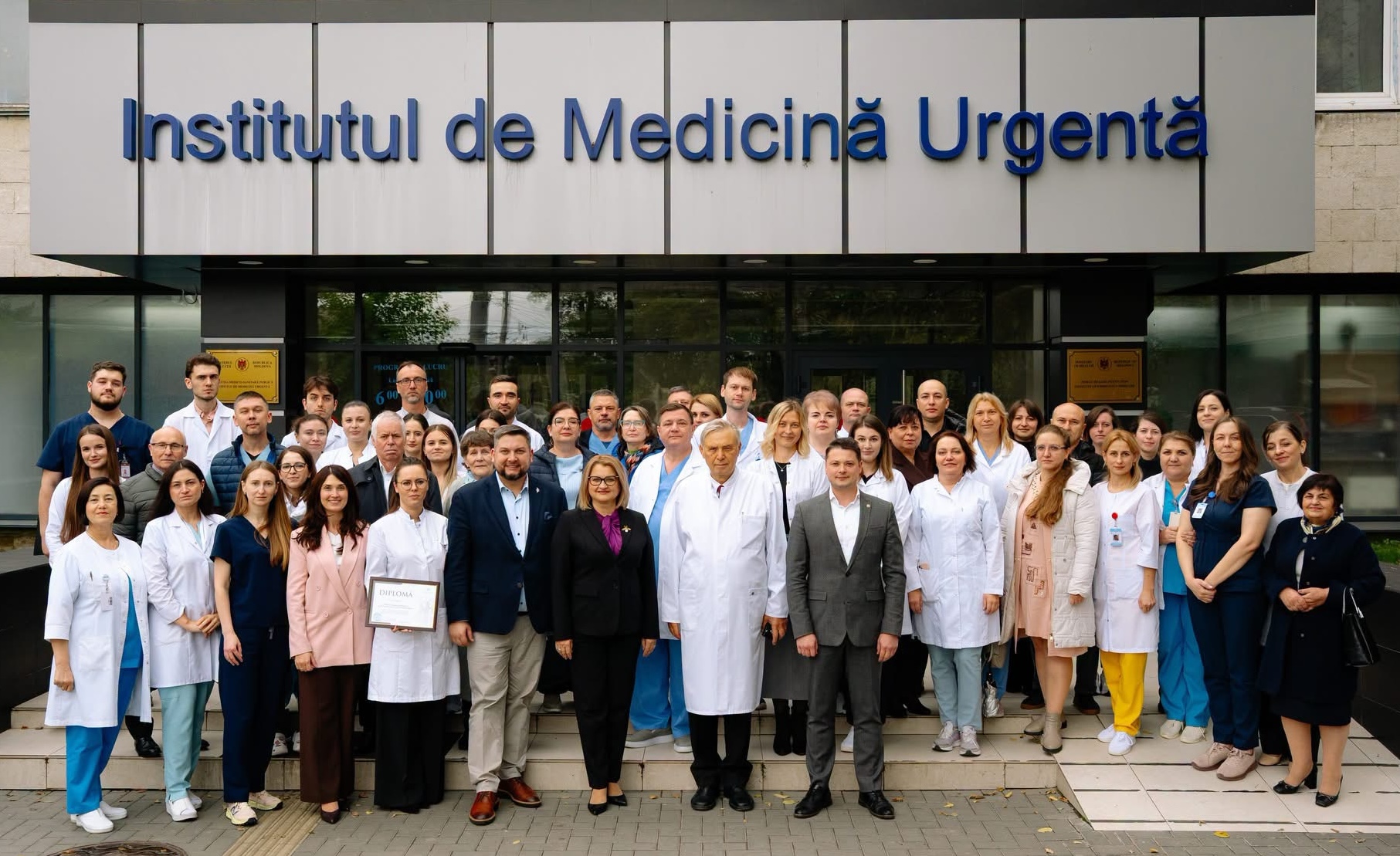
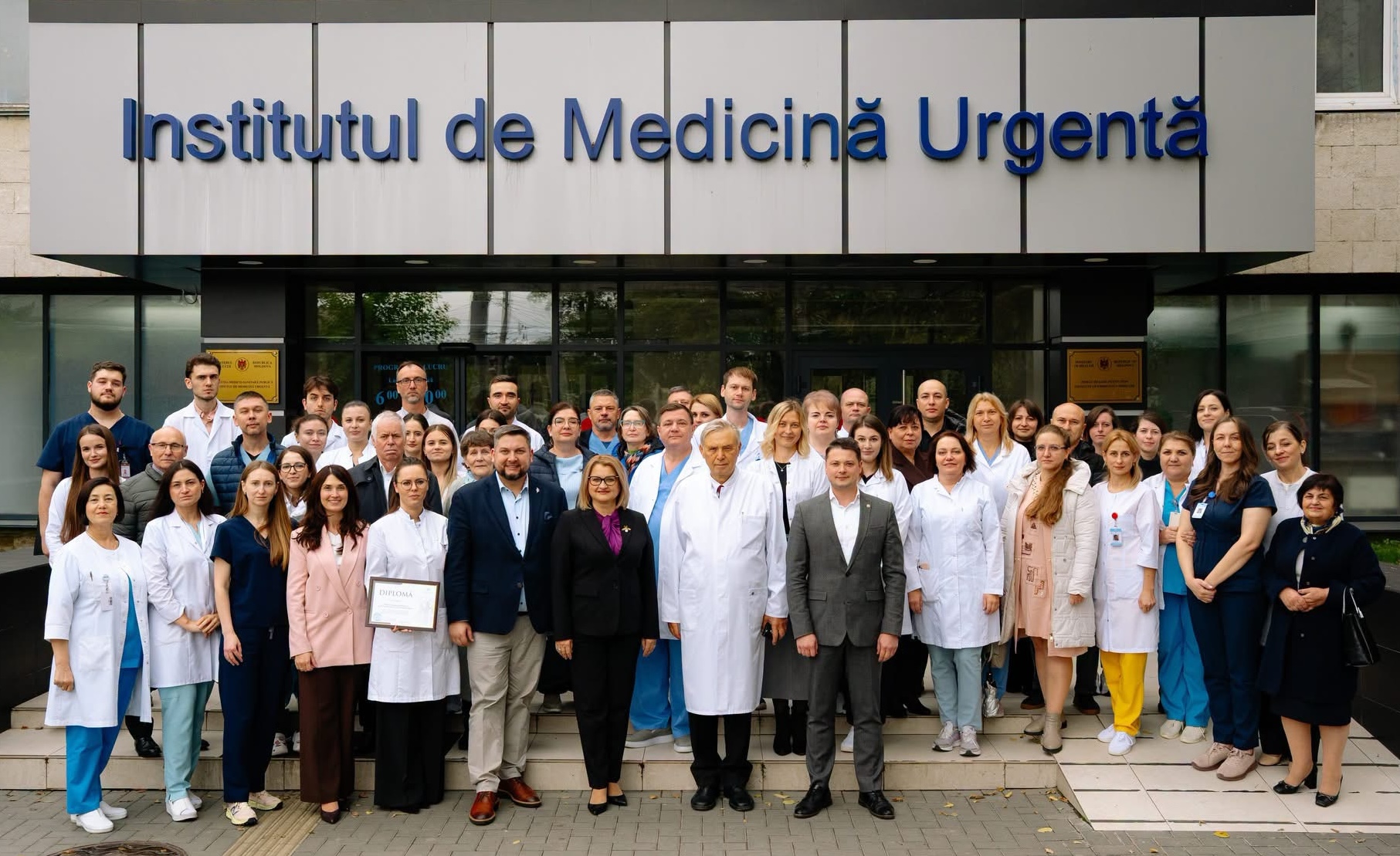
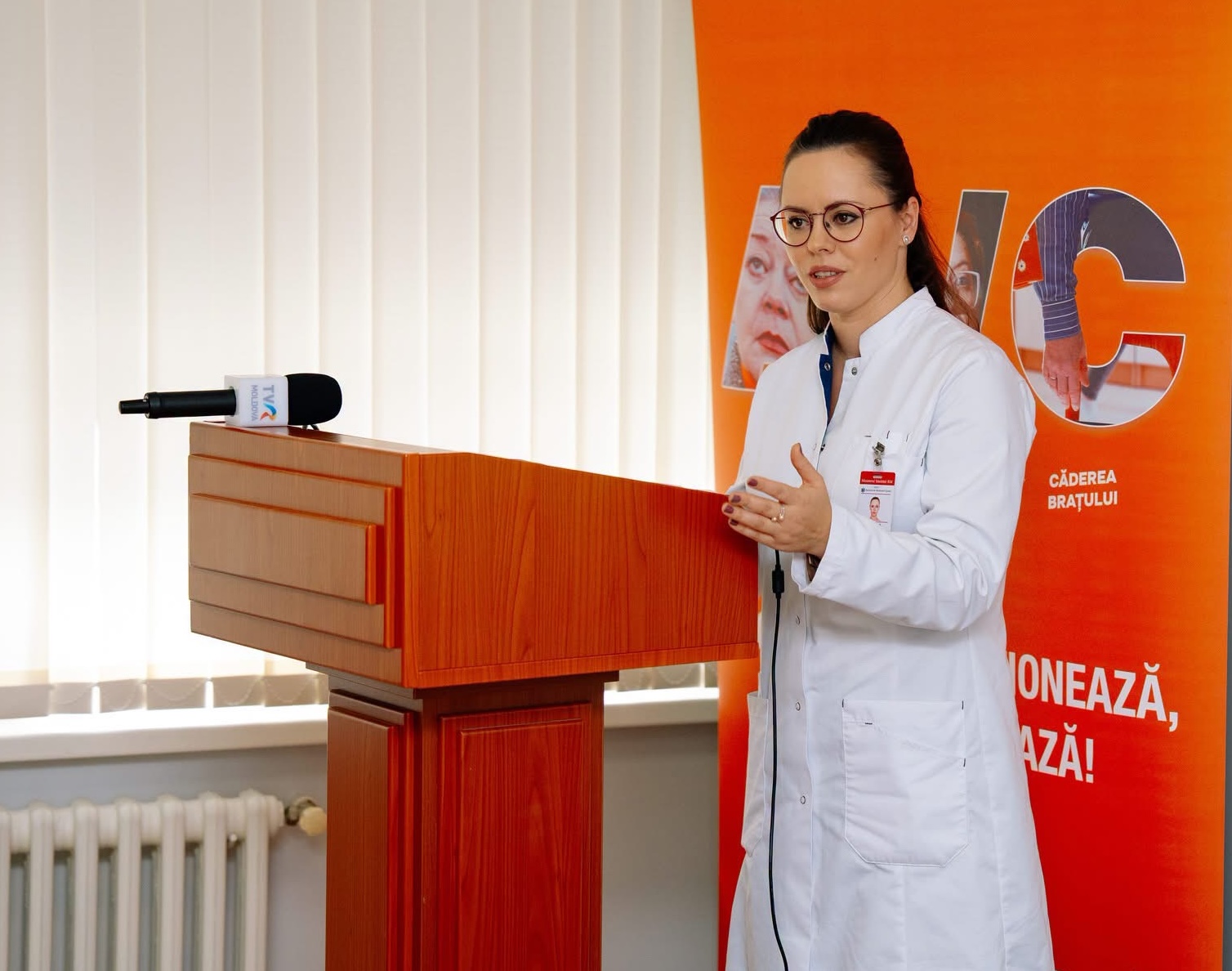
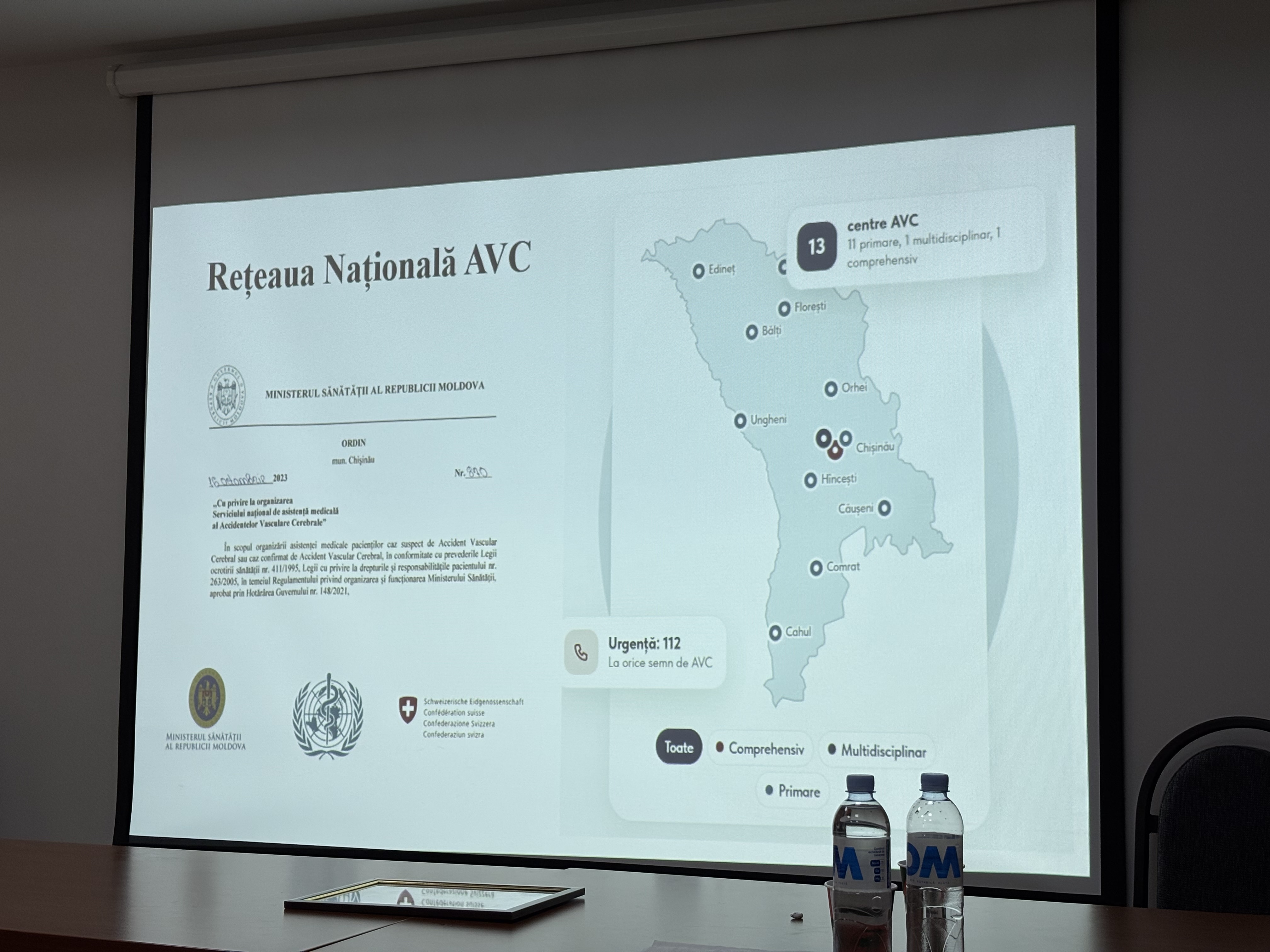
On 29 October, Moldova marked World Stroke Day with an event that brought together the Minister of Health, leadership of the National Stroke Network, stroke specialists from across the country, and the Angels Initiative. Importantly, all 13 stroke centers in Moldova were represented, demonstrating the strong national commitment to improving stroke care.
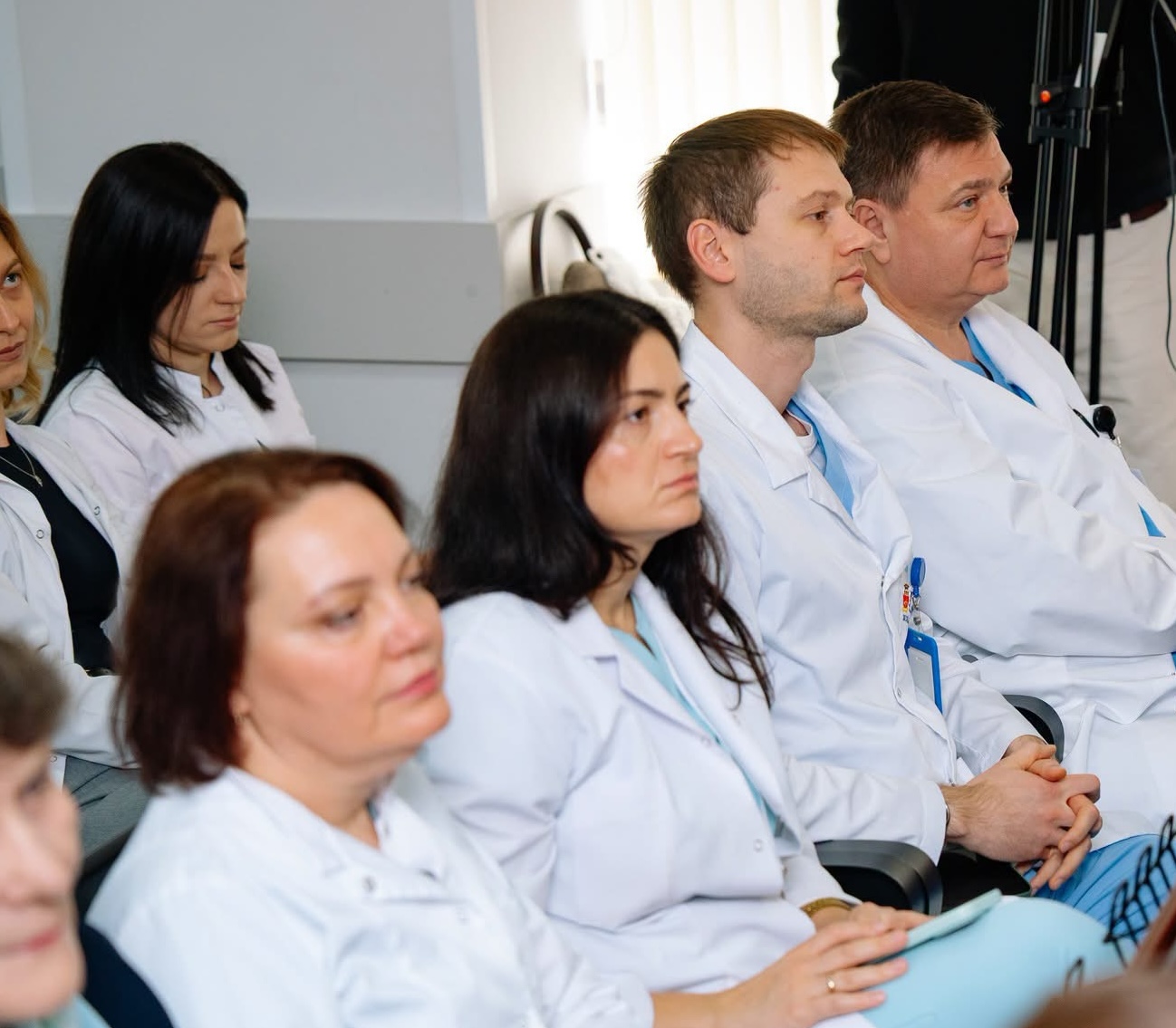
During the event, which was organized by the Institute of Emergency Medicine, stakeholders reviewed the impressive progress achieved by the National Stroke Network. This includes increases in prenotification, thrombolysis, and thrombectomy rates, as well as improved access to reperfusion therapies.
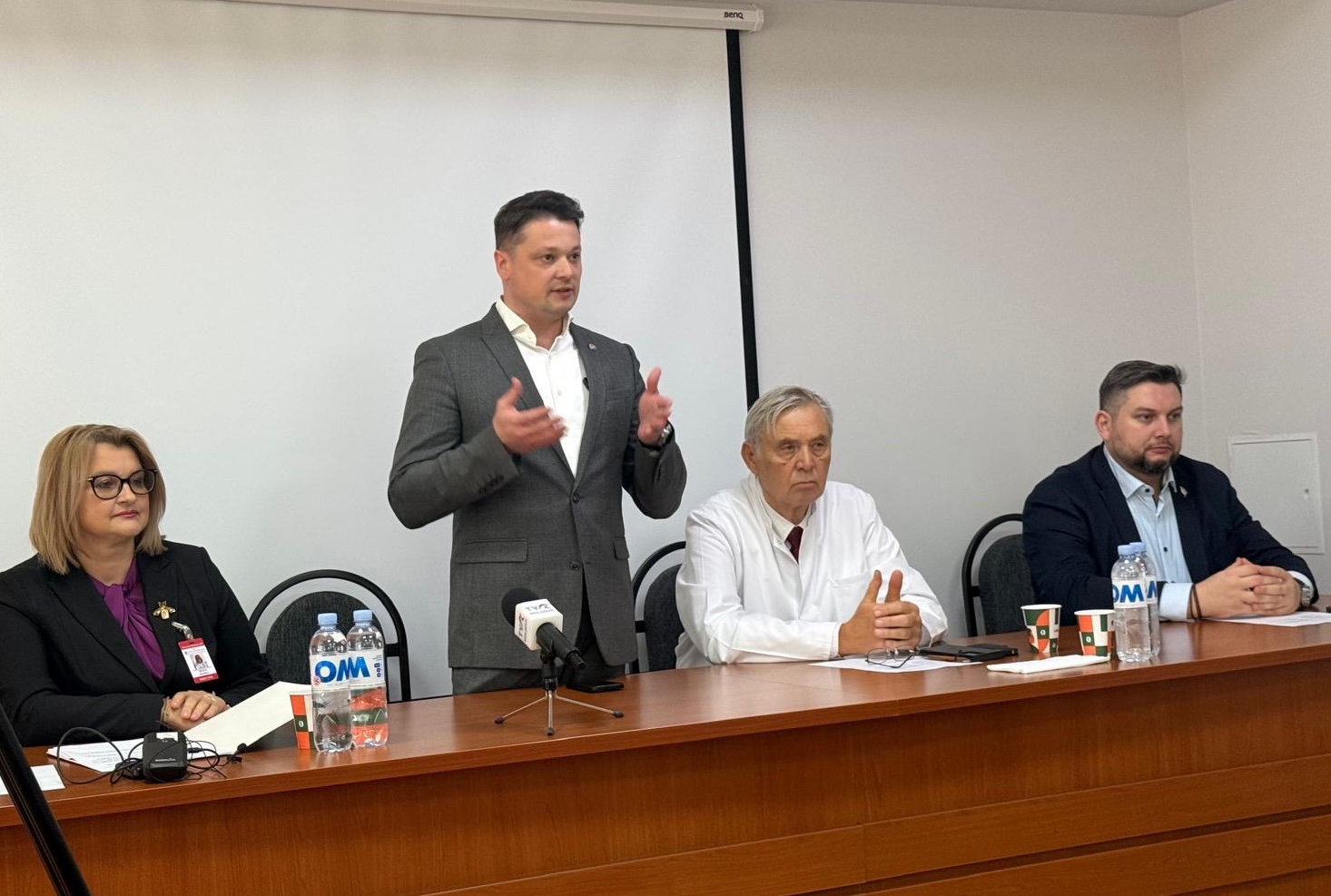
The meeting also highlighted the importance of collaboration across the entire stroke pathway, reinforcing the message that every sign matters, every link matters, every minute matters.
In March 2025, the inaugural Moldova Stroke Neuroimaging Workshop had marked a pivotal moment in Moldova’s ongoing efforts to raise the standard of stroke diagnostics, foster international collaboration, and improve the lives of patients affected by one of the world’s leading causes of disability and death.
Results from the first half of 2026 now demonstrate improvements in prenotification, early stroke identification, and access of eligible patients to reperfusion therapies. In the first six months of 2026, compared with the same period in 2025, a positive trend was observed across the key indicators of stroke patient care:
- The number of patients presenting with suspected stroke increased by 2.4% – from 6,174 to 6,322.
- The number of diagnosed ischemic strokes increased by 2.1%.
- The number of patients arriving with prenotification increased by 30.6%, while presentations without prenotification decreased by 15.6%.
- The number of patients with ischemic stroke arriving within the therapeutic time window increased by 13.7%.
- The number of intravenous thrombolysis procedures increased by 16.7% – from 383 to 447.
- The number of mechanical thrombectomies increased by 30.6% – from 183 to 239.
- Cases in which an initial suspicion of stroke was subsequently ruled out decreased by 24.6%.
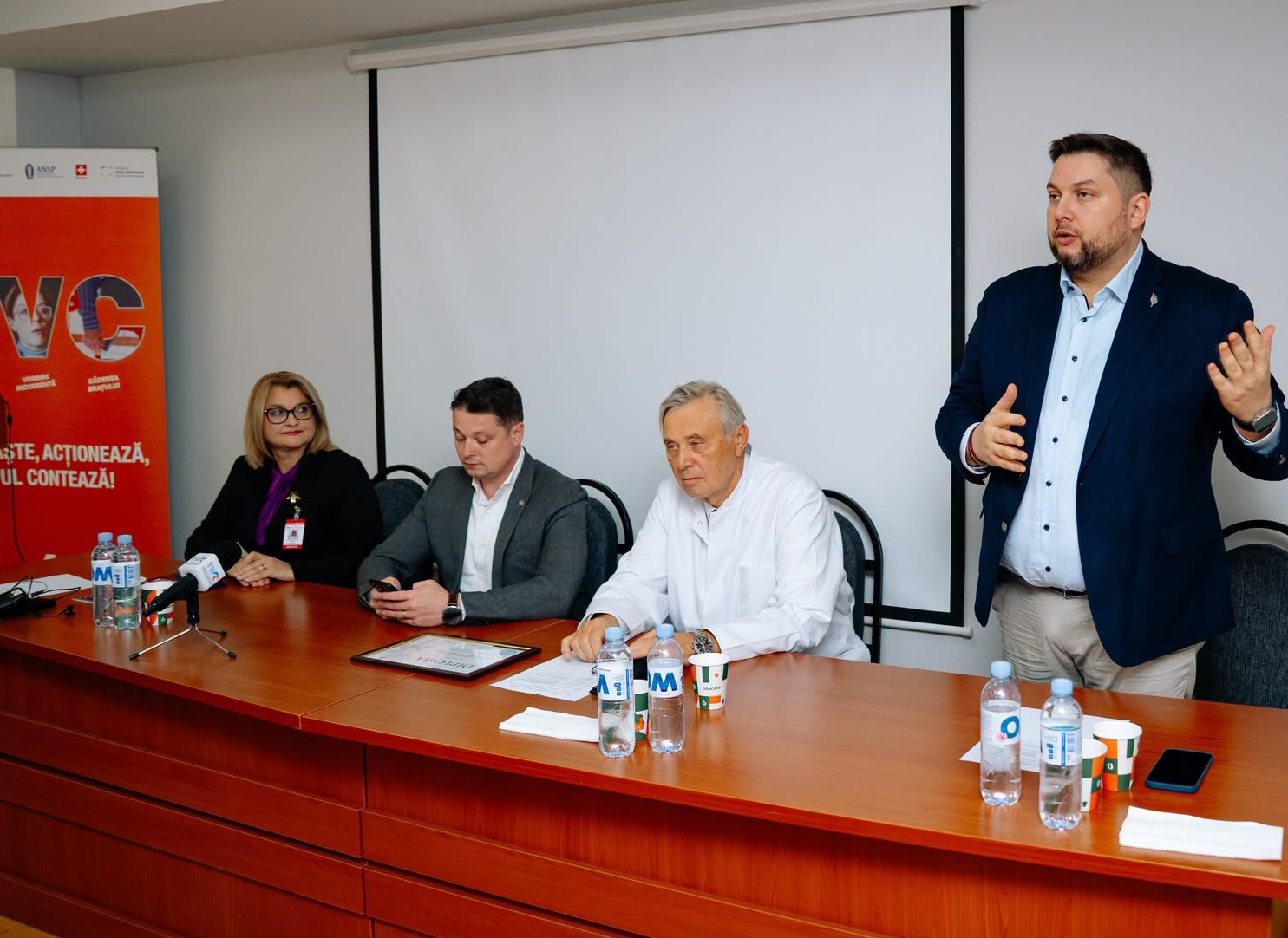
The event was attended by the Minister of Health Dr Alexandru Gașnaș, the Director of the Institute of Emergency Medicine Dr Diana Manea, Academician Prof Stanislav Groppa, Angels consultant Dr Lev Prystupiuk, as well as neurologists and other healthcare professionals involved in stroke care, together with partners of the National Stroke Network.
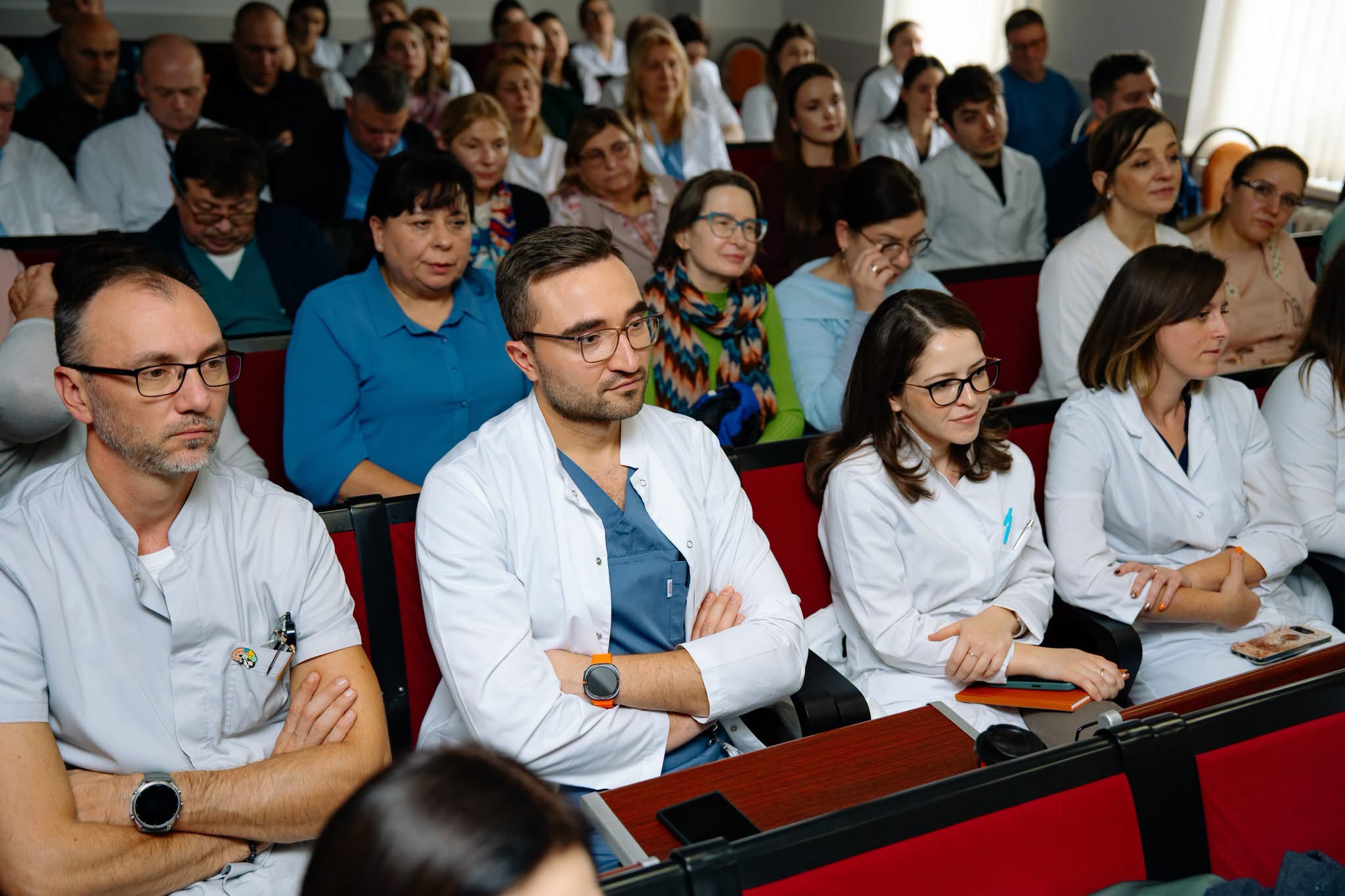
It underlined the impact of strong collaboration between the Ministry of Health, EMS, hospitals, and stroke teams in advancing stroke care.


