
Flight TK 368 from Istanbul touched down at Tashkent International Airport shortly after 8 am on Monday 16 February, carrying five Ukrainians who had come to participate in a remarkable story of progress and partnership.
On board were three neurologists – Dmytro Lebedynets, head of the Stroke Center at Feofaniya Hospital in Kyiv, his younger brother Pavlo, who is head of the Stroke Department at Odrex Medical Center in Odesa, and, with shoulder-length hair and sporting tattoo sleeves, Dr Ruslan Salnikov, head of the Stroke Center at the Kharkiv Regional Clinical Hospital. Towering over the rest were Dr Dmytro Hrynykha, interventional neurologist at Feofaniya Hospital, and Angels consultant, Lev Prystupiuk.
They were met in the arrivals hall by Dr Abror Abdullajonov, interventional neurologist at Shox International Hospital in Tashkent, Angels national coordinator, and founder of the stroke transformation collective, StrokeTeamUz.
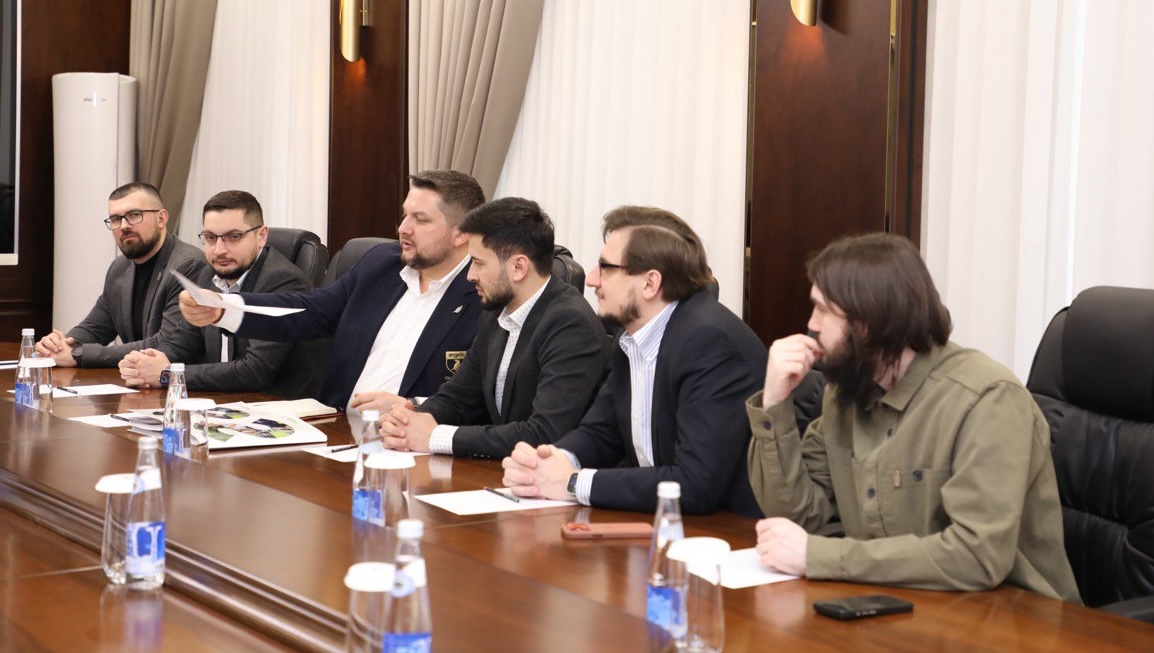
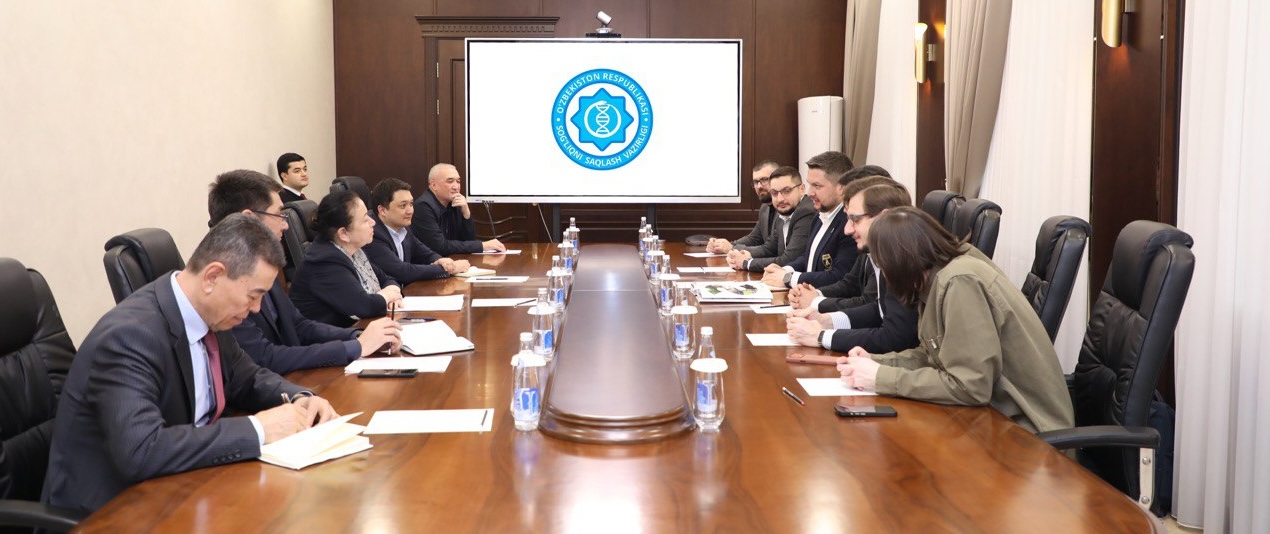
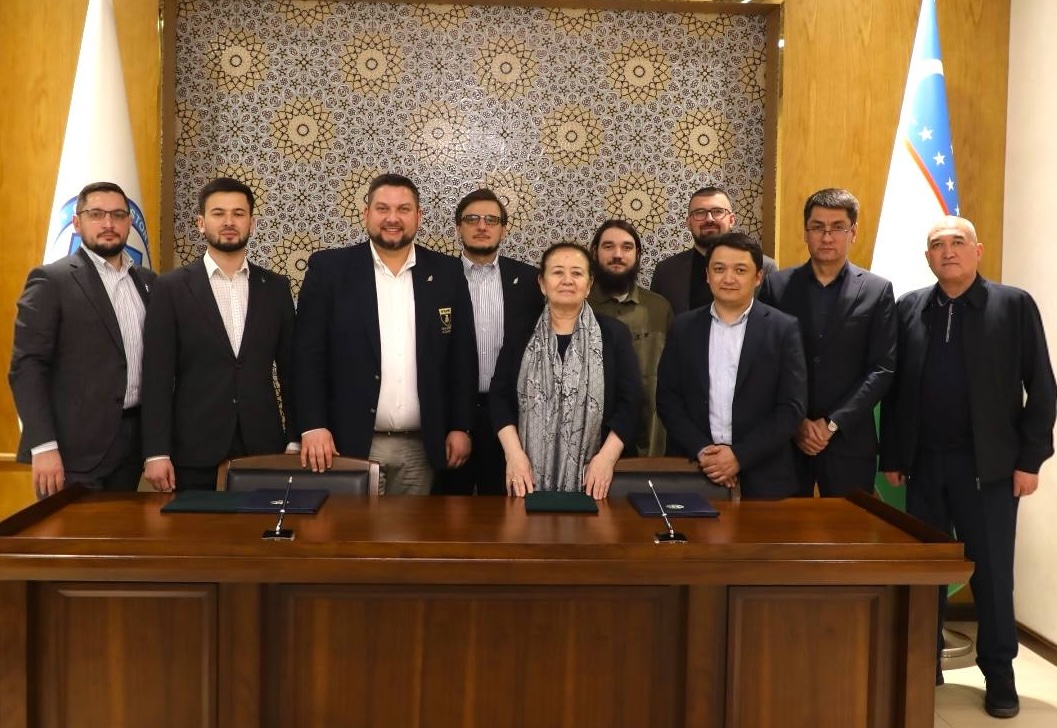
After lunch, they would head to a working meeting with representatives of the Project Office and the Ministry of Health of Uzbekistan, to talk about developing a modern and effective stroke care system in Uzbekistan.
Stroke care transformation in Uzbekistan had recently received a shot in the arm after President Mirziyoyev formally endorsed the nationwide implementation of the Angels Initiative. Presidential Decree No. 20, issued on 20 January 2026, also made provision for, among other things, a national program to combat heart attack and stroke, 100 percent provision of thrombolytics and endovascular consumables, implementation of structured clinical pathways, and large-scale professional training. In addition, the FAST Heroes stroke awareness program would be formally adopted in schools across Uzbekistan.
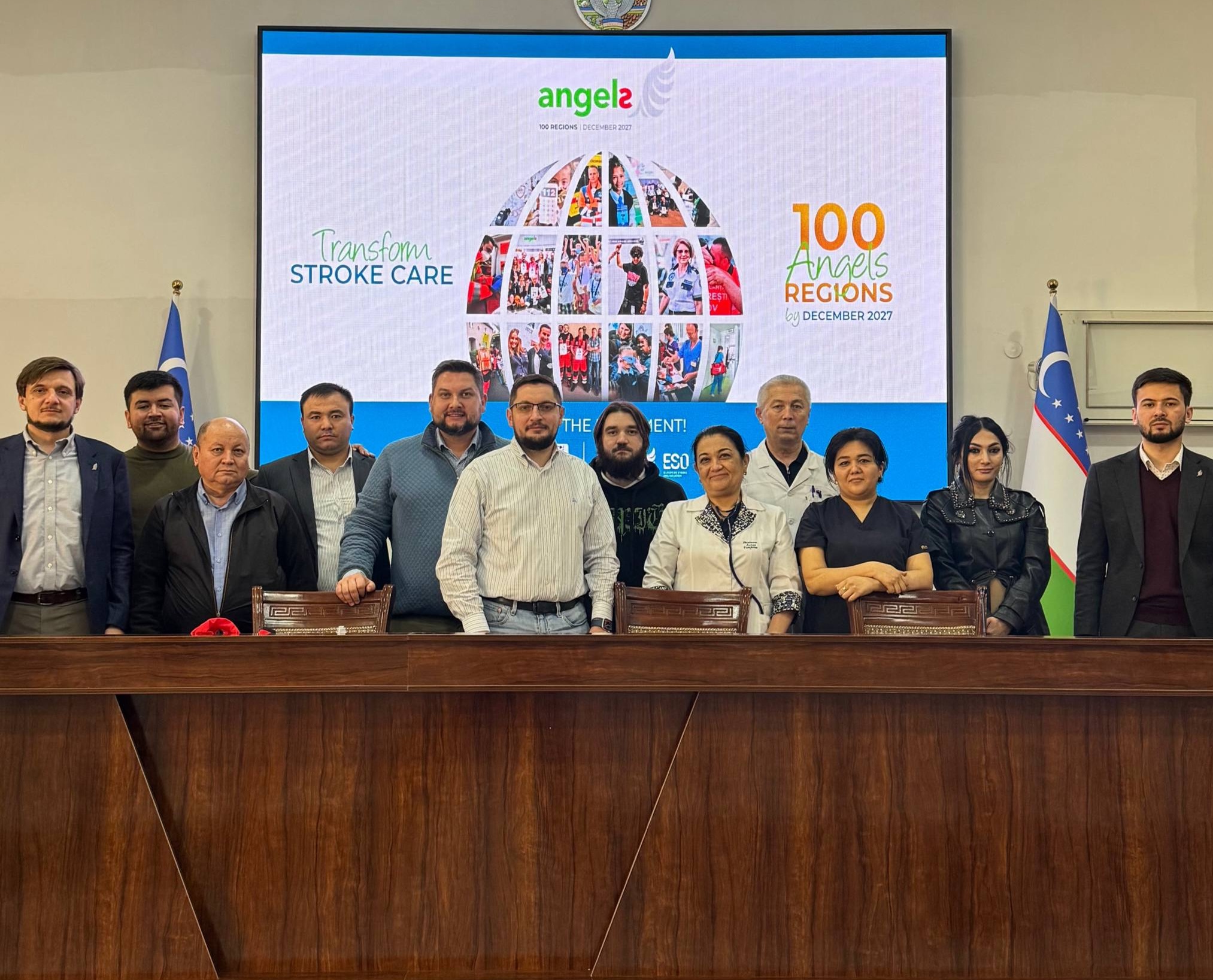
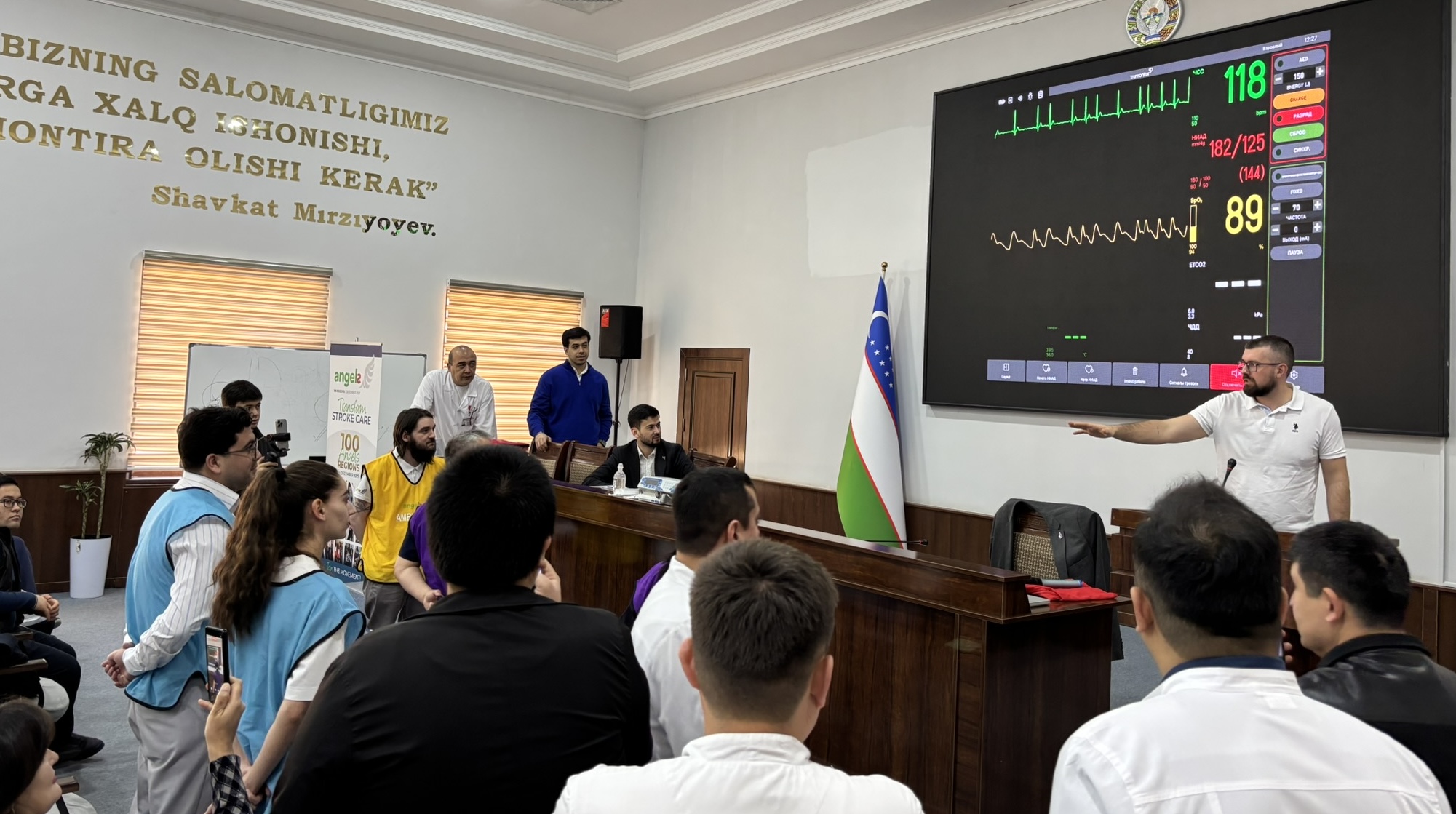
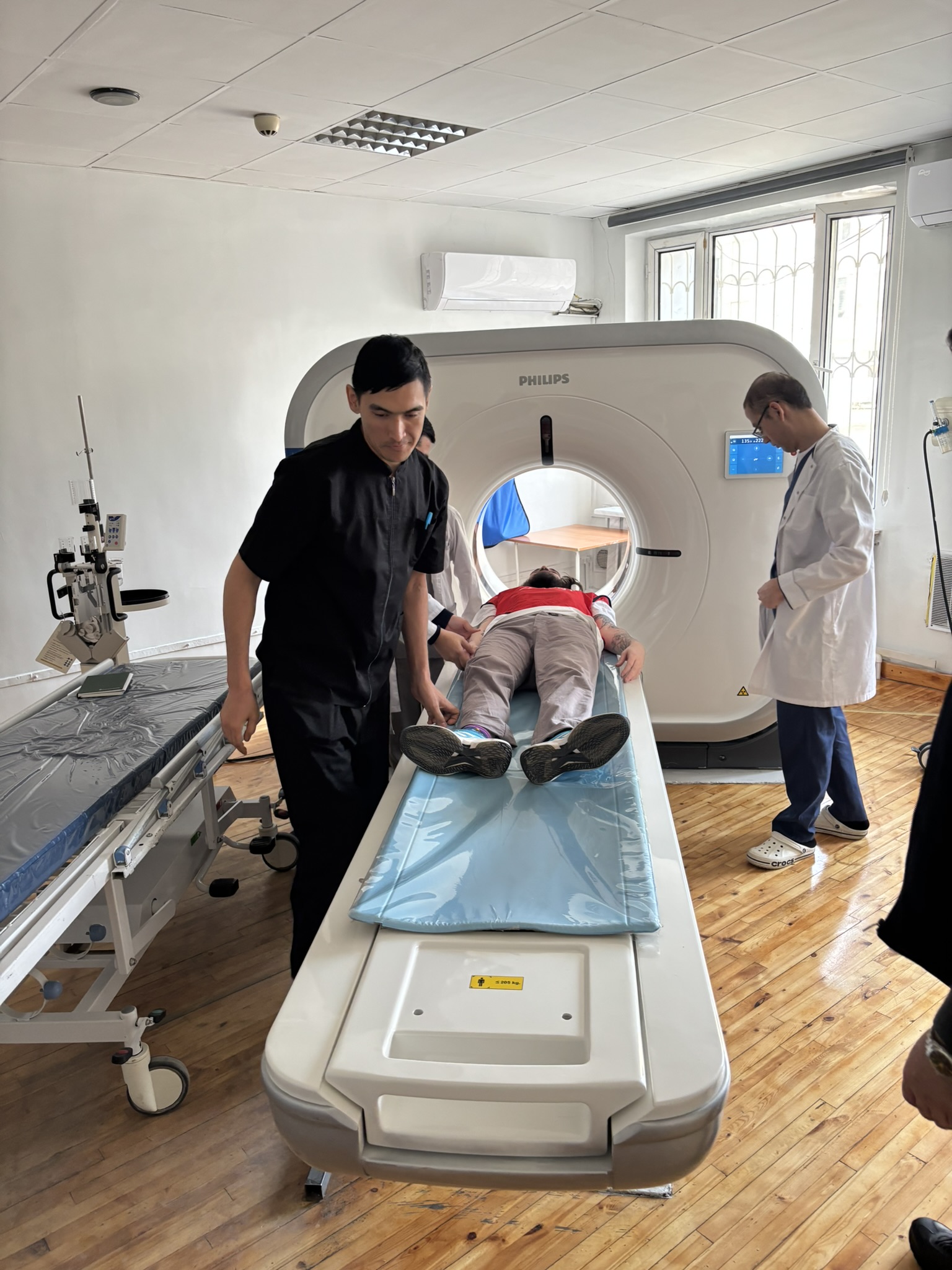
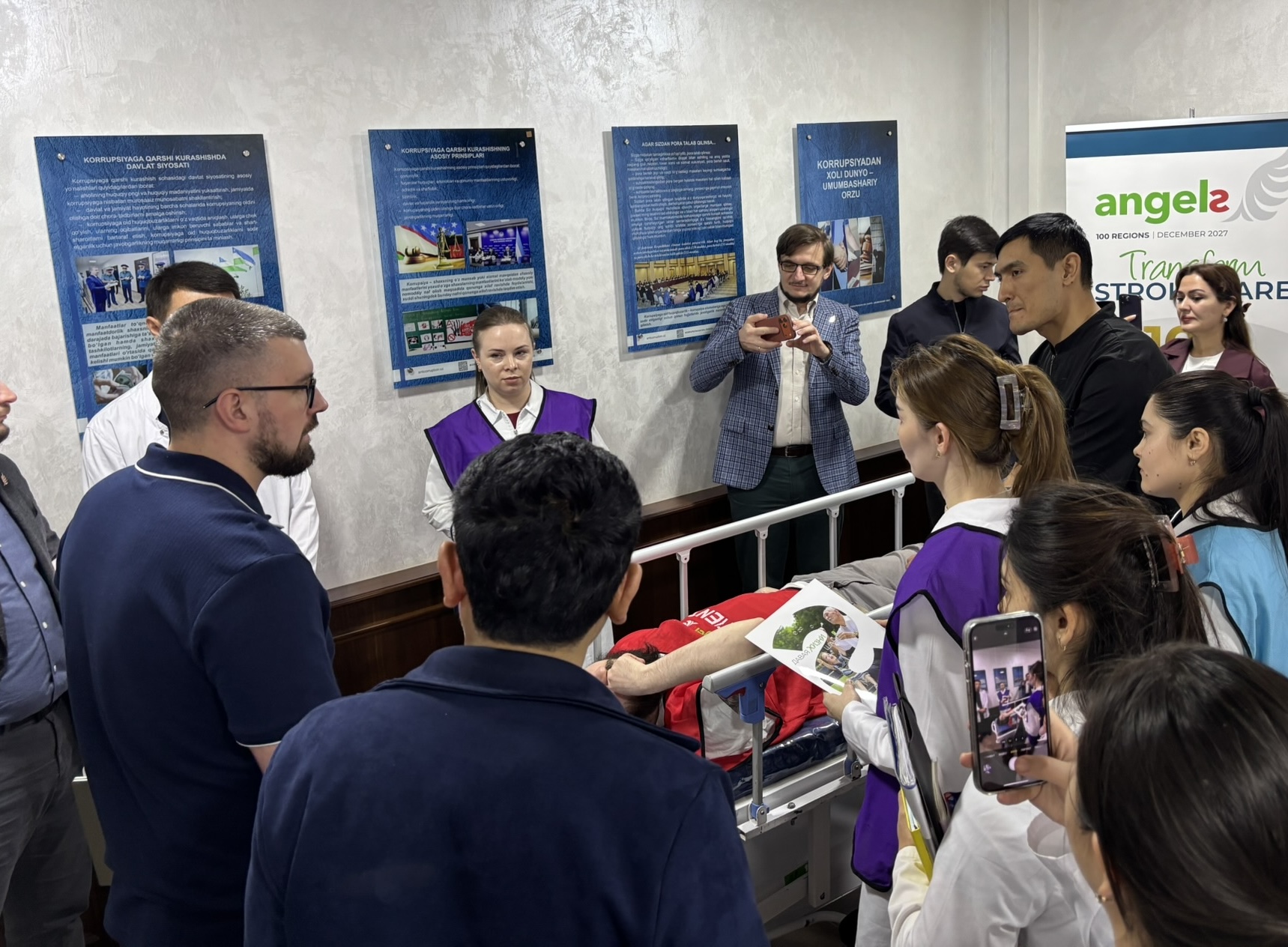
The first of two Acute Stroke Treatment and Decision-Making workshops aimed at creating future stroke centers in the Tashkent and Samarkand regions, would kick off at 8 am the next morning. The Ukrainian experts were all on the agenda.
‘Let’s save one patient’
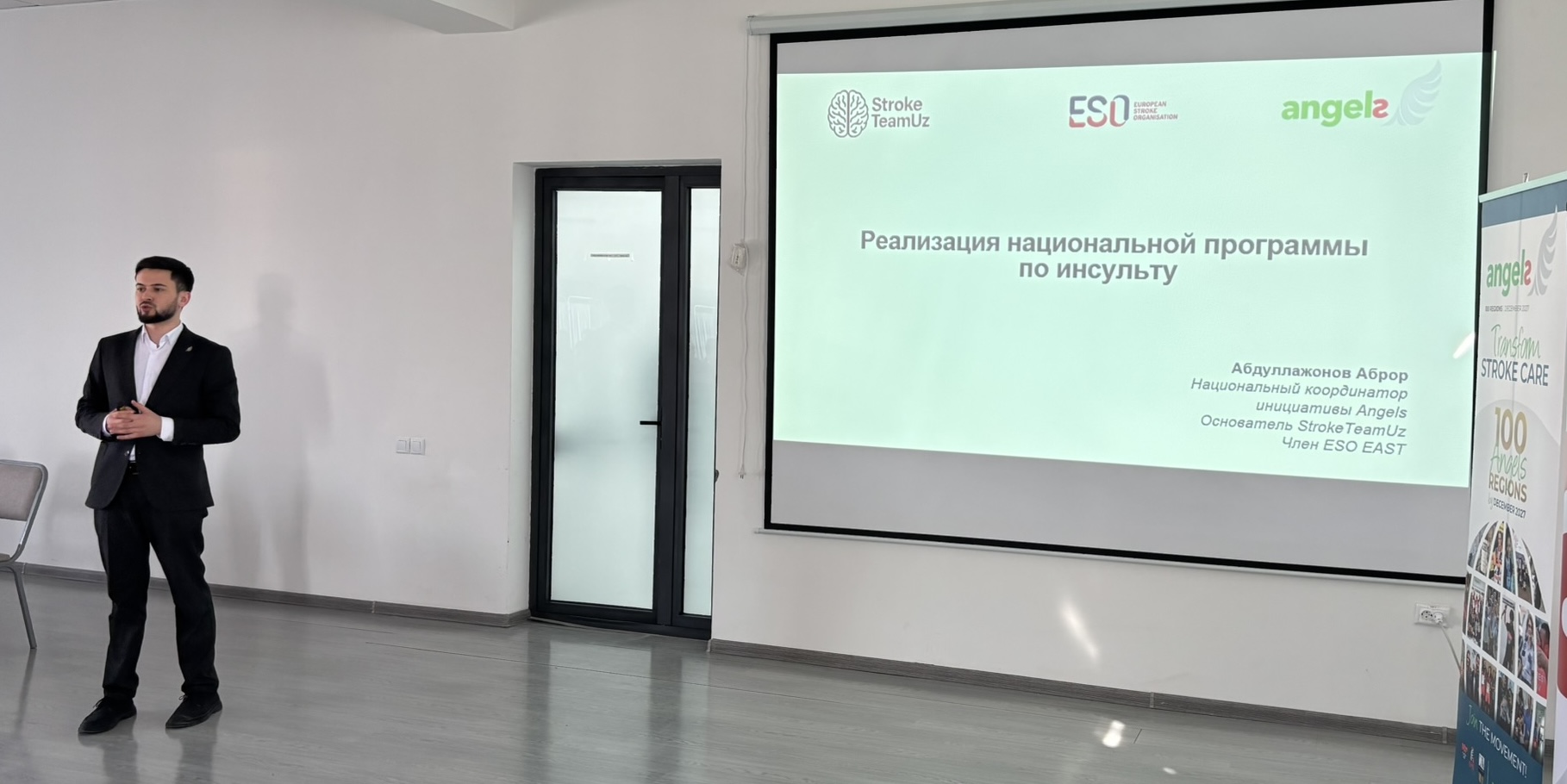
The goal of StrokeTeamUz was to unite likeminded professionals who wanted to improve the quality of care, says Dr Abror Abdullajonov, whom Lev describes as “the key driving force behind the stroke movement in Uzbekistan”. Establishing this Instagram platform for community building and public awareness had been a response to a fragmented system that lacked a single standardized approach to treating acute stroke, Dr Abror says.
“Protocols varied between hospitals, in-hospital routing times were prolonged, coordination between EMS and hospitals was limited, and experience in patient selection for EVT was still developing. We had strong individual specialists, but no unified national system.”
Between StrokeTeamUz and the Angels Initiative, there is a meeting of minds.
“Our mission aligns closely with Angels – standardization of stroke treatment. I remember during one of our first seminars saying: ‘Let’s save one patient. Let’s help at least one person. Let’s create a life without disability.’ At that time, it sounded like a vision. Today, it is becoming a strategy.”
Government support has completely changed the trajectory. “Before that, we had many meetings, but little sense of real momentum,” Dr Abror says.
A meeting with the Ministry of Health project office in August 2025 delivered a turning point. “I understood that stroke care had become a priority not only for clinicians but for the state and the presidential administration,” he says.
When five months later the presidential degree formalized the National Stroke Program, that was the moment they moved “from initiative to state policy”.

Witnessing a miracle
He has always wanted to be useful to people, Dr Abror says.
“My choice of medicine was largely inspired by my mother, for which I am very grateful. Choosing interventional radiology was driven by the possibility of directly preventing death and disability. Before residency, I reviewed WHO statistics showing that heart attacks and strokes were leading causes of mortality. I knew that was where I could make the greatest impact.
“My special interest in stroke developed during residency. I saw a patient treated with thrombolysis and thrombectomy – speech returned, movement recovered. It felt like witnessing a miracle. That moment changed me.”
Lessons beyond medicine
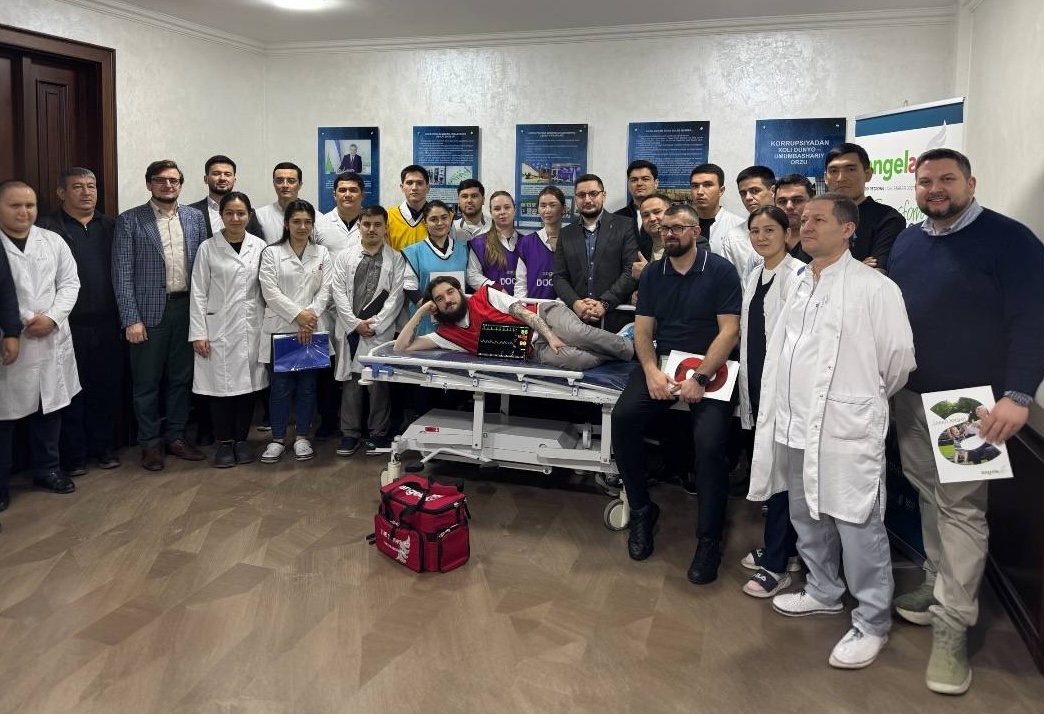
The strategic objective of the February workshops was to train teams in a modern stroke care system aligned with the National Program and Presidential decree, Dr Abror says.
“We started with two regions, Tashkent and Samarkand, as part of a phased implementation. Nationwide expansion is planned from 2027 onward.”
Participants included neurologists, radiologists, interventional specialists, intensivists, nurses – around 10 representatives from each stroke center in the two regions. A separate seminar was organized for EMS personnel “because they are a critical link in the stroke chain of survival”.
The involvement of Ukrainian experts was deeply meaningful, Dr Abror says. “They shared not only clinical expertise but also experience in building systems under extremely challenging circumstances. One phrase stayed with me: ‘It took us five to six years to build our system. You can do it in two to three.’
“Their resilience and structured thinking are lessons beyond medicine.”
A bridge towards a shared goal
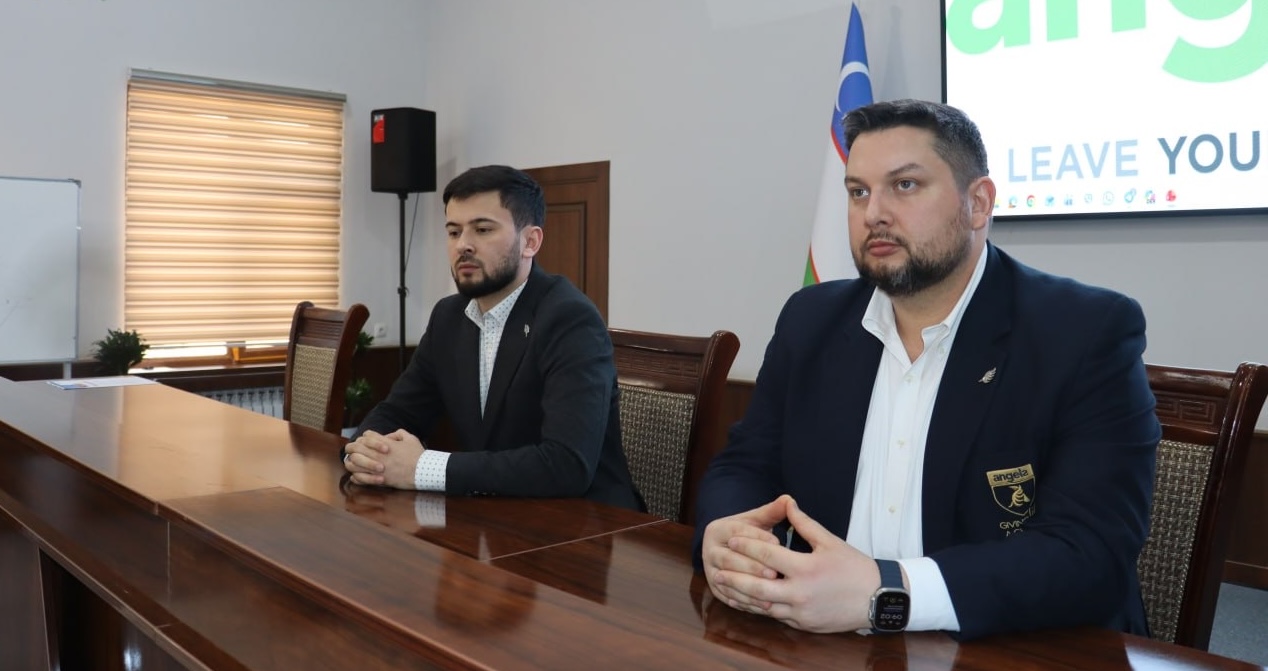
Being a national coordinator for Angels is a major responsibility, Dr Abror says. “The coordinator acts as a bridge — connecting the Ministry of Health, WHO, clinicians, and international partners. Much depends on someone who can unite people toward a shared goal.”
He has already outlined a two-year plan. Next steps include successfully completing the Train the Trainer programs in Mainz, Germany, and Astana in Kazakhstan, forming a core national leadership group, and conducting in-situ training through StrokeTeamUz.
“We understand there is still much work ahead.”
Success will be an Uzbekistan where stroke doesn’t inspire fear “because the system works”.
“Yes, stroke is serious. But when citizens recognize FAST symptoms, when EMS responds quickly, when treatment is standardized – outcomes change.”
Is it too soon to speculate on what Uzbekistan can teach the rest of the world about stroke?
“It may be early to draw conclusions,” Dr Abror says. “But if there is something others could learn from Uzbekistan, it is unity and persistence. Even when facing resistance, systemic transformation is possible when professionals stay committed.”