Traditional South African names often carry deep meaning, reflecting character, social identity, and a family’s gratitude and hopes for a child. In Sesotho, for example, a language spoken by millions in southern Africa, Thabo means “joy”, Lesedi means “light”, and Palesa means “flower”.
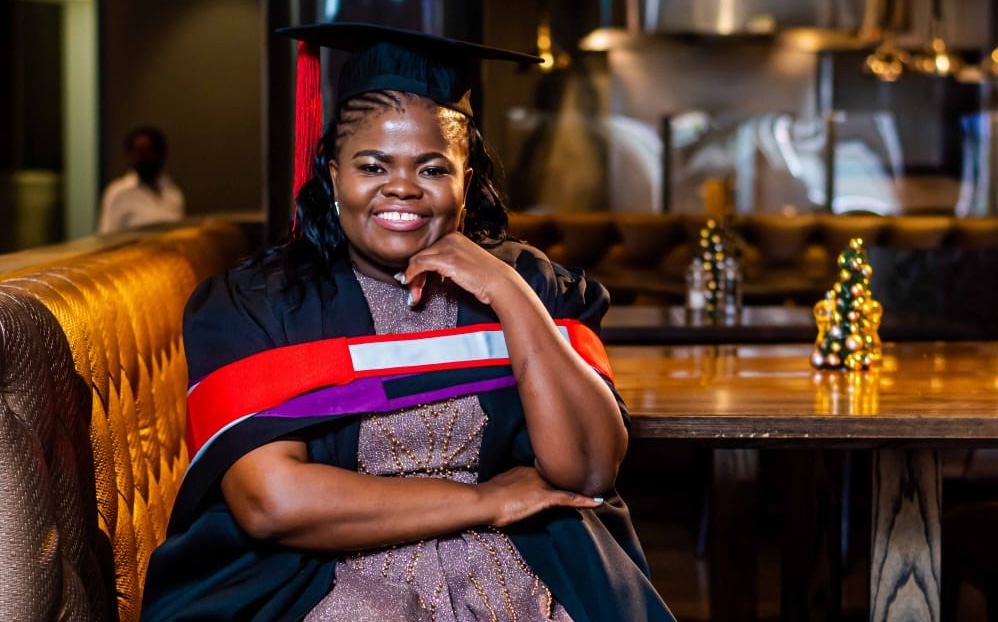
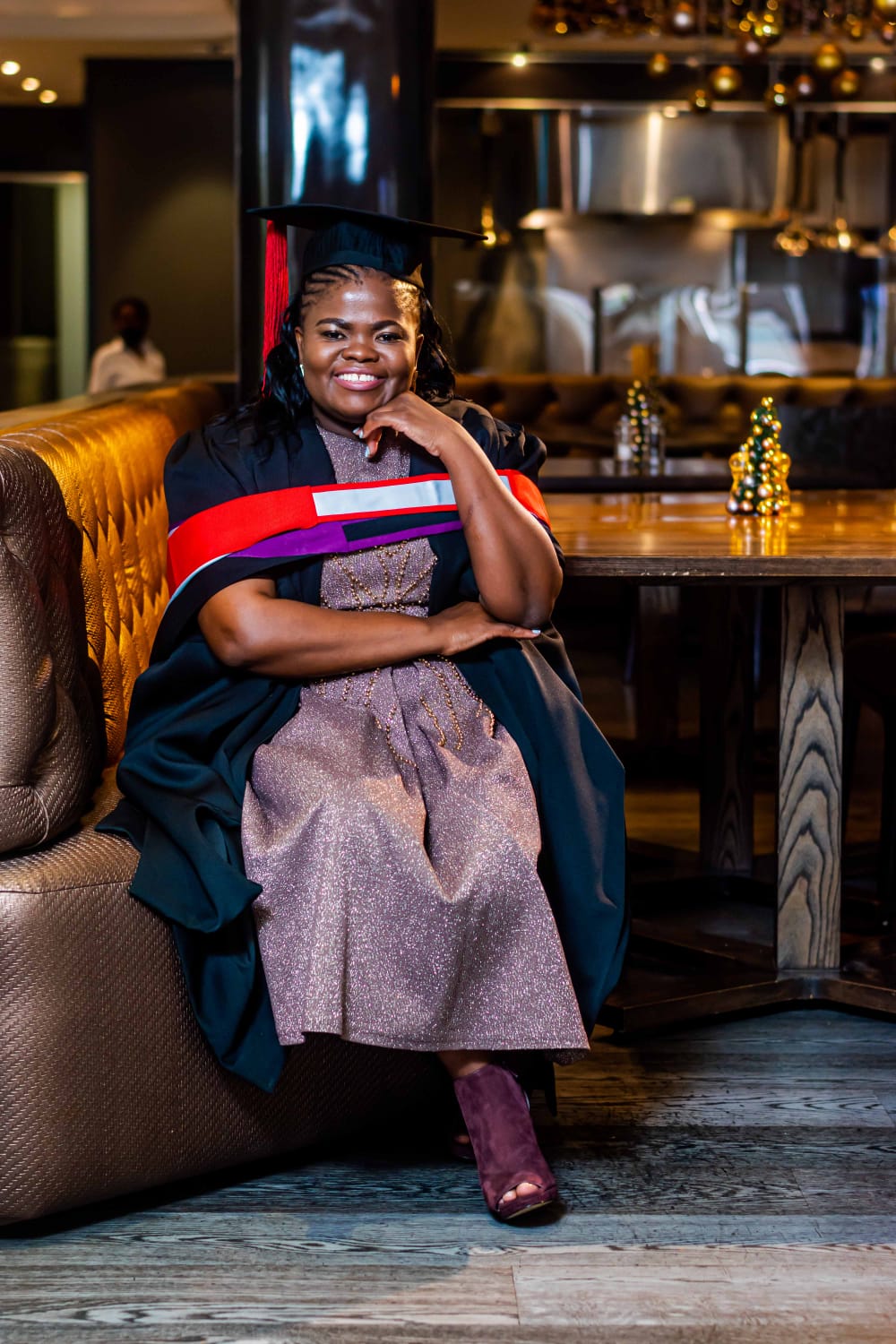
Then there is Dimakatso – a name meaning "surprises" and sometimes “miracles” – which Dr Dimakatso Makwela agrees suits her story. It captures an unexpected journey from a village in rural Limpopo to an academic hospital in the fast-beating heart of Johannesburg, where Dr Makwela has headed the department of neurology for the past two years.
Her second name, Sethepele, derived from roots meaning “the one who leads the way”, feels no less prescient. For almost four years, Dr Makwela has led the charge towards better stroke care in two of the biggest teaching hospitals in South Africa.
An eye-opening Angels Day in December 2022 introduced her to a future ally, Angels consultant Wendy Mandindi, and sparked a vision for a stroke service at Chris Hani Baragwanath Academic Hospital in Soweto.
Bara, as it is popularly known, is the largest hospital in Africa and the southern hemisphere, and among the largest in the world. Spread across about 173 acres and 429 buildings, it has more than 6,000 staff members, including specialists across a wide range of disciplines.
“Bara had all the specialists, but no system for stroke care,” Dimakatso says. Although doctors were interested in establishing a stroke service, figuring out how to work together was a challenge. Dimakatso, who had arrived at the hospital as a newly fledged neurologist at the height of the Covid pandemic, felt embarrassed by its failure to manage acute stroke.
“Stroke is the easiest of all neurological diseases to diagnose and treat,” she says. And yet patients, including young stroke survivors, were being sent home with life-changing deficits – often to wait for death at home.
The idea that with a stroke nothing can be done, remains widespread, especially but not only in hospitals far from the cities. Patient education is therefore very important, Dimakatso believes. “An educated public can advocate for themselves. When people are informed, attitudes change.”
With Wendy’s support, a multidisciplinary team was created, a stroke phone designated for prenotification, a pathway established that bypassed the chronically overcrowded emergency department, and high care beds secured for recovering stroke patients. In 2024, with the stroke service at Bara still short of realizing its potential, Dr Makwela was promoted to head of neurology at Charlotte Maxeke Johannesburg Academic Hospital, where the cycle began anew.
The one who leads the way
“Charlotte” is one of three teaching hospitals associated with the University of the Witwatersrand, a top public research school ranked within the top one percent of universities worldwide. The hospital was named after another stubborn Limpopo-born woman, a social and political activist who dedicated her life to the struggle for women’s rights and equal access to education.
She’d have made a fitting role model for teenage girls attending Makgoka High School in a small settlement near Moria towards the end of the 1990s.
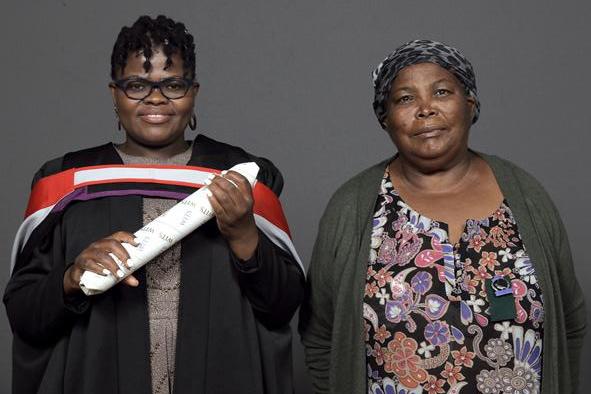
Dimakatso had begun her schooling in the neighboring province Mpumalanga where her mother, then a young widow and rural school teacher, had sent her son and five daughters to live with their grandmother in a house teeming with cousins and aunts. She was an exemplary student who everyone said could someday become a doctor.
She and her Makgoka High classmates pored over prospectuses sent for from universities, and mailed countless applications from the local post office. The dream of becoming a doctor had a downside – it would take an eternity. Dimakatso’s classmates would be driving their own cars long before she got to the end of the traditional six-year undergraduate degree.
But the University of Free State offered a compact curriculum that allowed students to enter the workforce a year earlier, and at 17 Dimakatso moved to the Free State provincial capital Bloemfontein, where she was due for a culture shock.
She had never before lived in a mixed-race environment, nor spoken English outside the classroom, she recalls. In challenging surroundings where kindness mattered, Dimakatso gravitated towards doctors who showed empathy to both patients and students.
“The nicest doctors, the ones who knew how to teach, were neurologists,” she says. “Neurology stole my heart.”
Destined to be here
Your beginning doesn’t determine where you end up in life.
That was the message Dimakatso carried into a motivational talk at her mother’s old village school, where there was general disbelief that such modest surroundings could have produced someone as miraculous as a neurologist.
Neurology is a scarce skill in South Africa. There are only 277 neurologists registered with the Health Professions Council of South Africa, less than 20 percent of whom work in the public healthcare sector where more than 80 percent of South Africans receive medical care.
Burnout in South Africa’s public hospitals is a severe, systemic crisis affecting a majority of healthcare workers. The key to sustaining care, Dimakatso suggests, is to meet each patient as if they were the first – not as another face in an endless stream. “You have to imagine this was your relative. You have to give your best to every individual, because every new person deserves the same opportunity.”
It’s a conviction Charlotte Maxeke would’ve recognized and quietly claimed as her own.
“I am destined to be here,” Dimakatso says. It is here, amid staff shortages, aging infrastructure, and long queues and packed corridors, that she can really make a difference.
“There’s a lot of pressure and politics. In a private hospital, you ask for what you need: here you have to fight to achieve anything at all. That’s when you need someone who says, I’ll do it.”


