Gauteng South Regional Stroke Workshop, 25 June
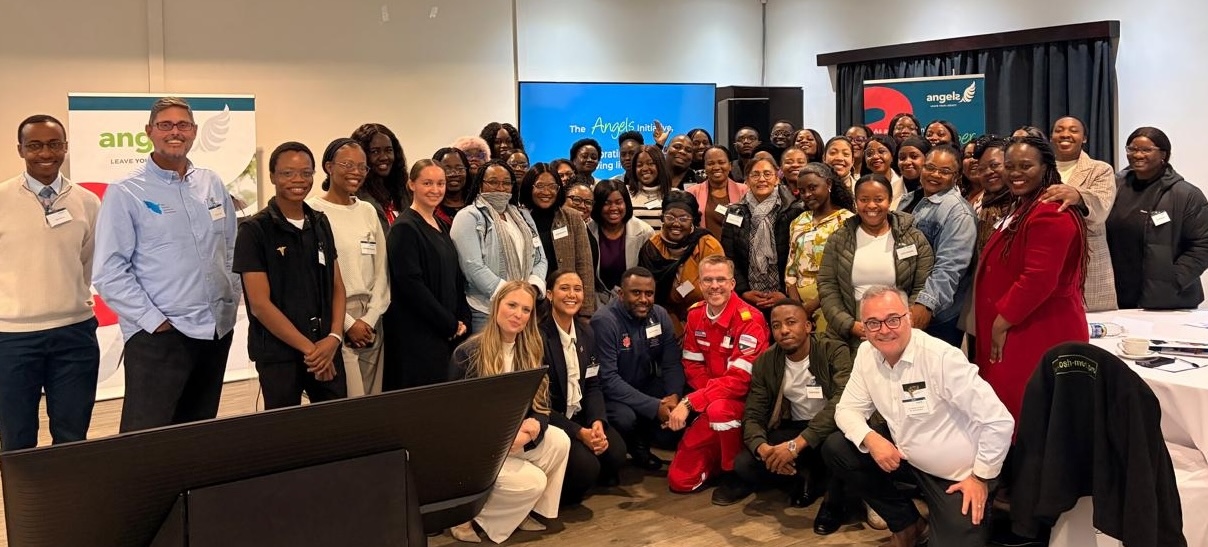
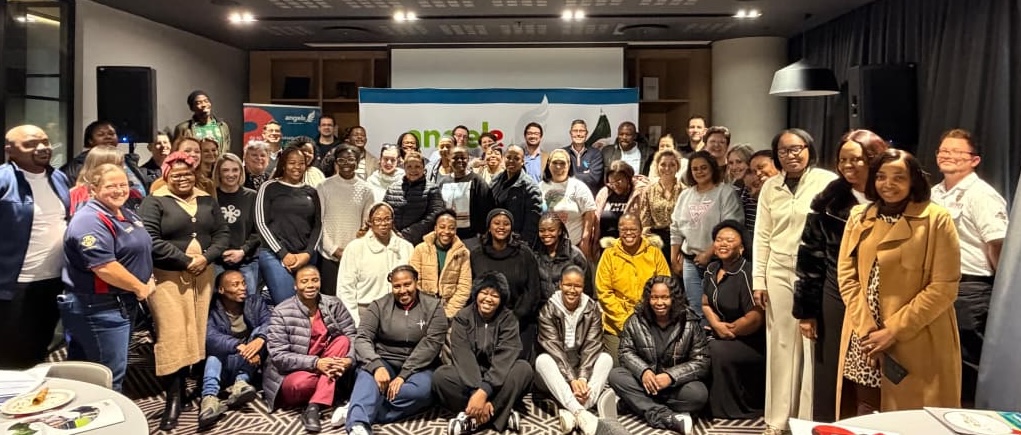
- Attended by 61 healthcare professionals from JHB, Klerksdorp and Rustenburg.
- Speakers: Dr Frederick Rossouw, Dr Dimakatso Makwela, Wendy Mandindi, Mr George Scola, Ms Zasskia Wiese, Dr Eitzaz Sadiq, and Dr Nelson Alves.
- Highlight: Stroke survivors sharing personal stories.
The Angels Initiative successfully hosted the Gauteng South Regional Stroke Workshop on 25 June 2026 at the Radisson RED Rosebank, in Johannesburg. The workshop was attended by 61 healthcare professionals from Johannesburg and surrounding areas Klerksdorp and Rustenburg.
The goal of the workshop was to bring nurses, EMS, doctors, and key stakeholders together to strengthen stroke care pathways and improve patient outcomes across Gauteng South and the North West province.
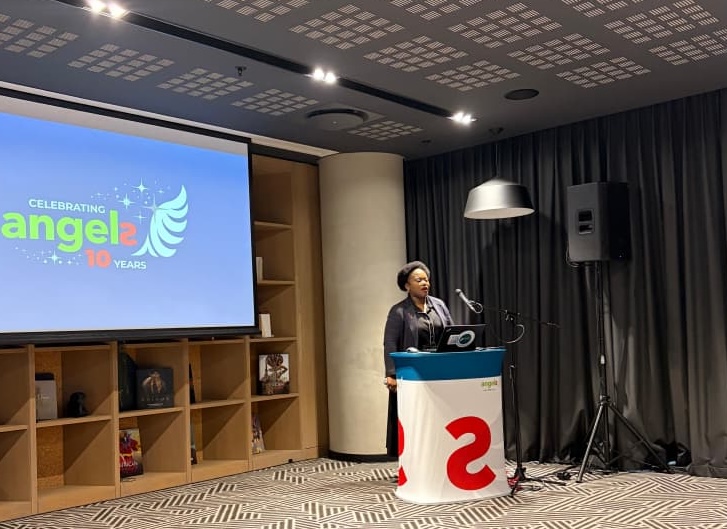
The agenda started off with an update on the Angels Initiative by consultant, Wendy Mandindi, who also highlighted the celebration of the Angels Initiative 10-year anniversary. She was followed by Renathe van der Merwe who shared a progress report of the Fast Heroes programme in the Gauteng province.
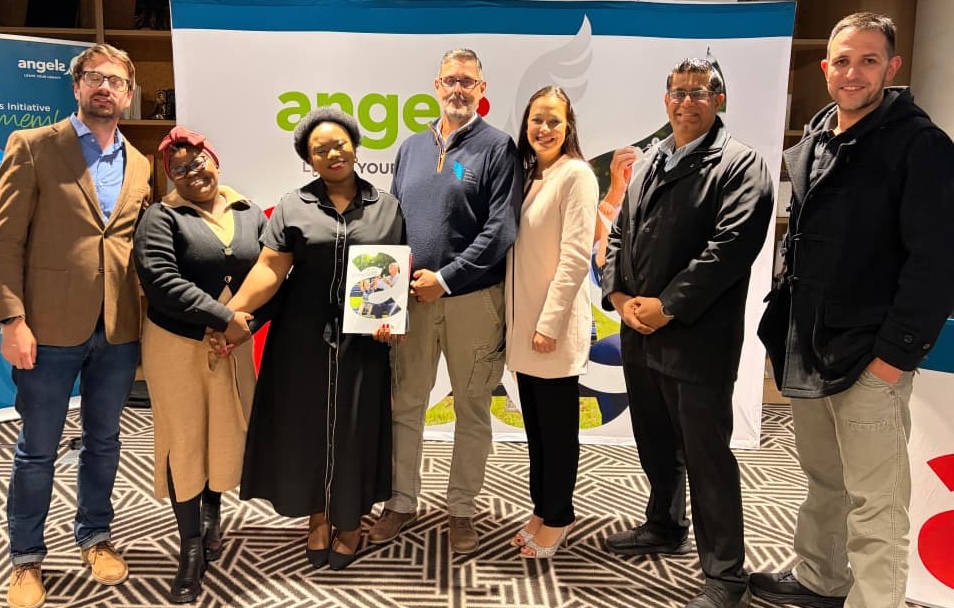
The educational component of the day focussed on the stroke patient’s pathway through the prehospital, hyperacute, acute and post-acute phases of stroke management. Dr Eitzaz Sadiq focused his presentation on the importance of stroke symptom recognition and early assessment and how that could influence the treatment of the patient upon arrival in the emergency department. This was followed by an interactive hyperacute simulation workshop where Dr Nelson Alves led participants through multiple acute stroke simulation cases, strengthening their decision-making skills during the critical early stages of stroke management.
Dr Dimakatso Makwela addressed stroke care beyond the emergency department by highlighting the importance of continuity of care, treatment and rehabilitation to optimize recovery and long-term outcomes.
Ms Zasskia Wiese was next with an engaging session on the importance of developing effective multidisciplinary stroke teams. She emphasized the value of collaboration across departments to optimise patient outcomes.
Dr Frederick Rossouw shared practical approaches to quality monitoring in stroke and how the use of performance indicators can improve patient care. The day concluded with a passionate and inspiring experience sharing from stroke survivor and CEO of the Stroke Survivors Foundation, Mr George Scola, who shared his personal story and the importance of support groups for patients and their families after discharge from hospital.
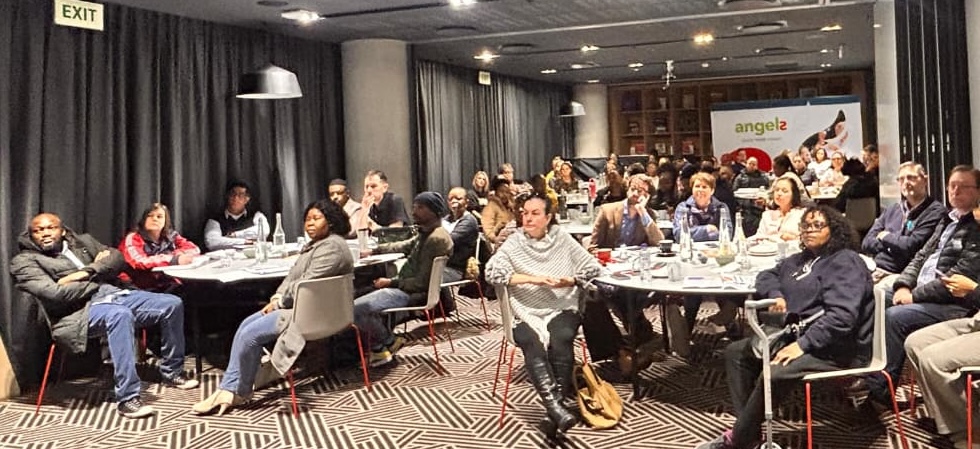
Overall, the workshop provided a valuable platform for knowledge sharing, skills development, and networking among healthcare professionals committed to improving stroke care. Feedback from participants was extremely positive with Dr Caleb Gage commenting as follows: “I thoroughly enjoyed attending the Gauteng South Regional Stroke Workshop. It was informative, interactive and very well organised. For me, the highlights were hearing from stroke survivors themselves, and identifying many research needs in South Africa regarding stroke care. Because of this workshop I plan on meeting some of these research needs, particularly regarding EMS and stroke care in the country. Thank you, Stroke Angels!"
++++++++++++++++++++++++++++++++++++++++++++++++++++++++++++++++++++++++++++++++++++++++++++++++++++++++++++
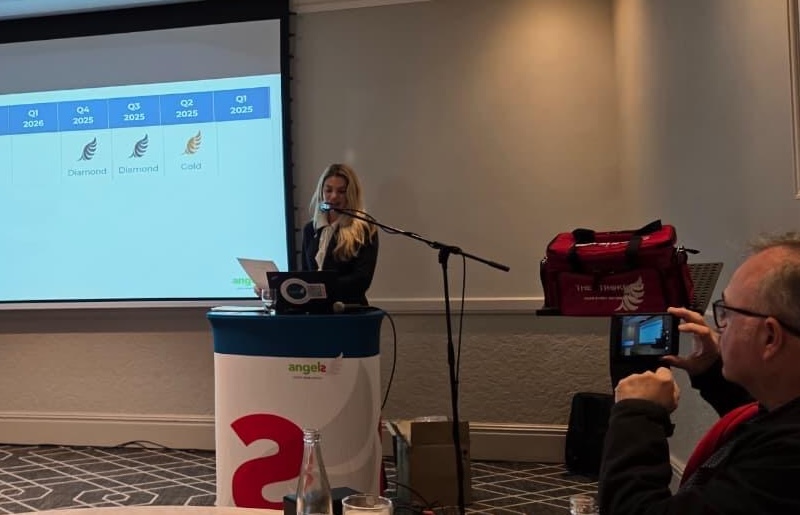
Regional Stroke Workshop in Cape Town, 6 June
- Attended by 60 healthcare professionals from Cape Town, the Garden Route and Bloemfontein.
- Speakers: Dr Amanullah Rawoot, Dr De Vries Basson, Dr Naeem Brey, Dr Santel de Lange, Mr George Scola.
- Highlight: A standing ovation in recognition of Karl Bremer Hospital's outstanding achievements and contribution to stroke care.
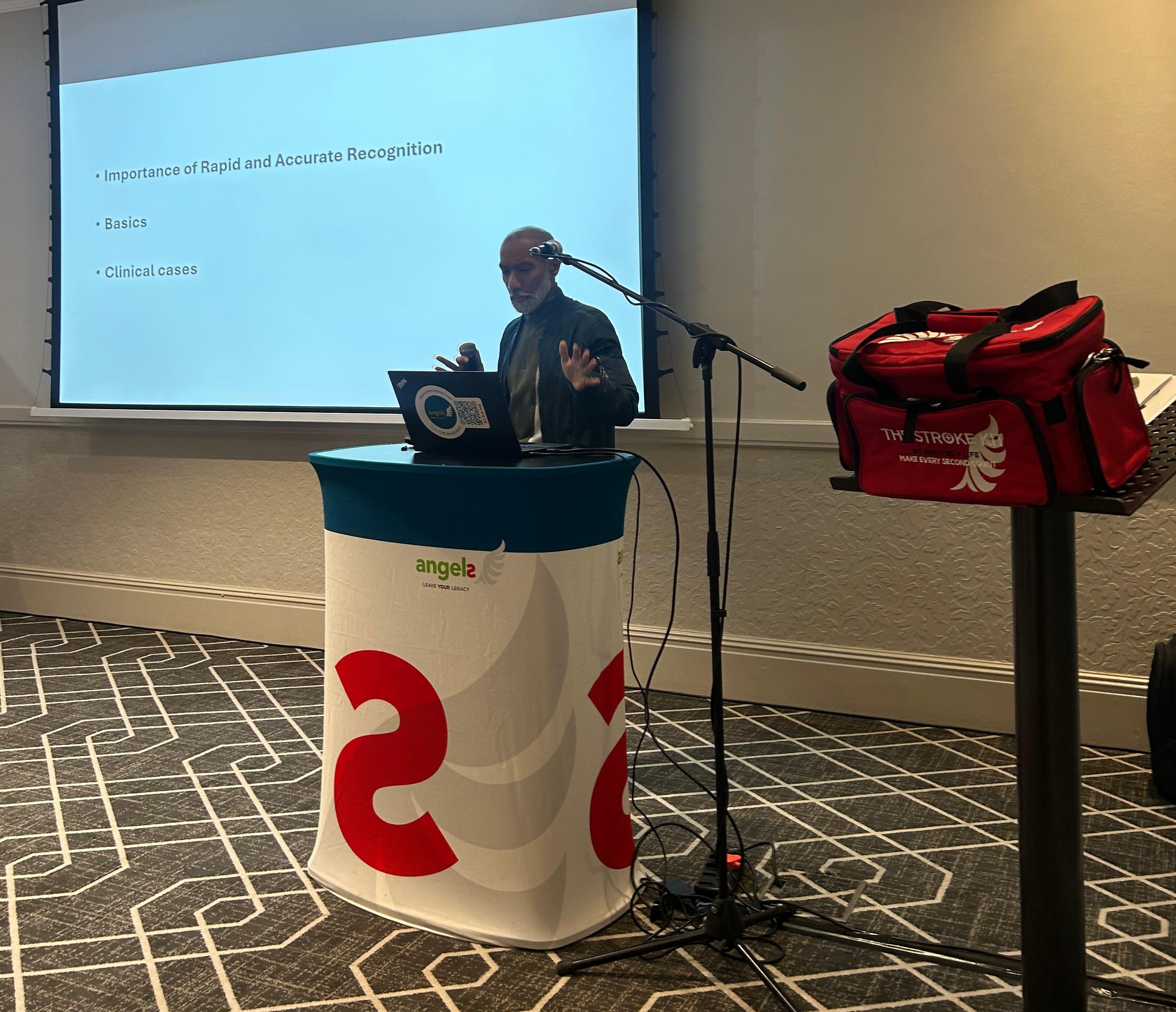
Every seat was booked for the Angels Initiative Regional Stroke Workshop held in Cape Town on 6 June 2026. The event brought together 60 healthcare professionals from Cape Town, the Garden Route and Bloemfontein.
The day opened with a project update from consultant Bernise Schubert, followed by Dr Amanullah Rawoot’s engaging session on stroke recognition and case studies from Life Vincent Pallotti Hospital.
Dr De Vries Basson shared practical insights on establishing stroke programmes, the hyperacute phase of stroke care and the importance of quality monitoring, while Dr Naeem Brey delivered an excellent presentation on clinical decision-making in acute stroke management.
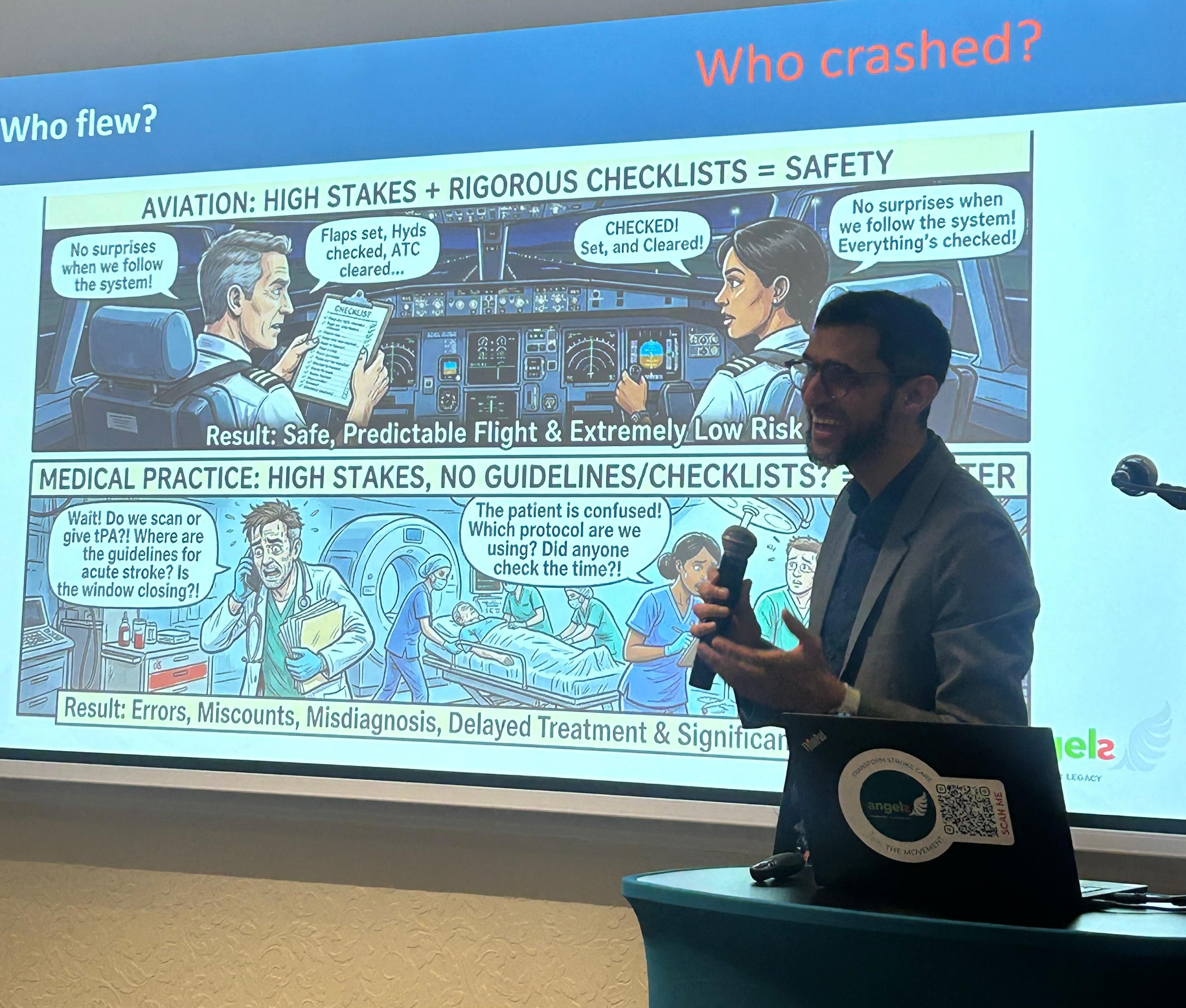
Dr Santel de Lange highlighted the critical role of the FeSS protocol and post-acute stroke care.
The workshop concluded on an inspiring and emotional note, with George and Christo from the Stroke Survivors Foundation sharing their personal stroke journeys and future plans for the organisation.
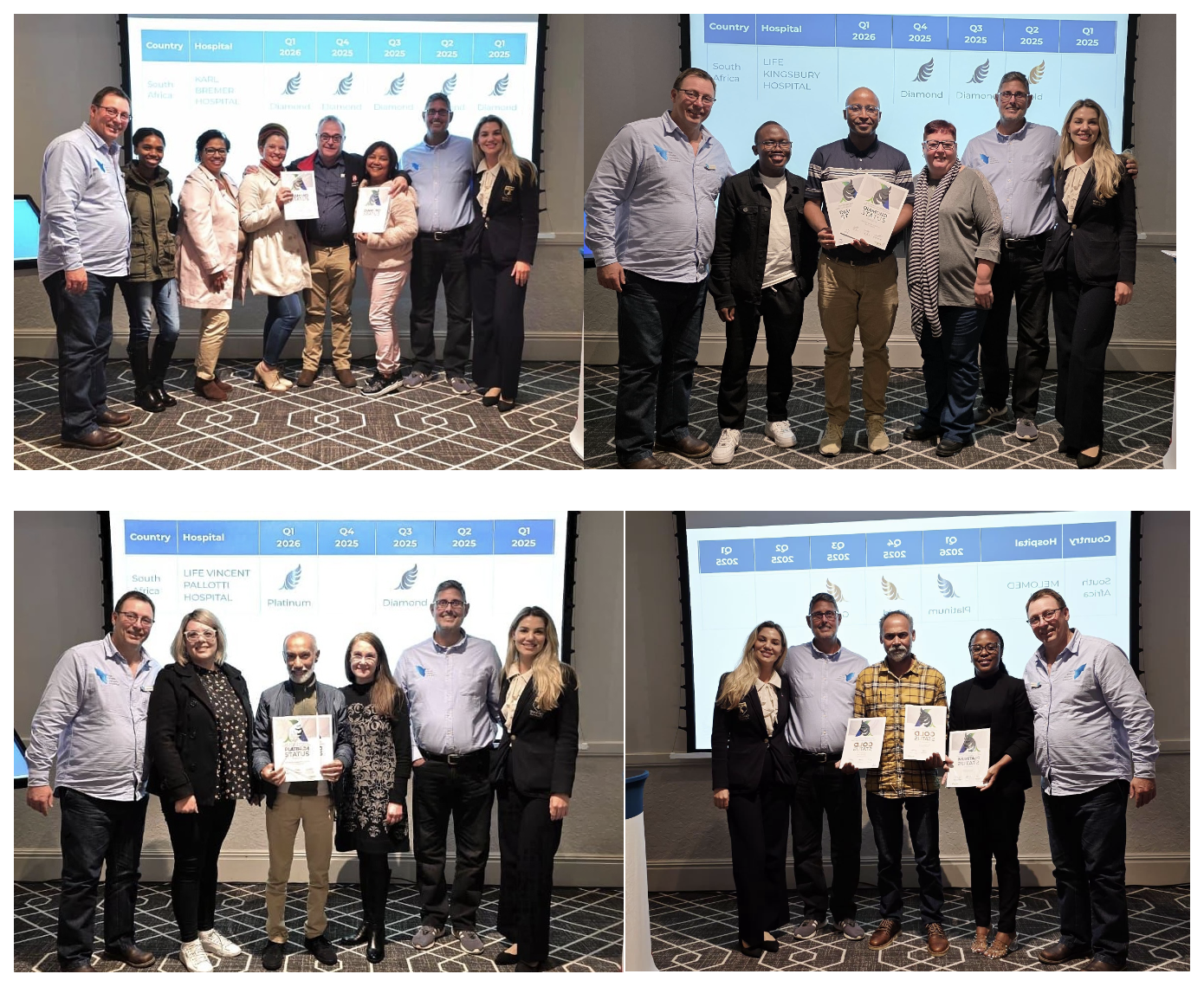
The day ended with an Angels Awards Ceremony, culminating in a standing ovation in recognition of Karl Bremer’s outstanding achievements and contribution to stroke care.
++++++++++++++++++++++++++++++++++++++++++++++++++++++++++++++++++++++++++++++++++++++++++++++++++++++++++++
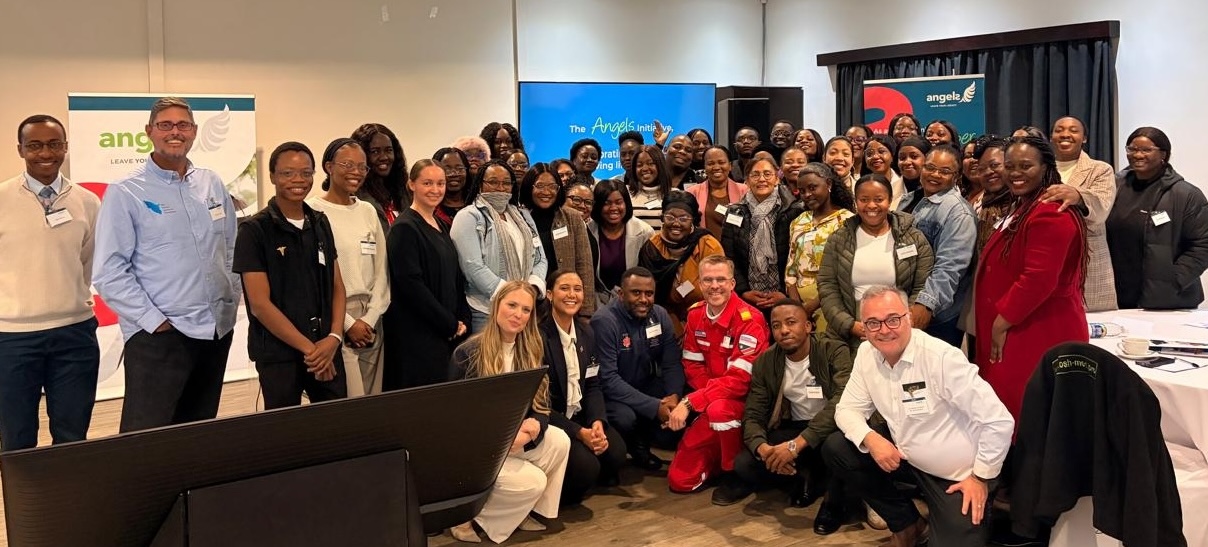
Namibia Stroke Workshop, 30 June
- Attended by 57 healthcare professionals including nurses, doctors and paramedics.
- Speakers: Dr De Vries Basson, Dr Vaja Zatjirua, Dr Marsha Koekemoer, Mr George Scola.
- Highlight: Presentations on quality monitoring in stroke care and the importance of building effective multidisciplinary stroke teams in the public sector.
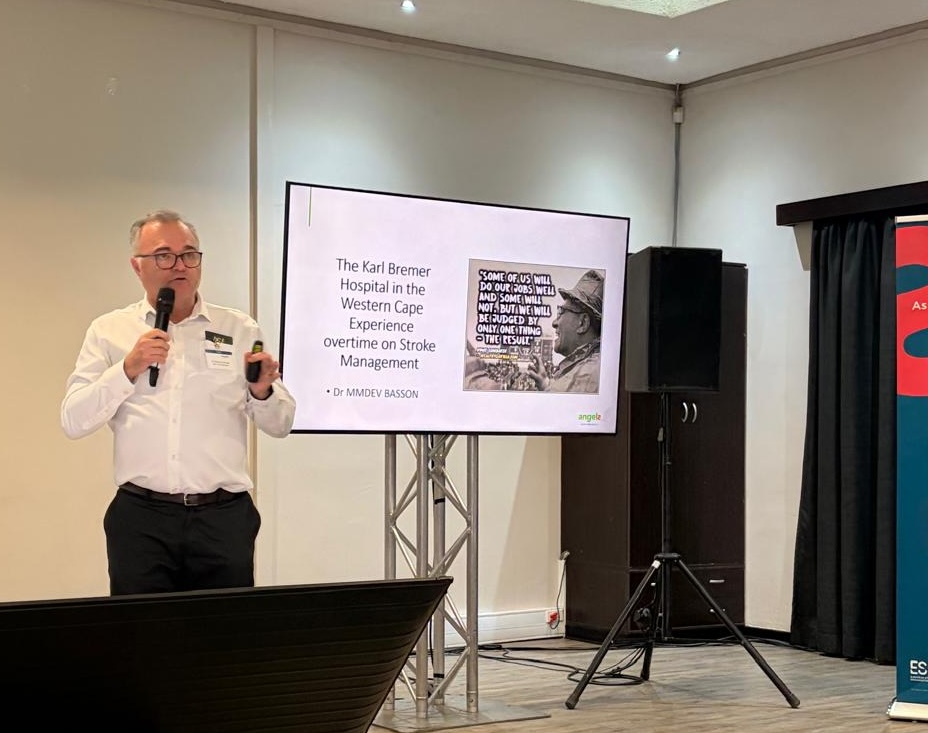
On 30 June, 57 healthcare professionals including nurses, doctors and paramedics from Windhoek arrived bright and early at the Arebbusch Travel Lodge for the Namibia Stroke Workshop. The room was filled with representatives from private and public hospital and EMS organizations.
The agenda represented the actual flow of the acute stroke pathway which started with recognition and early identification of stroke, followed by the in-hospital hyperacute and acute phase. These sessions were presented by local key opinion leaders, Dr Vaja Zatjirua and Dr Marsha Koekemoer.
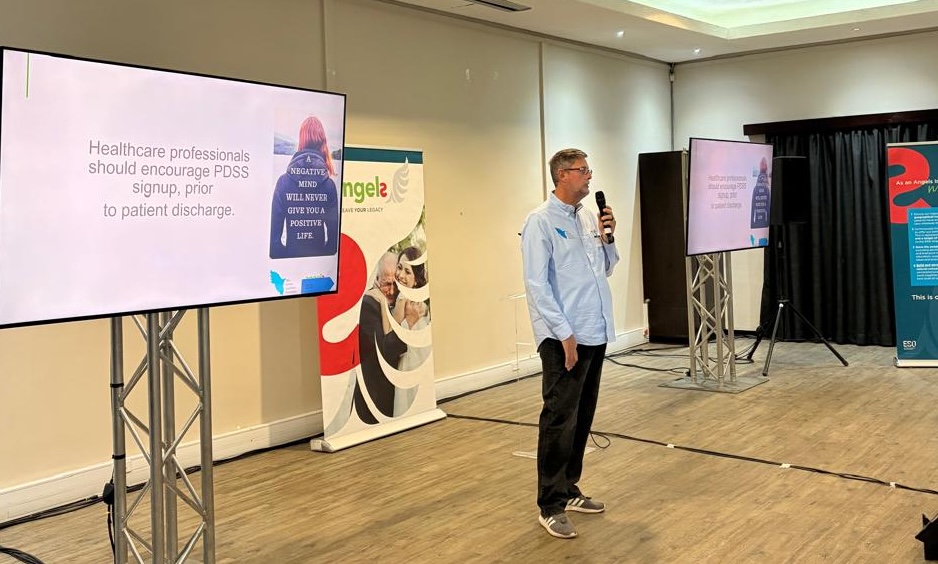
They were also privileged to host a South African expert, Dr De Vries Basson, who spoke about quality monitoring in stroke care and the importance of building effective multidisciplinary stroke teams within a public setting.
It would not be a stroke workshop without a passionate stroke survivor, Mr George Scola sharing their personal journey and highlighting the critical role of post-discharge support groups offered through the Stroke Survivors Foundation.
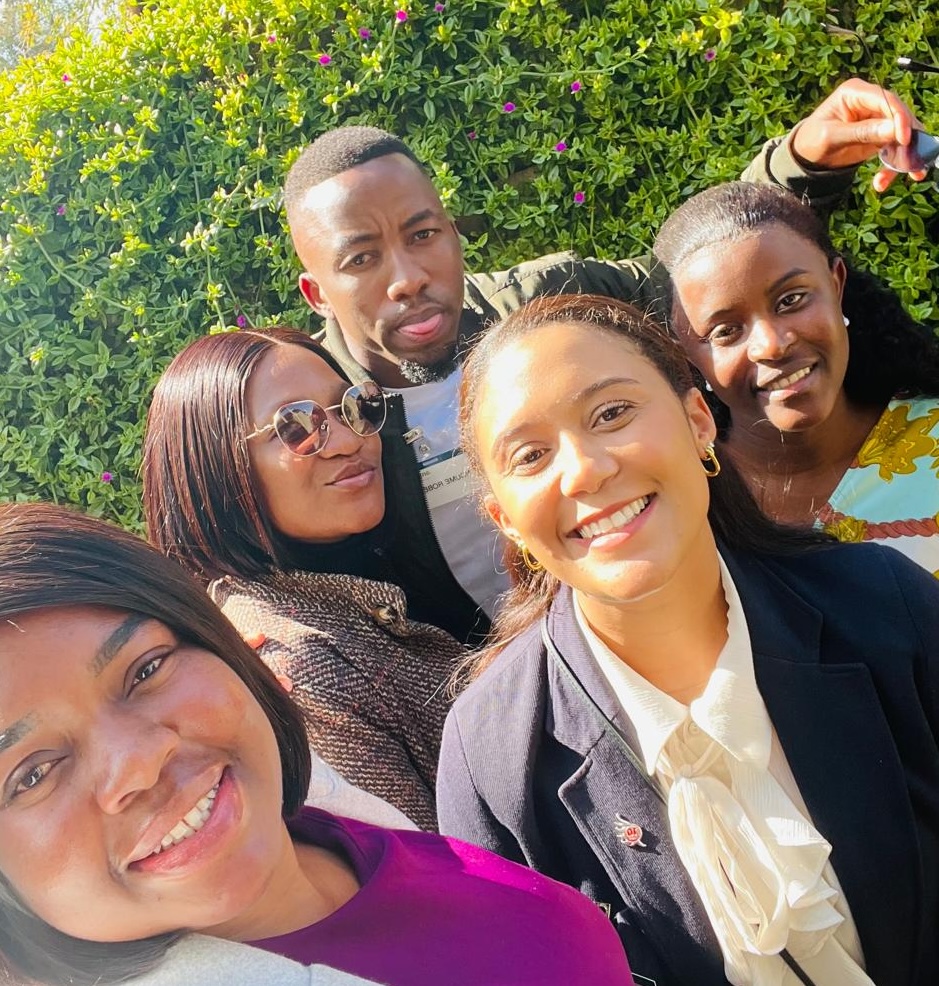
The event was highly interactive, with strong engagement and participation from attendees throughout the day, consultant Carla Daniels said. Feedback and post-event follow-up have been particularly encouraging, with many healthcare professionals actively driving initiatives to improve stroke care pathways and services within their respective hospitals.


