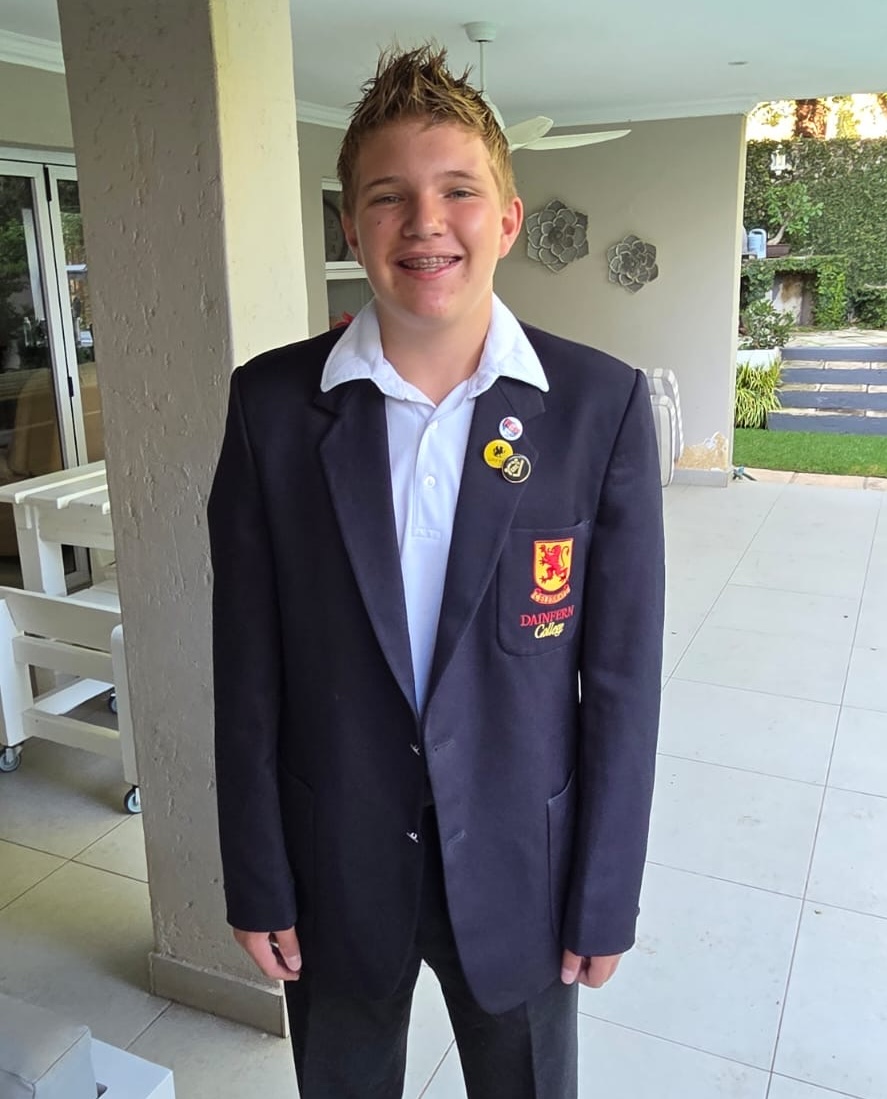
Robbie Hurly is in grade nine at Dainfern College, an independent school in a northern suburb of Johannesburg, His favourite subjects are maths and physics, and the extramurals that fill his afternoons include tennis and singing. He likes solving problems, so he’s thinking of becoming an engineer. In the same way no one suspects Clark Kent of being Superman, you wouldn’t guess straightaway that Robbie was a superhero. And yet, lifesaving knowledge about stroke is reaching parents and grandparents because Robbie raised his hand.
Now going on 15, Robbie was a 13-year-old eighth grader when he first learnt of FAST Heroes, the award-winning schools-based stroke awareness campaign that activates a child-led knowledge-transfer mechanism to teach families about stroke. The program was developed in partnership with the Department of Education and Social Policy at the University of Macedonia in Greece, and is endorsed by the World Stroke Organization. Worldwide, over one million children in nearly 17,000 schools have already signed up for the Grand Mission to keep their loved ones safe from stroke.
Robbie’s mom, Dr Jenny Frankel, is an emergency care and trauma doctor, and one of his rock solid role models along with his grandfather and his dad. When she brought FAST Heroes materials home, Robbie saw an opportunity to make a difference by introducing the program at his school. He also had a personal reason for getting involved – his uncle is a stroke survivor who is living with the consequences of late diagnosis and treatment. This is precisely what FAST Heroes was designed to prevent.
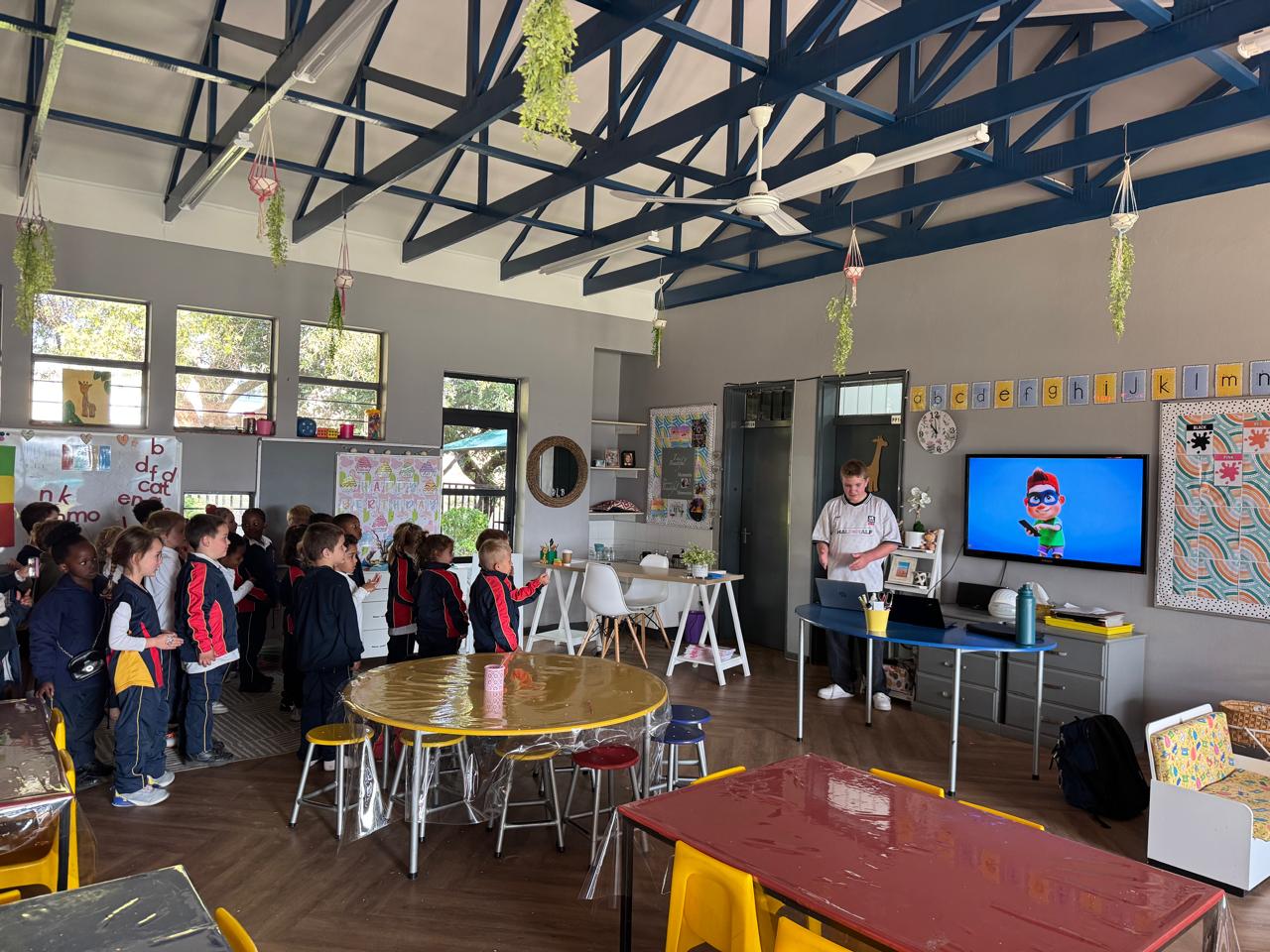
Robbie approached his task with exceptional professionalism, first pitching his idea to the FAST Heroes national coordinator Renathe van der Merwe and Angels consultant Wendy Mandindi, before introducing Renathe to the Dainfern College principal. Once convinced of the advantages to the school and community, the principal put them in touch with the head of the Foundation Phase. Next, Renathe registered the school, and held a workshop for teachers which Robbie also attended.
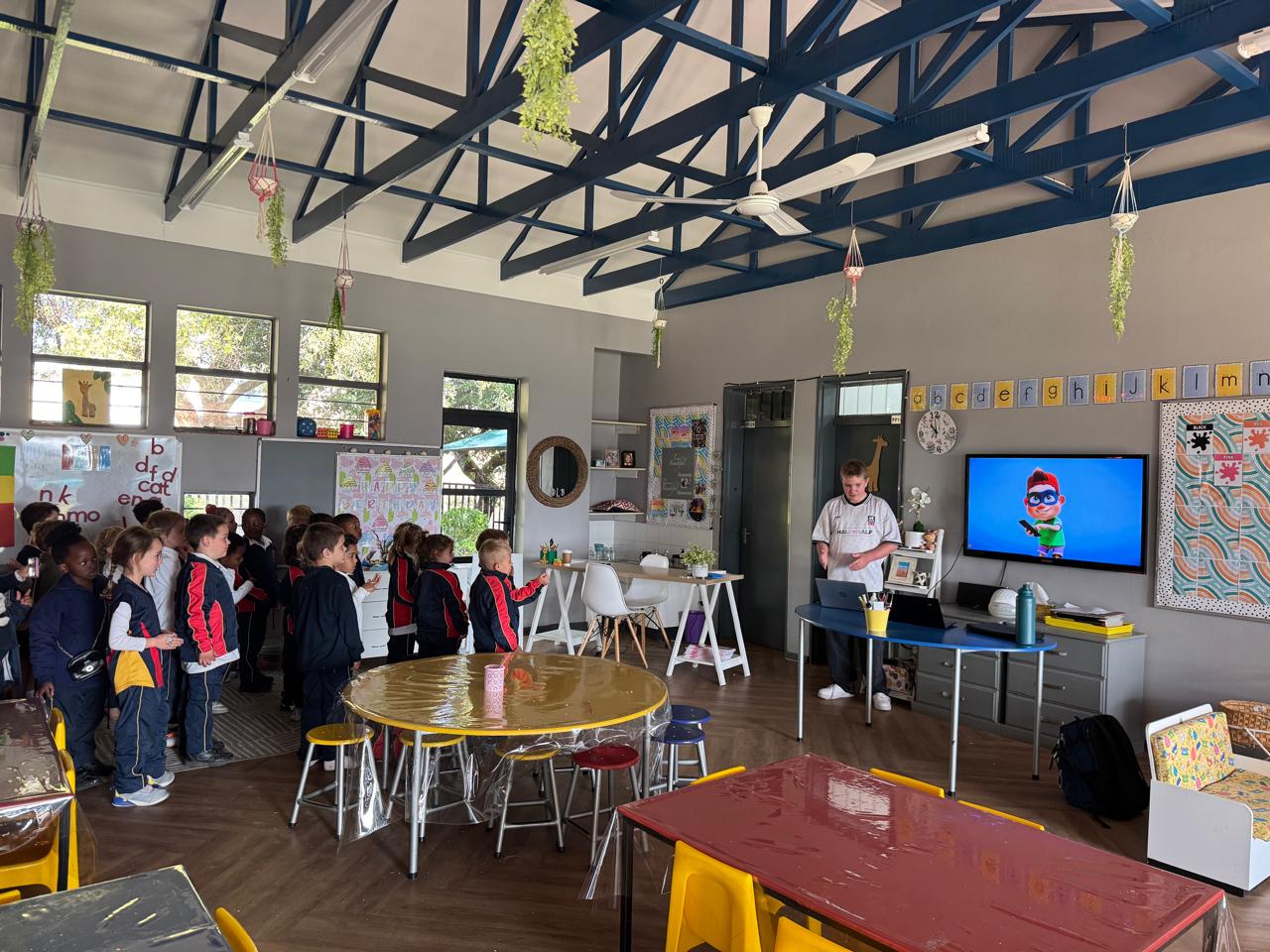
Dainfern College encourages a culture of service, and learners from grade eight and up are each required to complete 10 hours of outreach per year. “The more hours, the more doors you open,” Robbie believes. Learners make themselves useful to the community for example by helping out at pet shelters, or making sandwiches on Mandela Day, a day on which people celebrate the life and legacy of former president Nelson Mandela by helping others.
FAST Heroes offered a unique and sustainable opportunity to serve the community, as Robbie told his classmates in a speech addressed to the entire grade.
“There are always people who jump into action and those who don’t care,” he says philosophically. In the end about 10 students signed on, and Robbie was struck by how many of them had family members who had been affected by stroke.
The efforts of Robbie and his fellow superheroes to support FAST Heroes implementation were rewarded last November when Dainfern College shot to the top of the national FAST Heroes leaderboard, with individual learners and classes featuring in the top 10.
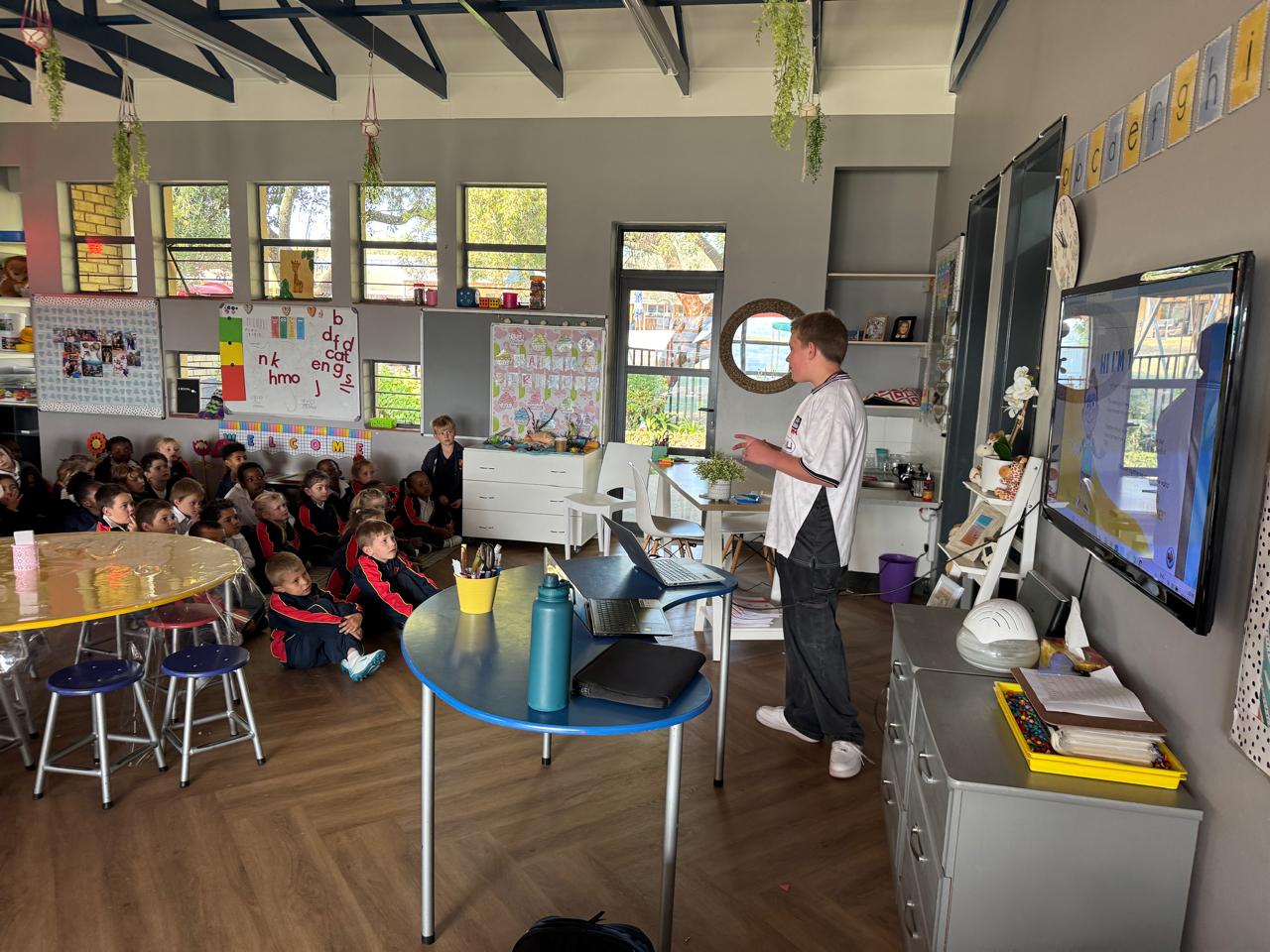
But it’s not about prizes or popularity, Robbie says. Knowing they’re making a difference is what warms his soul. He’s already thinking of the optimal format for future rollouts, and ways to expand learning about stroke to the senior phase. He also looks forward to his younger brother entering high school and earning his own superhero cape.
Meanwhile, this future engineer is busier than usual as the school is preparing its production of the Legally Blonde musical. Cast as one of the leads, Robbie must attend rehearsals every evening. “We’re all learning about time-management and resilience,” he says stoically.
Given the school’s vibrant performing arts scene, the première on 11 March is bound to be a hit. But, as far as the FAST Heroes community is concerned, long before the curtain goes up, Robbie is already a star.


