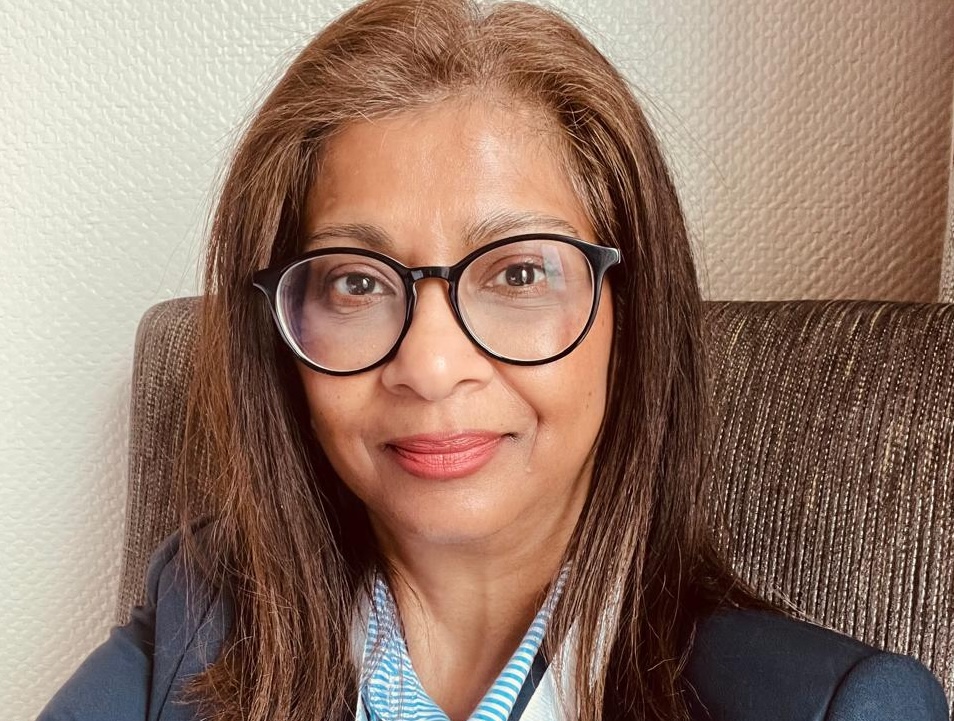
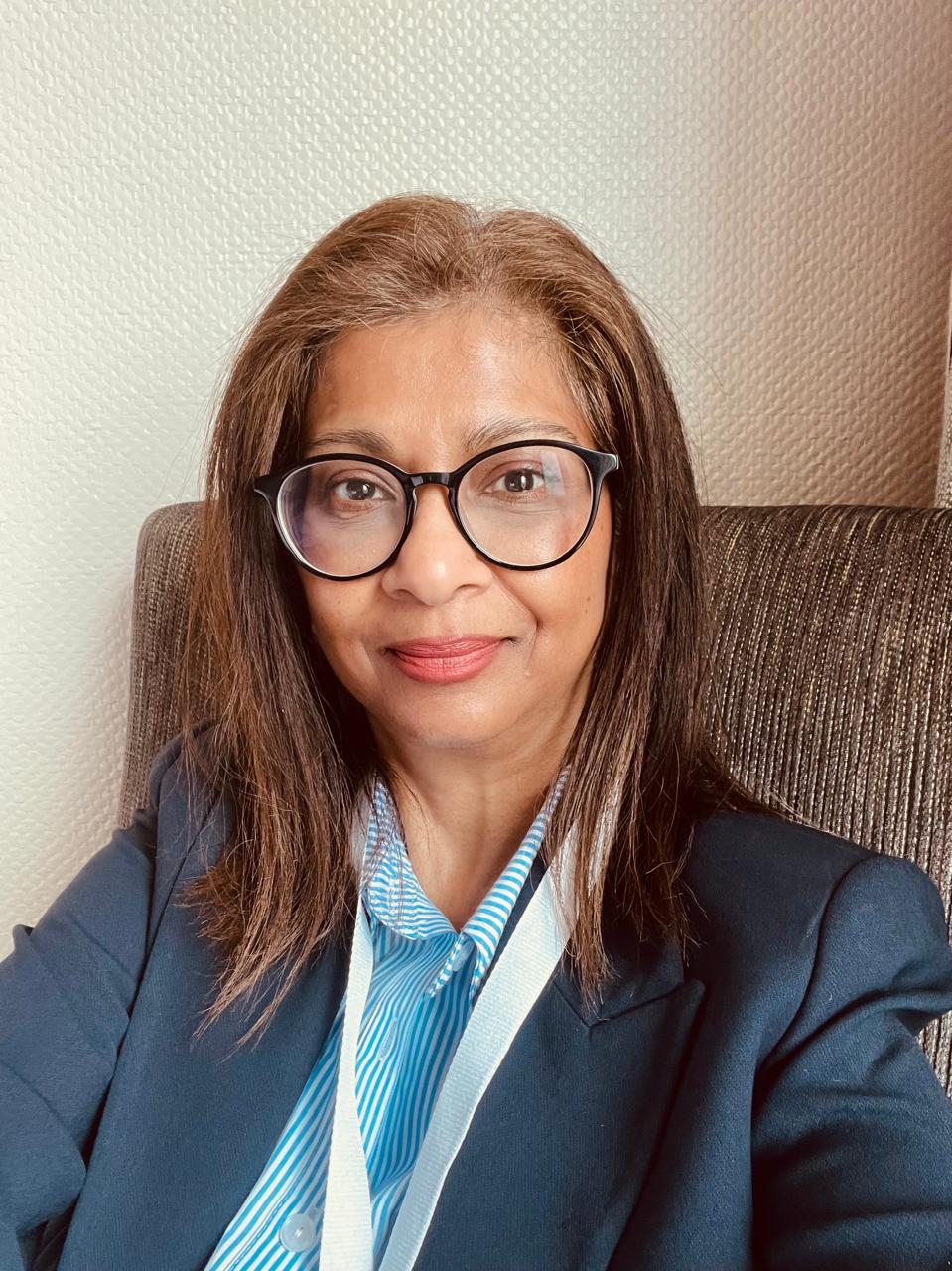
As NASA president what do you consider the key goals for the organization?
One of our core beliefs is that the brain is an individual’s most valuable asset. Our goal is to promote and enhance asset management strategies by creating opportunities for continual learning, both for neurologists and for patients.
What have been the highlights of your presidency so far?
Oh, there have been so many! Personally, my biggest highlight has been connecting and getting to know neurologists throughout South Africa, Africa, and the world as people. Professionally, it has been from learning to go online and experiencing whole conferences on a screen, translating this into weekly webinars where our eager neurology community meets and learns and grows, to connecting with international colleagues who have now become part of NASA family, to collaborating with UKZN and hosting the 2025 Congress, to visiting Seoul and receiving the baton to host the 2027 World Congress of Neurology, going to Kenya for ASOC and meeting colleagues from Africa, going to Namibia to teach registrars . .. . I could go on and on.
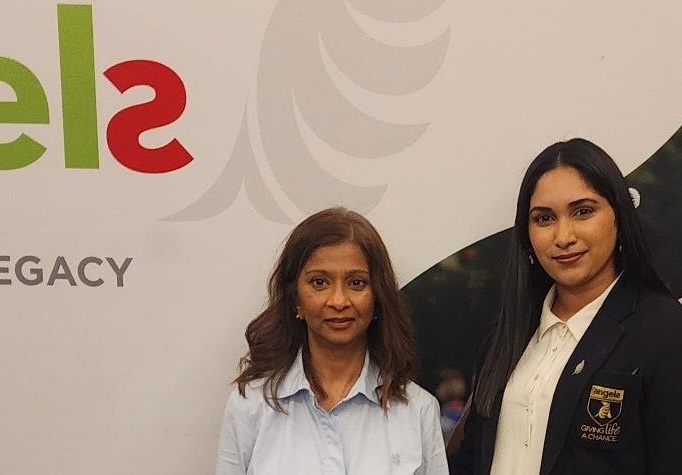
You practice at Netcare Umhlanga Hospital (NUH) – a triple diamond hospital. What changes have taken place at the hospital during your tenure, and what specifically has facilitated the progression from gold to diamond?
When I commenced private practice at NUH, there were no acute stroke facilities available. I championed the creation of a team of dedicated professionals consisting of Dr Vineshree Reddy, Dr Christo Coetzee and myself; our Radiology Department providing 24 hour CT, CTA and MRI services, a POC INR innovated by Ampath lab, and neurosurgical colleagues when needed. Our ER nurses were trained on a protocol synthesized from international guidelines, and our Casualty doctors were also aligned with the protocol.
This fledgling Acute Stroke Service caught the attention of national colleagues and Jan van der Merwe from Boehringer Ingelheim. Together ,we dreamed up the myStroke South Africa initiative with Lyn Katsoulis which later became the global Angels Initiative.
The NUH service continues to thrive through changing seasons post pandemic. Staffing losses and staff migration present challenges with re-booting and re-training. But another word we learned in the pandemic was ‘pivot’ – and so we continue to refresh and re-align.
What has been the role of nurses in pursuing stroke care excellence at your hospital?
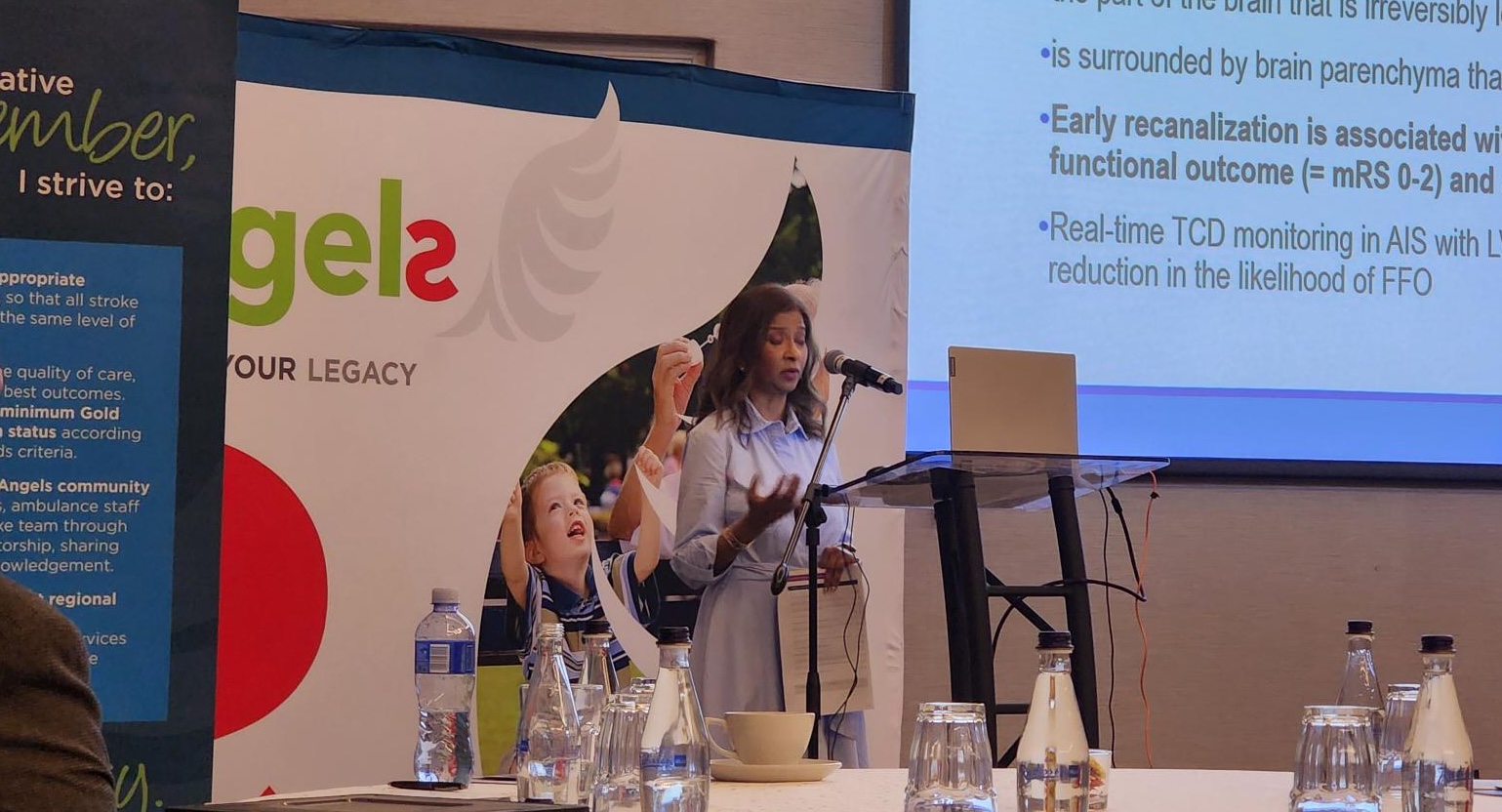
Nurses are essential to any successful acute stroke service. The key components of monitoring in the first 24, 48, 72 hours, and the first week depend significantly on skilled nurses with consistent training and frequent re-evaluation. Fever, swallowing and sugar are the main drivers of complications or outcomes. Skilled nurses are required who can act immediately on any deviation from the requisite levels, whether this means informing the attending doctor or following a pre-defined standard operating protocol.
How would you characterize the standard of stroke care in South Africa compared with similar countries elsewhere?
I do not have an accurate objective measure of this since the data collecting process in South Africa is not optimal throughout the country. However, the growth and development of stroke care, the upskilling of all healthcare personnel, from specialists to general practitioners to nurses to therapists across the private and public sectors, and the far-reaching public awareness advocacy has firmly embedded acute stroke care in the South African context, well on a par with what is available anywhere in the world.
What are the really important breakthroughs that will make evidence-based stroke care accessible to more South African patients?
Firstly, a direct meeting of the South African Stroke Society, NASA and the Minister of Health or his representative is essential. The next immediate priority is provision of adequate ambulance services to cover the country adequately and transport patients timeously to the nearest stroke-ready center. A recognizable logo or mascot with a number to call is the next requirement; a red ribbon equals HIV awareness, a pink ribbon breast cancer, a moustache in November prostate cancer. Similarly, we need a brand e.g. a lime green ribbon or FAST Heroes logo popping up everywhere with a number to call directly to a stroke network.
From the medical treatment side, the thrombolytic drug in the appropriate dose for stroke thrombolysis needs to be fast-tracked through regulators, with the assistance of the Minister of Health, and more personnel need to be trained in mechanical thrombectomy, including young neurologists.
How would you define your leadership style?
Growth through connectivity; transforming transparently.
You are both a neurologist and, as president of NASA, an institutional leader. Growing up, did you expect to fulfill these roles?
Not at all – although there is a family story that gets retold of me standing up on a chair in church and hushing some noisy boys because my cousin was in the church play – I was 3 years old when I supposedly did this.
Where did you grow up and what inspired your choice of medicine/neurology as a career?
I grew up in Merebank in Durban, South Africa, a then Indian area under the Group Areas Act. It was always part of our lives to care about those who had less than us irrespective of what little we may have had. This formed part of my cellular matrix, and medicine was associated with a ‘greater good’ reputation. Most of the community doctors were held in esteem as having wisdom and advice beyond prescriptions and procedures. They were part of the community and inspired people to become well and become more. So, medicine was an attractive career as a societal transformative tool. Neurology came later when I became interested in how the brain works. I still am fascinated by all we simply do not know.
What do you find most satisfying about your work?
The privilege of trust. Patients from all spheres and sectors of life sit in my office, open their stories, and trust me to diagnose well, treat well, prognosticate honestly, care authentically and comfort sincerely. Very few people are entrusted with this level of vulnerability. I consider it a daily privilege.
Do you remember the first stroke patient you treated for acute stroke, and can you share more about them or other cases that stand out?
I remember the first 18-year-old I treated; the magic of thrombolysis bites deep and never leaves. She left the ICU, went to Rehabilitation, then took over her father’s business a few years later. Another stand-out case was a 40-year-old gentleman whose wife noticed a drooping face at midnight, and yanked her father-in-law out of bed to drive them to hospital. At 1h00 our vascular surgeon did an emergency carotid endarterectomy and thrombectomy and the patient returned to running his business. Just this week a patient had an elective, uncomplicated surgical procedure and then had a stroke on the ward the next day. Rapid triage, risk stratification and thrombectomy were successfully performed. She is now recovering well and eating in the ICU.
How should South Africans take care of their health to reduce their risk of stroke?
Our first mindset shift should be to realize and be convinced of the truth that health is our greatest wealth, and the brain our most precious asset. This belief system will shift behaviours away from material displays on social media towards popularizing optimal blood pressure norms, evidence-based food choices, reduction in fabulous desserts or fast-food intake with a concomitant reduction in BMI, simple sustainable exercise choices rather than hyping trends that rapidly fade. How wonderful would it be to see a national strategy for all parks to become safe walking spaces; or all community centres and library halls to become weekday exercise venues for stay-at-home mums or elderly folk or anyone for that matter.
How do you relax and recharge to always be 100 percent available in such a demanding role?
I read, I pray, I journal, I laugh at silly things, and I behave silly in safe spaces. I walk, I cook and I wash dishes.


