
The Great Rift Valley is a vast chain of valleys and basins running through Kenya from north to south, characterised by dramatic escarpments, volcanoes and lakes. Within it, the North Rift is a diverse, high-altitude region encompassing parts of northern and western Kenya. Here, high-altitude plateaus serve as training grounds for a vast majority of Kenya’s world-record-holding long- and middle-distance runners, earning the region its reputation as the “home of champions”.
From 5-9 October this year, the North Rift took a decisive step to becoming the home of a different kind of champion when healthcare professionals from across the North Rift region gathered in Eldoret with a shared purpose: strengthening stroke systems of care and improving outcomes for patients affected by stroke.
The four-day event built on the success of Kenya’s first regional multidisciplinary stroke management training, held in Eldoret in August. The city is Kenya’s second-largest medical hub, anchored by Moi Teaching and Referral Hospital, which co-hosted the second cohort with Eldoret Hospital and the Angels Initiative.
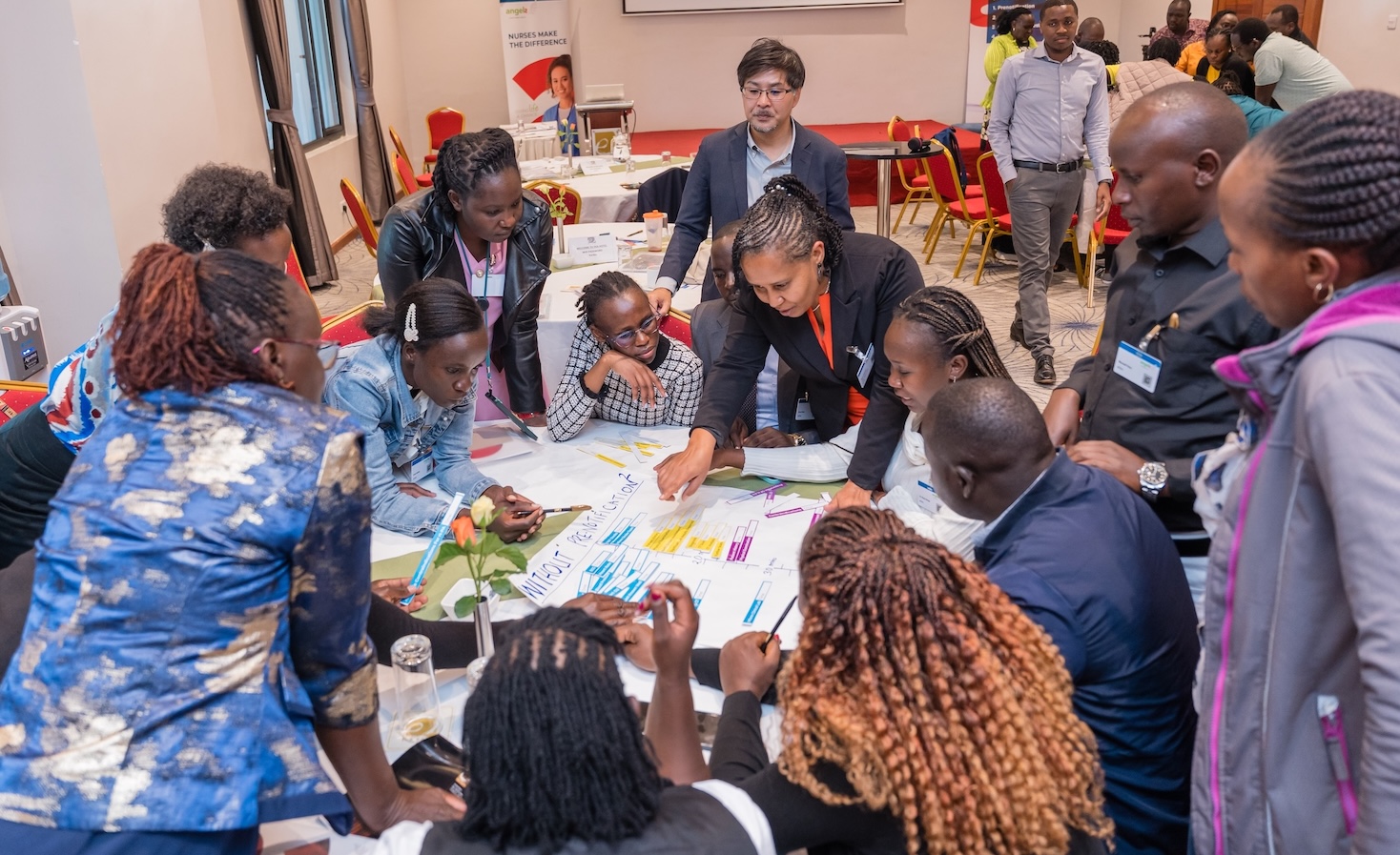
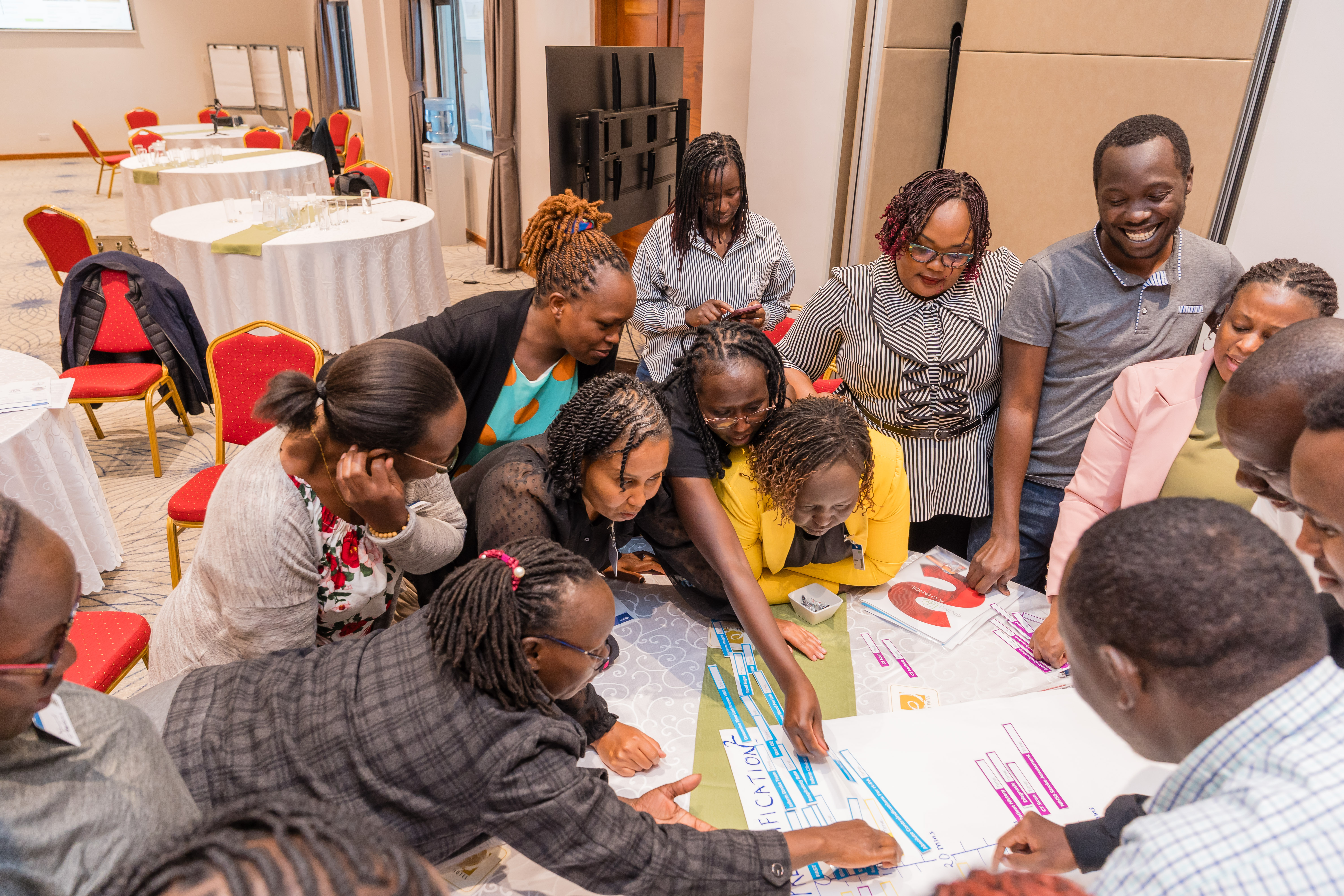
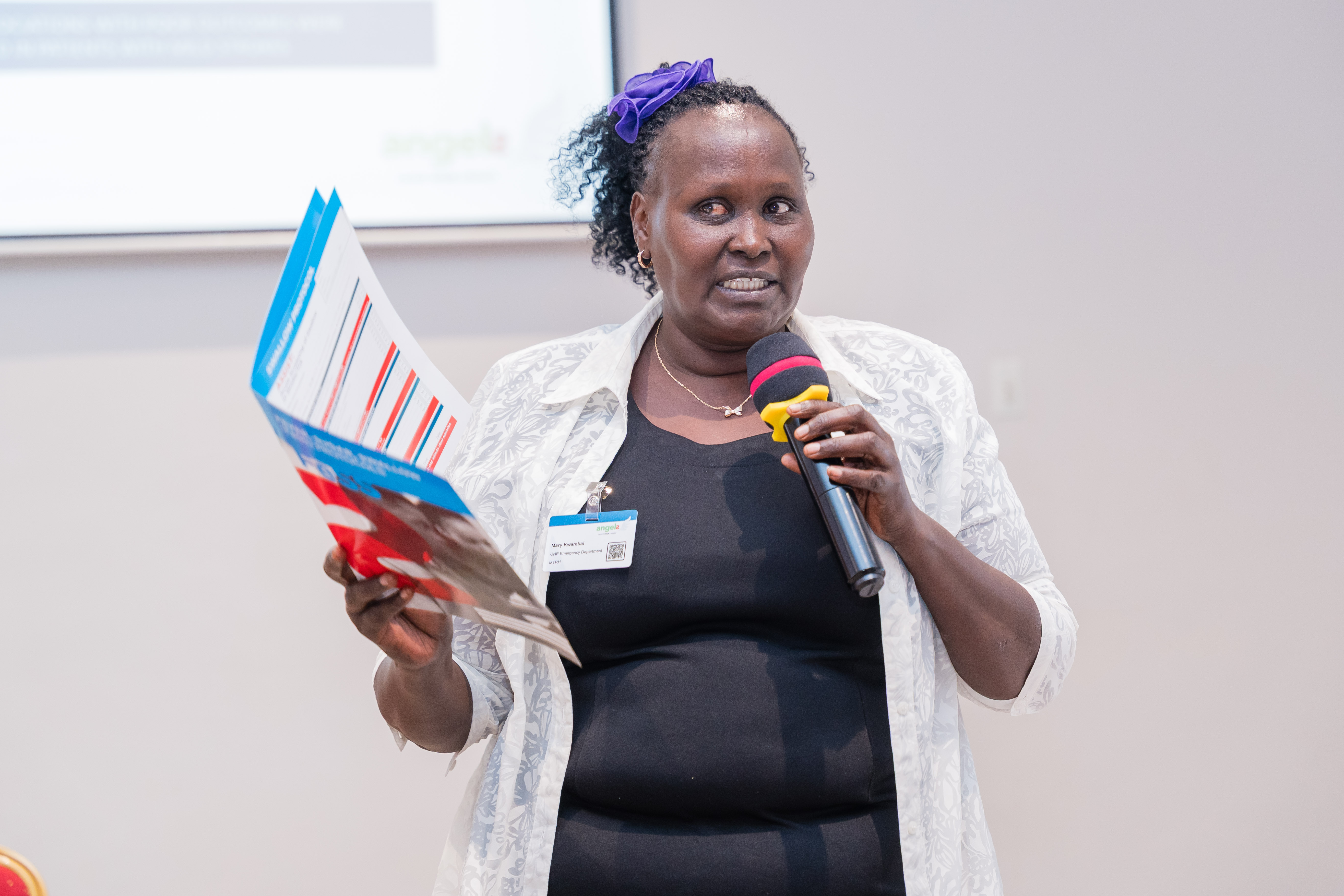
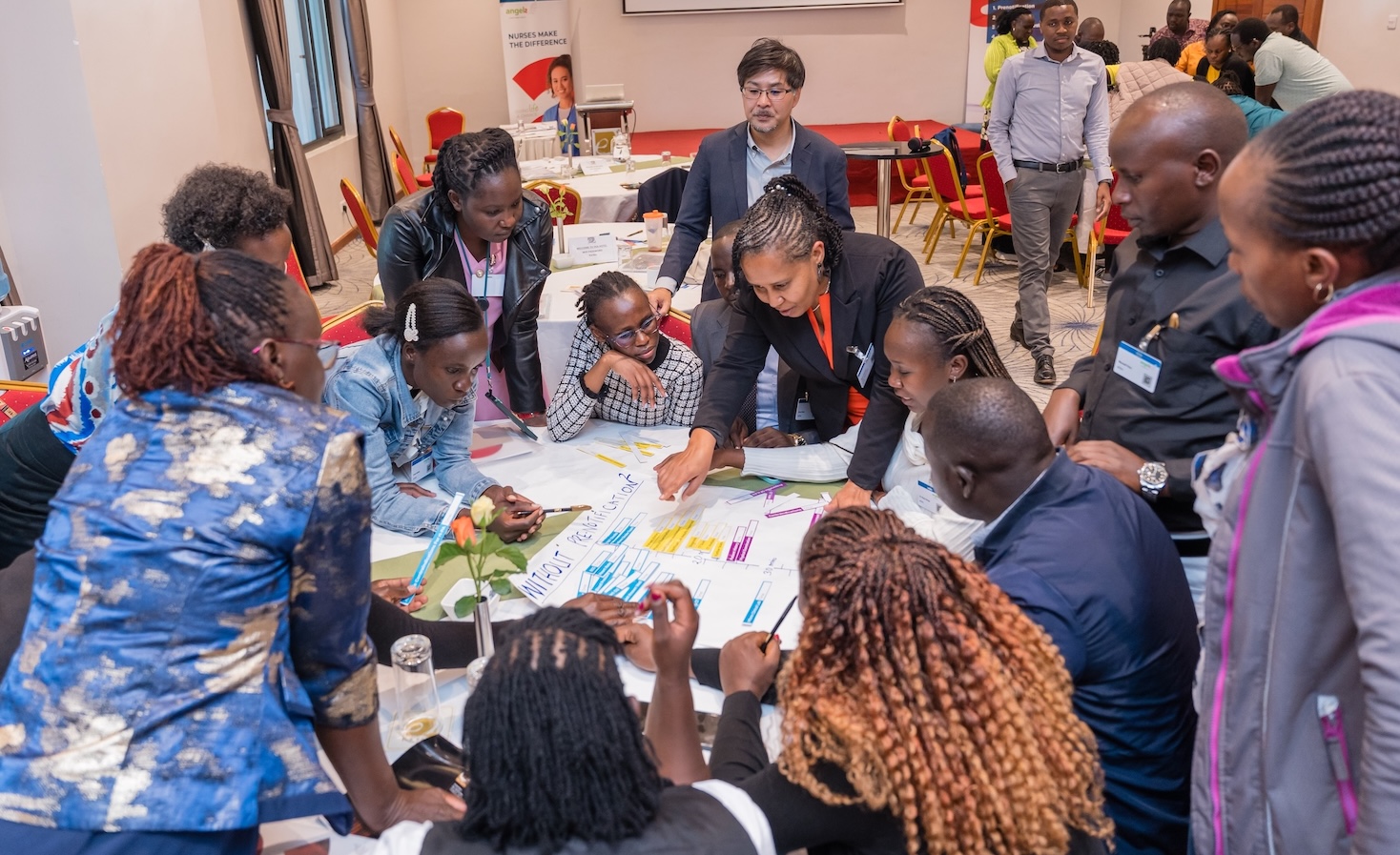
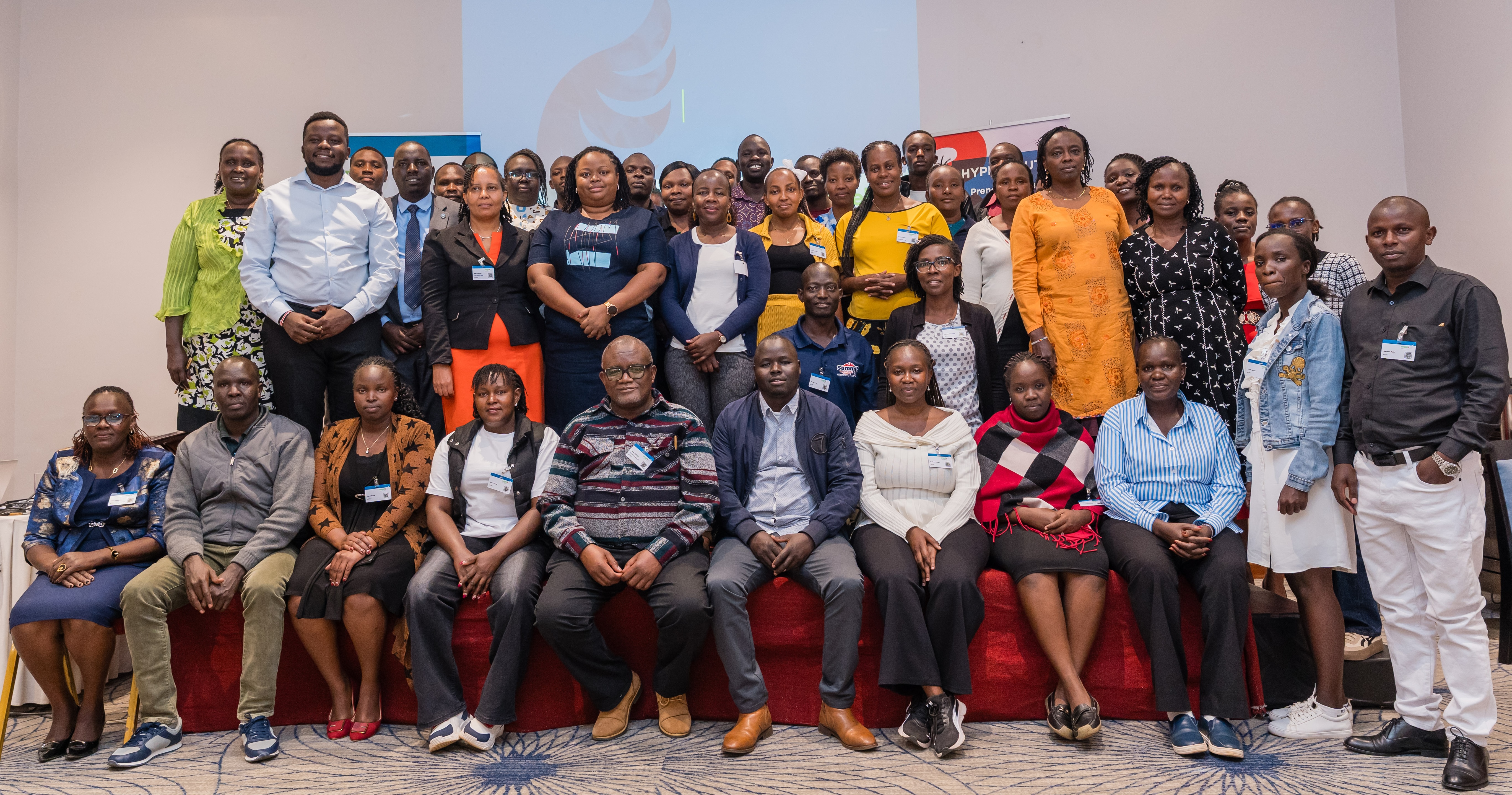
Representing multiple disciplines, approximately 140 participants enhanced their skills, strengthened collaboration and reinforced best practices across the entire stroke pathway.
Strengthening stroke care through teamwork
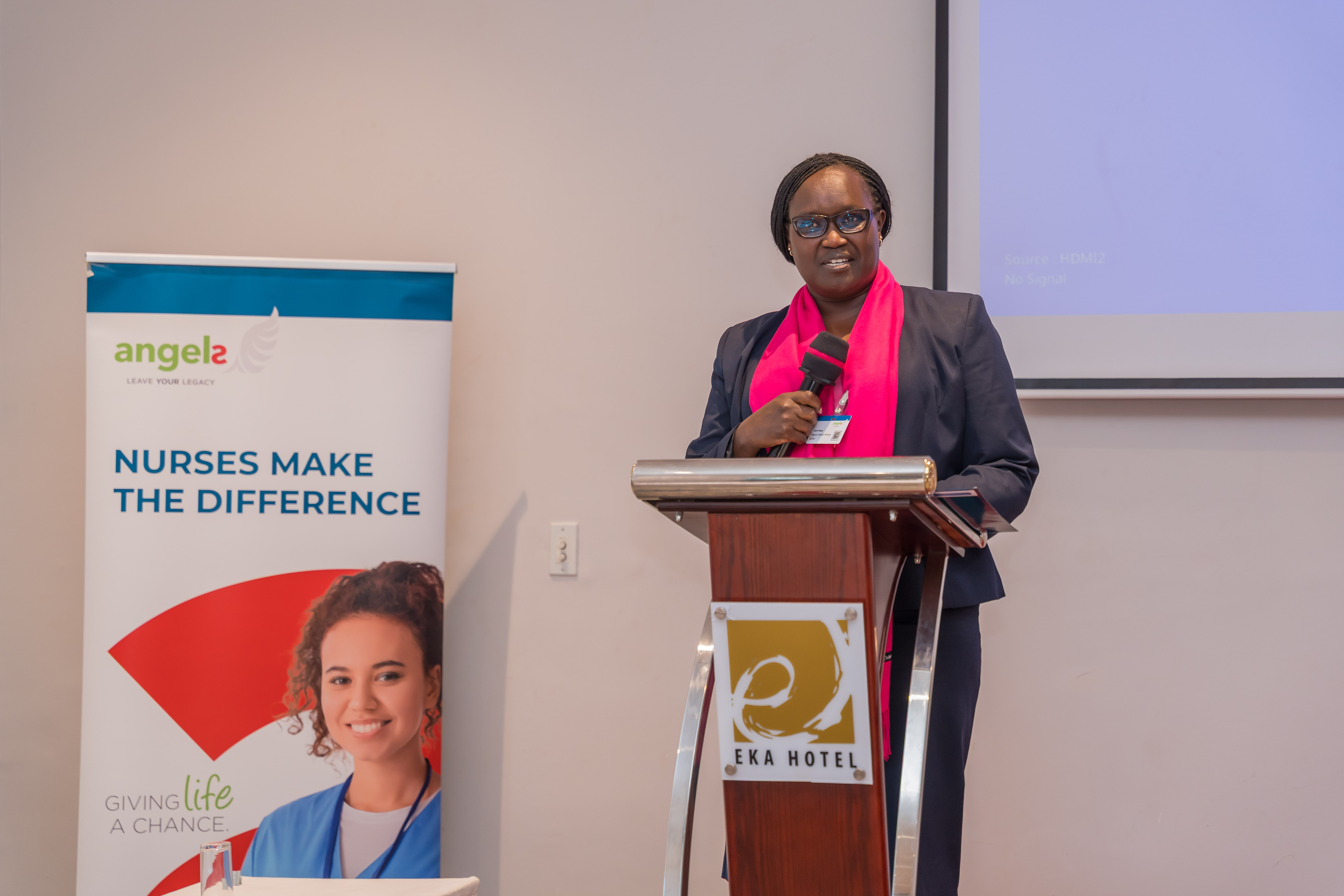
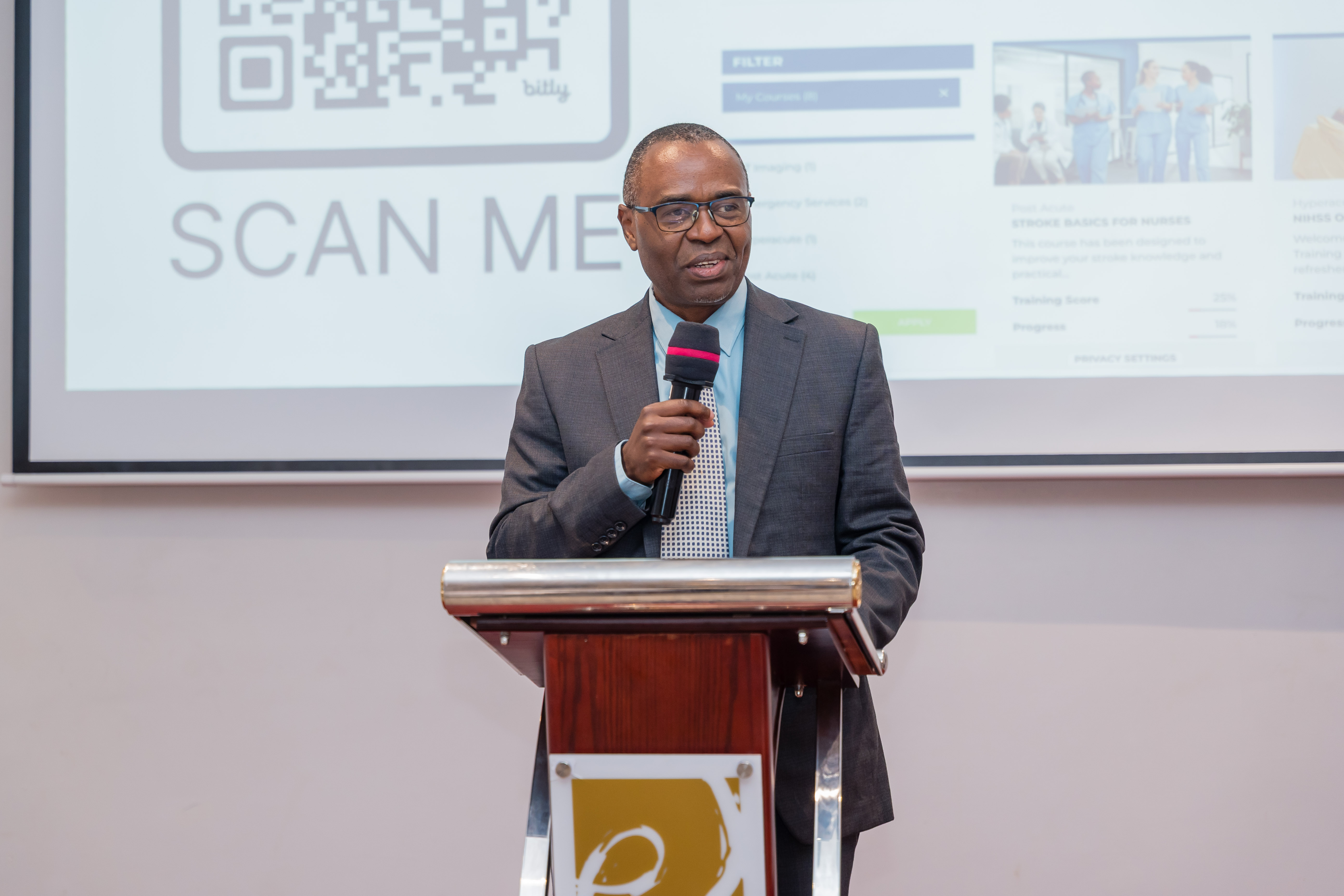
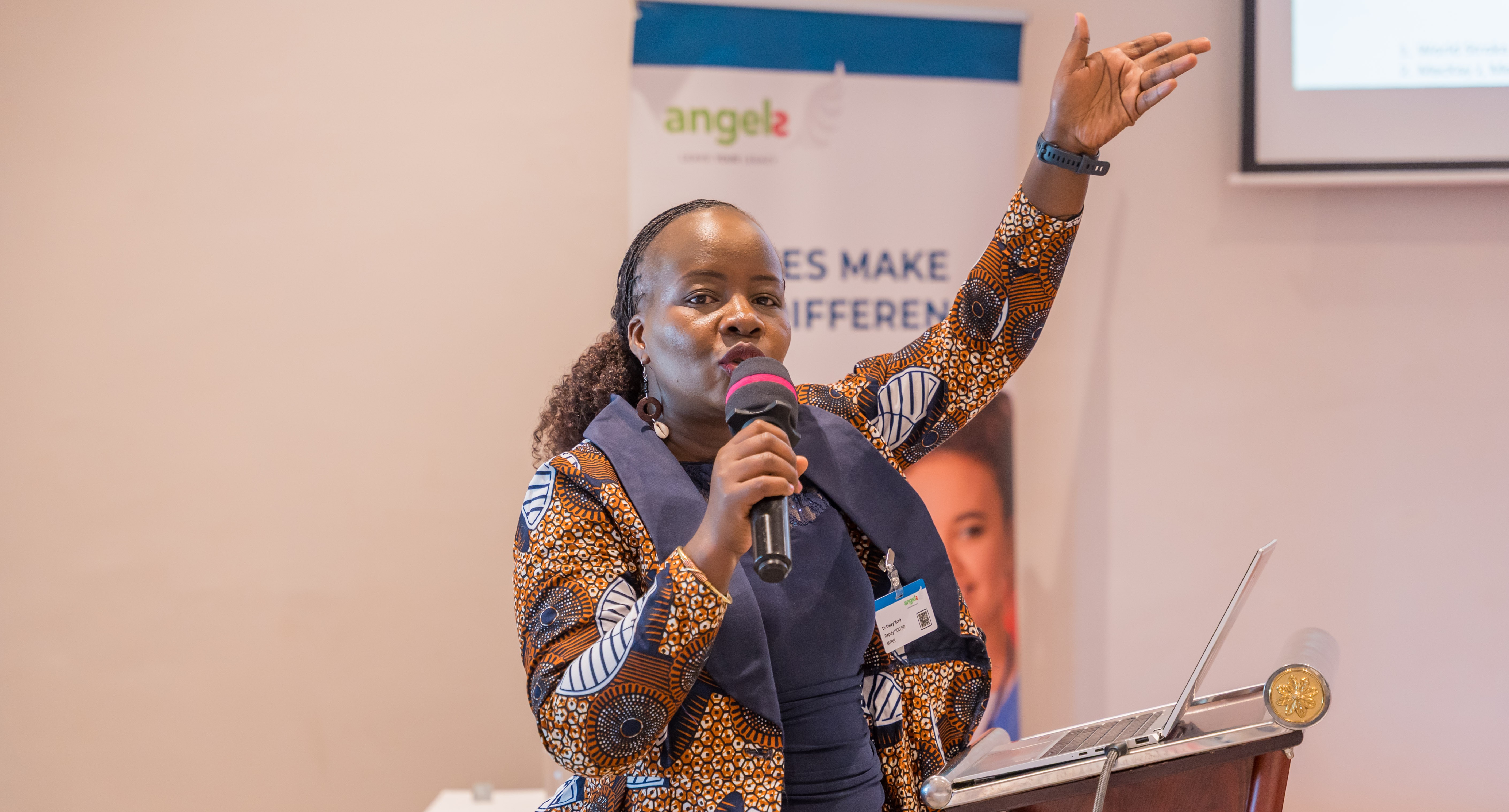
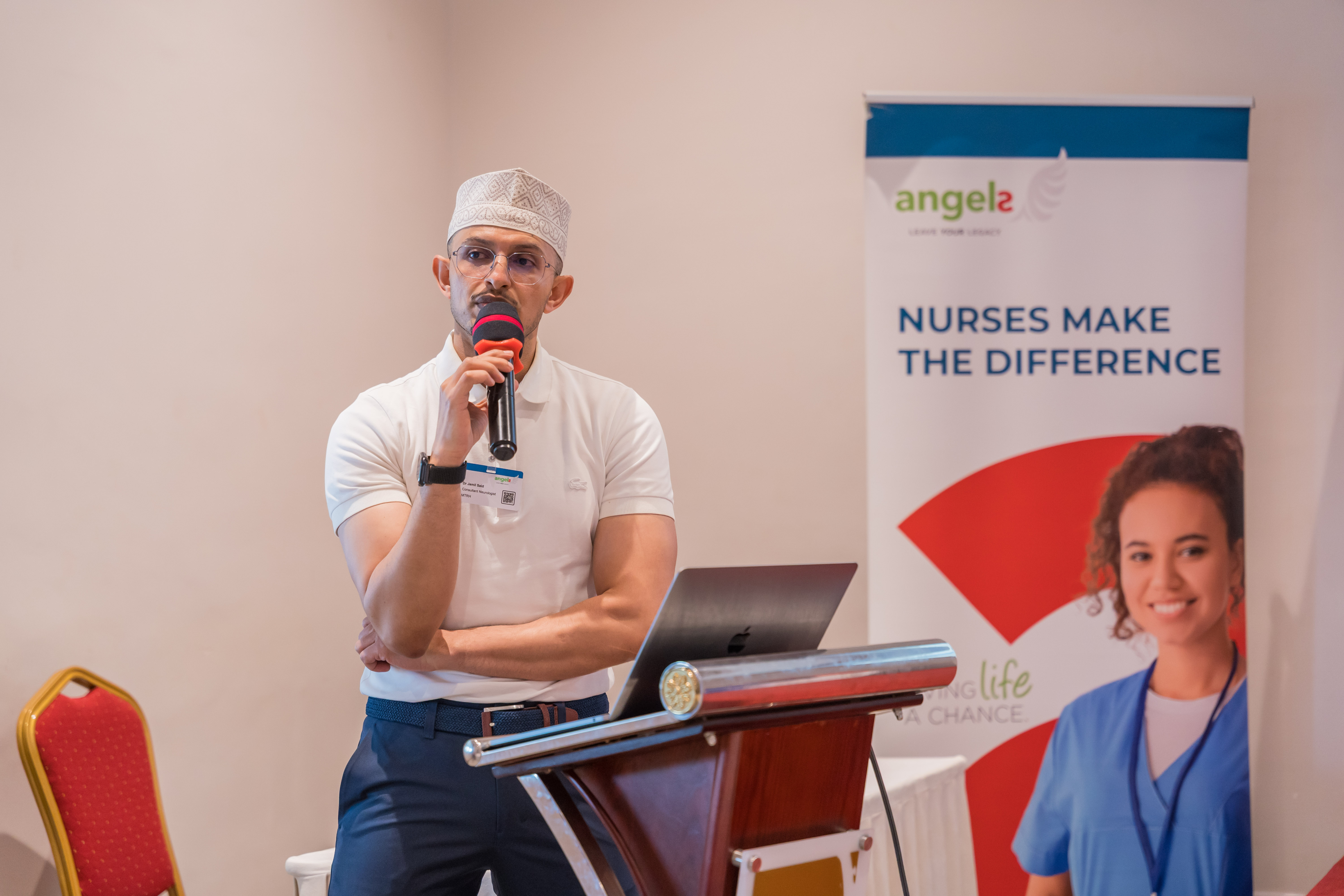
The training was officially opened by Dr Andrew Wandera, Director of Clinical Services at MTRH, and Carol Sang, Deputy Director of Nursing Services at MTRH, whose presence underscored the growing commitment to strengthening stroke care systems across the region.
In their remarks, both leaders emphasized the importance of multidisciplinary collaboration and investing in continuous education to ensure patients receive timely, high-quality stroke care.
The entire stroke pathway under one roof
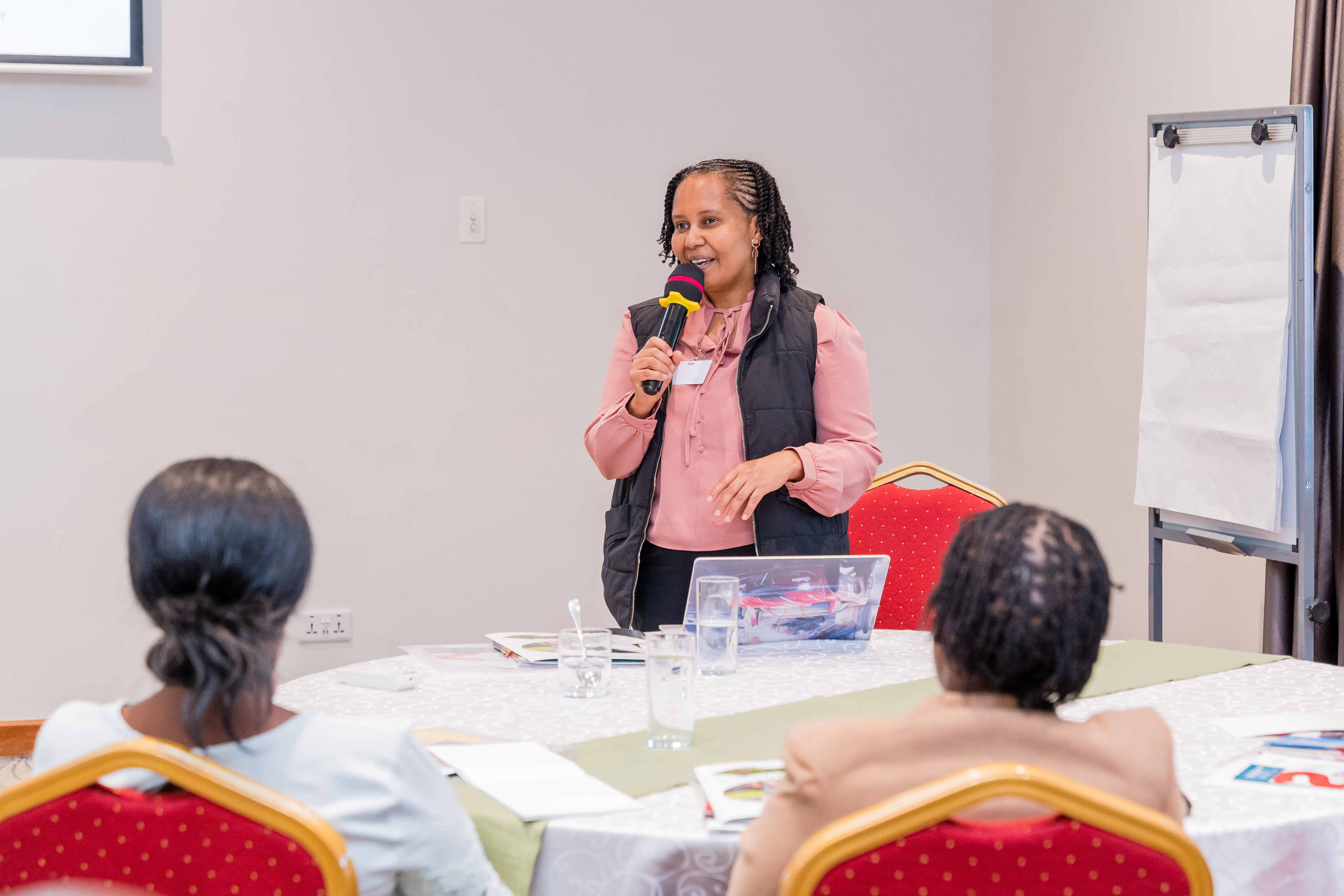
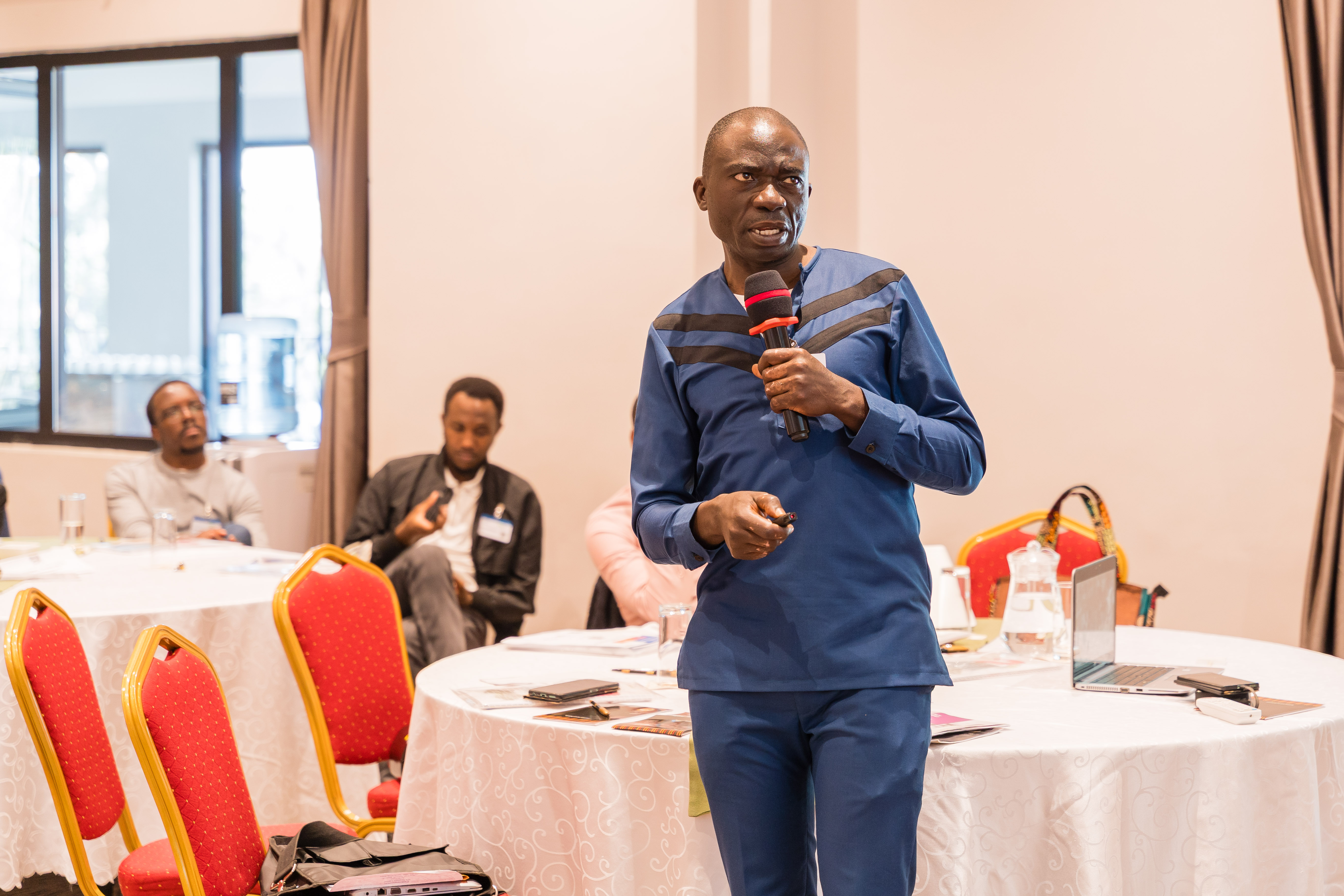
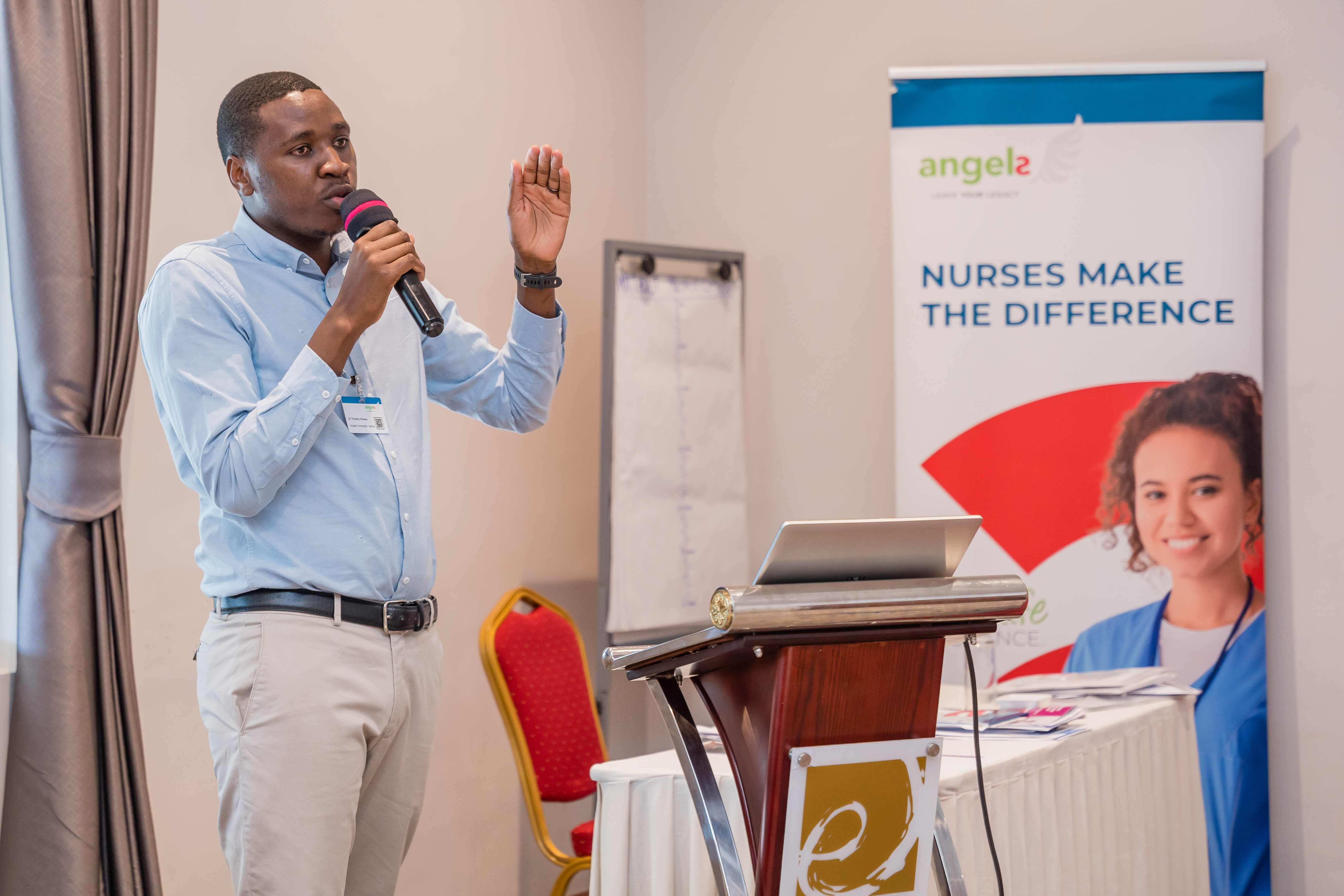
Led by Angels consultants Dr Maureen Waweru and Dr Timothy Kimaru and supported by an experienced multidisciplinary faculty, the programme continued to champion one central message: Stroke care is a team sport.
Stroke care is not delivered by one person or one department. It is the result of coordinated efforts by healthcare professionals working together seamlessly from the moment a patient experiences symptoms through treatment, rehabilitation, and recovery.
Participants explored every stage of the stroke pathway, including:
- Early stroke recognition and assessment
- Emergency response and pre-notification
- Brain imaging and diagnosis
- Hyperacute stroke management and thrombolysis
- Quality monitoring and continuous improvement
- Post-acute care
- Rehabilitation and long-term recovery
The multidisciplinary nature of the programme created a unique learning environment where physicians, nurses, radiographers, emergency care providers, therapists, and other healthcare professionals could learn from one another and develop a deeper understanding of their interconnected roles in patient care.
Learning through simulation
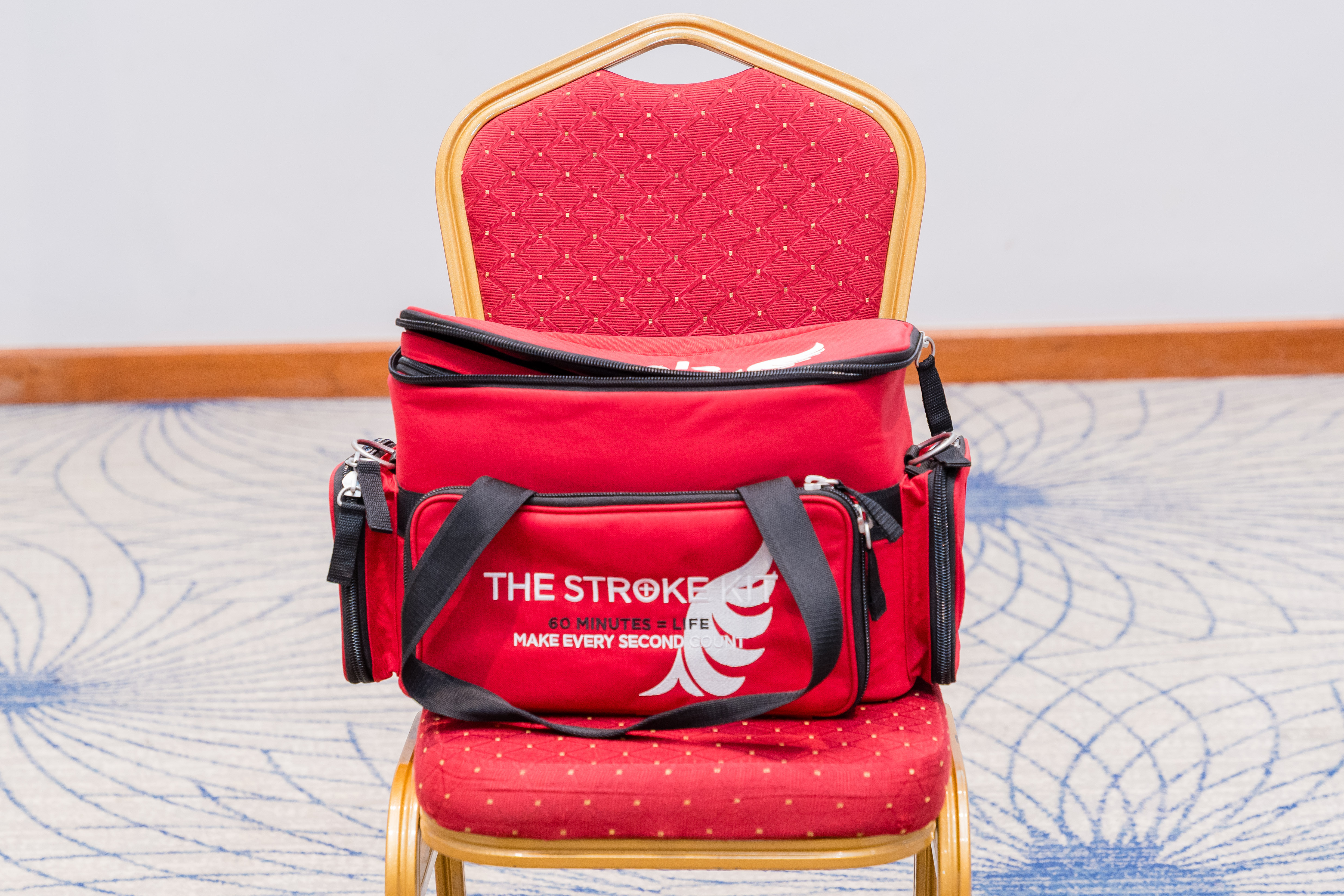
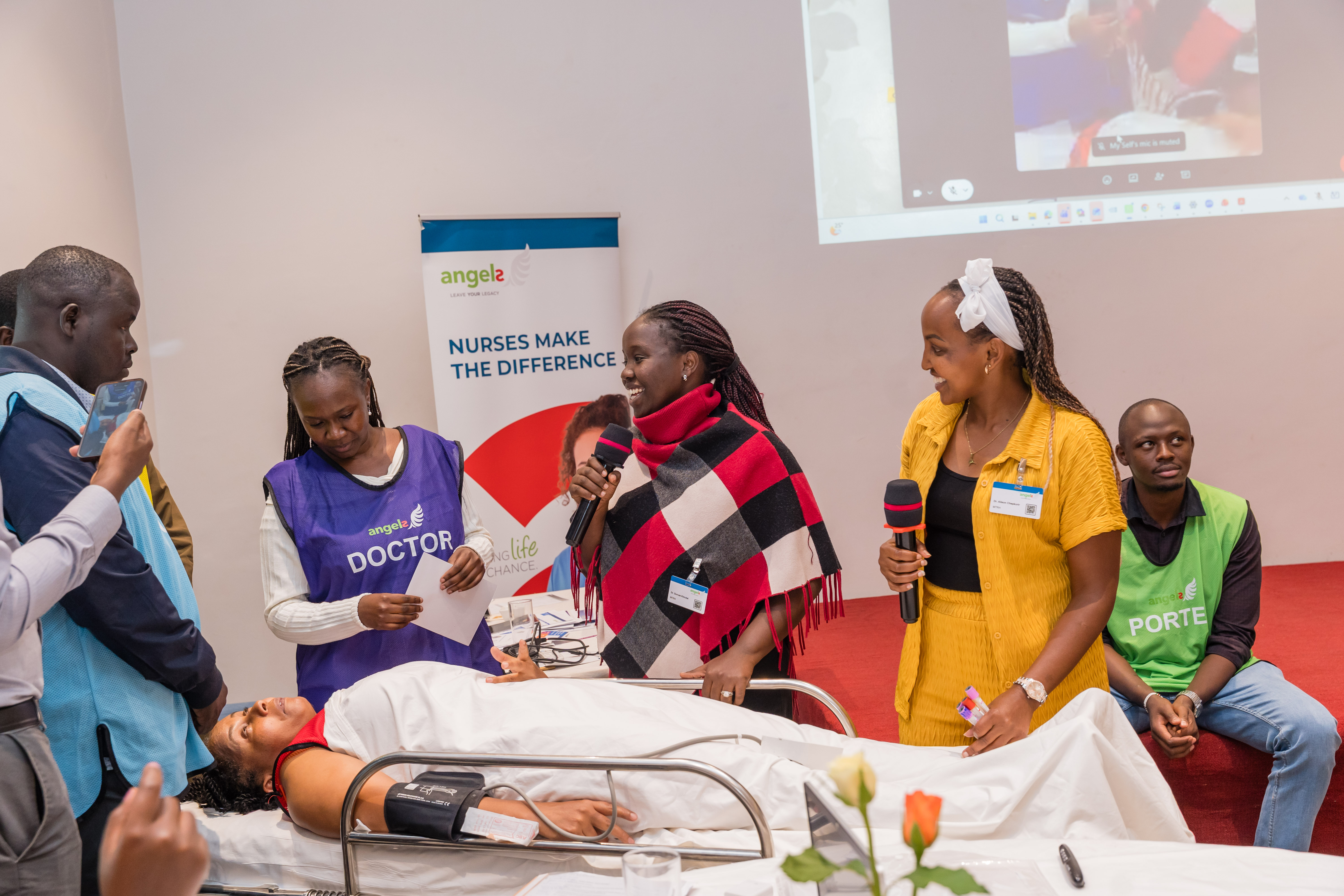
One of the highlights of the training was the patient simulation sessions.
These realistic scenarios challenged participants to make rapid clinical decisions, communicate effectively, coordinate across departments, and work under the pressures of time-critical stroke care.
Through these exercises, participants experienced firsthand the importance of efficient workflows, clear communication, and teamwork. The simulations reinforced a critical lesson: when every member of the stroke team understands their role and acts quickly, patients have a better chance of survival and recovery.
From survivor to advocate – a story of recovery and hope
One of the most powerful moments of the training came when participants heard directly from a stroke survivor whose journey brought the realities of stroke care to life.
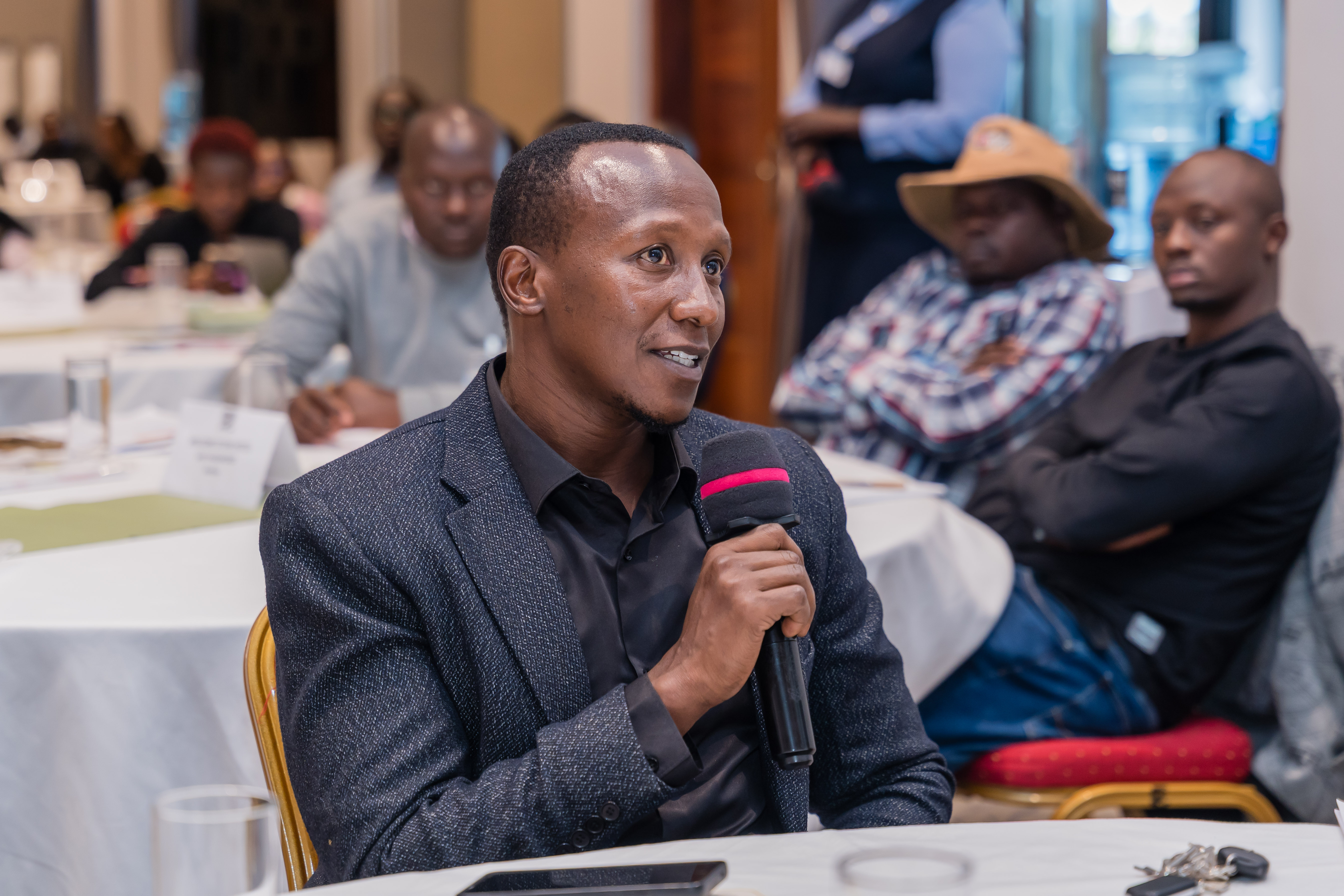
Hon. Duncan Kiptoo Mtai shared his personal story of experiencing a stroke, receiving treatment at Eldoret Hospital, and navigating the long road toward recovery. His testimony provided a moving reminder that every treatment decision, every minute saved, and every coordinated action by a healthcare team can profoundly impact a patient’s future.
For many participants, hearing firsthand about the physical, emotional, and social challenges faced after stroke brought a valuable patient perspective to the scientific and clinical discussions taking place throughout the week.
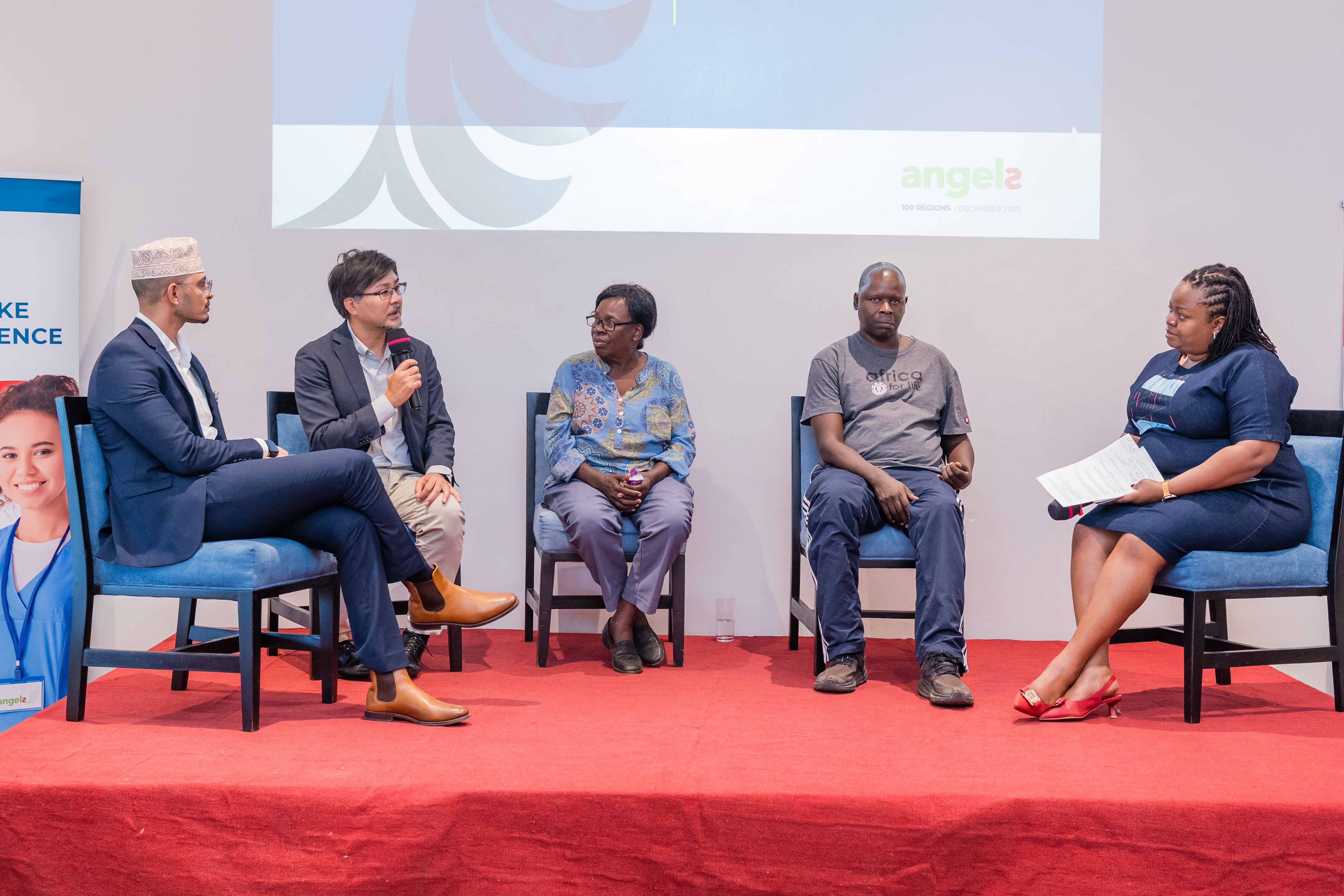
The session was followed by a unique multidisciplinary panel discussion featuring the stroke survivor, members of his family, neurologists, nurses, and his occupational therapist.
Together, they reflected on the patient’s journey from the onset of stroke through emergency treatment, inpatient care, rehabilitation, and reintegration into daily life. The discussion highlighted the vital contribution of every member of the care team and demonstrated how patient outcomes are strengthened when healthcare professionals, patients, and families work together throughout the recovery process.
The panel also underscored the importance of family support, rehabilitation services, patient education, and continuity of care beyond hospital discharge.
For many participants, it was one of the most memorable sessions of the week, reinforcing an important truth: Successful stroke care is not measured only by saving lives, but by helping patients regain independence, dignity, and quality of life.
Building on a growing movement
The October training represented more than a continuation of the first cohort. It reflected the growing momentum behind a regional movement committed to improving stroke care across the North Rift and beyond.
By bringing together healthcare professionals from different facilities and specialties, the programme continues to strengthen professional networks, encourage the sharing of best practices, and support the development of coordinated stroke systems capable of delivering better patient outcomes.
Every healthcare professional trained becomes an advocate for faster recognition, timely treatment, quality monitoring, effective rehabilitation, and patient-centred care within their own institution.
Looking ahead
The October training was more than an educational programme, Angels consultant Dr Maureen Waweru says. It was a reminder that every improvement in stroke systems translates into real lives changed, real families supported, and better futures for patients recovering from stroke.
Through shared learning, simulation, multidisciplinary collaboration, and the powerful testimony of a stroke survivor, participants left with renewed motivation to strengthen stroke care in their institutions and communities.
Dr Waweru said: “We extend our sincere gratitude to all participants, faculty members, partner organizations, hospital leaders, and patient advocates who contributed to the success of this training.
“Together, we are building stroke-ready teams, strengthening stroke-ready hospitals, and creating stroke-ready systems of care, one patient, one team, and one recovery story at a time.”


