Angels hosted a three-part webinar series for Sub-Saharan Africa for the second consecutive year.
This year’s program built on the experience of last year’s series, with important improvements that made the sessions more interactive, practical, and engaging. The agenda included a diverse range of topics, delivered by speakers from different countries and with varied professional backgrounds, bringing a rich mix of perspectives and expertise.
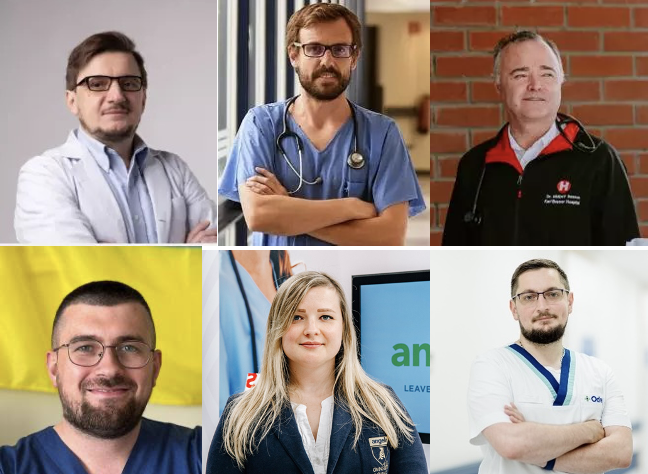
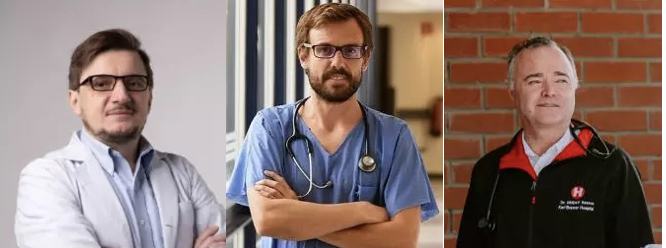
The agenda for the opening sesson on 27 May included a presentation on Epidemiology And Stroke Development In Africa by Prof. Rufus Akiynemi from Nigeria, and a guidelines overview by South Africa’s Dr Naeem Brey. Dr De Vries Basson, whose hospital was the first state facility in South Africa to win a diamond award, led an Interactive Hyperacute Pathway Optimisation card game.
The second and third training sessions were held on June 10, and June 24, each lasting two hours. A key highlight of the series was its interactive format. Participants were not just listeners but active contributors. During case-based discussions, the audience was invited to engage directly, share their thoughts, and help determine next steps in patient management. This approach created a dynamic learning environment and encouraged practical thinking.
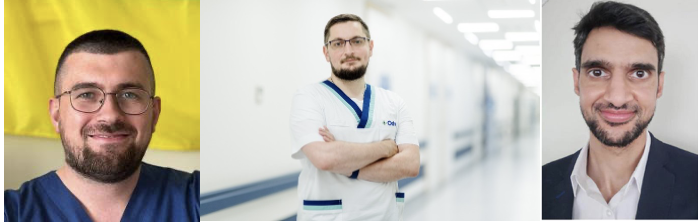
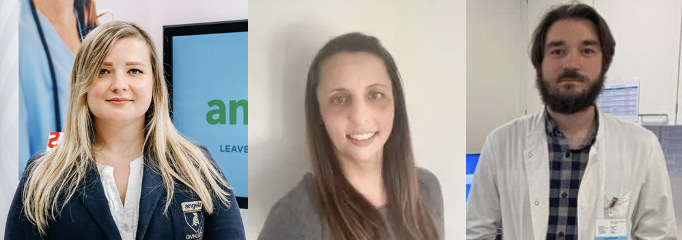
An important addition this year was the involvement of mentees from the Mentorship Program 2025 to 2026. After completing their mentoring journey, they shared their own experiences and insights, demonstrating real progress and impact in their clinical practice. Their contributions added a practical dimension to the sessions and served as inspiration for other participants.
The level of interest and engagement was very encouraging, says coordinator Tamara Zabashta from Ukraine. Approximately 500 participants registered for the webinar series, and there were around 1,000 new registrations on the Angels platform.
It is also worth noting that not all participants had access to individual devices, meaning that in many cases several healthcare professionals joined together from a single screen. This suggests that the actual reach of the program was even broader. Throughout the sessions, physicians were highly engaged, actively asking practical and clinically relevant questions, Tamara says.
In addition to the main webinar series, on May 28 the first practical online webinar was held specifically for nurses. This was a new and important step for the program, Tamara says. The session, led by Sr. Santel de Lange, was highly interactive and well received. It also featured a contribution from a nurse mentee, who shared her own experience, further emphasizing the importance of multidisciplinary collaboration in improving stroke care.


